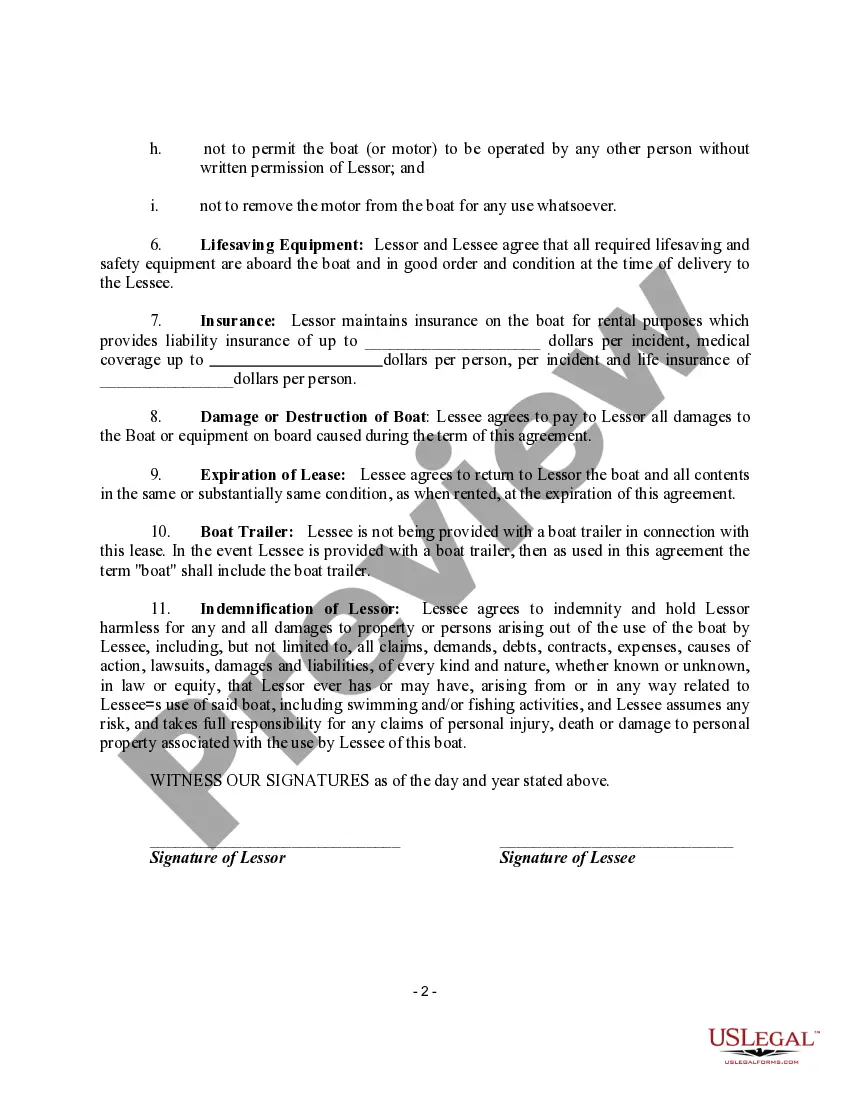
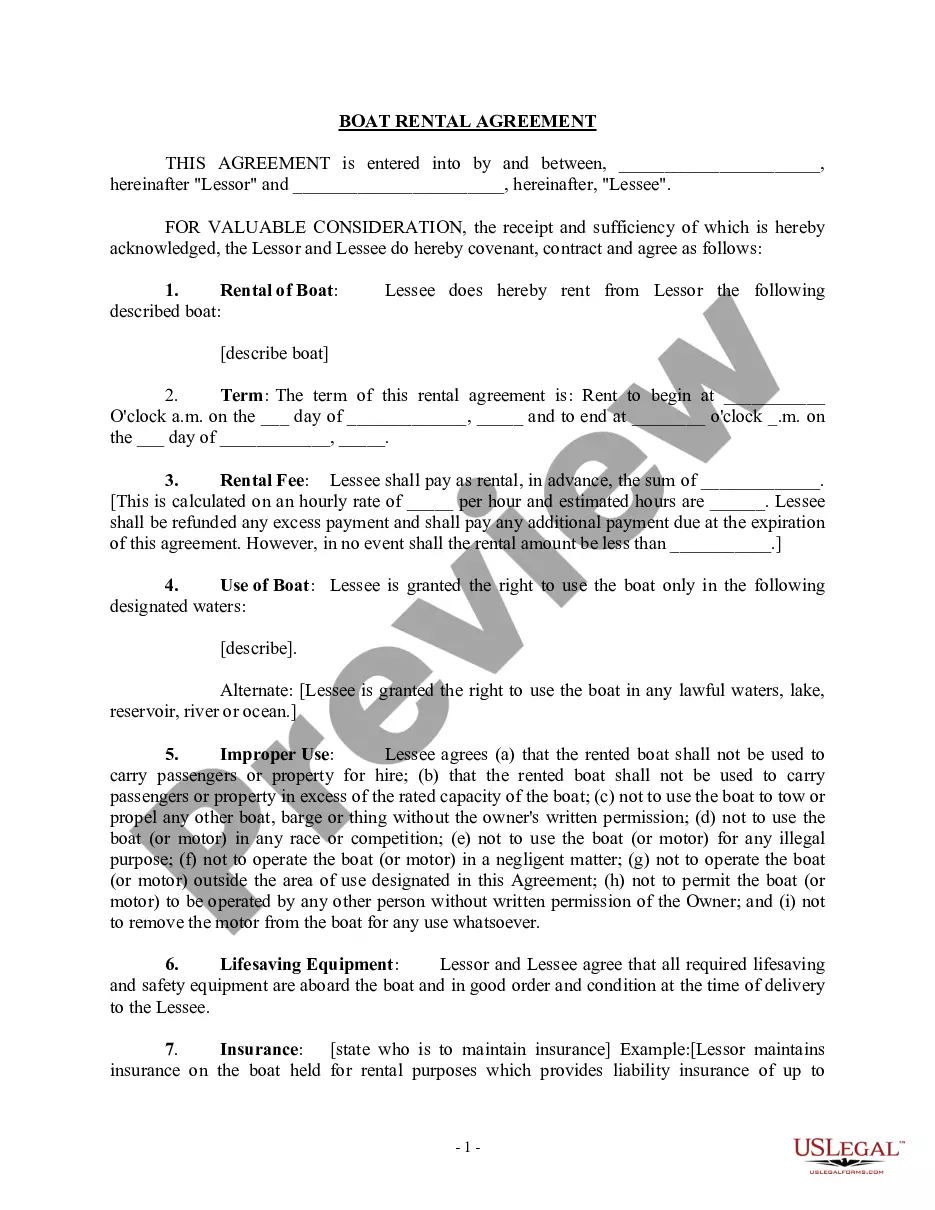
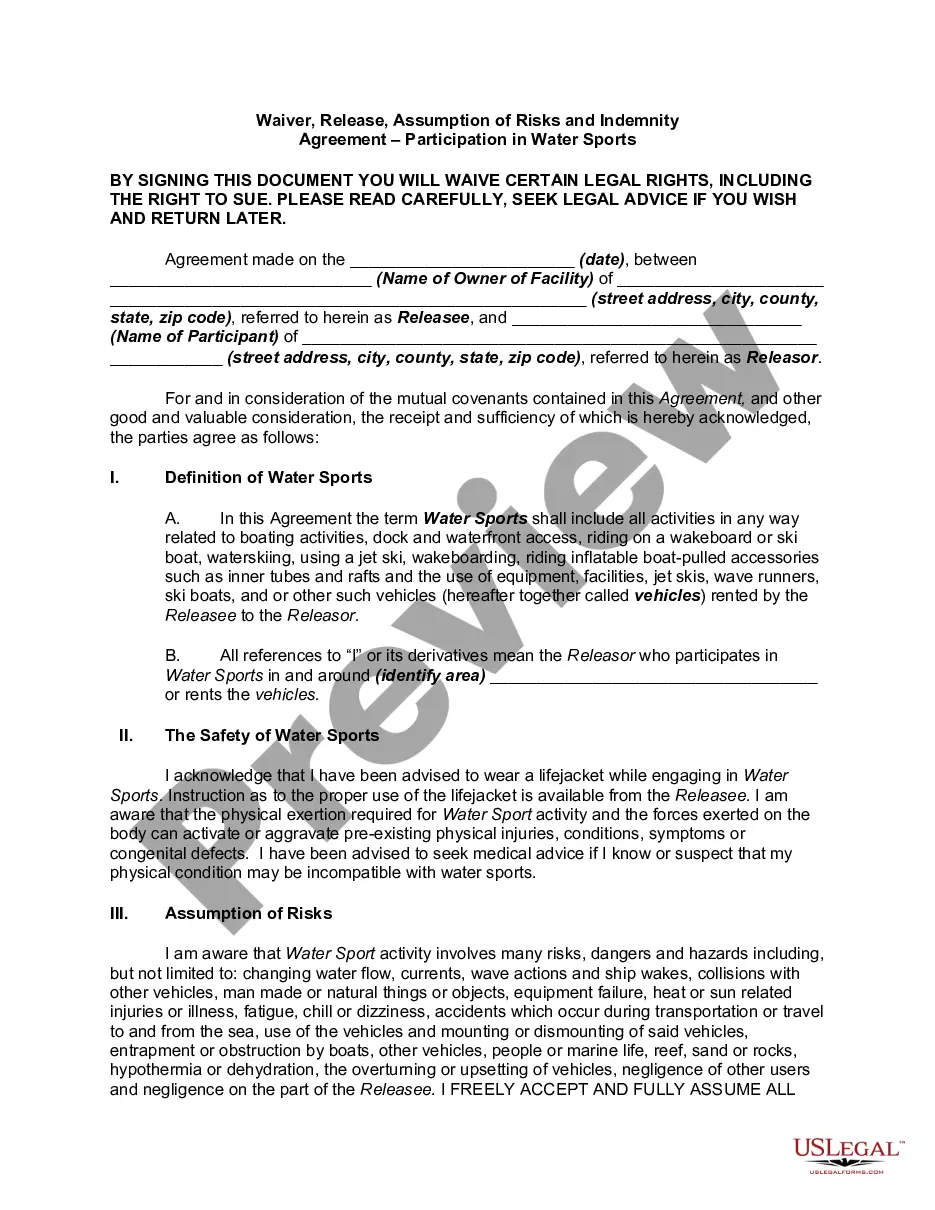
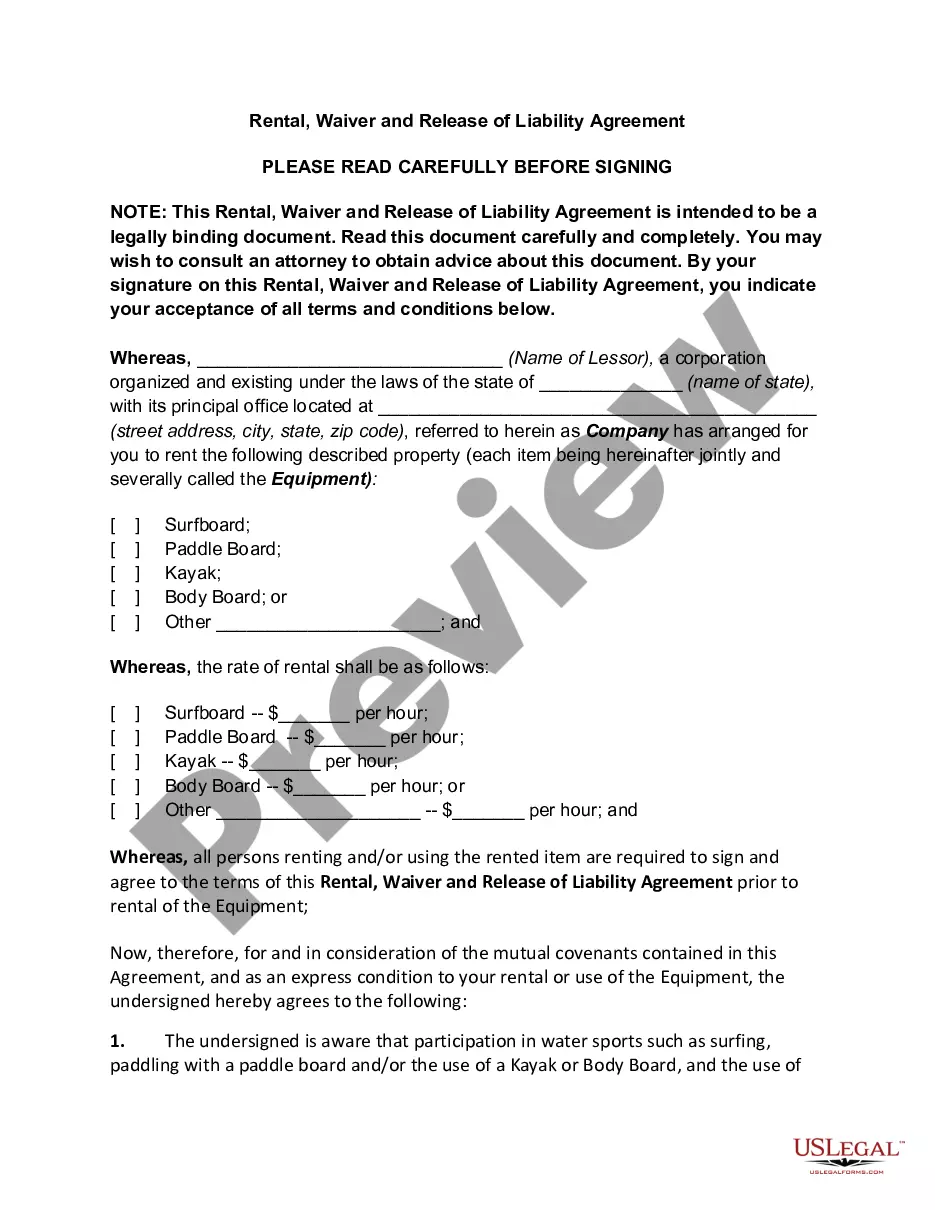
Boat Dock Rental Agreement Fort Lauderdale In Florida
Description

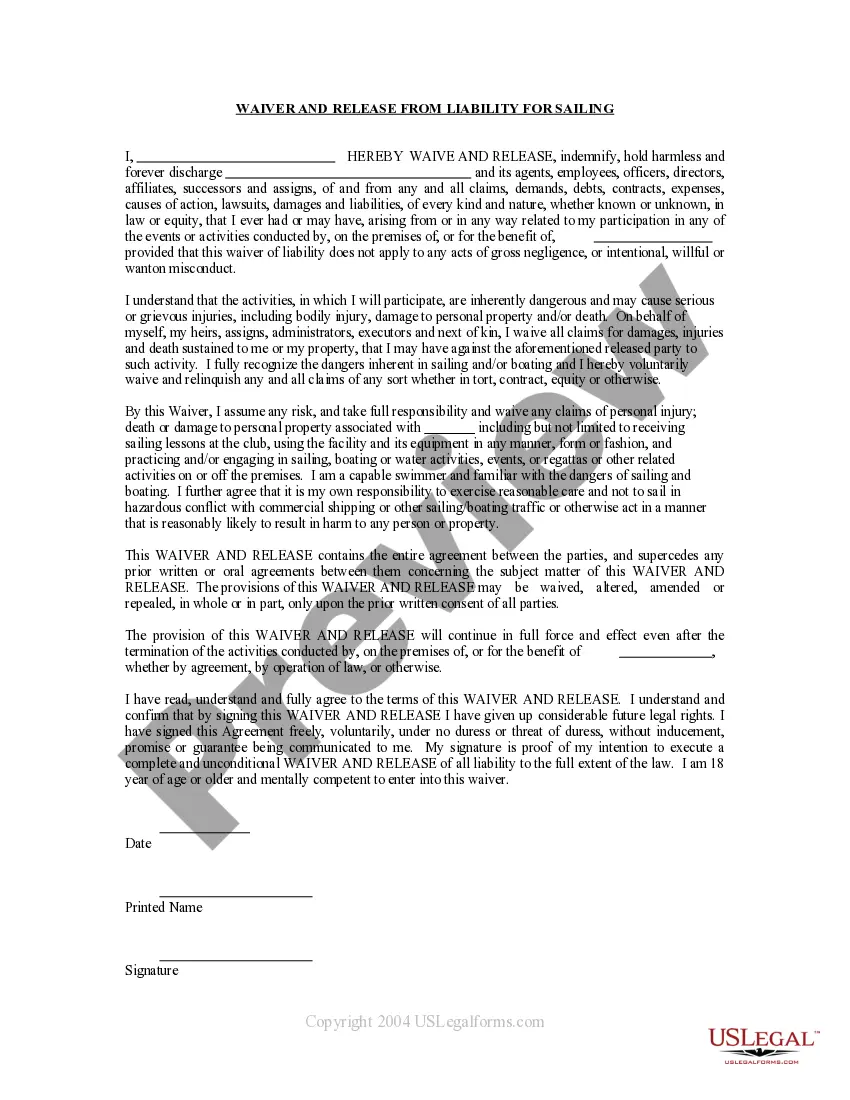
Get your form ready online
Our built-in tools help you complete, sign, share, and store your documents in one place.
Make edits, fill in missing information, and update formatting in US Legal Forms—just like you would in MS Word.
Download a copy, print it, send it by email, or mail it via USPS—whatever works best for your next step.
Sign and collect signatures with our SignNow integration. Send to multiple recipients, set reminders, and more. Go Premium to unlock E-Sign.
If this form requires notarization, complete it online through a secure video call—no need to meet a notary in person or wait for an appointment.
We protect your documents and personal data by following strict security and privacy standards.

Make edits, fill in missing information, and update formatting in US Legal Forms—just like you would in MS Word.

Download a copy, print it, send it by email, or mail it via USPS—whatever works best for your next step.

Sign and collect signatures with our SignNow integration. Send to multiple recipients, set reminders, and more. Go Premium to unlock E-Sign.

If this form requires notarization, complete it online through a secure video call—no need to meet a notary in person or wait for an appointment.

We protect your documents and personal data by following strict security and privacy standards.
Looking for another form?
Form popularity
FAQ
Most residential docks are exempt from permits, but they must meet three criteria to be exempt from state and federal permits. Failure to meet these regulations will require you to apply for a permit for building a dock. These three requirements include: Dock needs to be 1,000 sq.
SINGLE-FAMILY DOCK STANDARDS AND CRITERIA Dock shall extend out no more than to a depth of -4 feet MLW. If water depth is -4 feet MLW at bulkhead, dock length from bulkhead is limited to 25 feet. Decking must ensure maximum light .
Docks typically last around 20-30 years at most, and if there has been little maintenance done in that time, then it's probably necessary replacement rather than repair. all docks are not made alike, and the dock materials and craftmanship will greatly influence the lifespan of your dock.
GENERAL STANDARDS AND CRITERIA - ALL DOCKS Cannot extend out more than 500 feet waterward of MHW or 20% the width of the waterbody, whichever is less.
As a rule of thumb, a dock does not have to be as large as the boat that arrives at it, provided passengers can board and disembark safely. As an example, if a property is 85 feet wide, but a dock is 50 feet long, a 64-foot motor yacht can dock at the space.
Setbacks. Every waterway in Fort Lauderdale has specified setbacks for docking a boat. Setbacks are calculated from the property line at the bow and stern sides of the vessel. Typical setbacks are 5 feet or 10 feet from each end.
Any activity conducted without a required permit is considered a “public nuisance” and may be required to be removed. State and local governmental regulations provide specific criteria intended to protect waters and other natural resources which must be met before a permit will be issued.
Homeowners that already have some handyman skills may be able to build their own dock if it's a smaller floating dock. However, building a dock isn't an easy process, especially if you don't have experience with waterfront structures. More often than not, the best route is to hire a professional.