Boat Contract With America In California
Description

Get your form ready online
Our built-in tools help you complete, sign, share, and store your documents in one place.
Make edits, fill in missing information, and update formatting in US Legal Forms—just like you would in MS Word.
Download a copy, print it, send it by email, or mail it via USPS—whatever works best for your next step.
Sign and collect signatures with our SignNow integration. Send to multiple recipients, set reminders, and more. Go Premium to unlock E-Sign.
If this form requires notarization, complete it online through a secure video call—no need to meet a notary in person or wait for an appointment.
We protect your documents and personal data by following strict security and privacy standards.

Make edits, fill in missing information, and update formatting in US Legal Forms—just like you would in MS Word.

Download a copy, print it, send it by email, or mail it via USPS—whatever works best for your next step.

Sign and collect signatures with our SignNow integration. Send to multiple recipients, set reminders, and more. Go Premium to unlock E-Sign.

If this form requires notarization, complete it online through a secure video call—no need to meet a notary in person or wait for an appointment.

We protect your documents and personal data by following strict security and privacy standards.
Looking for another form?

Form popularity
FAQ
You must apply in person, supply 3 passport photos, have your name checked, and be fingerprinted. Each person on board your boat, including children, must be registered and possess an I-68 form. If you have extra passengers, you must land at an official entry port, videophone or radiophone for inspection.
To register a trailer in California, you need to present the following documents at the DMV: Application for title or registration (Form REG 343) Verification of vehicle (Form REG 31) Bill of Sale.
To register your boat/vessel, you will need: A completed Application for Vessel Certificate of Number (BOAT 101) form. Proof of ownership, such as the original California Certificate of Ownership (title) or the out-of-state title (if it is currently registered in another state). Applicable fees.
You may also need: Bill(s) of sale (if you bought your boat/vessel from a private party instead of a dealer). A Statement of Facts (REG 256) form, in case you do not have a copy of the bill of sale.
In California, if you find yourself with a boat but no title, don't fret. National Documentation Portal's easy-to-fill online forms present a safe path you can follow. You'll need to submit a completed Application for Duplicate or Transfer of Title, proof of ownership, a bill of sale, and follow the easy steps.
You may search Coast Guard Documented Vessels by their names, Hull Identification Numbers or Official Numbers via the CGMIX Coast Guard Port State Information Exchange. This search applies to US Coast Guard Documented vessels in California.
Sort of. It takes awhile to complete the Great Loop. Some cruisers take six months, others take six years... or more.
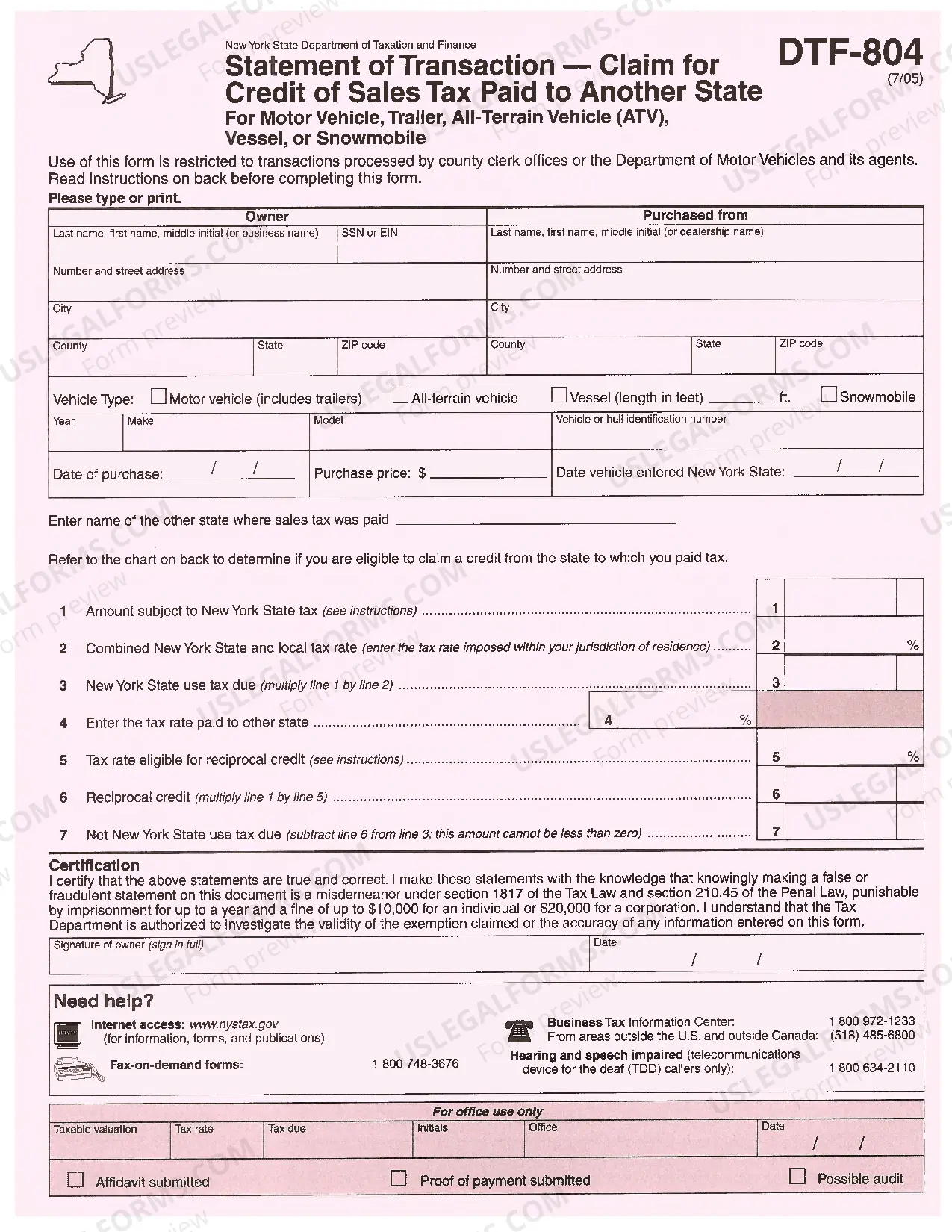
Vessel use tax is based on the situs (location) county or on the registered owner's residence county, if no situs is shown. The minimum use tax in California is 8.25 percent. Those counties and cities which assess a greater or lesser tax percentage are shown in the use tax tables in Appendix 1A.
Entering U.S. Waters Carry a passport or other document that denotes identity and citizenship; Stay 100 yards away from all military, cruise lines and commercial shipping vessels; Operate at minimum speed (no wake) and proceed as directed by the Coast Guard or the Navy when within 500 yards of a U.S. Naval vessel;
