Boat Contract With America In Broward
Description

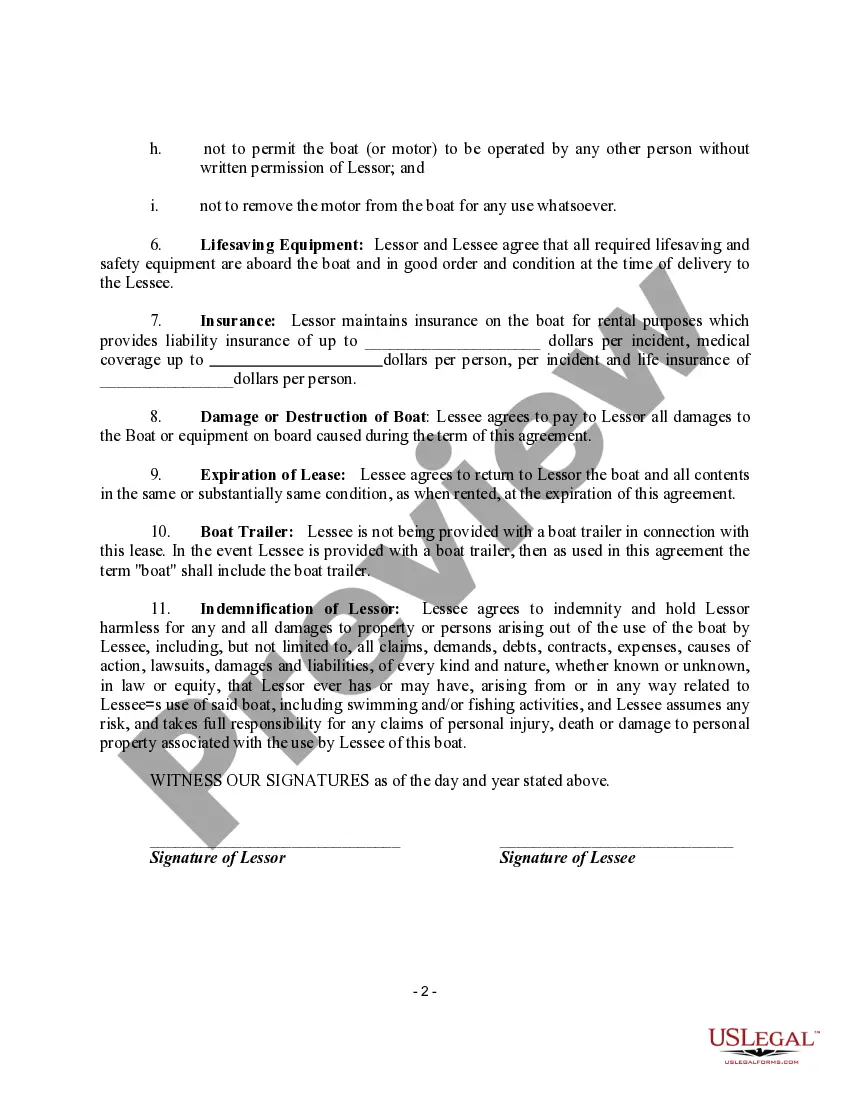
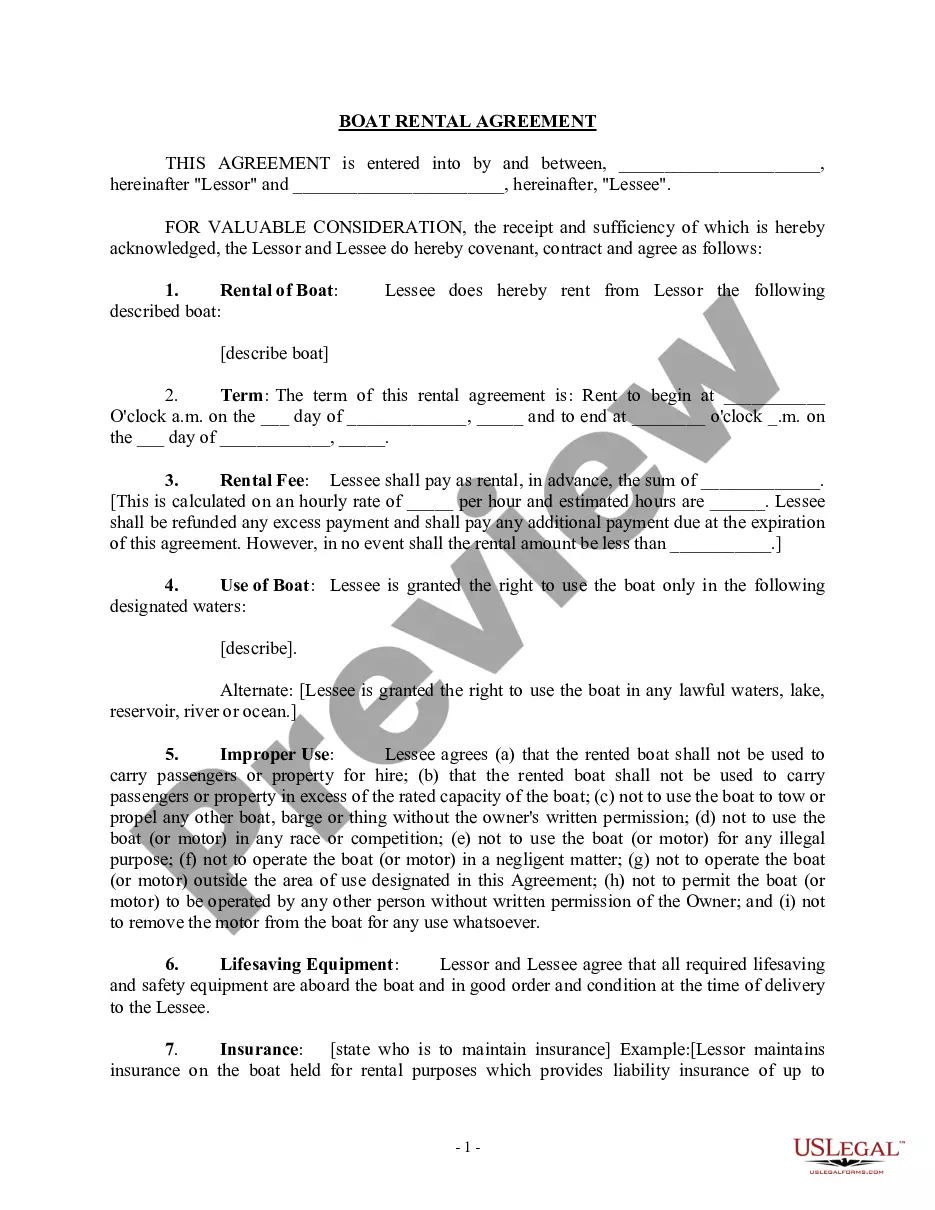
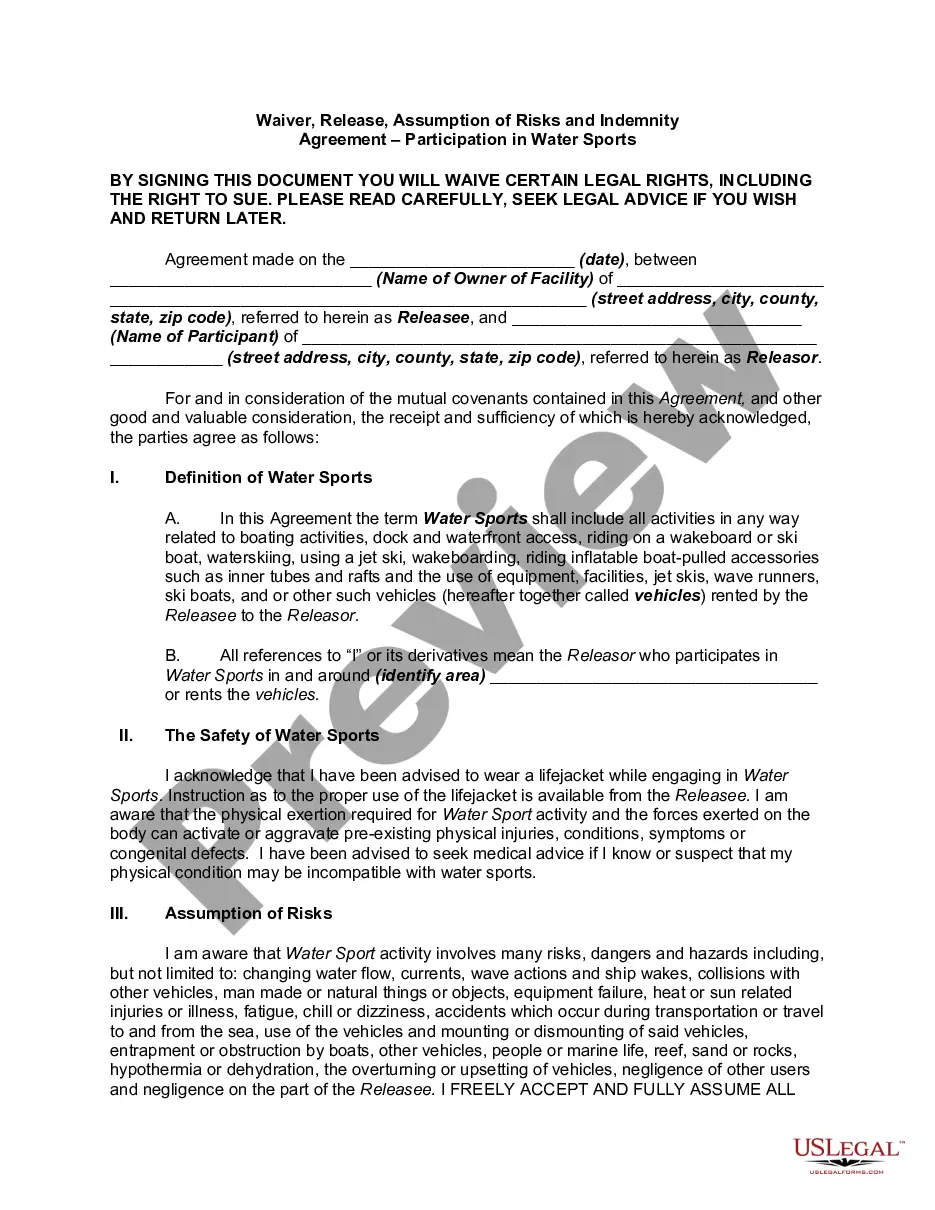
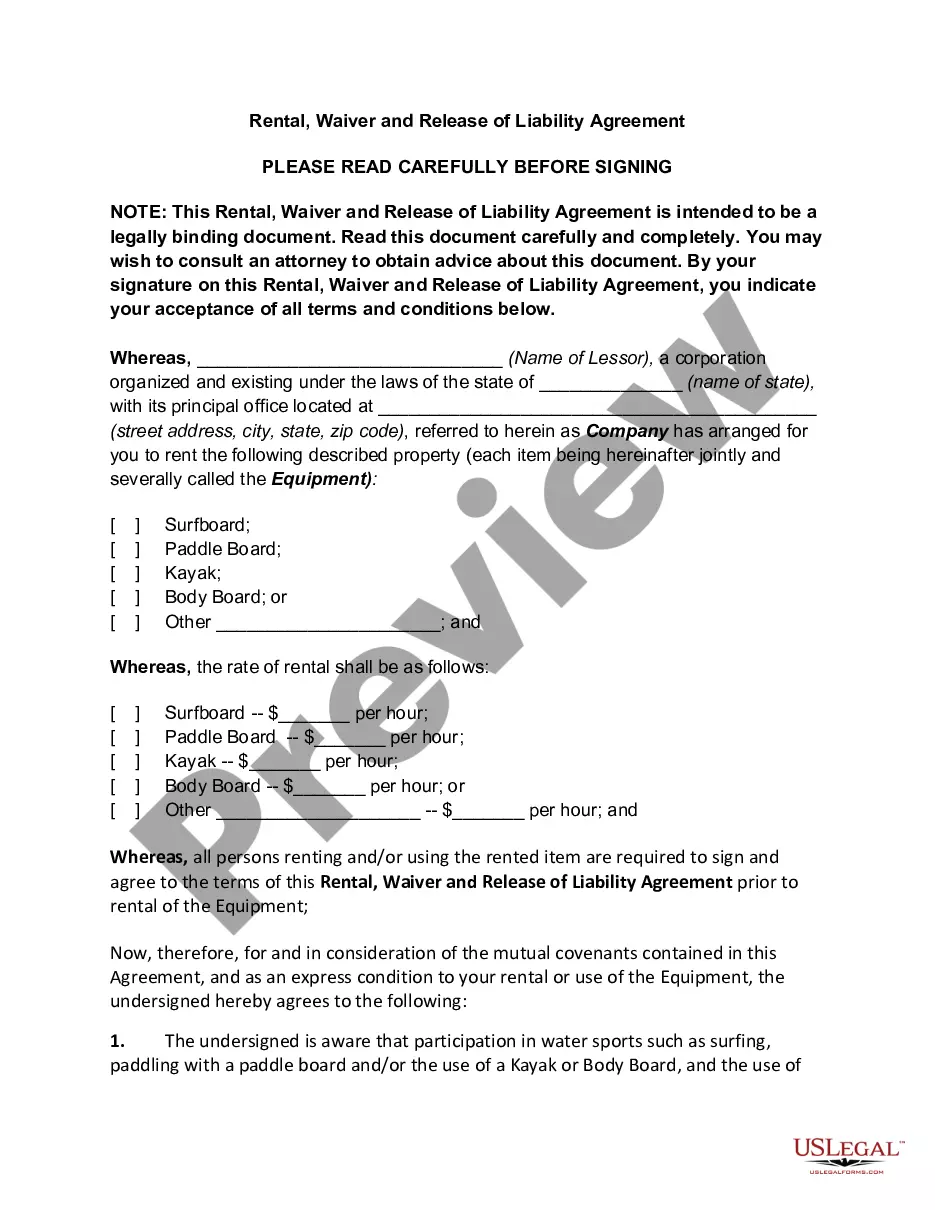
Get your form ready online
Our built-in tools help you complete, sign, share, and store your documents in one place.
Make edits, fill in missing information, and update formatting in US Legal Forms—just like you would in MS Word.
Download a copy, print it, send it by email, or mail it via USPS—whatever works best for your next step.
Sign and collect signatures with our SignNow integration. Send to multiple recipients, set reminders, and more. Go Premium to unlock E-Sign.
If this form requires notarization, complete it online through a secure video call—no need to meet a notary in person or wait for an appointment.
We protect your documents and personal data by following strict security and privacy standards.

Make edits, fill in missing information, and update formatting in US Legal Forms—just like you would in MS Word.

Download a copy, print it, send it by email, or mail it via USPS—whatever works best for your next step.

Sign and collect signatures with our SignNow integration. Send to multiple recipients, set reminders, and more. Go Premium to unlock E-Sign.

If this form requires notarization, complete it online through a secure video call—no need to meet a notary in person or wait for an appointment.

We protect your documents and personal data by following strict security and privacy standards.
Looking for another form?







Form popularity
FAQ
PFDs, Flares Fire Extinguishers, Sound Devices and Lights For example, boats 16 feet in length and over must have the at least: One personal flotation device (in good condition) for each person on board, plus a throw-able cushion or ring is required.
The I-68 permit allows boaters to enter the United States from Canada for recreational purposes with only the need to report to CBP by telephoning in their arrival.
An out-of-state vessel owner who does not plan to become a permanent Florida resident but plans to operate a currently registered vessel in Florida waters for more than 90 days must obtain a temporary registration.
The following boats and vessels are exempt from boat registration in Florida: Vessels stored and used solely on private lakes or ponds. Non-motorized vessels less than 16 feet long. Federally documented vessels and vessels owned by the United States government, the State of Florida, or any of its political subdivisions.
Pursuant to 19 CFR 4.2, any small vessel arriving to the United States from a foreign port or place to include any small vessel which has visited a hovering vessel or received merchandise outside the territorial sea, are required to report their arrival to CBP immediately (see 19 U.S.C. 1433).
Recreational boaters in Florida must keep their vessels at least 50 feet away from other vessels when stopped, and may carry no more than 10 people at a time, ing to an executive order issued by Florida Gov.
Pursuant to 19 CFR 4.2, any small vessel arriving to the United States from a foreign port or place to include any small vessel which has visited a hovering vessel or received merchandise outside the territorial sea, are required to report their arrival to CBP immediately (see 19 U.S.C. 1433).
Yes. All states that have mandatory boater education requirements will accept your states Boater Education Card. Likewise, your state will accept boating education cards that are issued by states that meet NASBLA requirements.
While Florida does not have a boating license, anyone born on or after January 1, 1988 is required to either have successfully completed a National Association of State Boating Law Administrators (NASBLA) approved boating education course or have passed an equivalent course or temporary certificate examination.
