Boat Names For Contractors In Bronx
Description

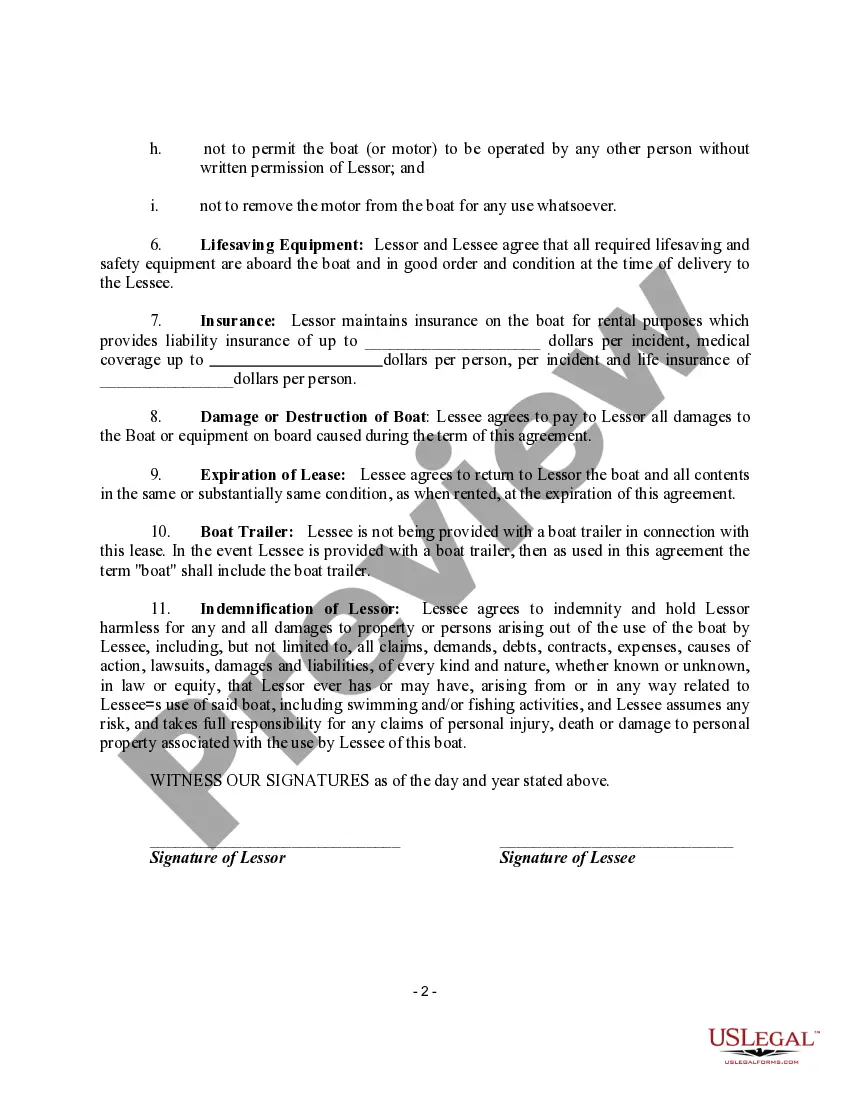
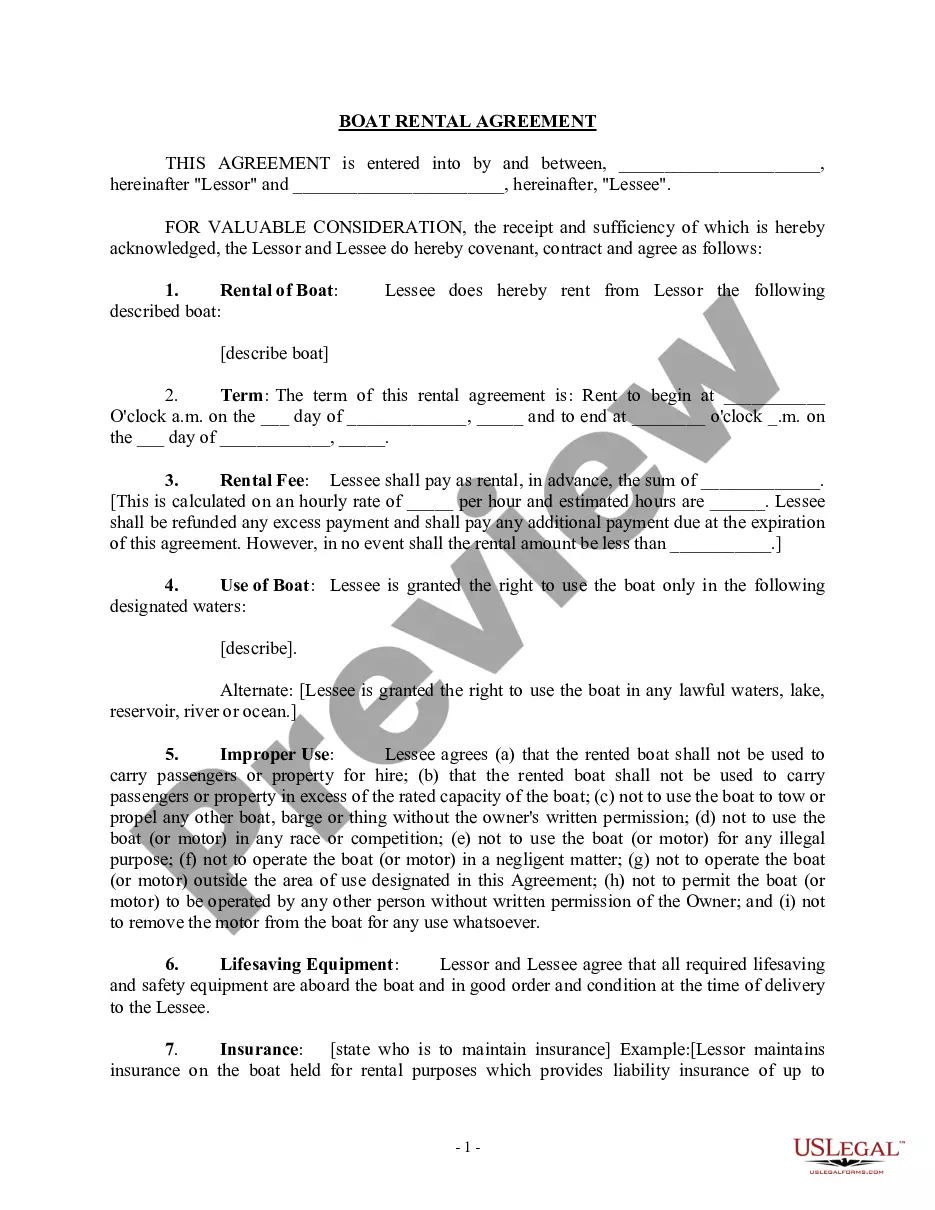
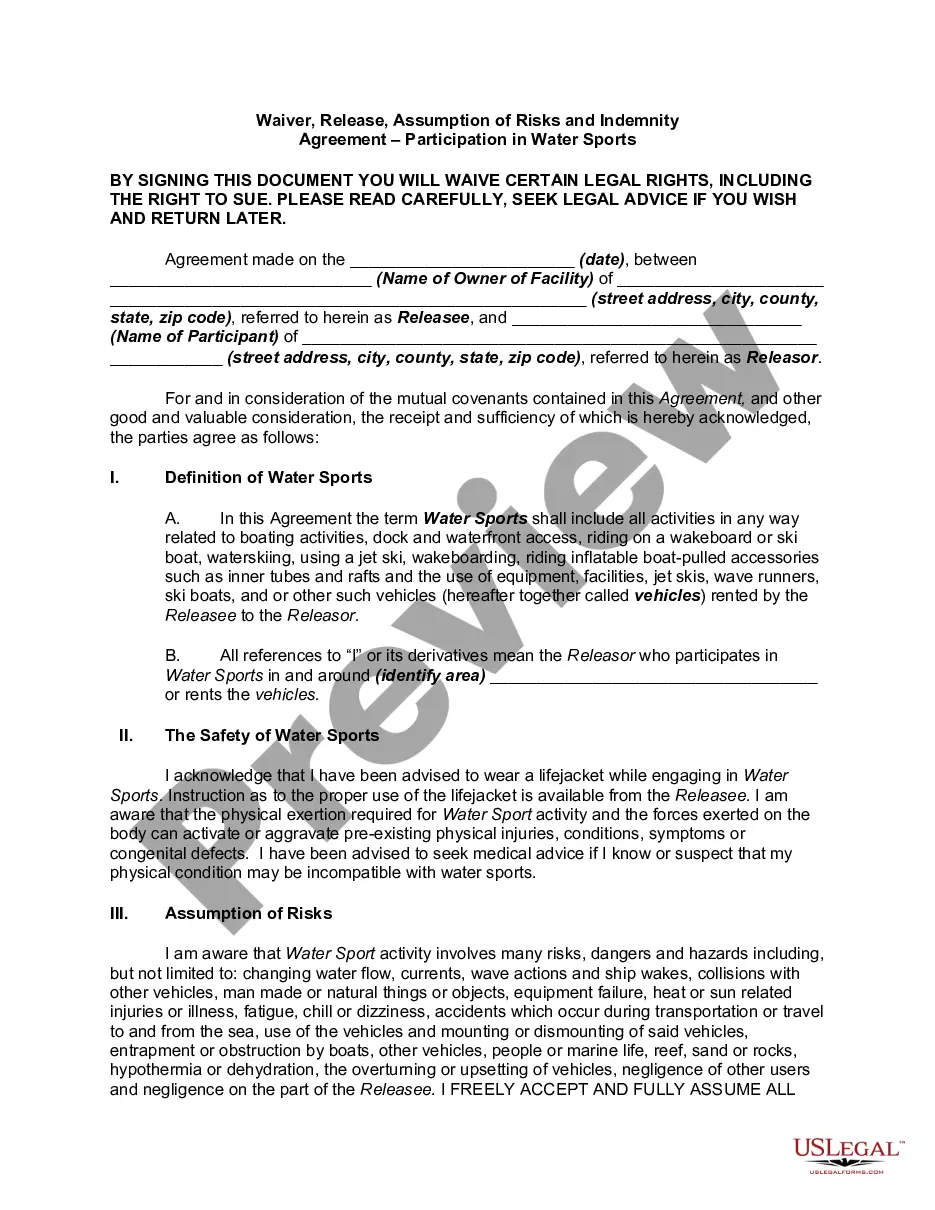
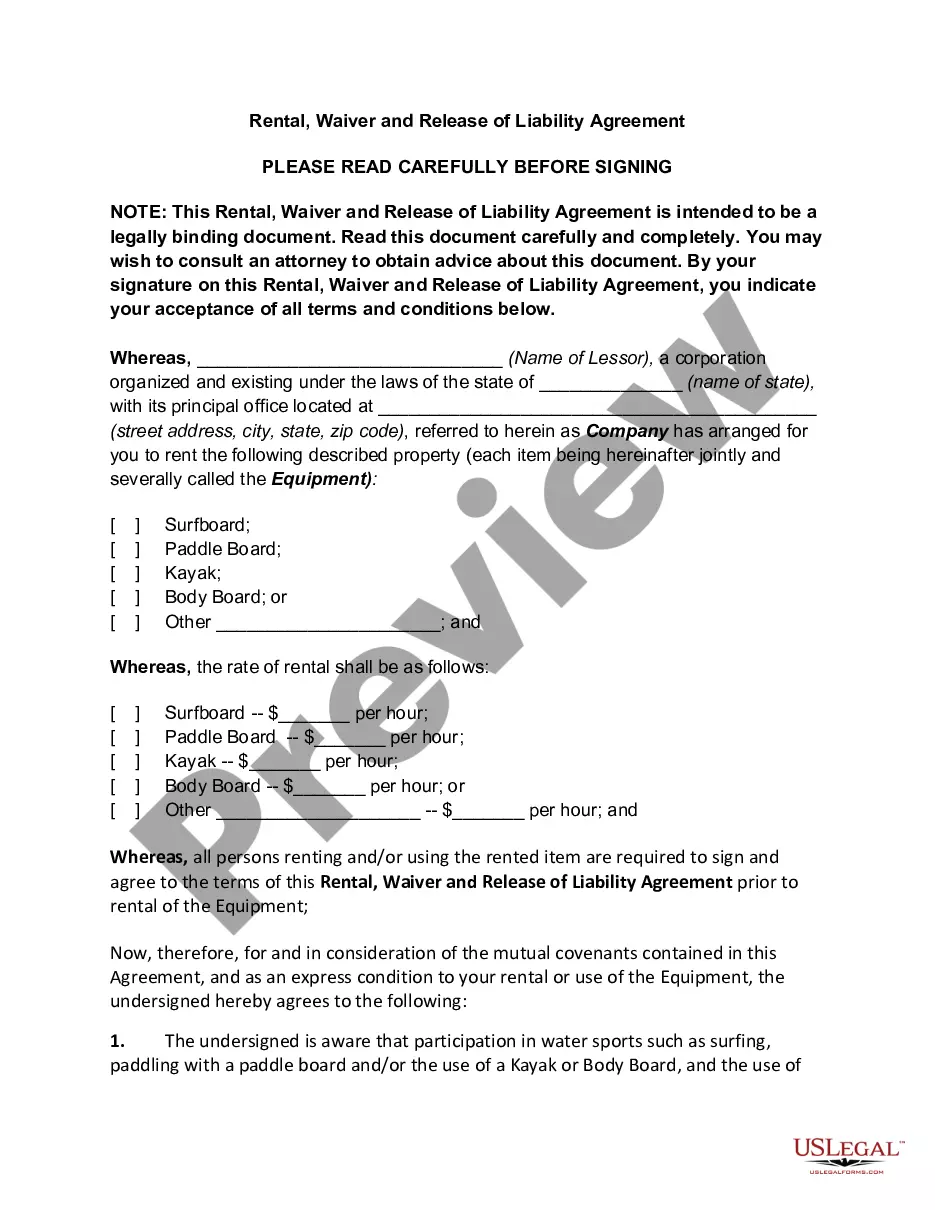
Get your form ready online
Our built-in tools help you complete, sign, share, and store your documents in one place.
Make edits, fill in missing information, and update formatting in US Legal Forms—just like you would in MS Word.
Download a copy, print it, send it by email, or mail it via USPS—whatever works best for your next step.
Sign and collect signatures with our SignNow integration. Send to multiple recipients, set reminders, and more. Go Premium to unlock E-Sign.
If this form requires notarization, complete it online through a secure video call—no need to meet a notary in person or wait for an appointment.
We protect your documents and personal data by following strict security and privacy standards.

Make edits, fill in missing information, and update formatting in US Legal Forms—just like you would in MS Word.

Download a copy, print it, send it by email, or mail it via USPS—whatever works best for your next step.

Sign and collect signatures with our SignNow integration. Send to multiple recipients, set reminders, and more. Go Premium to unlock E-Sign.

If this form requires notarization, complete it online through a secure video call—no need to meet a notary in person or wait for an appointment.

We protect your documents and personal data by following strict security and privacy standards.
Looking for another form?





Form popularity
FAQ
Most of us have heard the superstition: renaming a boat is bad luck. The warning comes from maritime folklore, which claims that neglecting to inform Neptune (god of the sea) and the wind deities can anger these elemental powers.
Start by calling the state with the HIN and giving them your story. They will usually give you the address for the last owner of record and you take it from there. You will have to get that person to apply for a lost title, then sign the boat over to you.
Complete Form MV-82B: This form is used for the transfer of ownership. It requires information about the buyer, seller, and the boat being transferred.
Boat Naming Traditions and Superstitions Traditionally, boats were named after women, and the naming ceremony took place before a ship's inaugural launch. While there's more freedom nowadays in what you can name your boat, many avid sailors still conduct a naming ceremony in keeping with age-old customs.
The U.S. Coast Guard, for instance, has few documentation regulations for the naming of vessels. Boat names must not be more than 33 characters. The name of the boat must not be identical, either literally or phonetically, to any word or words used to solicit assistance at sea (that rules out MayDay or similar names).
The U.S. Coast Guard, for instance, has few documentation regulations for the naming of vessels. Boat names must not be more than 33 characters. The name of the boat must not be identical, either literally or phonetically, to any word or words used to solicit assistance at sea (that rules out MayDay or similar names).
Boat names must not be more than 33 characters. It may not be identical, actually or phonetically, to any word or words used to solicit assistance at sea; may not contain or be phonetically identical to obscene, indecent, or profane language, or to racial or ethnic epithets.
