Personal Injury Release Agreement With Tenant In Washington
Description

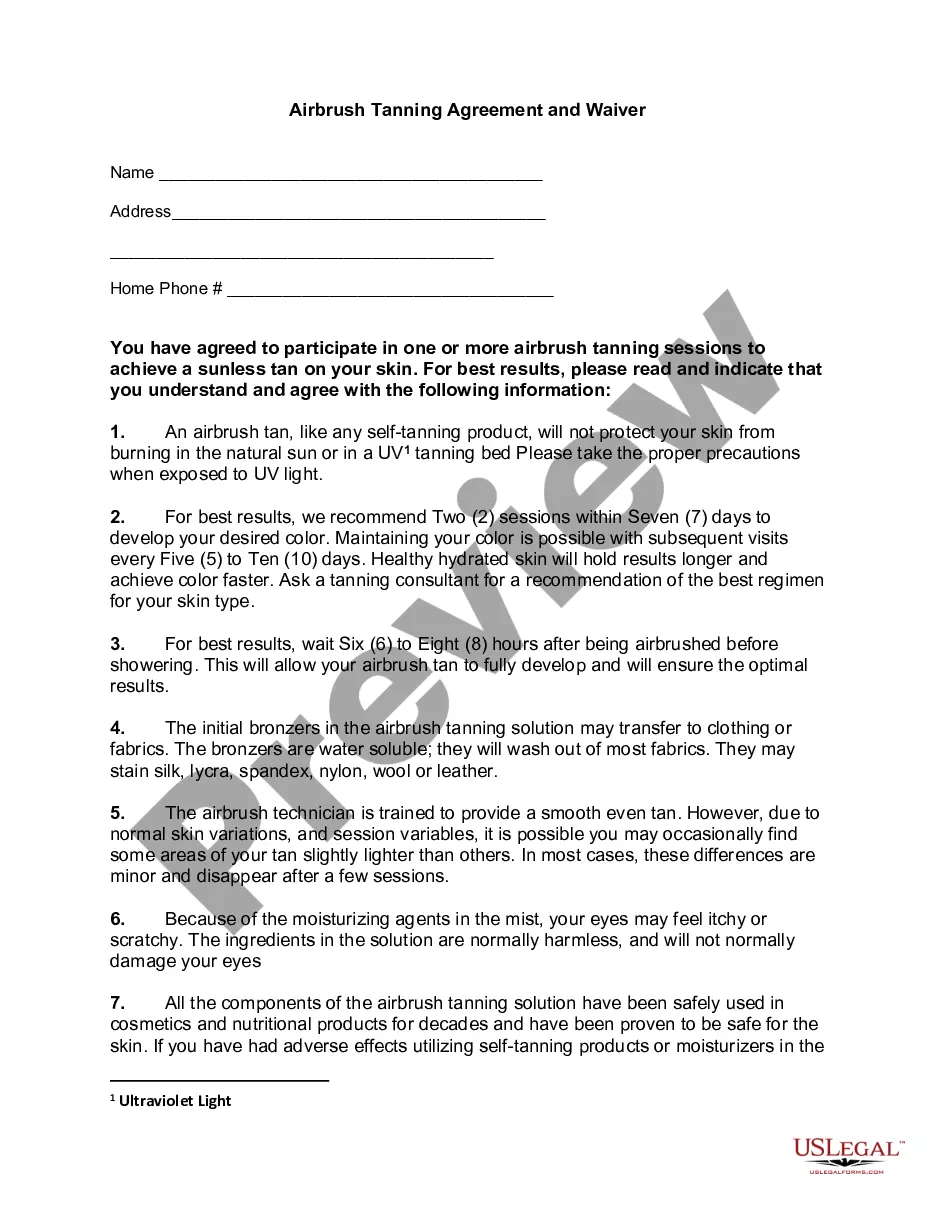
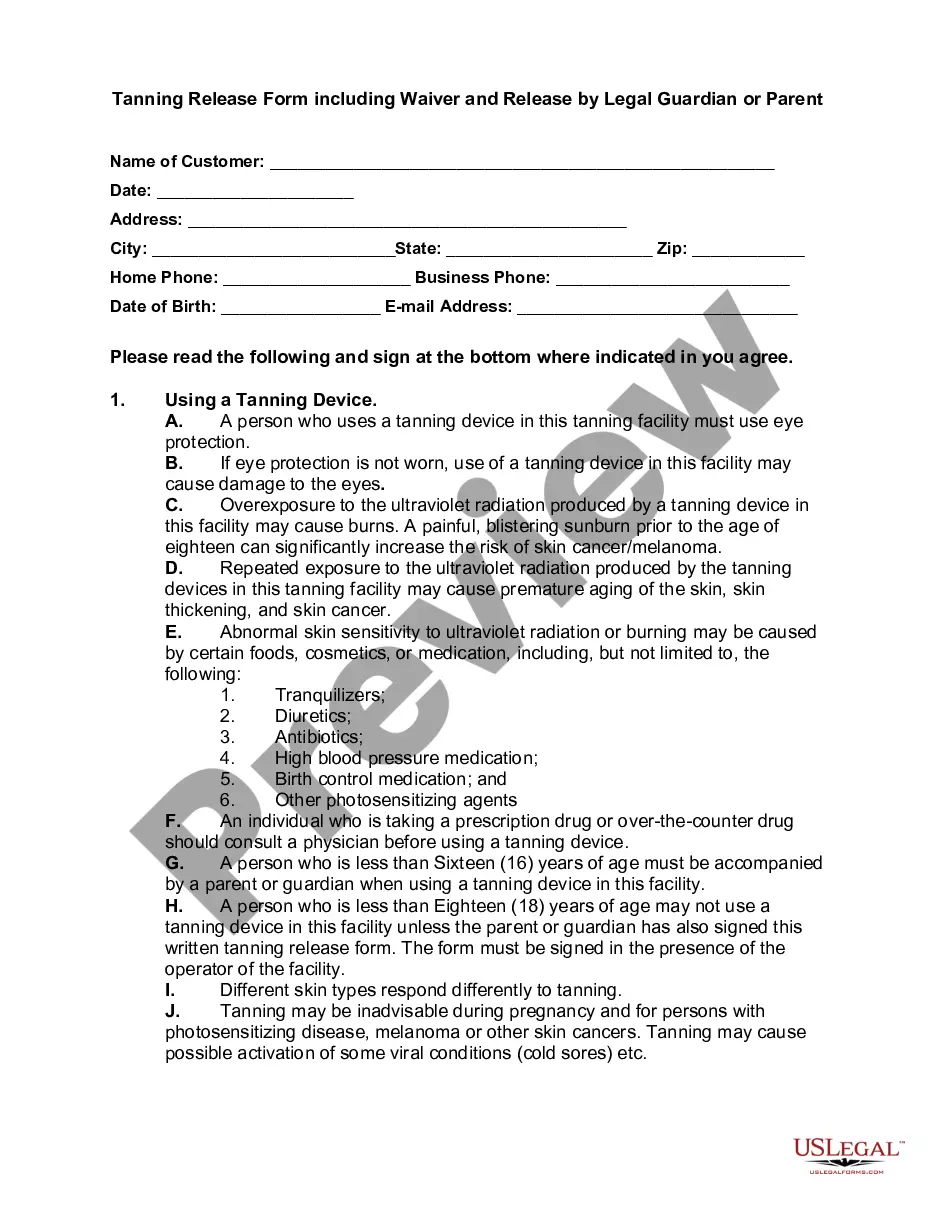
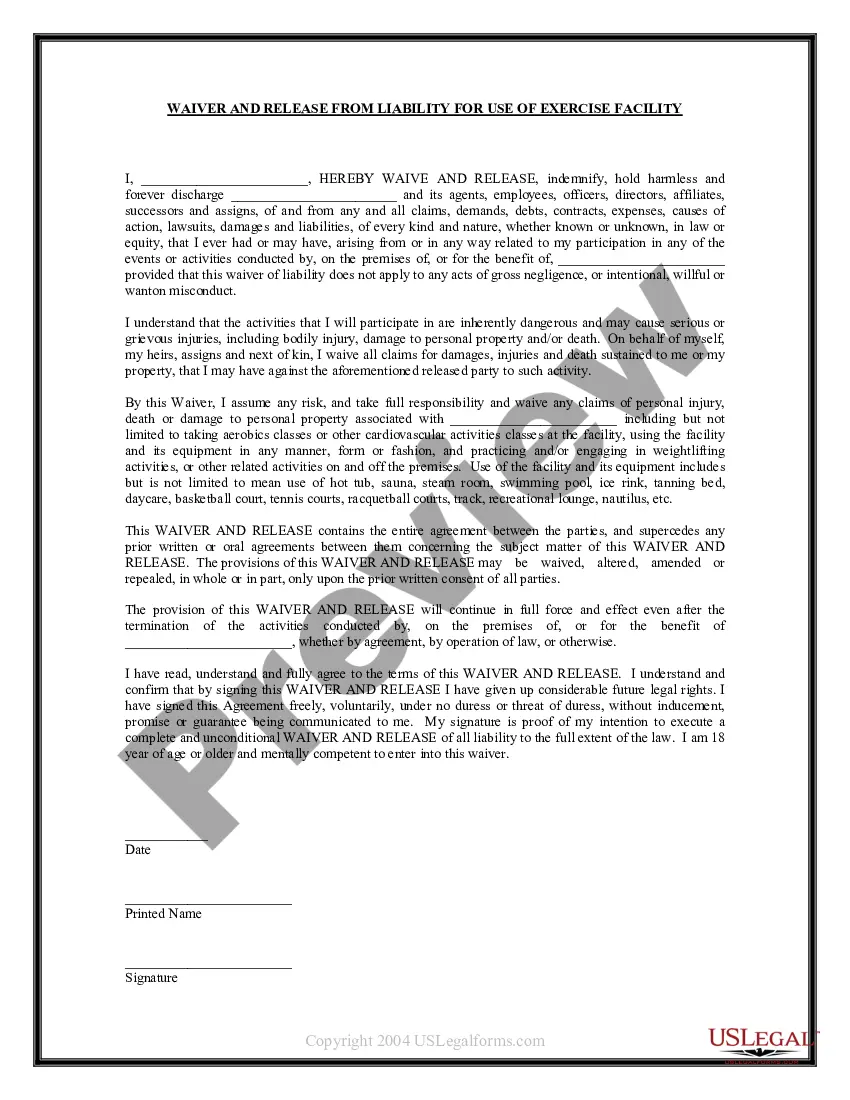
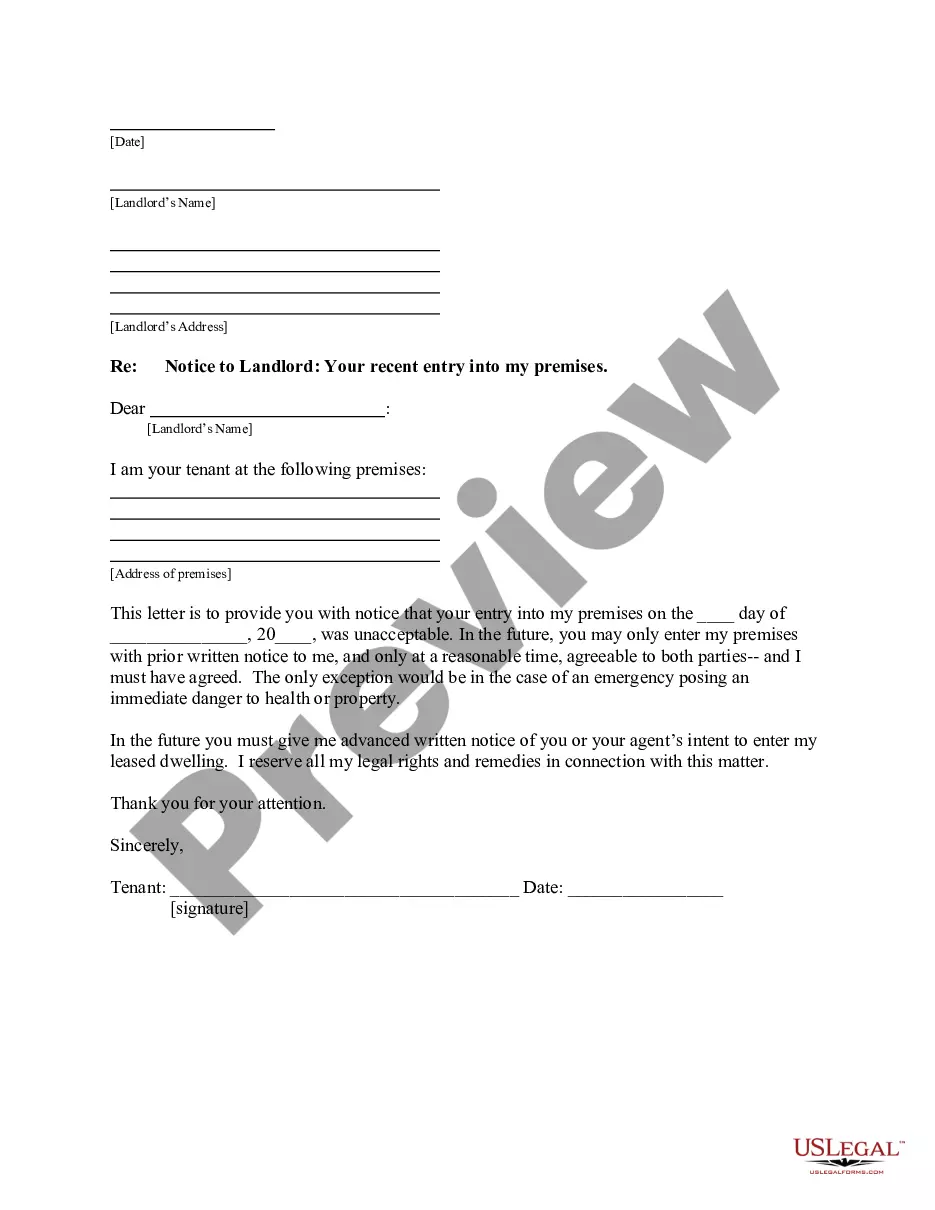
Get your form ready online
Our built-in tools help you complete, sign, share, and store your documents in one place.
Make edits, fill in missing information, and update formatting in US Legal Forms—just like you would in MS Word.
Download a copy, print it, send it by email, or mail it via USPS—whatever works best for your next step.
Sign and collect signatures with our SignNow integration. Send to multiple recipients, set reminders, and more. Go Premium to unlock E-Sign.
If this form requires notarization, complete it online through a secure video call—no need to meet a notary in person or wait for an appointment.
We protect your documents and personal data by following strict security and privacy standards.

Make edits, fill in missing information, and update formatting in US Legal Forms—just like you would in MS Word.

Download a copy, print it, send it by email, or mail it via USPS—whatever works best for your next step.

Sign and collect signatures with our SignNow integration. Send to multiple recipients, set reminders, and more. Go Premium to unlock E-Sign.

If this form requires notarization, complete it online through a secure video call—no need to meet a notary in person or wait for an appointment.

We protect your documents and personal data by following strict security and privacy standards.
Looking for another form?









Form popularity
FAQ
New laws affecting renters in Washington State in 2023 Within 30 days after a tenant moves out, the landlord must either return the full security deposit or give the tenant a written statement documenting why they kept some or all of it.
The sale of the property does not automatically end a lease or month- to-month rental agreement. When a rental unit is sold, tenants must be notified of the new owner's name and address, either by certified mail, or by a revised posting on the premises.
Washington State does not let landlords evict tenants without following the proper court eviction process. The landlord must give you a proper written "termination" notice before starting an eviction lawsuit. The 20-Day Notice is one type of this notice.
There is no rent control in Washington State. A landlord can raise the rent as much as they want in most situations. In any situation, you can try to negotiate with the landlord not to raise the rent for a certain period of time. If you and the landlord do agree to this, try to get it in writing.
Landlords are generally prohibited from locking a tenant out of the premises, from taking a tenant's property for nonpayment of rent (except for abandoned property under certain conditions), or from intentionally terminating a tenant's utility service. Various penalties exist for violating these protections.
Generally, the landlord must give you at least 2 days' written notice before entering your rental to make repairs or inspect the place. If the landlord wants to show the rental unit to a potential new tenant or buyer, the landlord only has to give you a 1 day written notice.
Landlords are generally prohibited from locking a tenant out of the premises, from taking a tenant's property for nonpayment of rent (except for abandoned property under certain conditions), or from intentionally terminating a tenant's utility service. Various penalties exist for violating these protections.
RCW 59.18. 230 that tenants cannot sign away their legal rights under the landlord-tenant act in a rental agreement. Your contract may require 30 days' notice or more, but it may be arguable that tenants can only be held to the 20 days notice legally required under state law in RCW 59.18. 200.