Bodily Injury Release Form Florida In Utah
Description

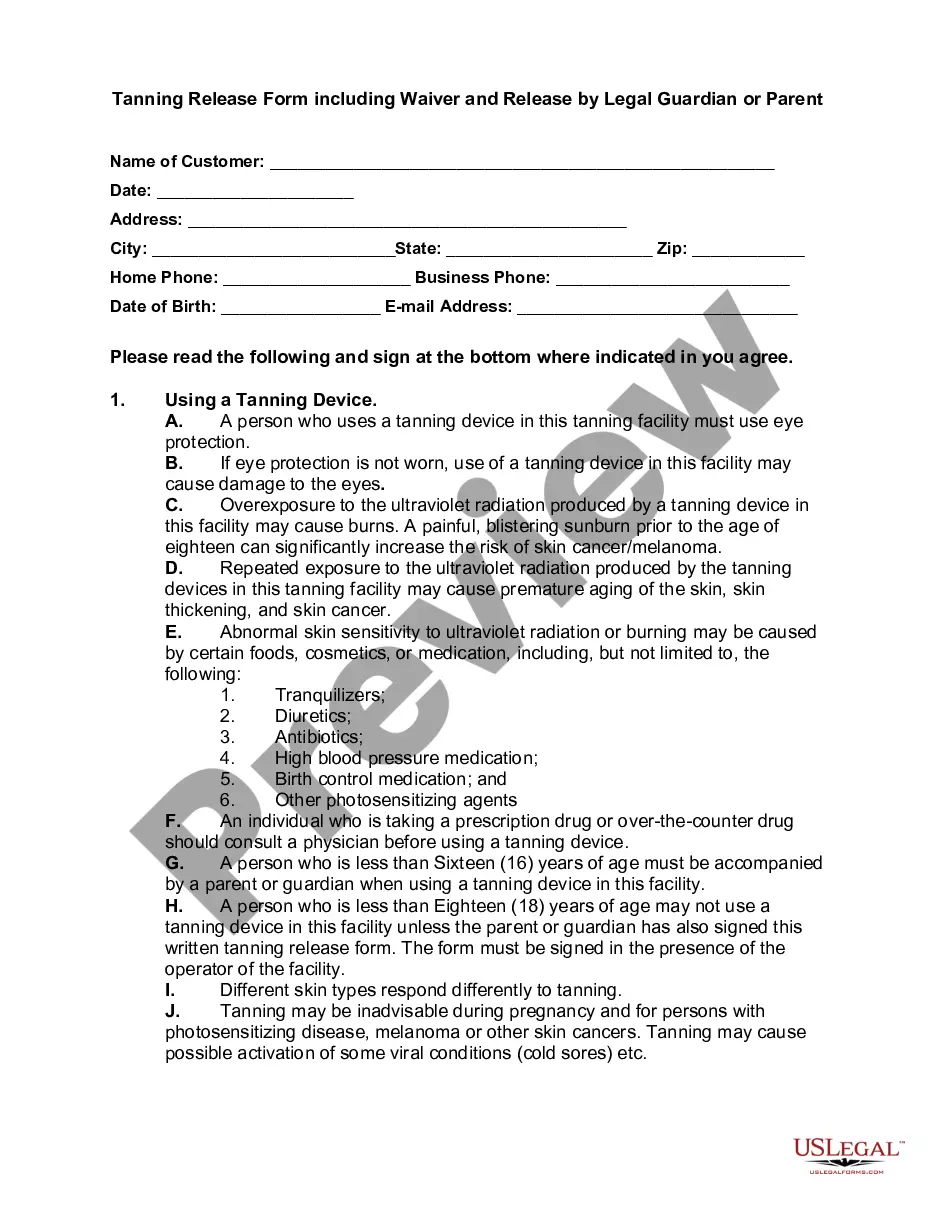
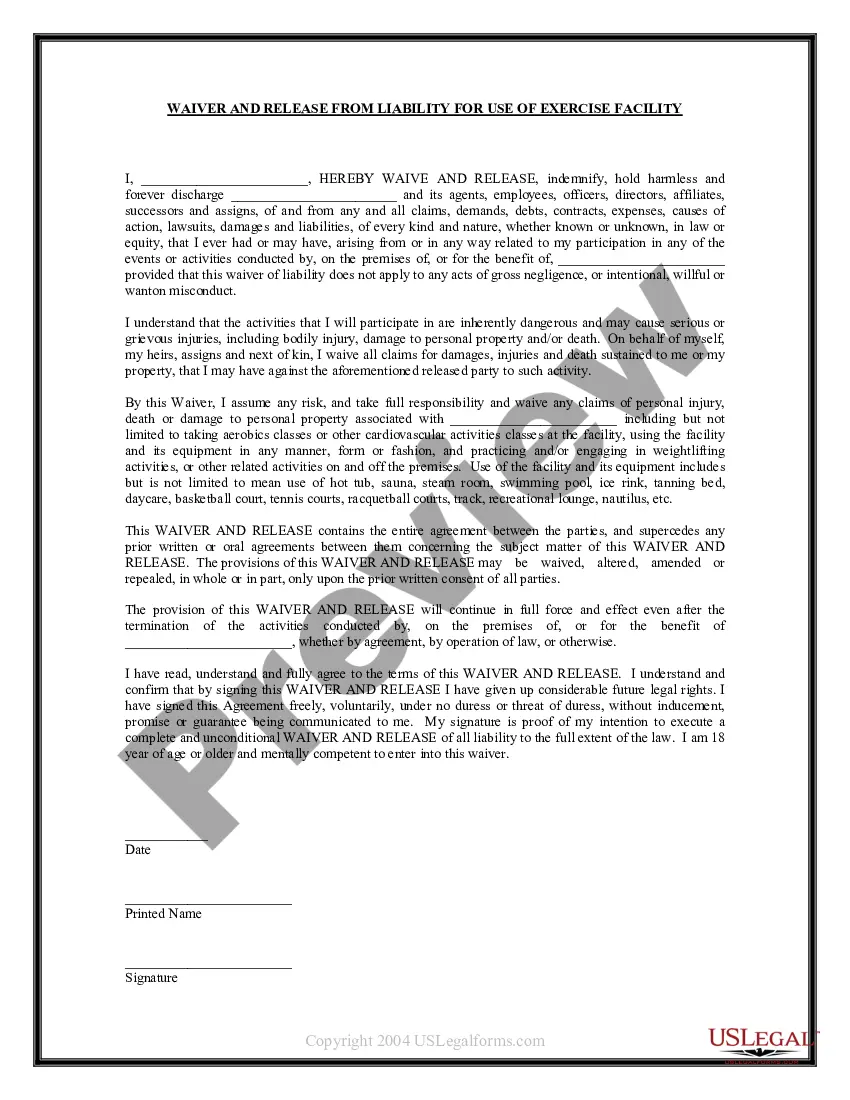
Get your form ready online
Our built-in tools help you complete, sign, share, and store your documents in one place.
Make edits, fill in missing information, and update formatting in US Legal Forms—just like you would in MS Word.
Download a copy, print it, send it by email, or mail it via USPS—whatever works best for your next step.
Sign and collect signatures with our SignNow integration. Send to multiple recipients, set reminders, and more. Go Premium to unlock E-Sign.
If this form requires notarization, complete it online through a secure video call—no need to meet a notary in person or wait for an appointment.
We protect your documents and personal data by following strict security and privacy standards.

Make edits, fill in missing information, and update formatting in US Legal Forms—just like you would in MS Word.

Download a copy, print it, send it by email, or mail it via USPS—whatever works best for your next step.

Sign and collect signatures with our SignNow integration. Send to multiple recipients, set reminders, and more. Go Premium to unlock E-Sign.

If this form requires notarization, complete it online through a secure video call—no need to meet a notary in person or wait for an appointment.

We protect your documents and personal data by following strict security and privacy standards.
Looking for another form?




Form popularity
FAQ
You can file claims for excess damages beyond the policy limits by filing a lawsuit against more than one defendant, using an umbrella insurance policy, and approaching the defendant in a personal capacity for collection.
California law expressly provides for discovery of information about the evidence and contents of any insurance agreement under which a carrier may be liable to satisfy all or part of a potential judgement or to indemnify or reimburse payments made to satisfy the judgment.
A policy limit demand is a formal request made by a claimant to an insurance company to settle a claim for the full amount of the policy limits.
California Insurance Code § 791.13(a) requires the insured to provide written consent before disclosing policy limits in response to a pre-litigation request. When you ask for policy limits, the insurance company should ask the insured for permission to disclose them.
Unfortunately, Florida is a state that does not require bodily injury liability bil in most instances. Bodily injury liability coverage is that coverage found on automobile insurance policies that will cover the at-fault vehicle's owner or driver for damages caused to others as a result of a car accident.
To find out someone's insurance policy limits in California, you may: Ask them: But be careful — they may not know or provide correct information. Ask the insurance company: In California, the insurer must ask the insured for permission to disclose the information. File a lawsuit: They must tell you in discovery.
Florida does not require any bodily injury liability insurance unless you've been in a car accident or committed certain traffic violations. Many states do require their residents to have bodily injury liability coverage to drive, but Florida does not.
The rules further state that the insurer has a 30-day timeframe to accept or deny your claim. However, if the investigation cannot be completed within that time, the company is allowed additional time to complete their investigation.
Bodily injury liability coverage (BIL) is generally not required in Florida. However, if you have been convicted of a DUI, BIL is required for a period of three years after your license has been reinstated.
In Florida, driving without insurance is a serious offense that can lead to hefty fines, license suspensions, and even imprisonment. If you are caught driving without insurance, you could be facing serious consequences.
