Personal Injury Waiver Form Canada In Queens
Description

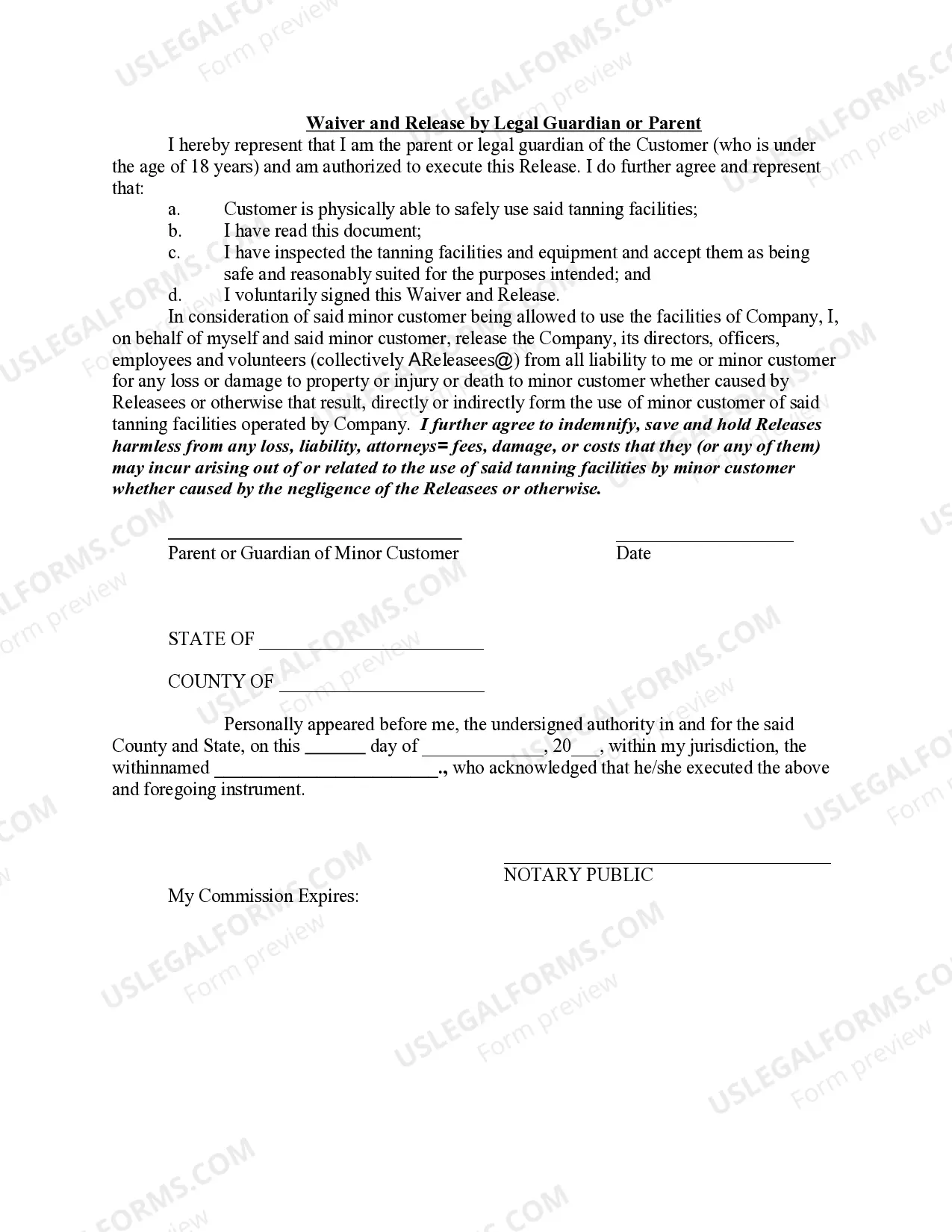
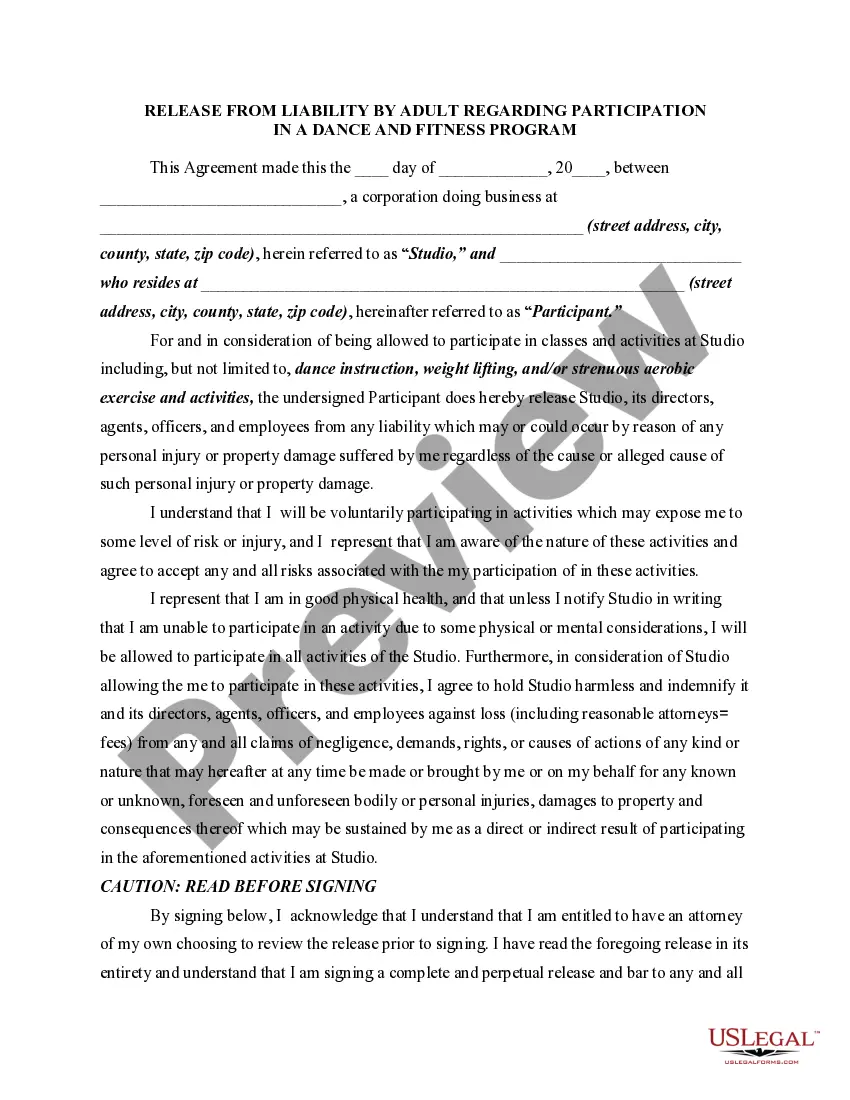
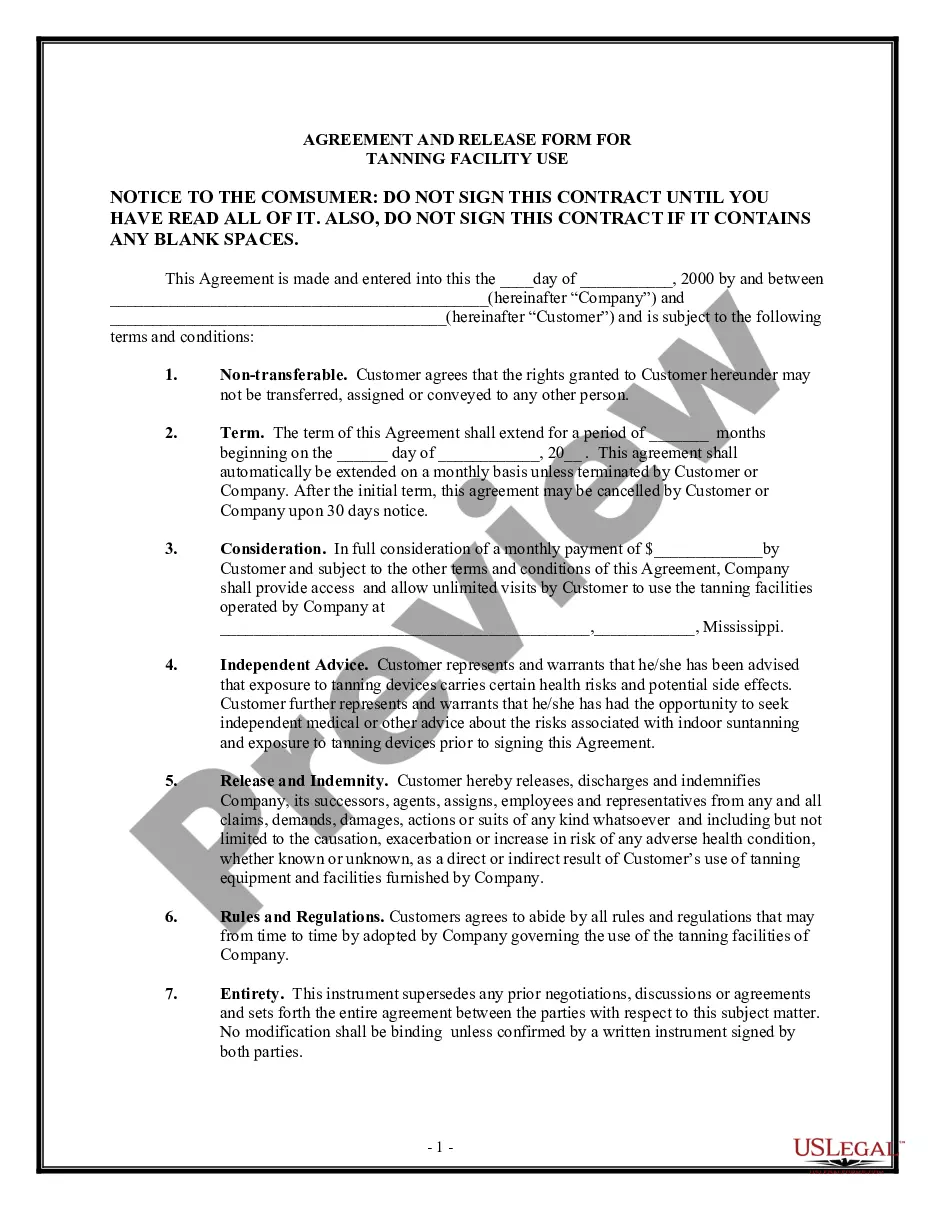
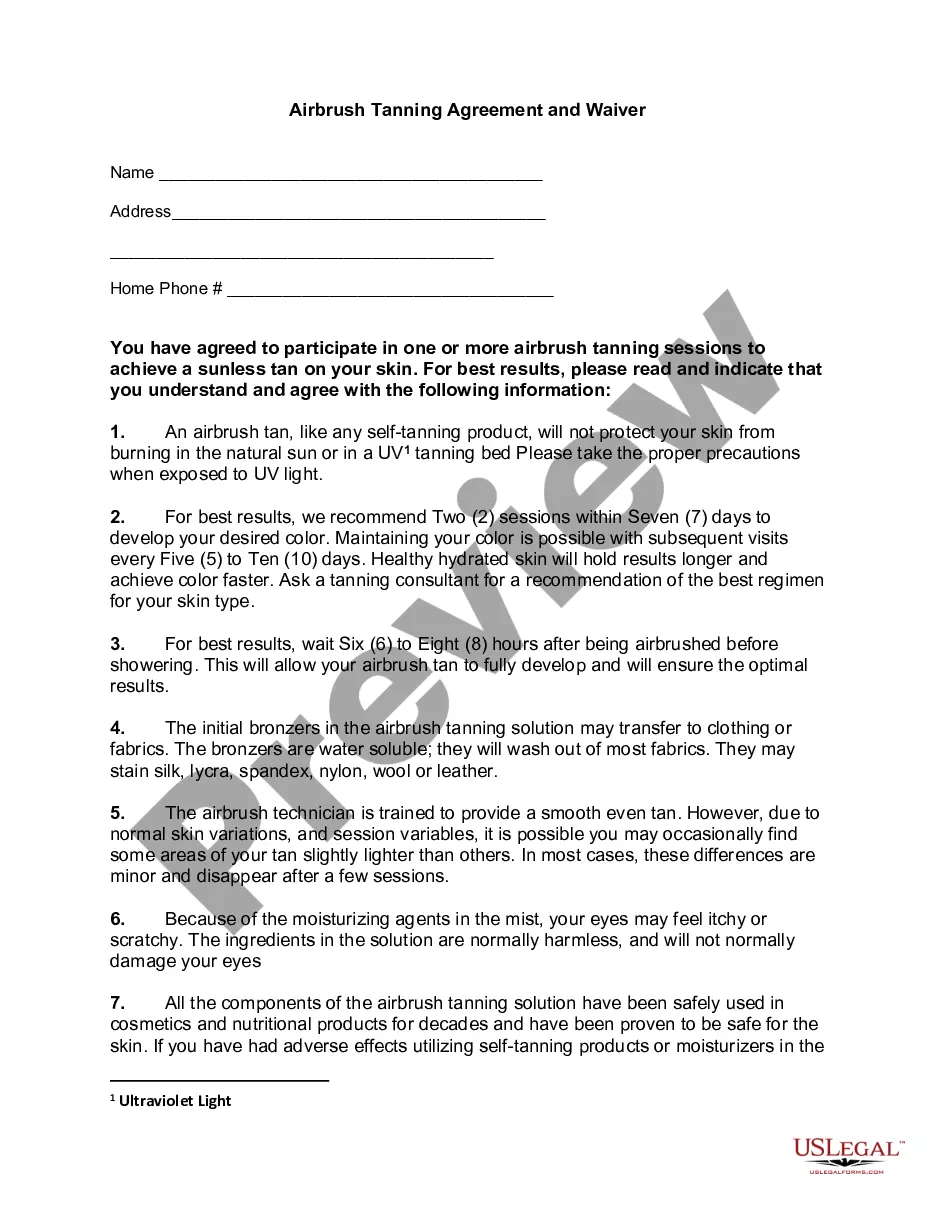
Get your form ready online
Our built-in tools help you complete, sign, share, and store your documents in one place.
Make edits, fill in missing information, and update formatting in US Legal Forms—just like you would in MS Word.
Download a copy, print it, send it by email, or mail it via USPS—whatever works best for your next step.
Sign and collect signatures with our SignNow integration. Send to multiple recipients, set reminders, and more. Go Premium to unlock E-Sign.
If this form requires notarization, complete it online through a secure video call—no need to meet a notary in person or wait for an appointment.
We protect your documents and personal data by following strict security and privacy standards.

Make edits, fill in missing information, and update formatting in US Legal Forms—just like you would in MS Word.

Download a copy, print it, send it by email, or mail it via USPS—whatever works best for your next step.

Sign and collect signatures with our SignNow integration. Send to multiple recipients, set reminders, and more. Go Premium to unlock E-Sign.

If this form requires notarization, complete it online through a secure video call—no need to meet a notary in person or wait for an appointment.

We protect your documents and personal data by following strict security and privacy standards.
Looking for another form?

Form popularity
FAQ
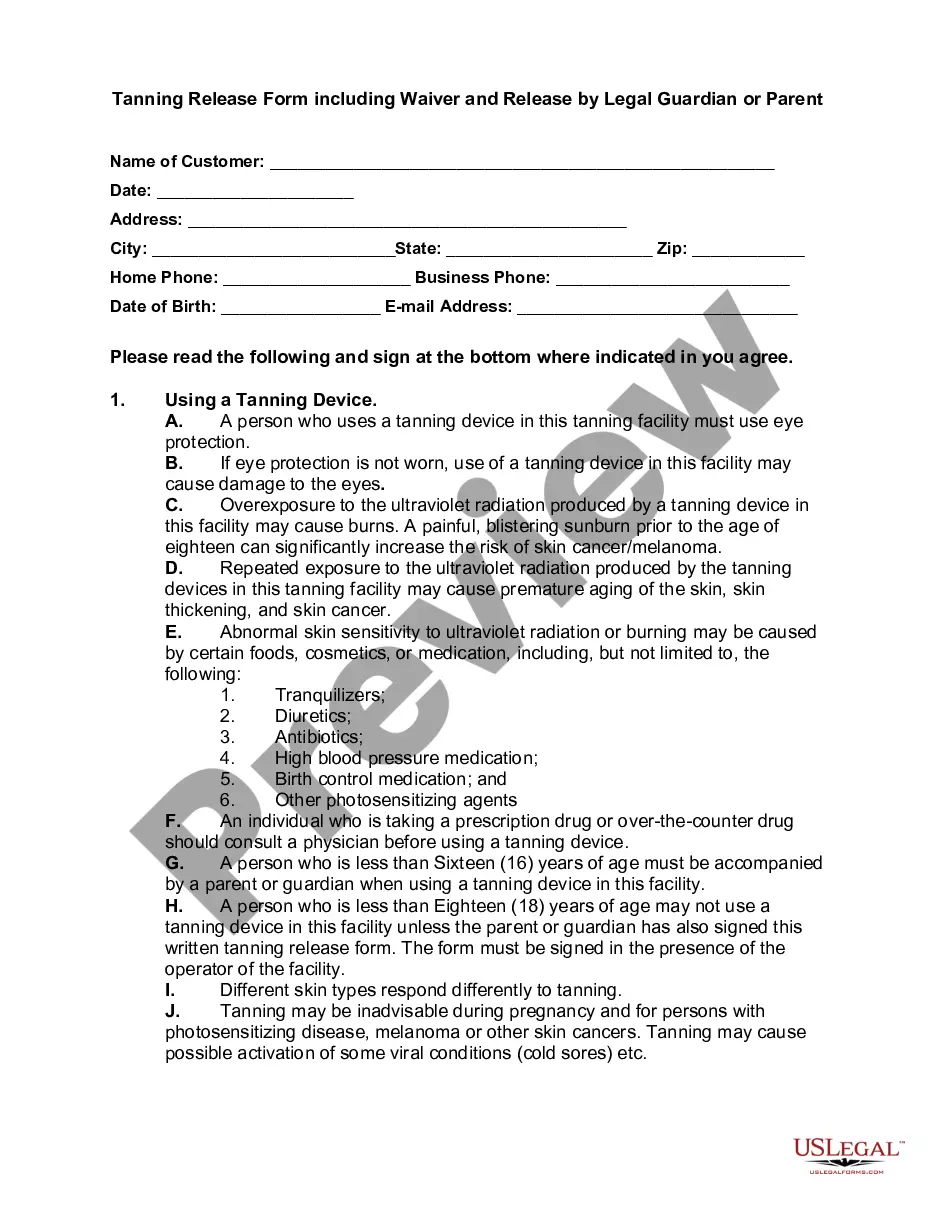
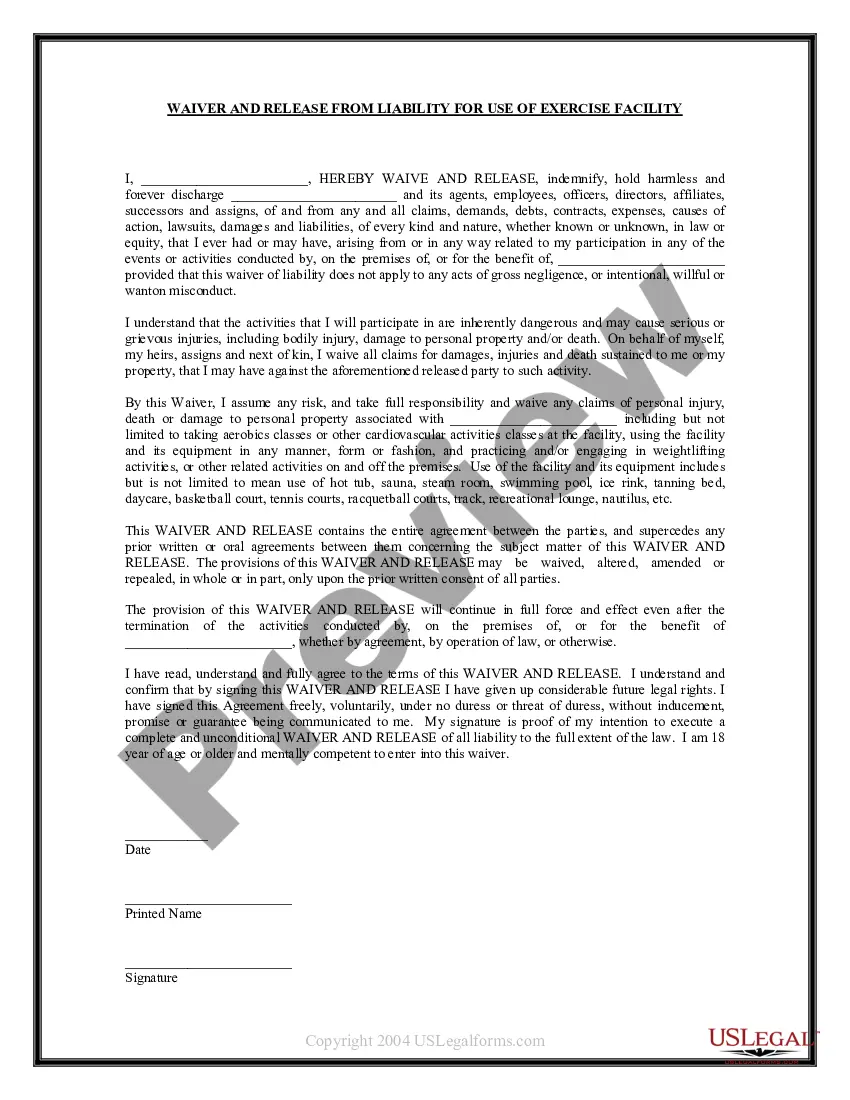
I have signed this WAIVER AND RELEASE freely, voluntarily, under no duress or threat of duress, without inducement, promise, or guarantee being communicated to me. My signature is proof of my intention to execute a complete and unconditional WAIVER AND RELEASE of all liability to the full extent of the law.
When you write a letter of waiver, make sure: You use formal language. You choose your words wisely. Clearly lay out the reasons for your waiver. Your reasons for the waiver are valid. Acknowledge the reader and thank them for their time. Proofread your letter before submitting it. You stick only to the facts.
TORONTO, April 20, 2021 /CNW/ - Liability waivers are legal documents with the potential of providing comprehensive protection against liability for your business. However, there are strict standards that a waiver must meet if your business is to enjoy its efficacy.
How to write a waiver Introductory statement. The introductory statement of a waiver serves to clarify its purpose and the parties involved. Summary of risks. Assumption of risks. Release clause. Indemnification clause. Governing law. Consent and signature.
Include important fields on your waiver agreement such as contact information, permission from a legal guardian, acknowledgment of physical activity, terms of the liability release form, waiver of personal injury legal action, and more.
If the other party's negligence or recklessness caused your injury, you may have grounds to file an injury claim. Remember, signing a waiver doesn't mean surrendering all your rights. Personal injury lawyers understand the nuances of liability waivers and can help you to make an informed decision.
Key Takeaways On How To Write A Waiver Choose a waiver template. Determine the type of activity or service. State the purpose of the waiver. Identify the risks. Include a title. Include customer information. Include waiver terms. Include a statement of understanding.
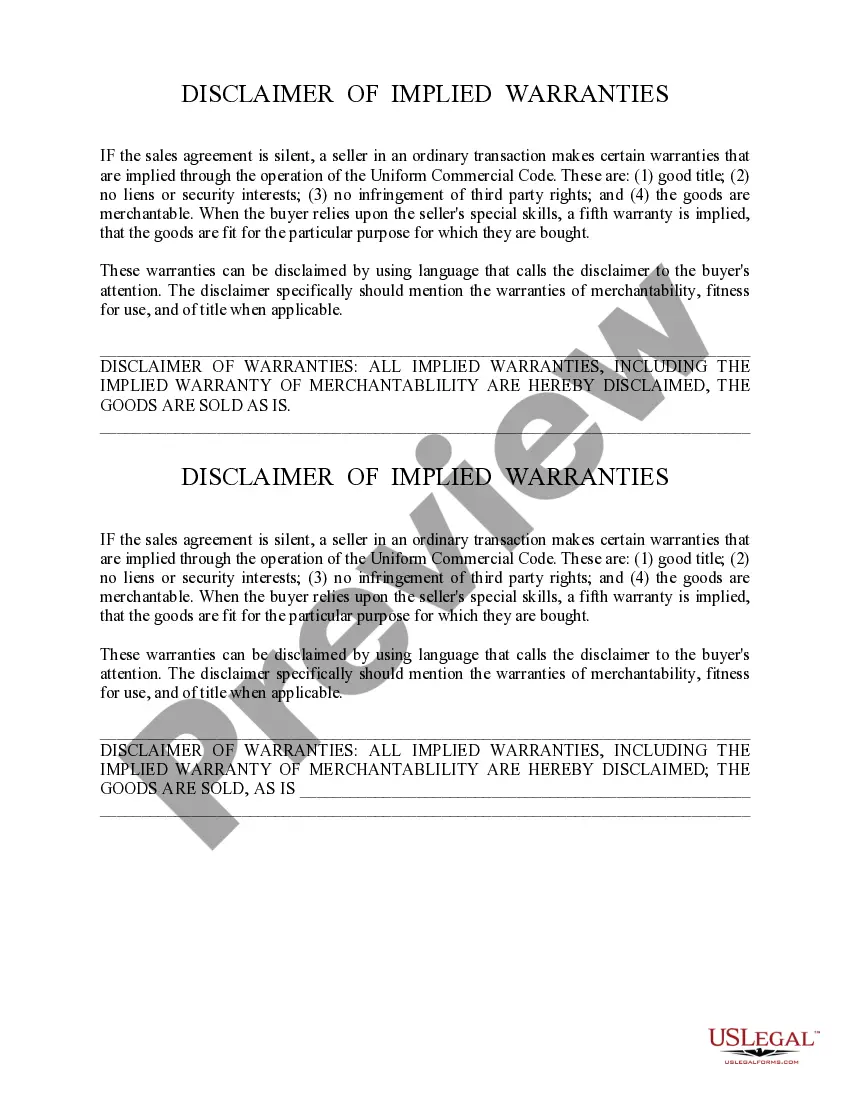
A waiver is legal document releasing or relinquishing a known right, claim, or privilege. In this context, it is the relinquishment to pursue a claim in a certain set of defined circumstances. Informed consent is a written acknowledgement that a participant understands the risks inherent in a particular activity.
An Informed Consent is an alternative to a waiver. Parties signing this document are only consenting to the known and foreseeable physical risks inherent in the activity and not to the legal risks of negligence. Informed consents can be a good deterrent to legal action.
