Personal Injury Release Agreement With Tenant In Queens
Description

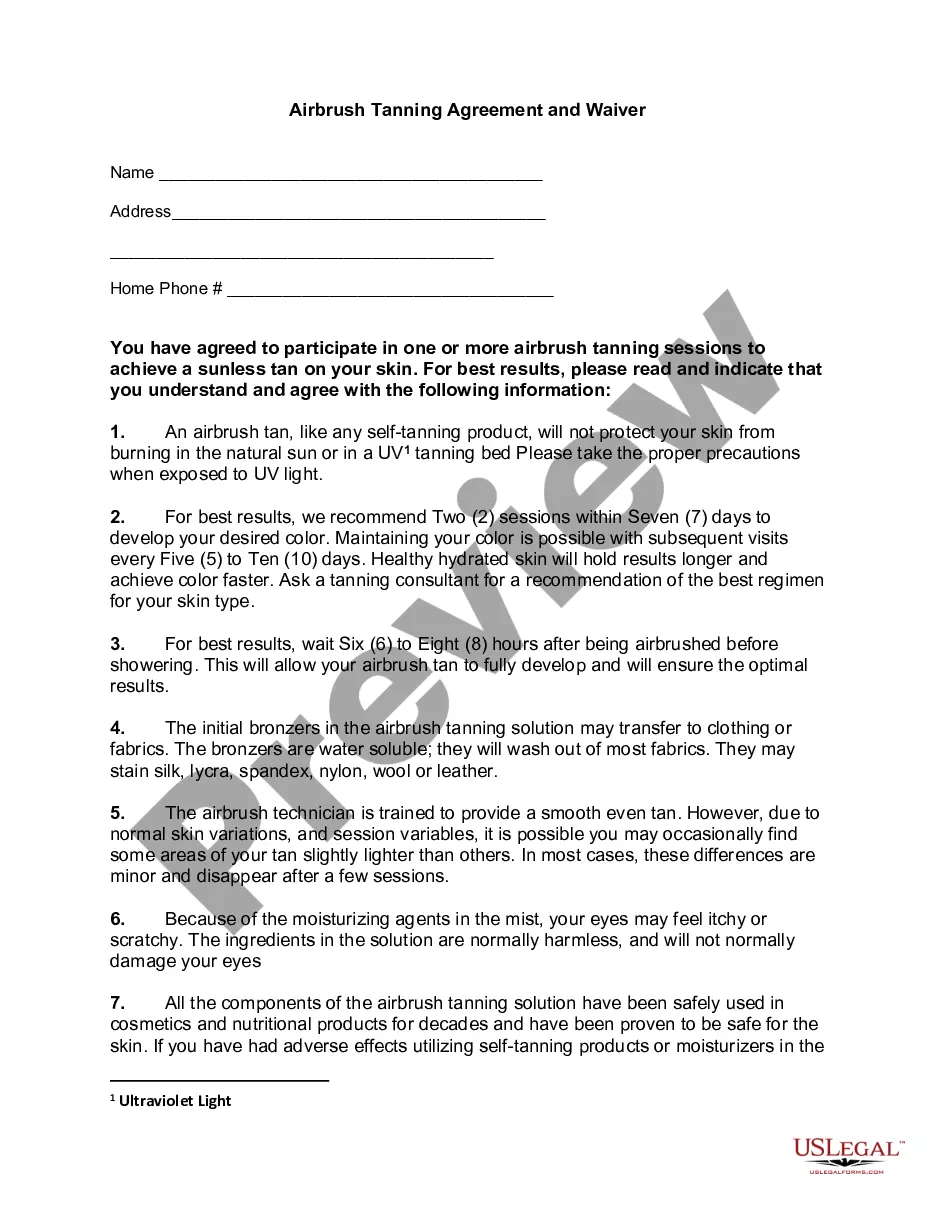
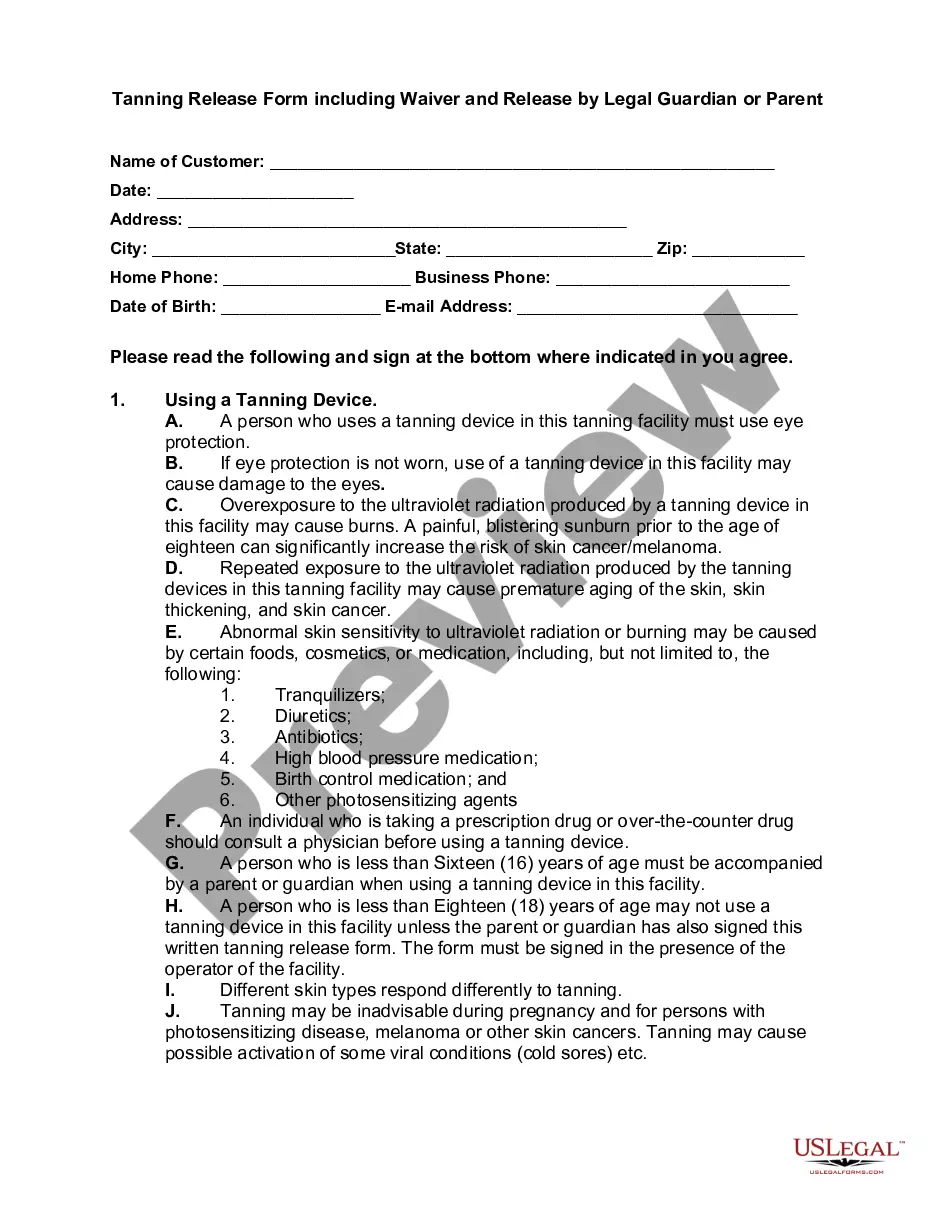
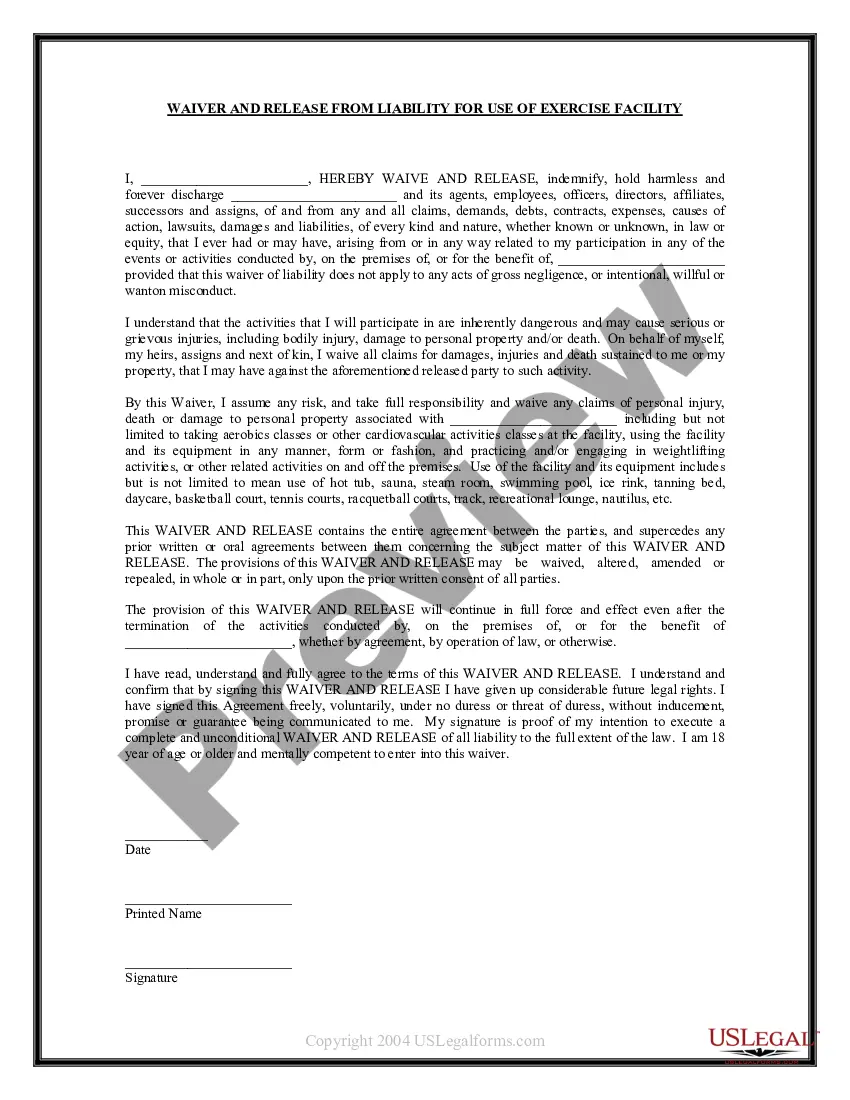
Get your form ready online
Our built-in tools help you complete, sign, share, and store your documents in one place.
Make edits, fill in missing information, and update formatting in US Legal Forms—just like you would in MS Word.
Download a copy, print it, send it by email, or mail it via USPS—whatever works best for your next step.
Sign and collect signatures with our SignNow integration. Send to multiple recipients, set reminders, and more. Go Premium to unlock E-Sign.
If this form requires notarization, complete it online through a secure video call—no need to meet a notary in person or wait for an appointment.
We protect your documents and personal data by following strict security and privacy standards.

Make edits, fill in missing information, and update formatting in US Legal Forms—just like you would in MS Word.

Download a copy, print it, send it by email, or mail it via USPS—whatever works best for your next step.

Sign and collect signatures with our SignNow integration. Send to multiple recipients, set reminders, and more. Go Premium to unlock E-Sign.

If this form requires notarization, complete it online through a secure video call—no need to meet a notary in person or wait for an appointment.

We protect your documents and personal data by following strict security and privacy standards.
Looking for another form?









Form popularity
FAQ
Your landlord must return your security deposit within 14 days of you moving out.
Termination date: The law says, the termination date must be effective no earlier than thirty days after the date on which the next rental payment is due (after the notice is delivered). The notice is considered delivered five days after mailing.
Under New York law, landlords have 14 days after the tenant vacates the property to either return the full security deposit or provide an itemized statement indicating any deductions made from the deposit.
If you are injured because of another person's negligence, recklessness, or carelessness in New York, you generally have three years to file a personal injury lawsuit against the at-fault party, ing to the New York Civil Practice Law & Rules (CVP) §214.
Landlords may not take the law into their own hands and evict a tenant by use of force or unlawful means. For example, a landlord cannot use threats of violence, remove a tenant's possessions, lock the tenant out of the apartment, or willfully discontinue essential services such as water or heat.
This law provides certain protections for tenants and responsibilities for landlords when dealing with security deposits. Some key provisions of Section 7-103 include: Landlords cannot demand a security deposit that is more than 1 month's rent for an unfurnished apartment or 2 month's rent for a furnished apartment.
You may refuse entry to a landlord if they do not give proper notice for a visit, or if they try to enter for any reason beyond the five valid ones listed below. These rights cannot be waived — they still apply if your lease says otherwise, or if you don't have a lease.
The statute of limitations is different for every type of lawsuit, but the personal injury statute of limitations in New York is generally 3 years from the date you were injured or the date you were diagnosed with the injury.
Under New York State's Rent Regulation Laws, harassment is defined as conduct by a landlord that directly or indirectly interferes with, or is intended to interfere with, your privacy, comfort, and enjoyment of your dwelling.