Sample Retainer Agreement For Personal Injury In Pima
Description

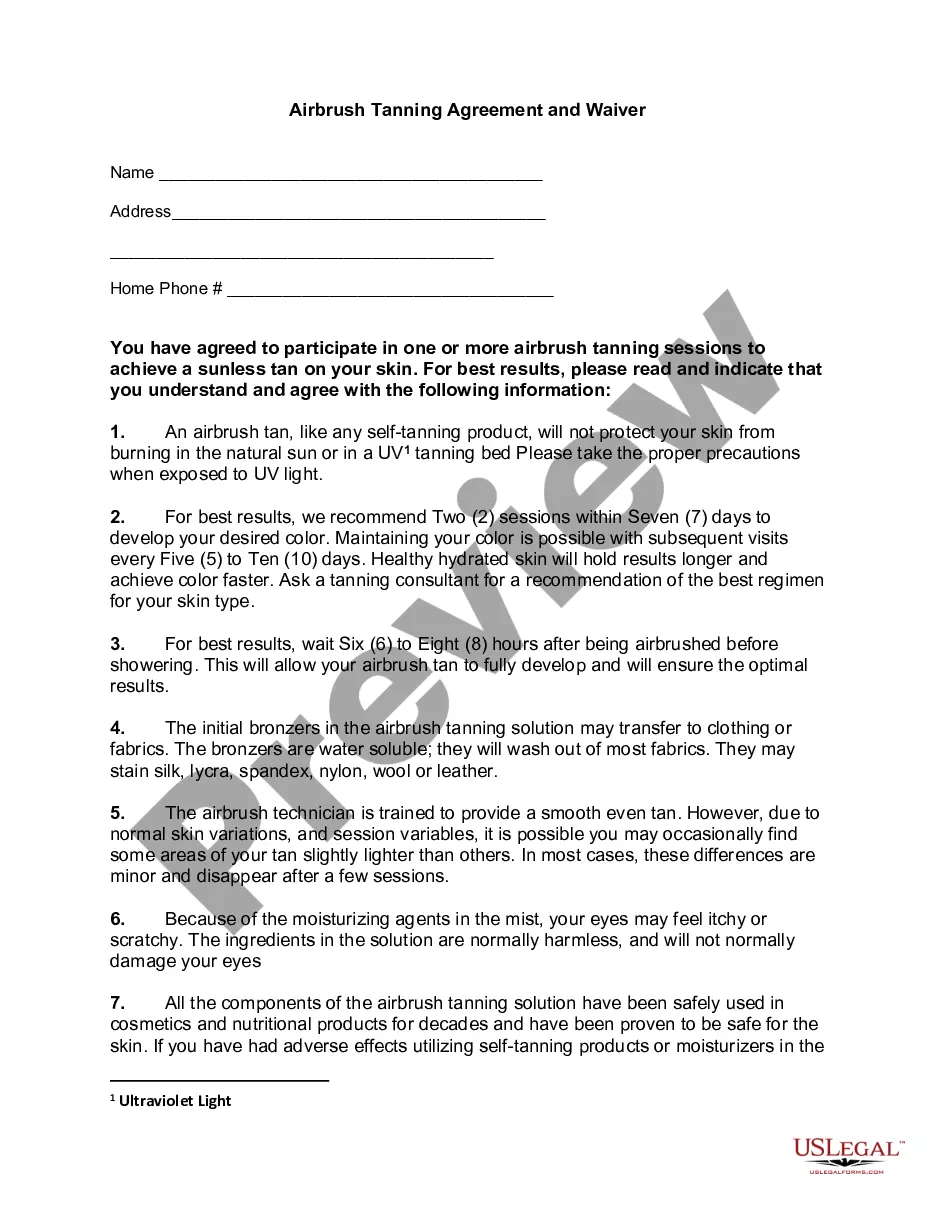
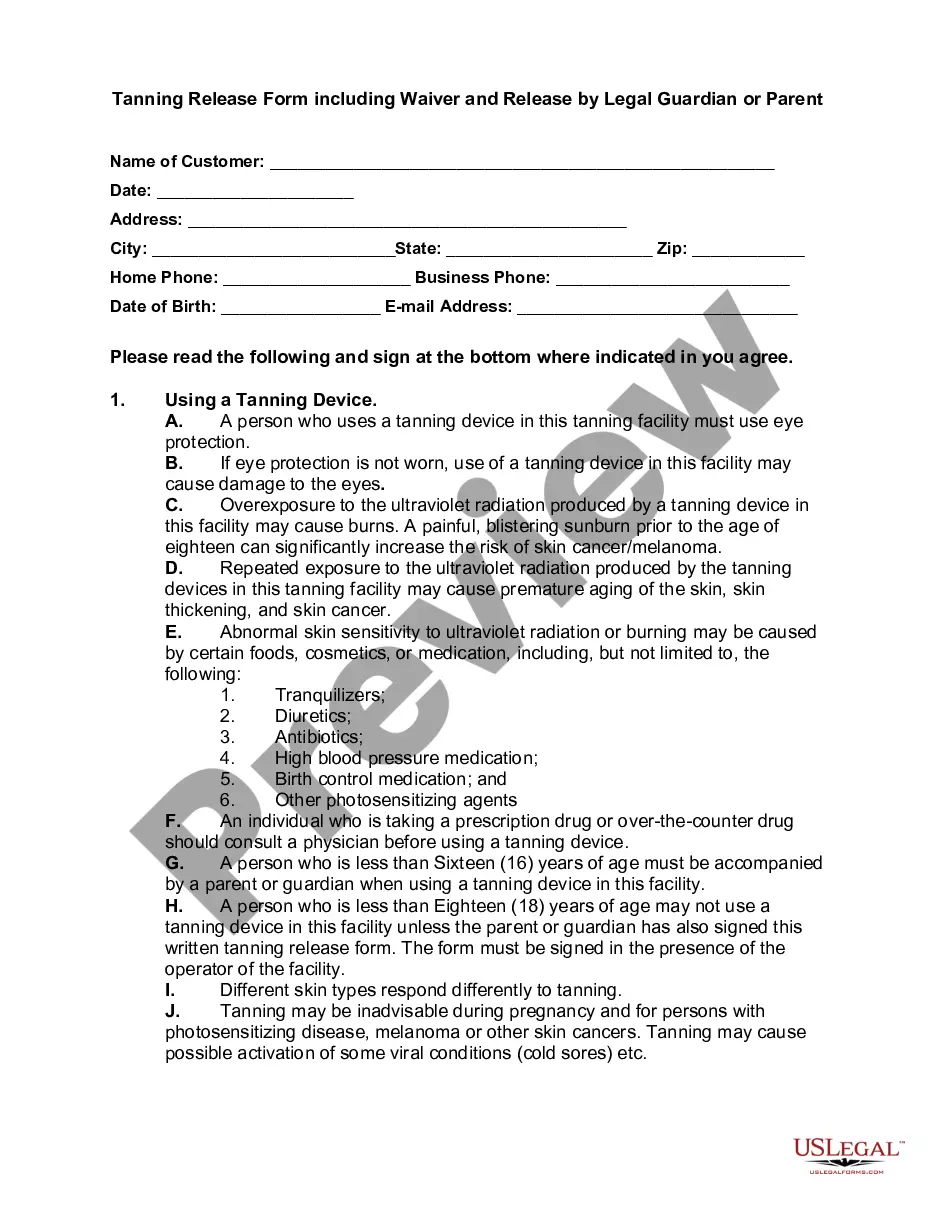
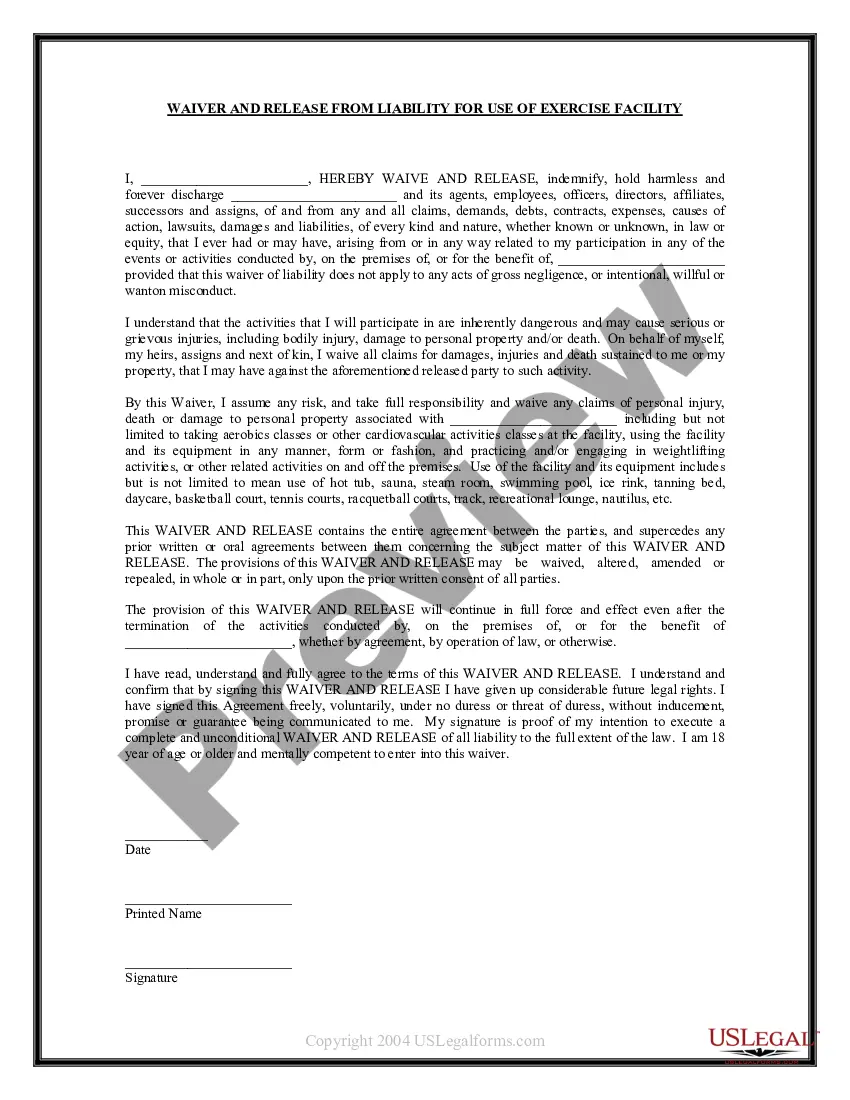
Get your form ready online
Our built-in tools help you complete, sign, share, and store your documents in one place.
Make edits, fill in missing information, and update formatting in US Legal Forms—just like you would in MS Word.
Download a copy, print it, send it by email, or mail it via USPS—whatever works best for your next step.
Sign and collect signatures with our SignNow integration. Send to multiple recipients, set reminders, and more. Go Premium to unlock E-Sign.
If this form requires notarization, complete it online through a secure video call—no need to meet a notary in person or wait for an appointment.
We protect your documents and personal data by following strict security and privacy standards.

Make edits, fill in missing information, and update formatting in US Legal Forms—just like you would in MS Word.

Download a copy, print it, send it by email, or mail it via USPS—whatever works best for your next step.

Sign and collect signatures with our SignNow integration. Send to multiple recipients, set reminders, and more. Go Premium to unlock E-Sign.

If this form requires notarization, complete it online through a secure video call—no need to meet a notary in person or wait for an appointment.

We protect your documents and personal data by following strict security and privacy standards.
Looking for another form?






Form popularity
FAQ
The pre-action protocol can result in the decision you are challenging being overturned. Note that the Home Office can partly concede the claim. If the decision is maintained, or no response is received within the specified timeframe, you can then submit an application for permission to apply for judicial review.
So, personal injury pre-action protocol defines the conduct that is expected specifically of parties that are dealing with a personal injury claim. This means that everybody communicates clearly, openly, and in good faith, sharing information and investigating all aspects of the claim as thoroughly as possible.
The Protocol promotes the practice of the claimant obtaining a medical report, disclosing it to the defendant who then asks questions and/or agrees it and does not obtain their own report. The Protocol provides for nomination of the expert by the claimant in personal injury claims.
The pre-action protocol states that the Home Office should usually respond to your letter within 14 days. If they fail to do this, this will be taken into account and sanctions could be imposed unless there are good reasons for them not issuing a response in time.
Special damages compensate for financial losses that have been directly incurred because of the accident. This generally includes pre-trial loss of earnings, medical expenses, transport expenses, loss of personal effects, vehicle repair costs etc.
There are two types of compensatory damages—general and actual. Actual damages are intended to provide funds to only replace what was lost. General compensatory damages awarded are more complex, as these compensatory damages do not represent a monetary expenditure.
General damages refer to intangible losses, such as emotional distress and loss of enjoyment of life, that can be sought for compensation in personal injury cases. The amount awarded is impacted by factors such as the severity and nature of injuries, their effect on daily life, and duration of recovery.
General Damages: General damages cover non-financial losses, such as pain, suffering, and loss of enjoyment of life. These damages are awarded based on the severity of your injuries and how they impact your daily activities. General damages are subjective and may require a detailed medical report to support the claim.
General damages are damages that compensate for losses naturally arising from the. injury. This generally includes pain and suffering, loss of amenities, loss of future earnings, loss of earning capacity, and future medical and transport expenses.1.
The amount of compensation that can be claimed for general damages depends on the type of injury and suffering experienced, and the severity of it, as well as how long quality of life is affected. Therefore, there isn't a 'one sum suits all' approach to general damages; every single claim is different.