Agreement Personal Injury Formula In Pima
Description


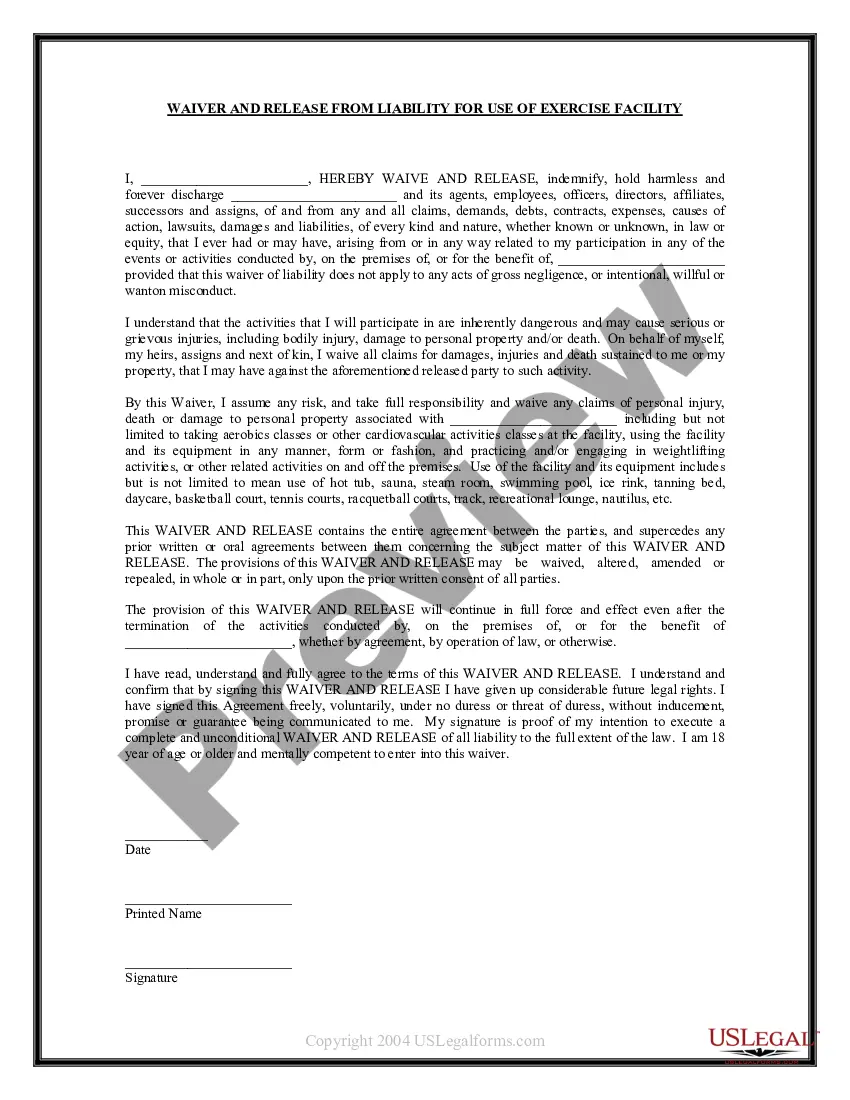
Get your form ready online
Our built-in tools help you complete, sign, share, and store your documents in one place.
Make edits, fill in missing information, and update formatting in US Legal Forms—just like you would in MS Word.
Download a copy, print it, send it by email, or mail it via USPS—whatever works best for your next step.
Sign and collect signatures with our SignNow integration. Send to multiple recipients, set reminders, and more. Go Premium to unlock E-Sign.
If this form requires notarization, complete it online through a secure video call—no need to meet a notary in person or wait for an appointment.
We protect your documents and personal data by following strict security and privacy standards.

Make edits, fill in missing information, and update formatting in US Legal Forms—just like you would in MS Word.

Download a copy, print it, send it by email, or mail it via USPS—whatever works best for your next step.

Sign and collect signatures with our SignNow integration. Send to multiple recipients, set reminders, and more. Go Premium to unlock E-Sign.

If this form requires notarization, complete it online through a secure video call—no need to meet a notary in person or wait for an appointment.

We protect your documents and personal data by following strict security and privacy standards.
Looking for another form?
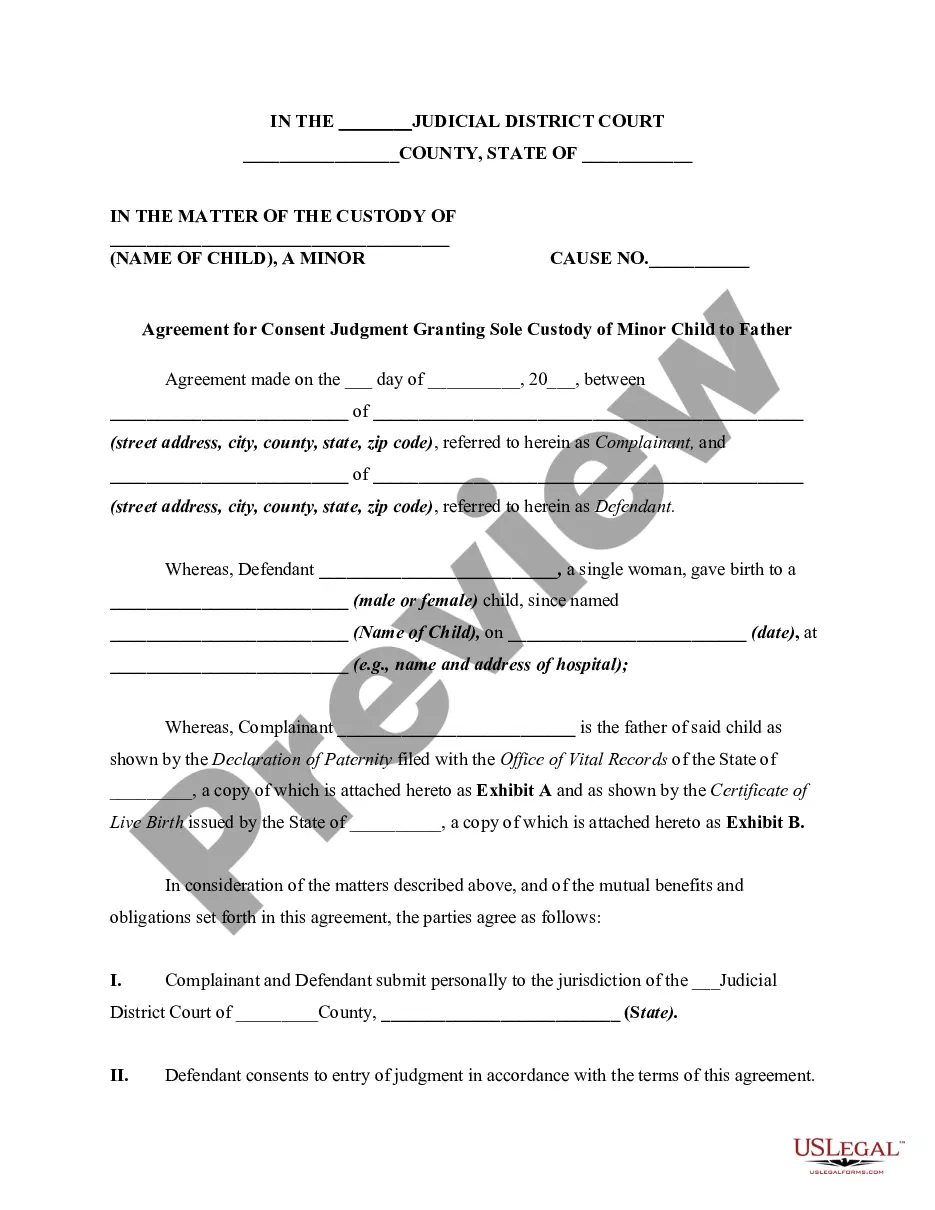









Form popularity
FAQ
Calculating lost profits is essentially performing a “but for” estimate of how the business would have performed had there been no incident. The actual results of the period that the business was affected are subtracted from the “but for” results.
To calculate immediate lost earnings: Hourly Employees: Multiply the number of hours missed due to the injury by your hourly wage. Salaried Employees: To get a daily rate, divide your annual salary by the number of workdays in a year, then multiply by the number of days missed.
For example, if your annual salary is $52,000, your daily wage would be $52,000 ÷ 260 days = $200 per day. Next, multiply the daily wage by the number of days you've missed due to your injury. This should include complete and partial days missed due to the injury itself, medical appointments, and recovery time.
Past loss of earnings is typically calculated by obtaining wage slips pre-dating (often for a period of at least three months or 13 weeks) and post-dating the accident, calculating the average net monthly wage prior to the accident and deducting the net monthly wage following the accident to provide a net loss.
The general formula most insurers use to measure settlement worth is the following: (Special damages x multiplier reflecting general damages) + lost wages = settlement amount.
Claiming for loss of earnings typically refers to the process of seeking compensation for income that you have lost due to an injury, accident, or other circumstances that were not your fault. This could include wages or salary you would have earned if you were able to work but couldn't due to the incident.
Personal injury compensation is calculated based on economic and non-economic damages. Economic damages cover tangible costs such as medical expenses, lost wages, and medical treatment. Non-economic damages compensate for pain and suffering, emotional distress, and loss of enjoyment of life.
Multiplier Method: Multiply your actual damages (like medical bills) by a number between 1.5 and 5, based on the severity of your injury. Per Diem Method: Calculate a daily rate based on your earnings and multiply by the number of days you expect to experience pain and suffering.
Per § 4657, "weekly loss in wages" means "the difference between the average weekly earnings of the injured employee and the weekly amount that the injured employee will probably be able to earn during the disability." So, to calculate the amount payable to an employee during a period of wage loss, a claims adjuster ...
Past loss of earnings is typically calculated by obtaining wage slips pre-dating (often for a period of at least three months or 13 weeks) and post-dating the accident, calculating the average net monthly wage prior to the accident and deducting the net monthly wage following the accident to provide a net loss.