Agreement Personal Injury Form Interrogatories In Phoenix
Description

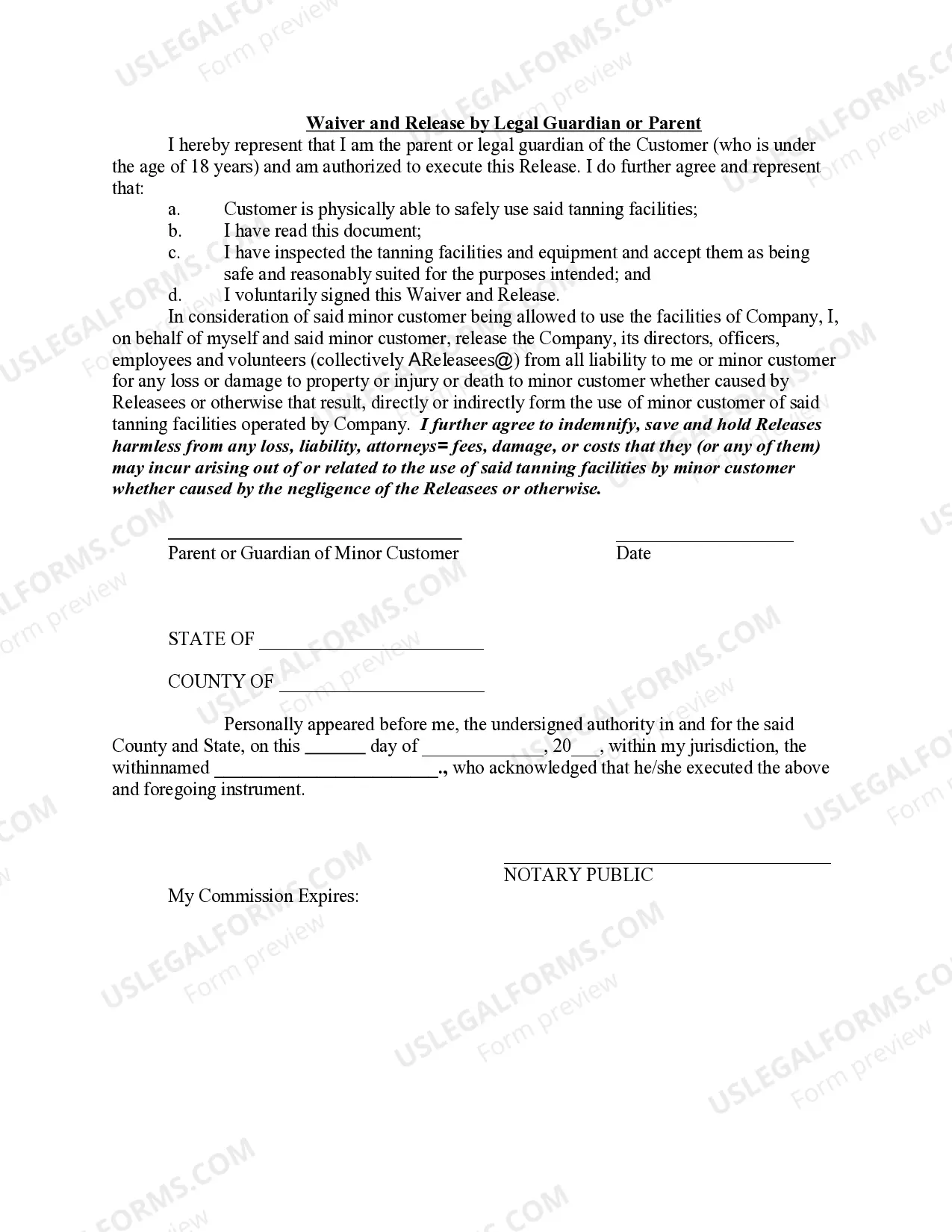
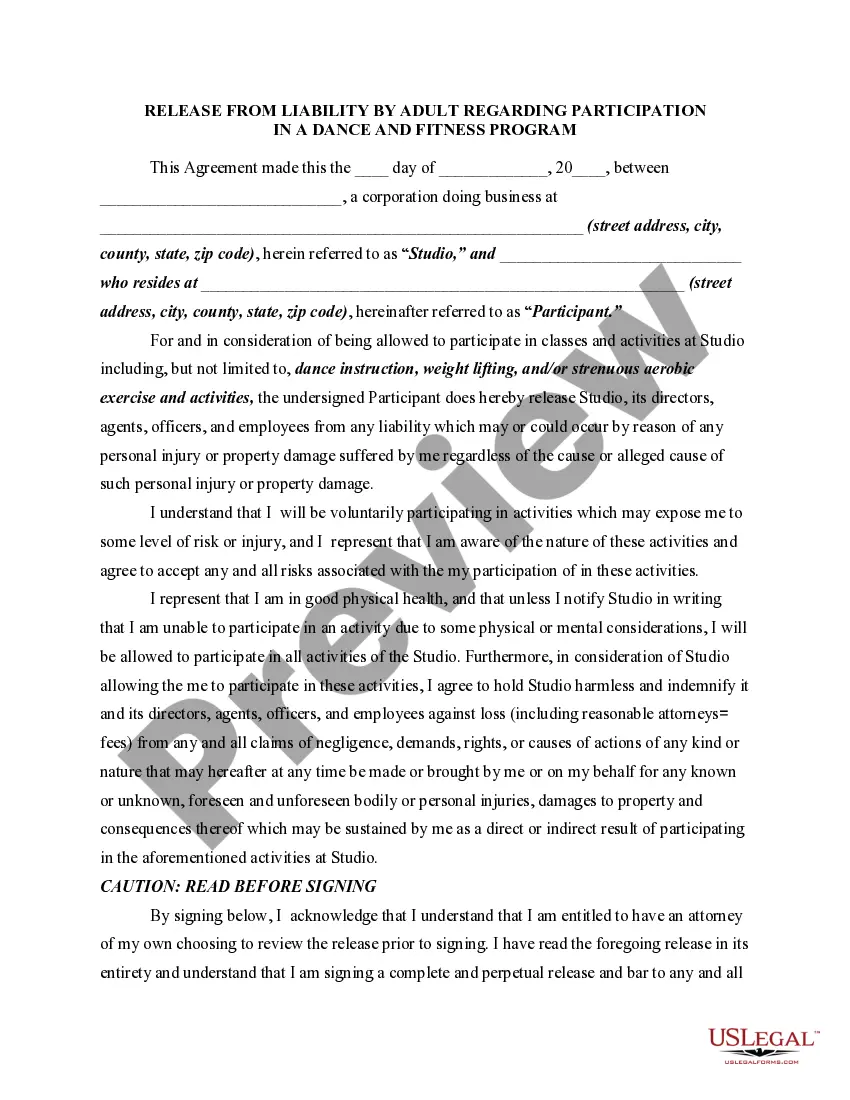
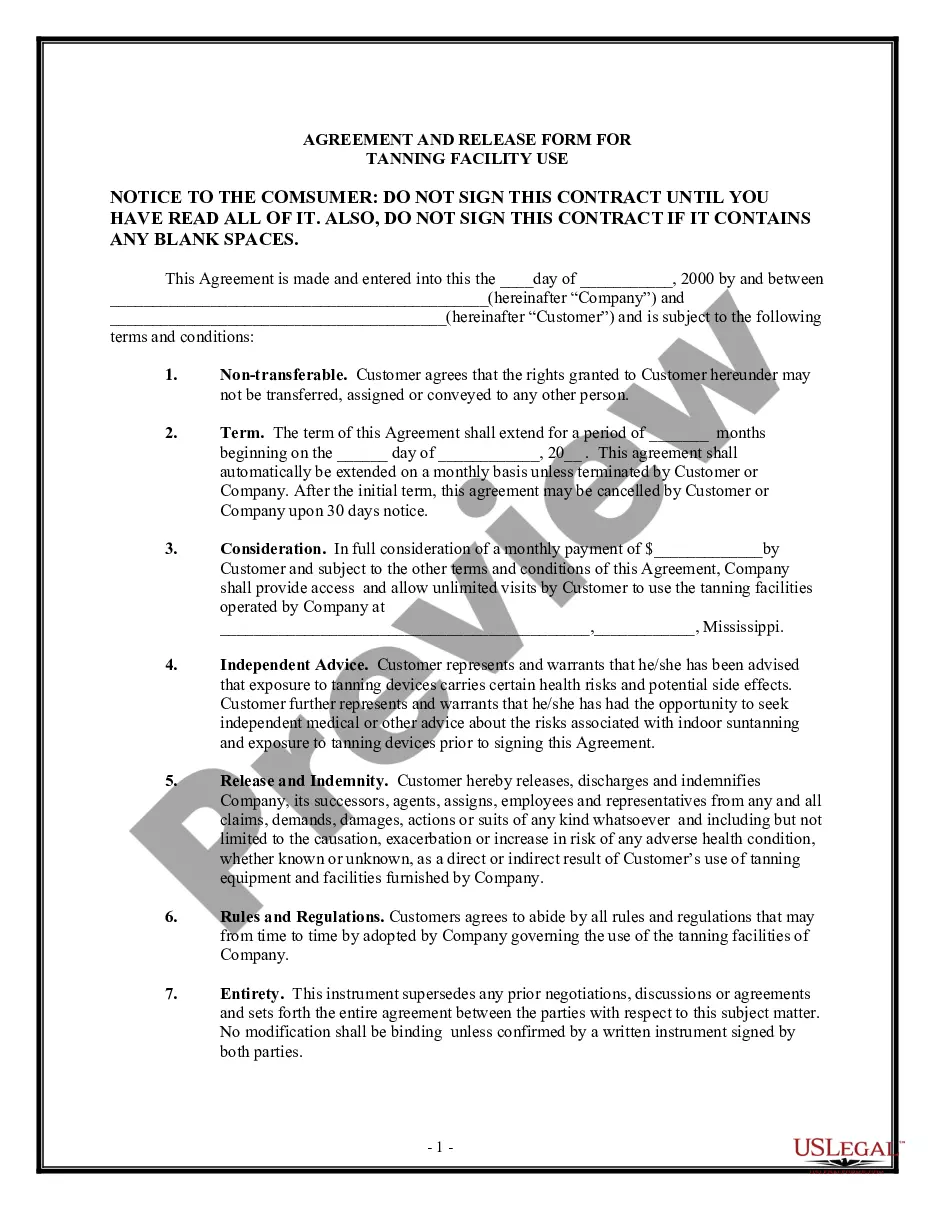
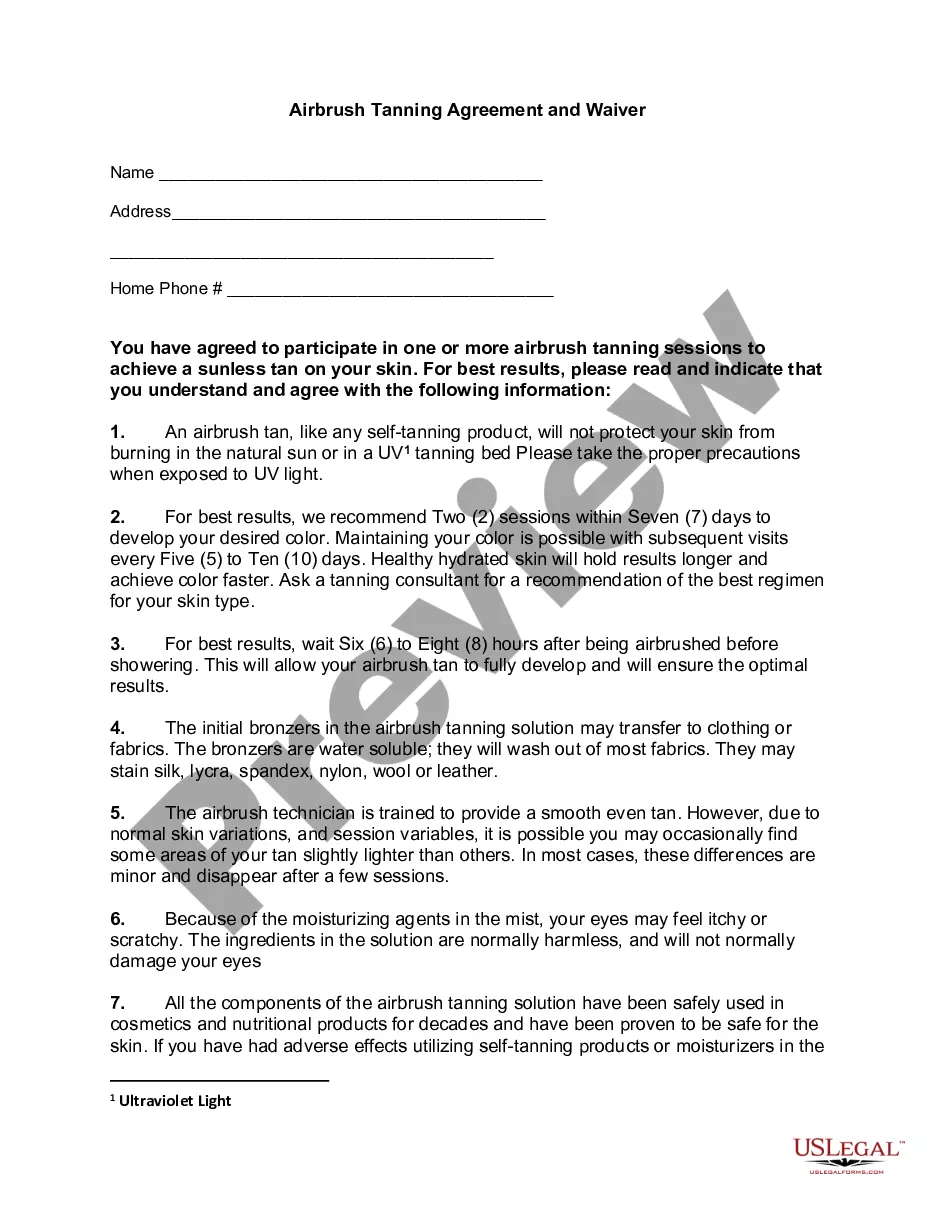
Get your form ready online
Our built-in tools help you complete, sign, share, and store your documents in one place.
Make edits, fill in missing information, and update formatting in US Legal Forms—just like you would in MS Word.
Download a copy, print it, send it by email, or mail it via USPS—whatever works best for your next step.
Sign and collect signatures with our SignNow integration. Send to multiple recipients, set reminders, and more. Go Premium to unlock E-Sign.
If this form requires notarization, complete it online through a secure video call—no need to meet a notary in person or wait for an appointment.
We protect your documents and personal data by following strict security and privacy standards.

Make edits, fill in missing information, and update formatting in US Legal Forms—just like you would in MS Word.

Download a copy, print it, send it by email, or mail it via USPS—whatever works best for your next step.

Sign and collect signatures with our SignNow integration. Send to multiple recipients, set reminders, and more. Go Premium to unlock E-Sign.

If this form requires notarization, complete it online through a secure video call—no need to meet a notary in person or wait for an appointment.

We protect your documents and personal data by following strict security and privacy standards.
Looking for another form?


Form popularity
FAQ
“The Justice Court Rules of Civil Procedure allow a party to send up to five (5) interrogatories to another party, unless the party asks the court for permission to serve more and the court gives permission because the party showed good cause for serving more.
NUMBER AND SCOPE OF INTERROGATORIES. Rule 33 (a), Federal Rules of Civil Procedure , restricts to 25 (including all discrete subparts) the number of interrogatories a party may serve on any other party.
Under the discovery rule, a plaintiff's statute of limitations deadline will be extended if they are not aware of the injuries they suffered due to the defendant's fault, and they could not have reasonably discovered the injury.
Rule 33. Appeal Conferences. The court may direct the attorneys — and, when appropriate, the parties — to participate in one or more conferences to address any matter that may aid in disposing of the proceedings, including simplifying the issues and discussing settlement.
A party may use a uniform interrogatory when it is appropriate to the legal or factual issues of the particular action, regardless of how the action or claims are designated. A party propounding a uniform interrogatory may do so by serving a notice that identifies the uniform interrogatory by form and number.
While the standard statute of limitations for car accident claims in Arizona is two years, there are certain exceptions that can alter this time limit. Understanding these exceptions is vital for ensuring your rights are protected.
Personal Injury Generally ( A.R.S.§ 12-542 ) The statute of limitation for actions alleging personal injury is 2 YEARS. See Matter of Estate of Chase, 125 Ariz.
Most states generally have two years to file a claim. Some states can have as long as six years and others as short as one. Always double-check, and when in doubt, contact a personal injury lawyer for further assistance.
You should get legal advice urgently if you want to claim compensation. The most common claim in a personal injury case is negligence and the time limit for this is 3 years. This means that court proceedings must be issued within 3 years of you first being aware that you have suffered an injury.
A plaintiff representing herself may obtain and fill out a prepared Complaint form from the Clerk of the Court at the courthouse or online at each county court website or by visiting . The Complaint must be filed with the Clerk of the appropriate court.
