Personal Injury Release With Attorney In Orange
Description

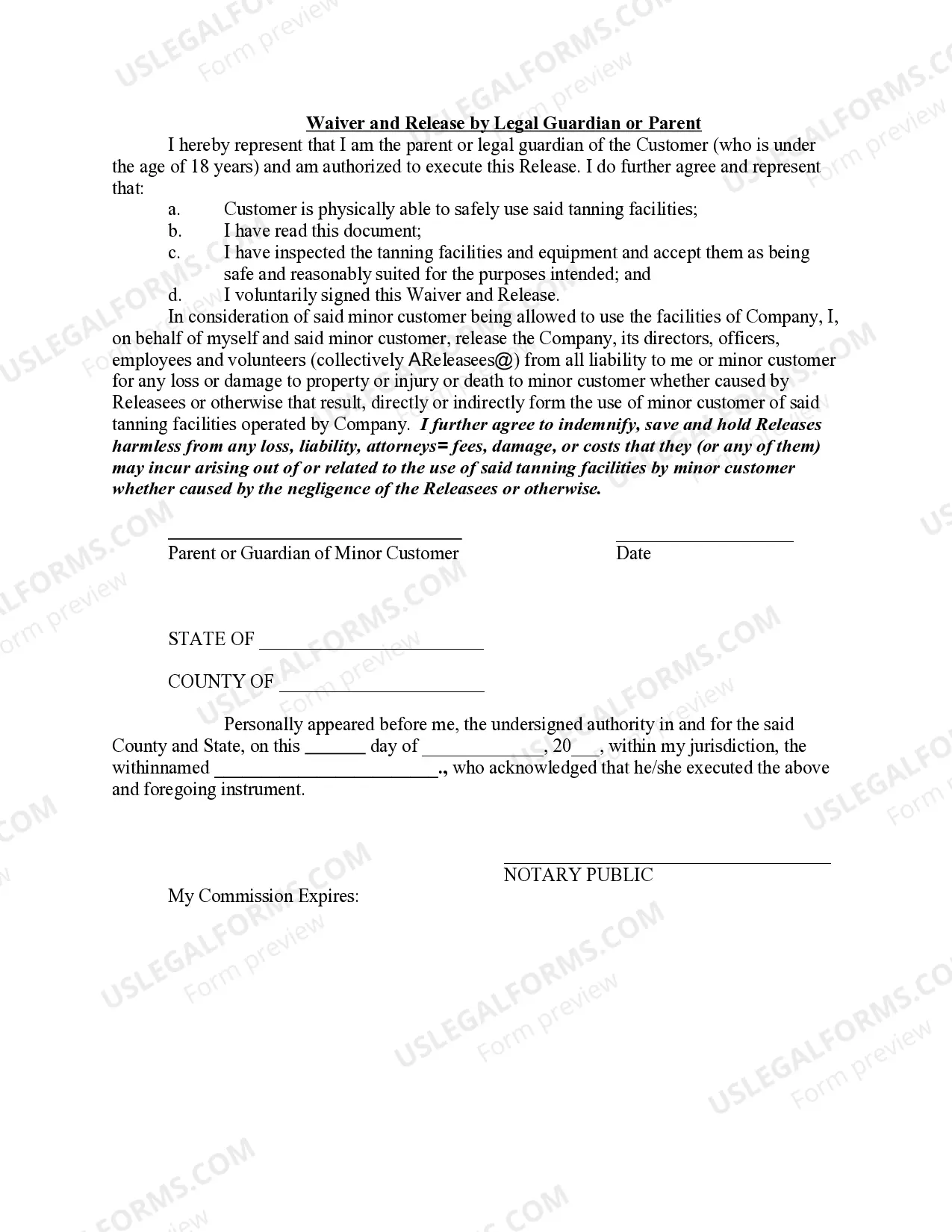
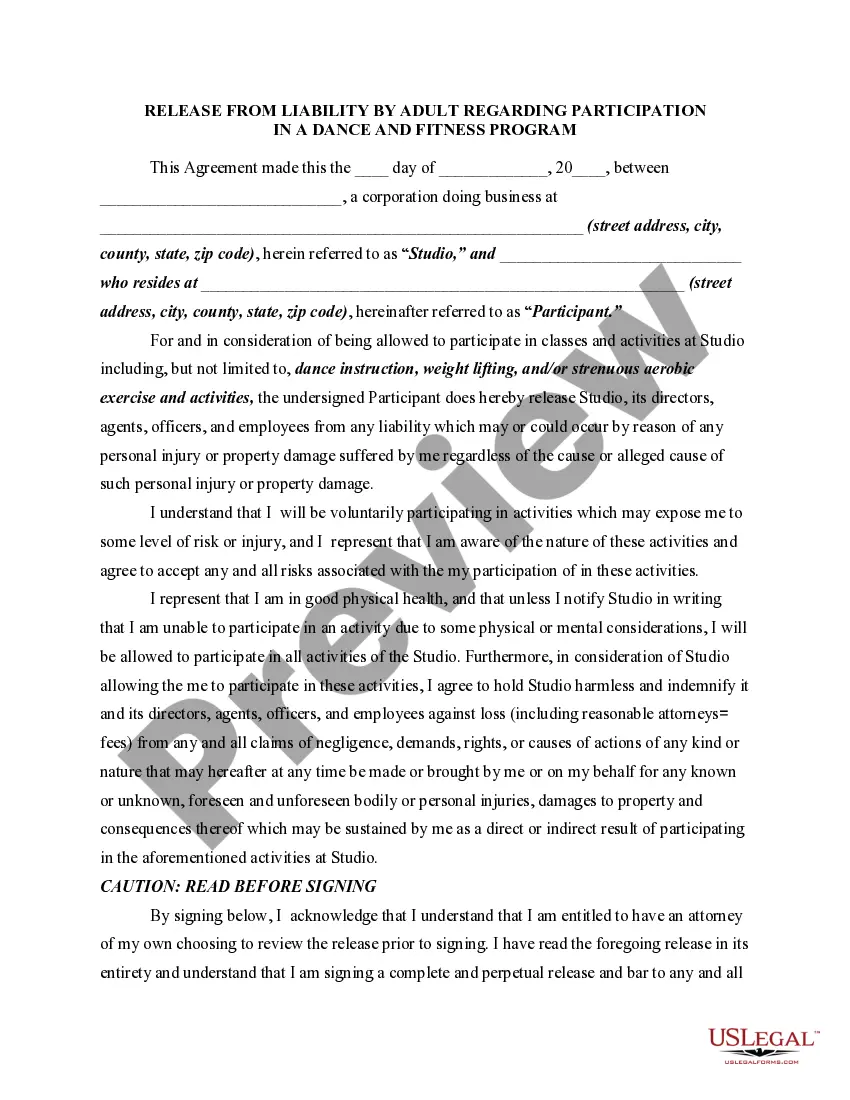
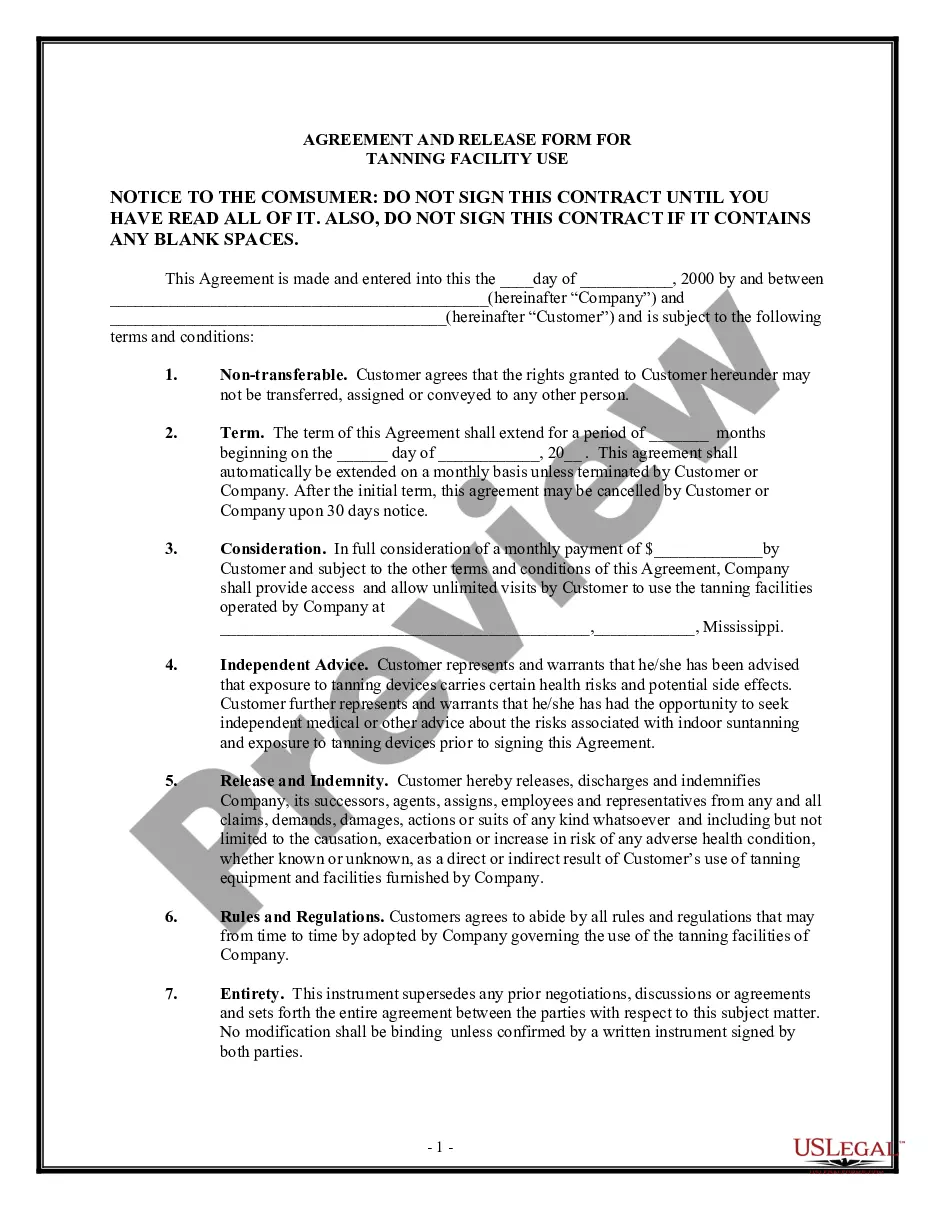
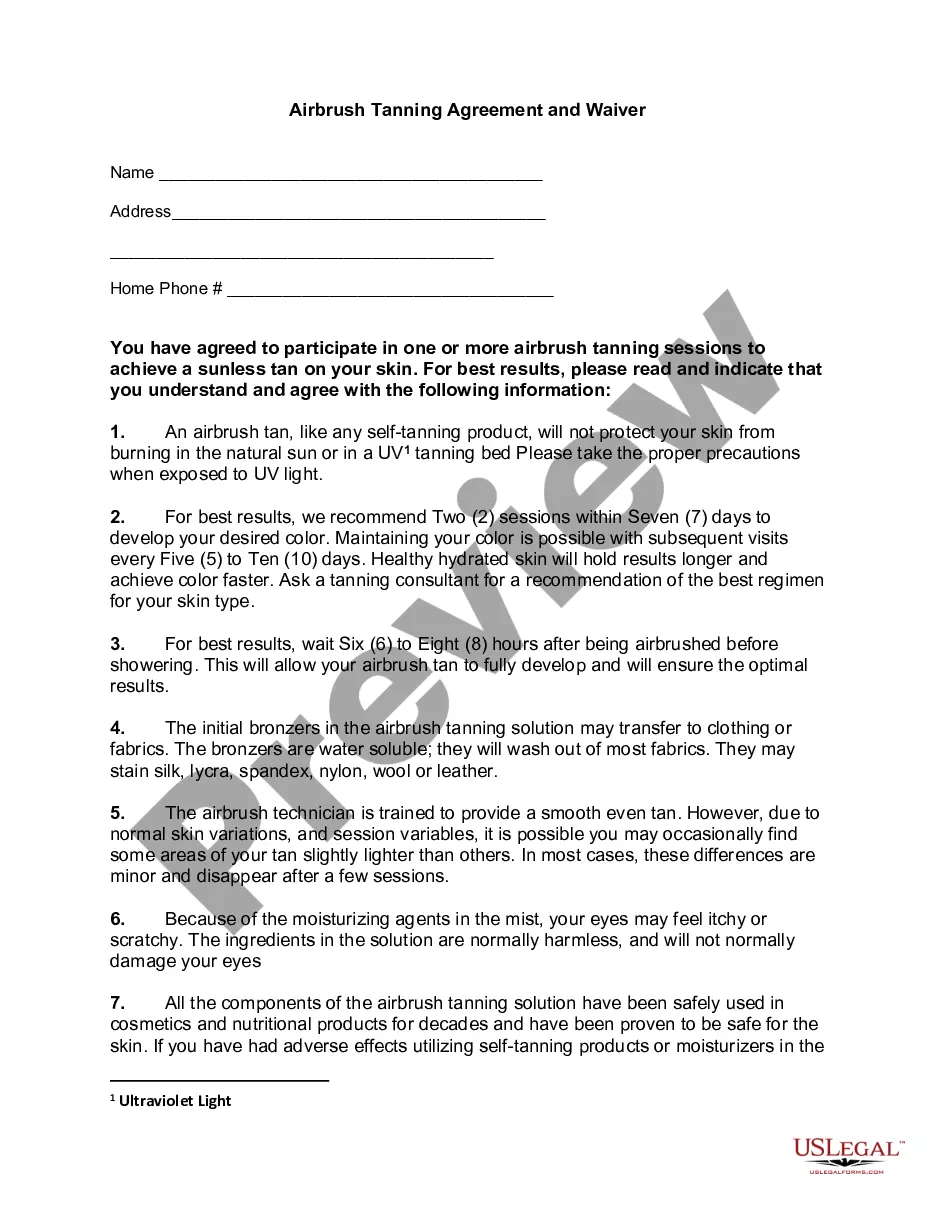
Get your form ready online
Our built-in tools help you complete, sign, share, and store your documents in one place.
Make edits, fill in missing information, and update formatting in US Legal Forms—just like you would in MS Word.
Download a copy, print it, send it by email, or mail it via USPS—whatever works best for your next step.
Sign and collect signatures with our SignNow integration. Send to multiple recipients, set reminders, and more. Go Premium to unlock E-Sign.
If this form requires notarization, complete it online through a secure video call—no need to meet a notary in person or wait for an appointment.
We protect your documents and personal data by following strict security and privacy standards.

Make edits, fill in missing information, and update formatting in US Legal Forms—just like you would in MS Word.

Download a copy, print it, send it by email, or mail it via USPS—whatever works best for your next step.

Sign and collect signatures with our SignNow integration. Send to multiple recipients, set reminders, and more. Go Premium to unlock E-Sign.

If this form requires notarization, complete it online through a secure video call—no need to meet a notary in person or wait for an appointment.

We protect your documents and personal data by following strict security and privacy standards.
Looking for another form?







Form popularity
FAQ
The short answer is yes, they can drop your case. But don't worry; it's not as common as you might think, and there are usually good reasons behind it. In this post, we'll go over 7 reasons why your personal injury lawyer might drop your case.
Your chances of winning a personal injury lawsuit can depend on many factors. Depending on the type of case you file, you'll have a 50% chance of winning.
Ing to data collected by the DOJ, for the small percentage of personal injury cases that go to trial: Plaintiffs involved in motor vehicle accidents are successful at trial 61% of the time. Plaintiffs injured on someone else's property are successful at trial 39% of the time.
In general, if you can get close to judgment value of the case in settlement, then it should be considered a very good settlement.
In the legal world of California, a Release of All Claims Form is a binding document that finalizes an agreement between two parties to resolve a dispute, often related to personal injury, property damage, or contract issues.
Once we have sent a letter of claim out to the Defendant, they have 21 calendar days, from the date of posting, to acknowledge receipt of the letter of claim and identify the insurer. The Defendant's insurer will have a maximum of 3 months, from the date of acknowledgment of the claim, to 'investigate'.
An injury release form is a statement that says that the claim is resolved and that the insurance company or the at-fault party has no further obligation to you. In short, an injury release form releases the other party from paying any more compensation or accepting further claims relating to your injury.
The inflammatory response (inflammation) occurs when tissues are injured by bacteria, trauma, toxins, heat, or any other cause. The damaged cells release chemicals including histamine, bradykinin, and prostaglandins. These chemicals cause blood vessels to leak fluid into the tissues, causing swelling.
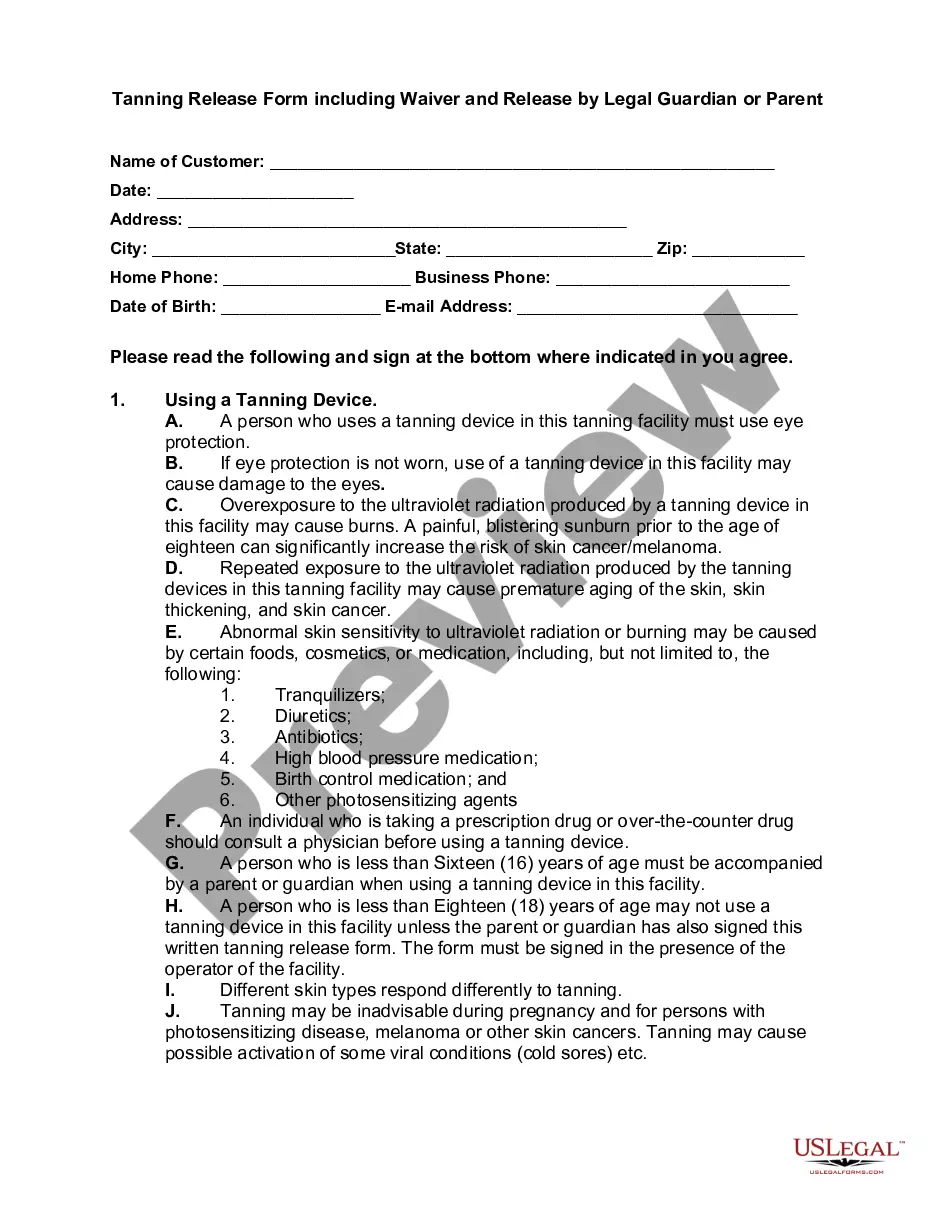
What is a Release Form? A release form, or general release form, is a legal document that serves as consent in writing to release the legal liability of a releasee by a releasor. The document is a formal acknowledgment that, once signed, is a legal release of all a releasee obligations within an agreement.
