Agreement Personal Injury Form Interrogatories In Orange
Description

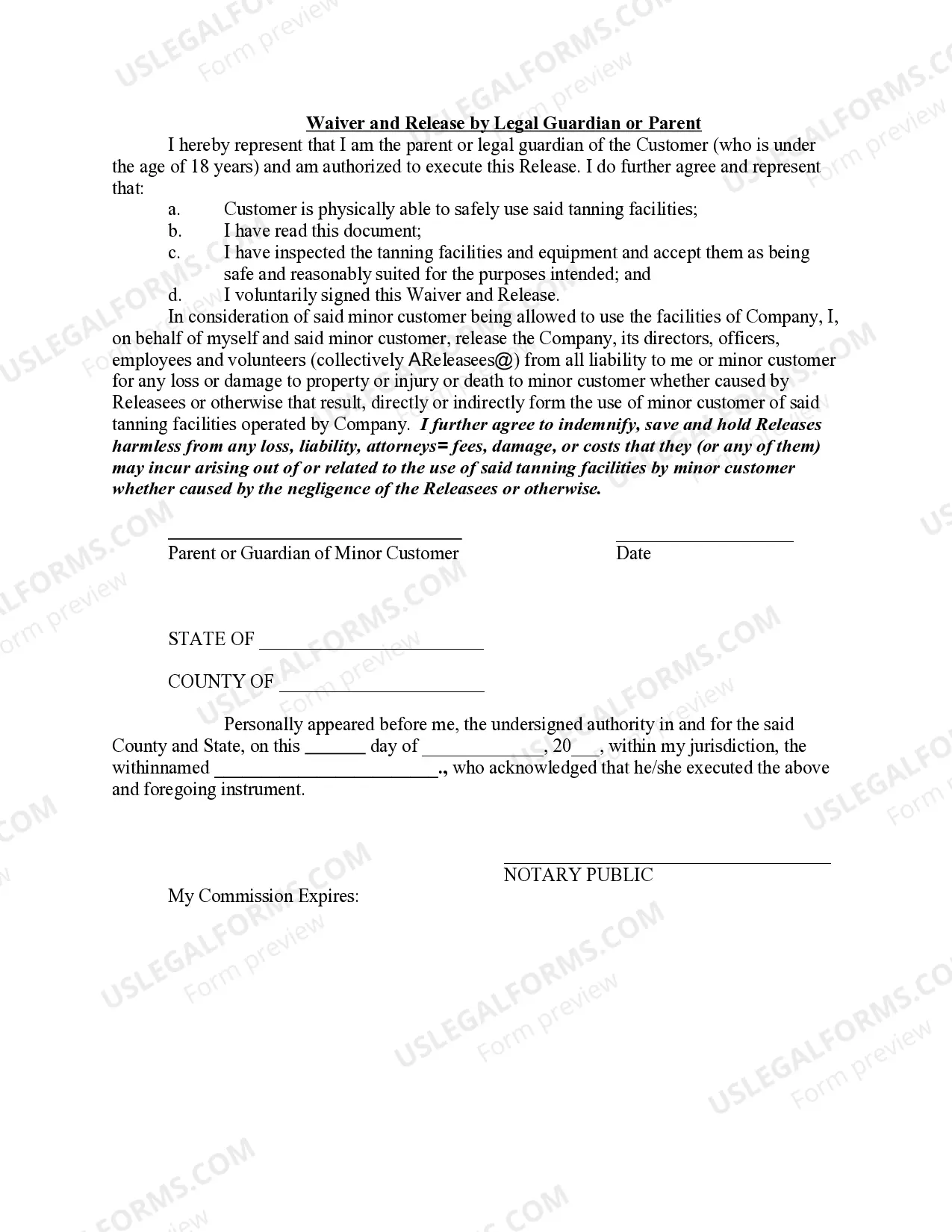
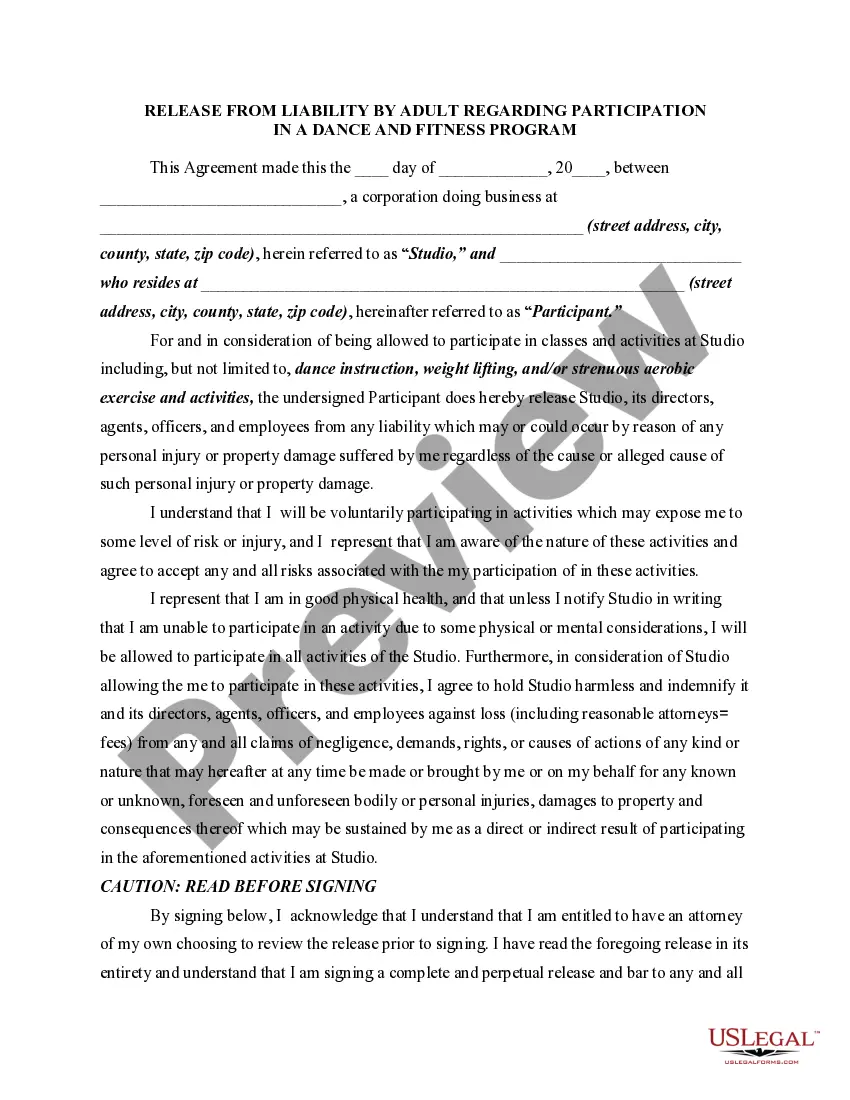
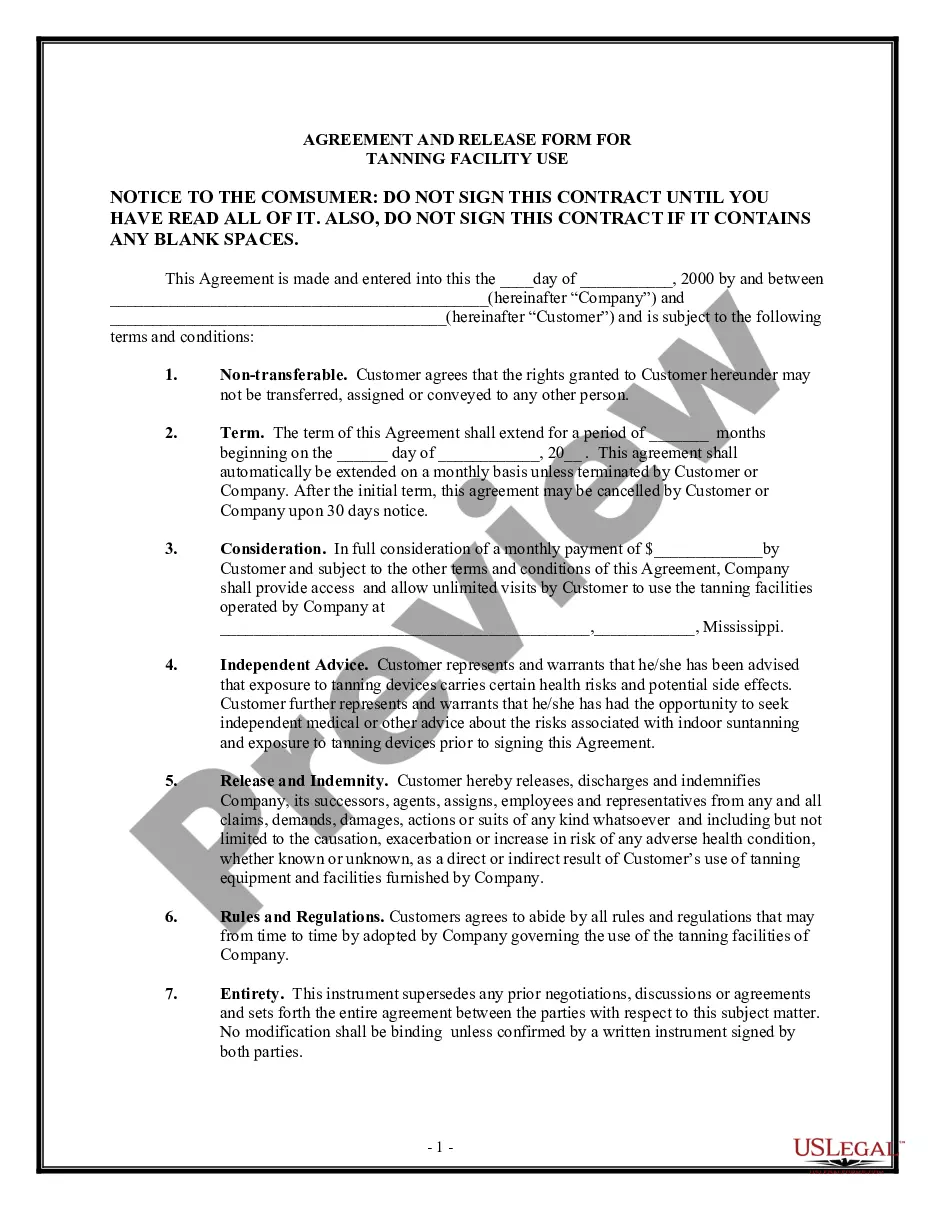
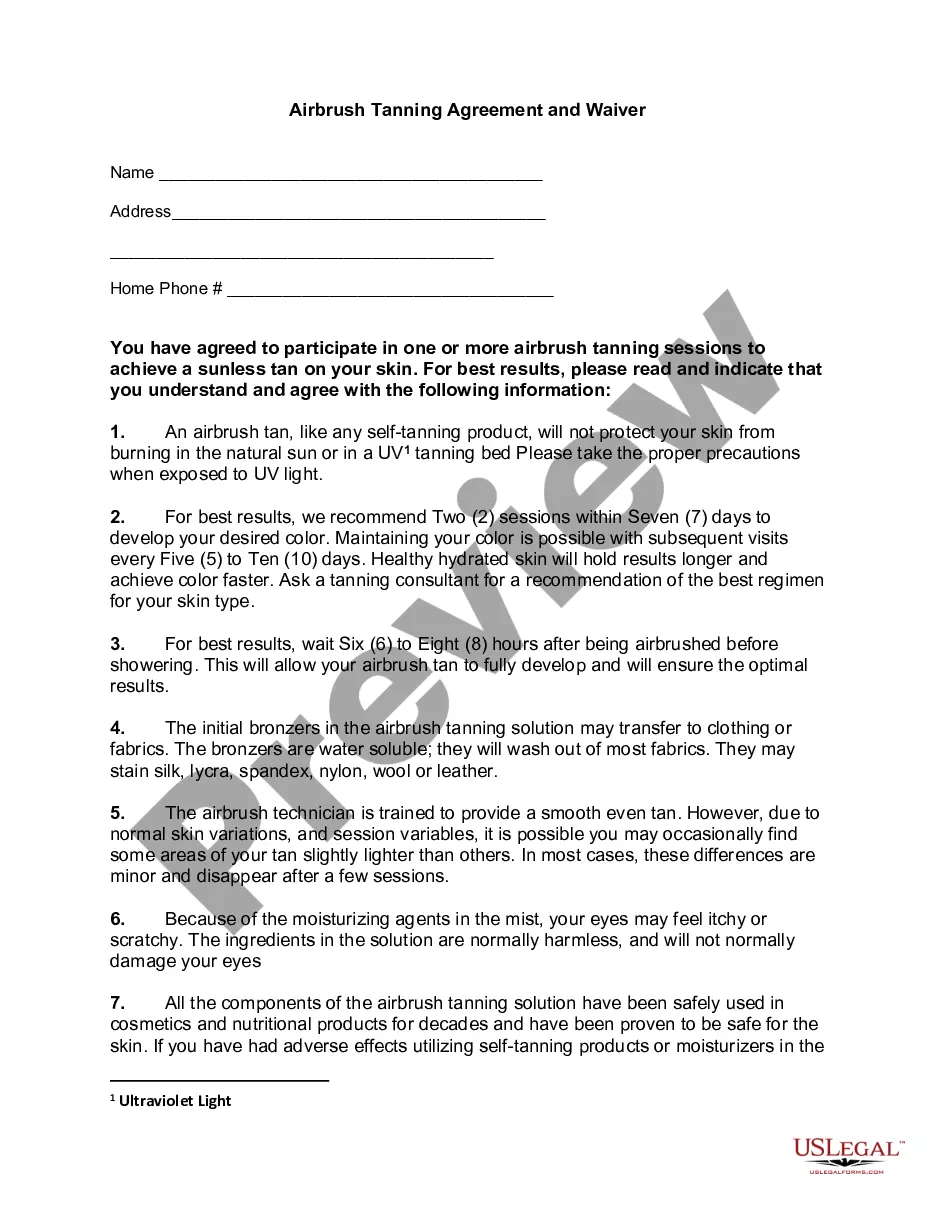
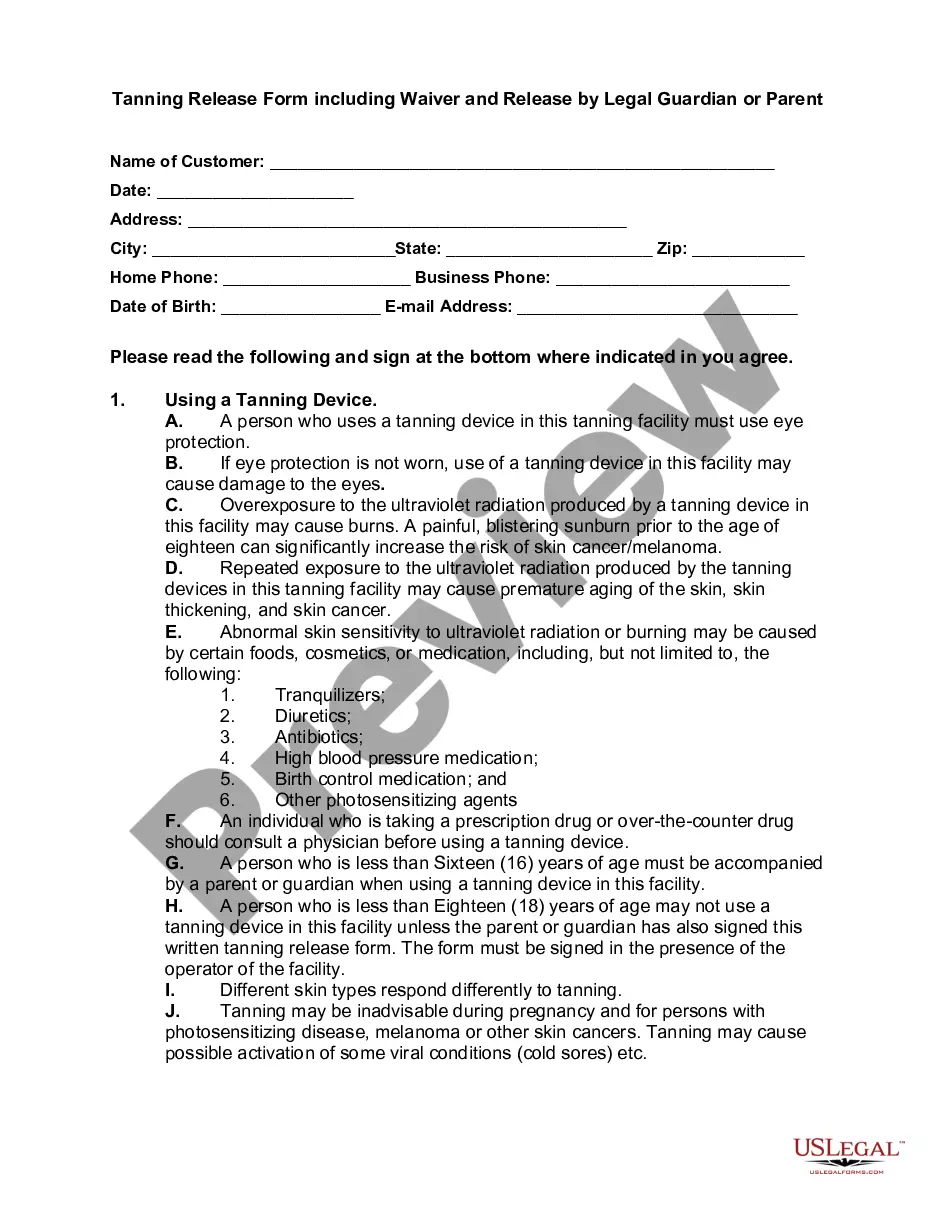
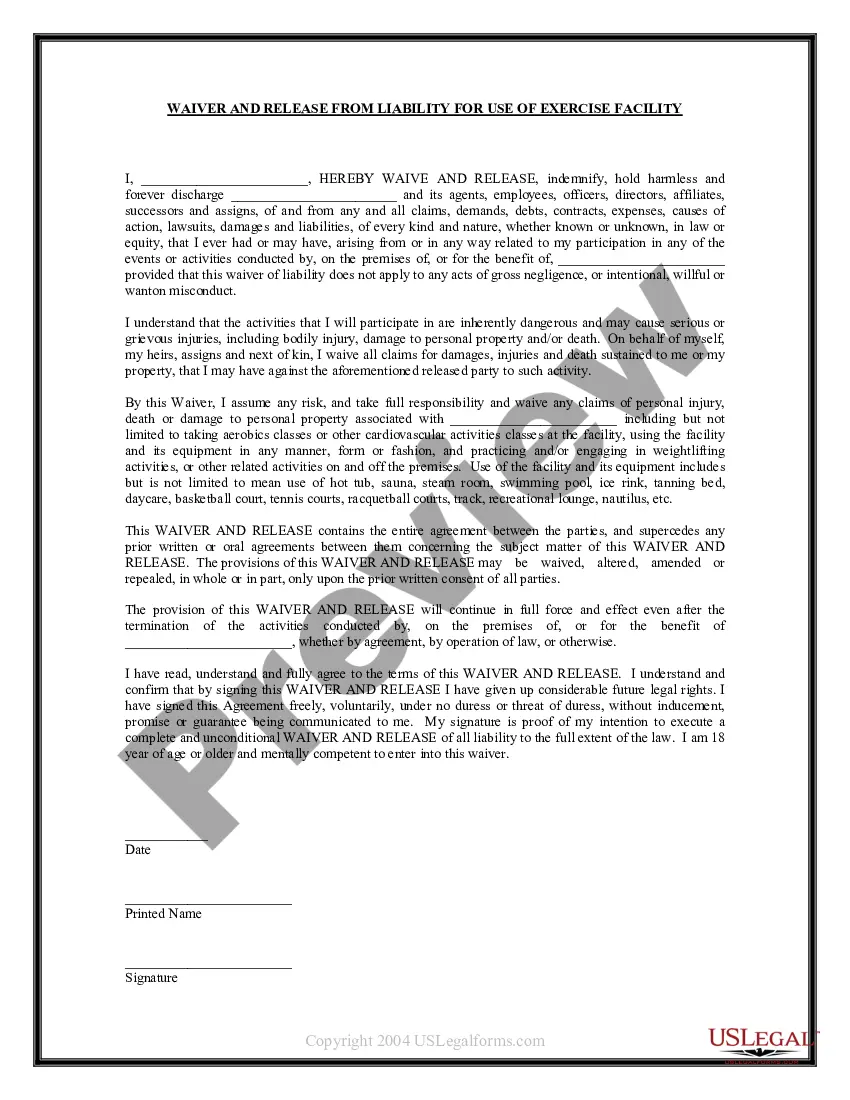
Get your form ready online
Our built-in tools help you complete, sign, share, and store your documents in one place.
Make edits, fill in missing information, and update formatting in US Legal Forms—just like you would in MS Word.
Download a copy, print it, send it by email, or mail it via USPS—whatever works best for your next step.
Sign and collect signatures with our SignNow integration. Send to multiple recipients, set reminders, and more. Go Premium to unlock E-Sign.
If this form requires notarization, complete it online through a secure video call—no need to meet a notary in person or wait for an appointment.
We protect your documents and personal data by following strict security and privacy standards.

Make edits, fill in missing information, and update formatting in US Legal Forms—just like you would in MS Word.

Download a copy, print it, send it by email, or mail it via USPS—whatever works best for your next step.

Sign and collect signatures with our SignNow integration. Send to multiple recipients, set reminders, and more. Go Premium to unlock E-Sign.

If this form requires notarization, complete it online through a secure video call—no need to meet a notary in person or wait for an appointment.

We protect your documents and personal data by following strict security and privacy standards.
Looking for another form?

Form popularity
FAQ
You have to respond to interrogatories in writing to the best of your ability. If you do not answer an interrogatory question, and then the other side learns that you did in fact know the answer, it could have a negative impact on your case at trial.
If answers are served and they are thought inadequate, the interrogating party may move under Rule 37(a) for an order compelling adequate answers.
Common objections include: The request is impermissibly compound. The request is vague, ambiguous or unintelligible. The request is not reasonably calculated to lead to the discovery of relevant, admissible evidence. Introduction to Discovery – Part 5: Responding to Form Interrogatories.
How to fill out Form Interrogatories Fill in basic information at the top of the form. Provide basic information about your case. Select the questions. On Page 2, check the box next to each question you want to ask your spouse to answer. Make copies. Make 1 copy of the completed Form Interrogatories – Family Law.
Interrogatories allow the parties to ask who, what, when, where and why questions, making them a good method for obtaining new information.
Interrogatories are written questions sent by one party in a lawsuit to another party in that same suit, which the responding party must answer under penalty of perjury. Interrogatories allow the parties to ask who, what, when, where and why questions, making them a good method for obtaining new information.
If the opposing side does not respond to your form interrogatories, special interrogatories, or request for production, you may file a motion seeking an order compelling the opposing party to respond.
How to respond to form interrogatories Download the blank response template and fill in basic information. Prepare the template for your responses. Read and answer the questions. Sign the document.
Definition: Written questions submitted to a party from his or her adversary to ascertain answers that are prepared in writing and signed under oath and that have relevance to the issues in a lawsuit.
There are two types of interrogatories, form and special interrogatories.
