Escrow Seller Does For Sale In Broward
Description

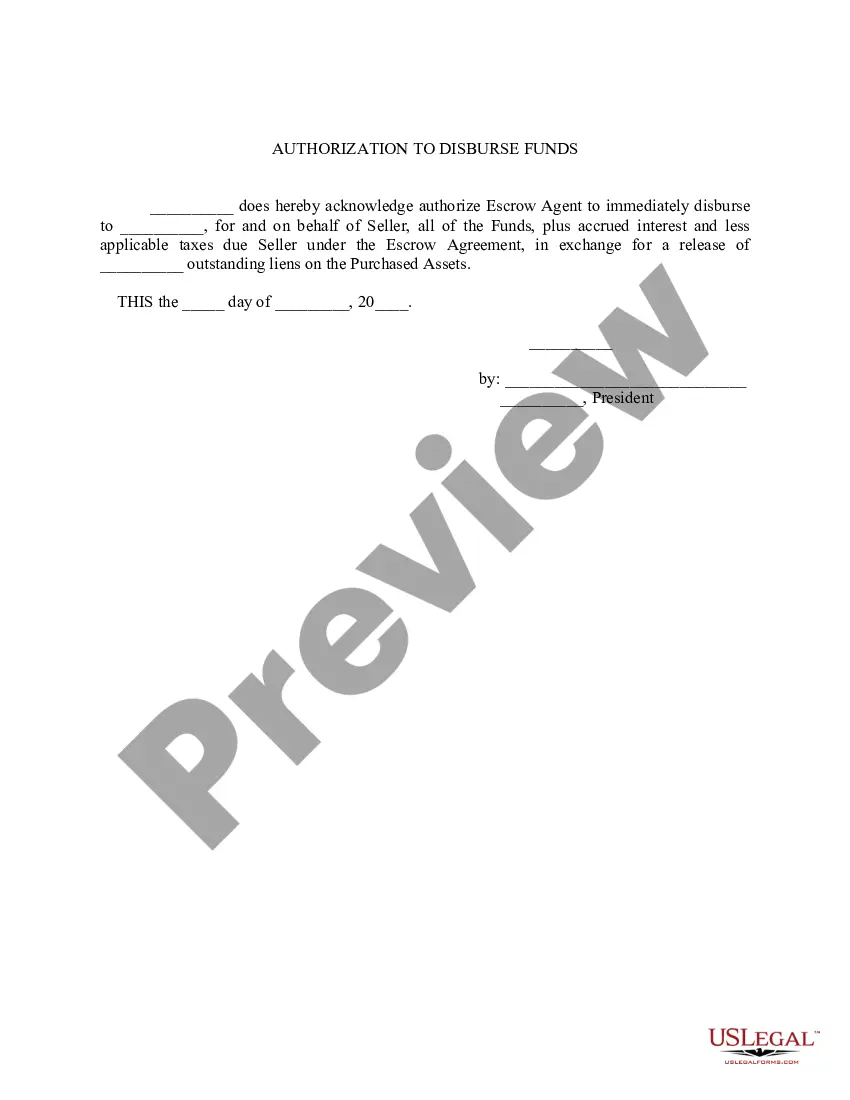
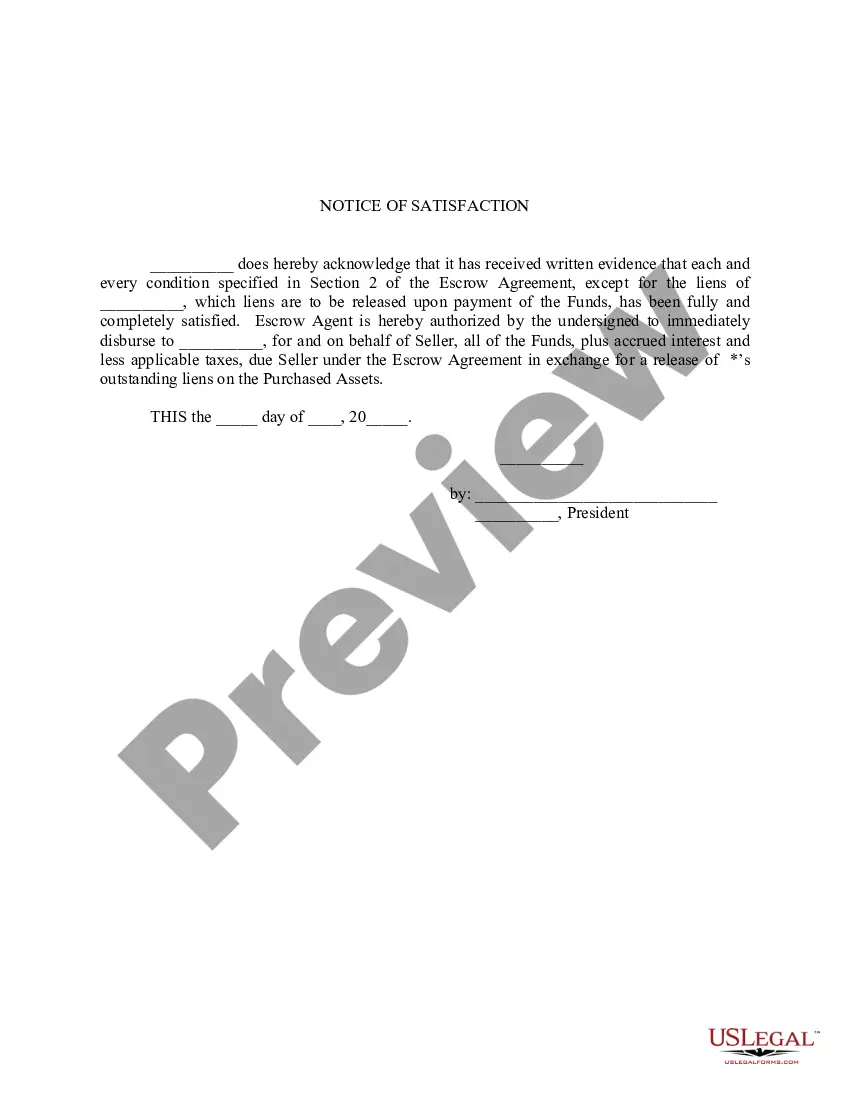
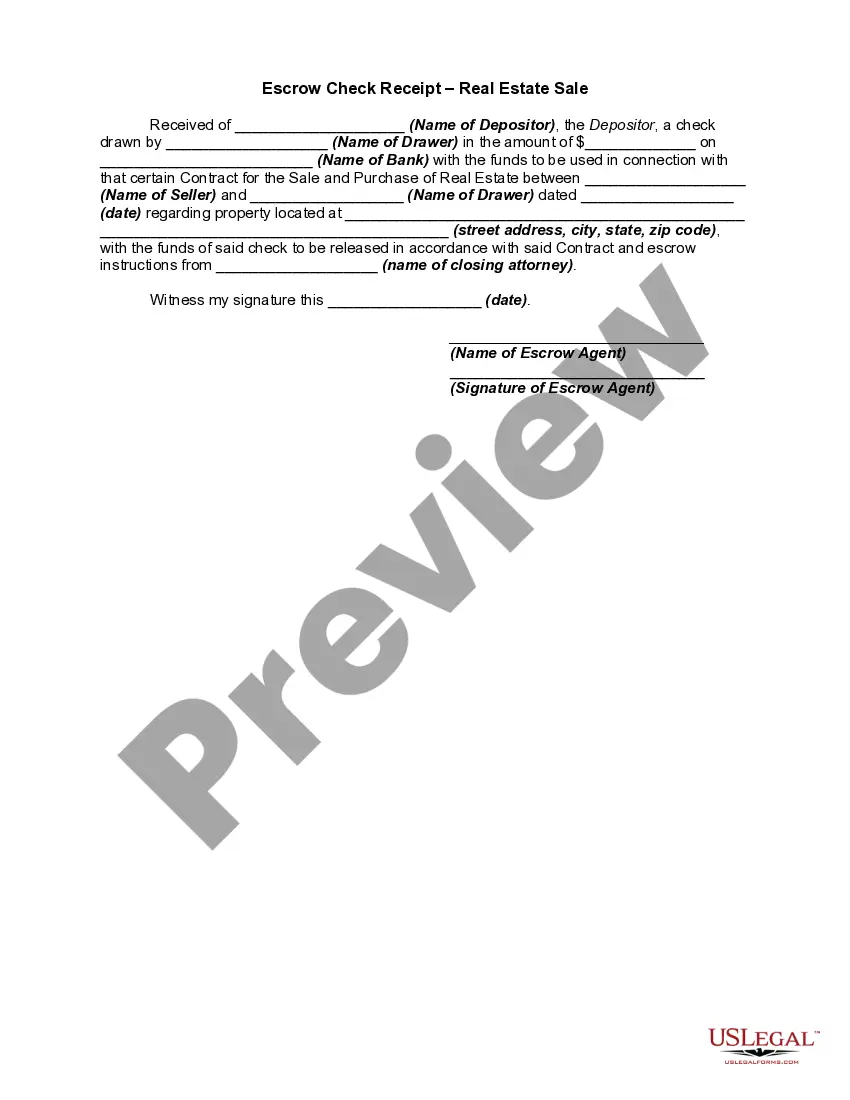
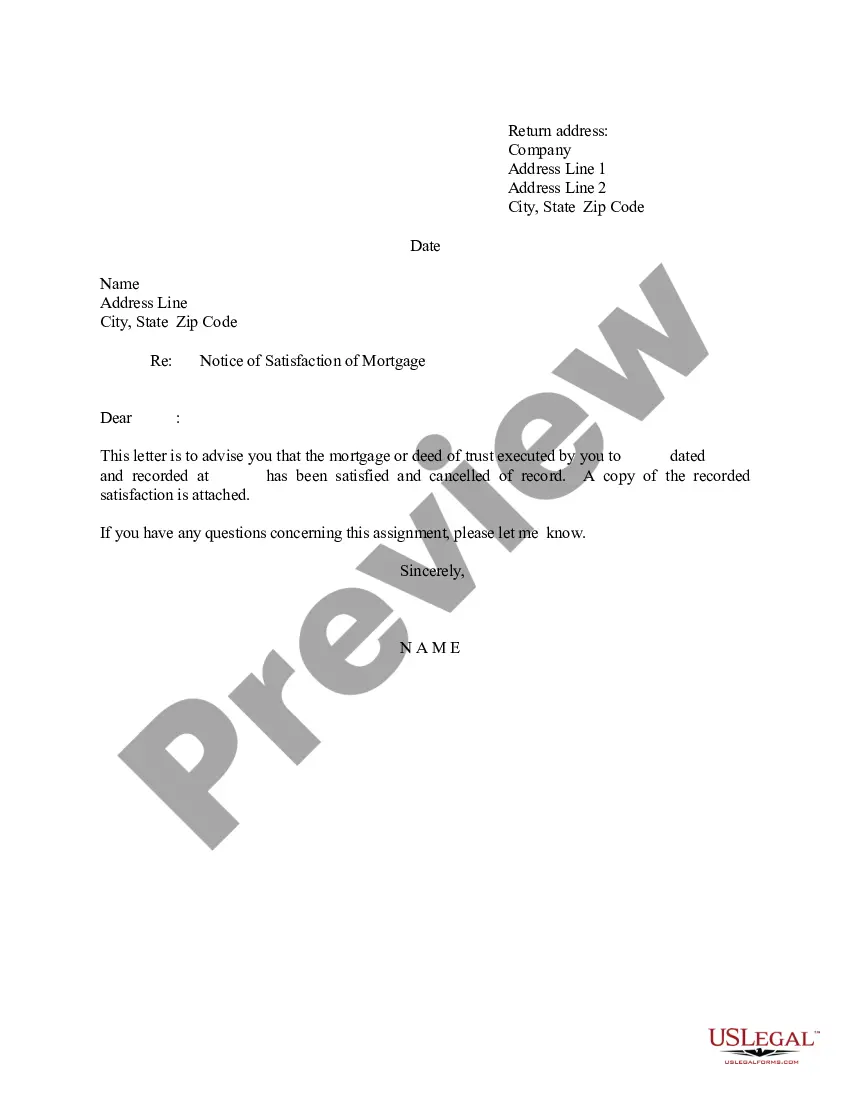
Get your form ready online
Our built-in tools help you complete, sign, share, and store your documents in one place.
Make edits, fill in missing information, and update formatting in US Legal Forms—just like you would in MS Word.
Download a copy, print it, send it by email, or mail it via USPS—whatever works best for your next step.
Sign and collect signatures with our SignNow integration. Send to multiple recipients, set reminders, and more. Go Premium to unlock E-Sign.
If this form requires notarization, complete it online through a secure video call—no need to meet a notary in person or wait for an appointment.
We protect your documents and personal data by following strict security and privacy standards.

Make edits, fill in missing information, and update formatting in US Legal Forms—just like you would in MS Word.

Download a copy, print it, send it by email, or mail it via USPS—whatever works best for your next step.

Sign and collect signatures with our SignNow integration. Send to multiple recipients, set reminders, and more. Go Premium to unlock E-Sign.

If this form requires notarization, complete it online through a secure video call—no need to meet a notary in person or wait for an appointment.

We protect your documents and personal data by following strict security and privacy standards.
Looking for another form?







Form popularity
FAQ
What is an Escrow? An Escrow is an arrangement for a third party to hold the assets of a transaction temporarily. The assets are kept in a third-party account and are only released when all terms of the agreement have been met. The use of an escrow account in a transaction adds a degree of safety for both parties.
The choice of an escrow agent or holder is a negotiable item between a prospective buyer and a seller, like any other contract term or condition.
As described by The Washington Post, buyers tend to be the ones to hire a title and escrow companies in some parts of the U.S. The practice often falls upon the seller in Florida, with exceptions usually in Broward and Miami-Dade.
Escrow kicks in after you accept an offer on your property. It means that a neutral third party, the escrow agent, will now hold the buyer's deposit and any related funds until all conditions of the sale are met. As a seller, the answer to the question “What does escrow mean on a house?” is security.
In Florida, active real estate brokers are required to have an escrow account to securely manage clients' funds during transactions. Other options like a business checking account, telephone listing, or entrance sign are not mandated by law.
How to become an escrow officer Earn a high school diploma. Get a college degree. Build your skill set. Gain relevant experience. Create your resume. Apply for a state license. Obtain insurance. Become a notary public.
Escrow instructions are written directions to an escrow agent which state the duties of the parties and the escrow holder. Note that an existing agent or an attorney of grantor or grantee cannot act as an escrow agent due to the conflict of interest in the duties.
In Florida, a licensed attorney can act as an escrow agent. However, just because an attorney holds property pursuant to a transaction does not necessarily mean they are an escrow agent. The key distinction is that an escrow agent operates under a valid—and legally binding—escrow agreement.
Florida Escrow licensing: Florida requires companies to be licensed as an Escrow company. Companies must also still comply with federal, state and local laws. Other licenses or permits may be required depending on the nature of each particular business.
