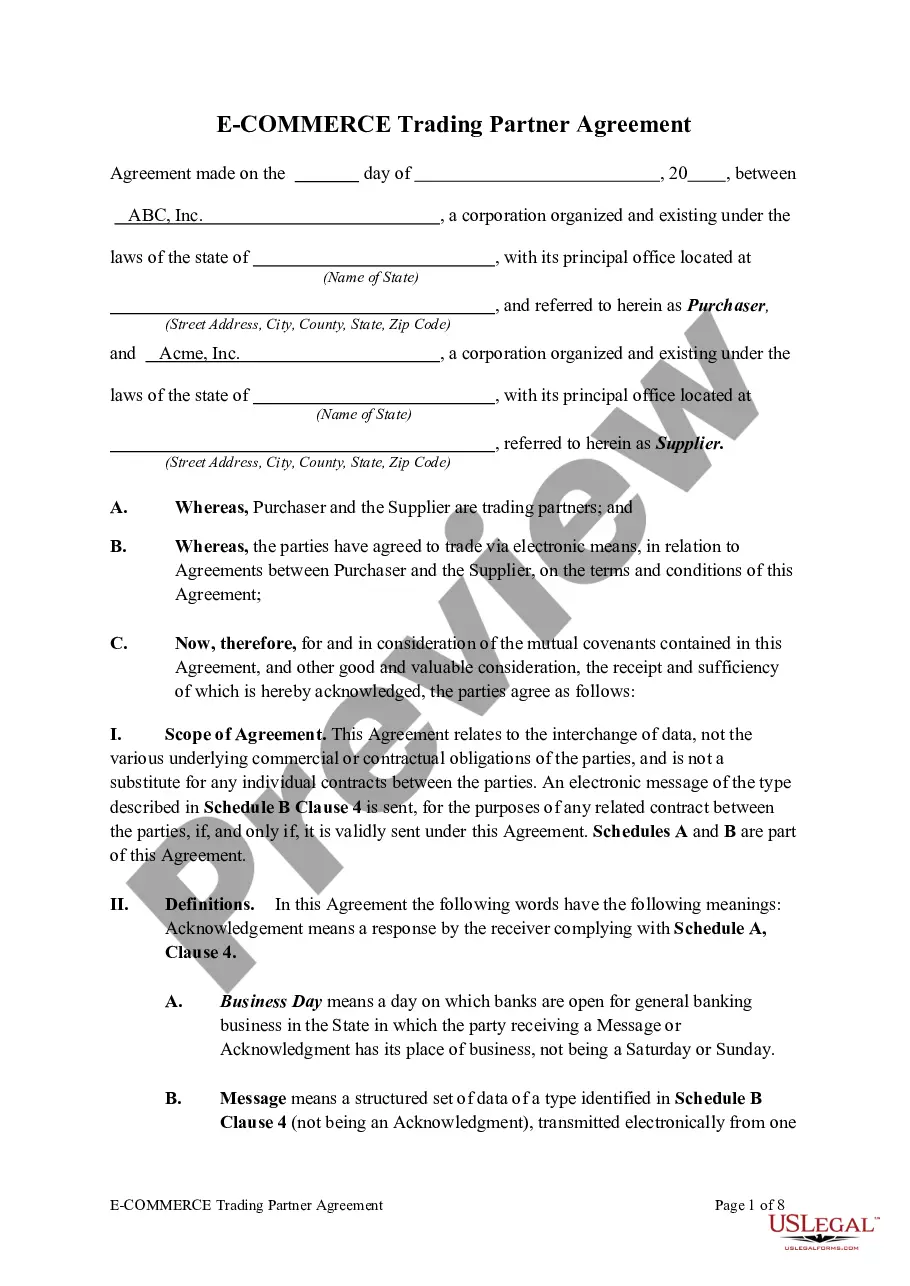
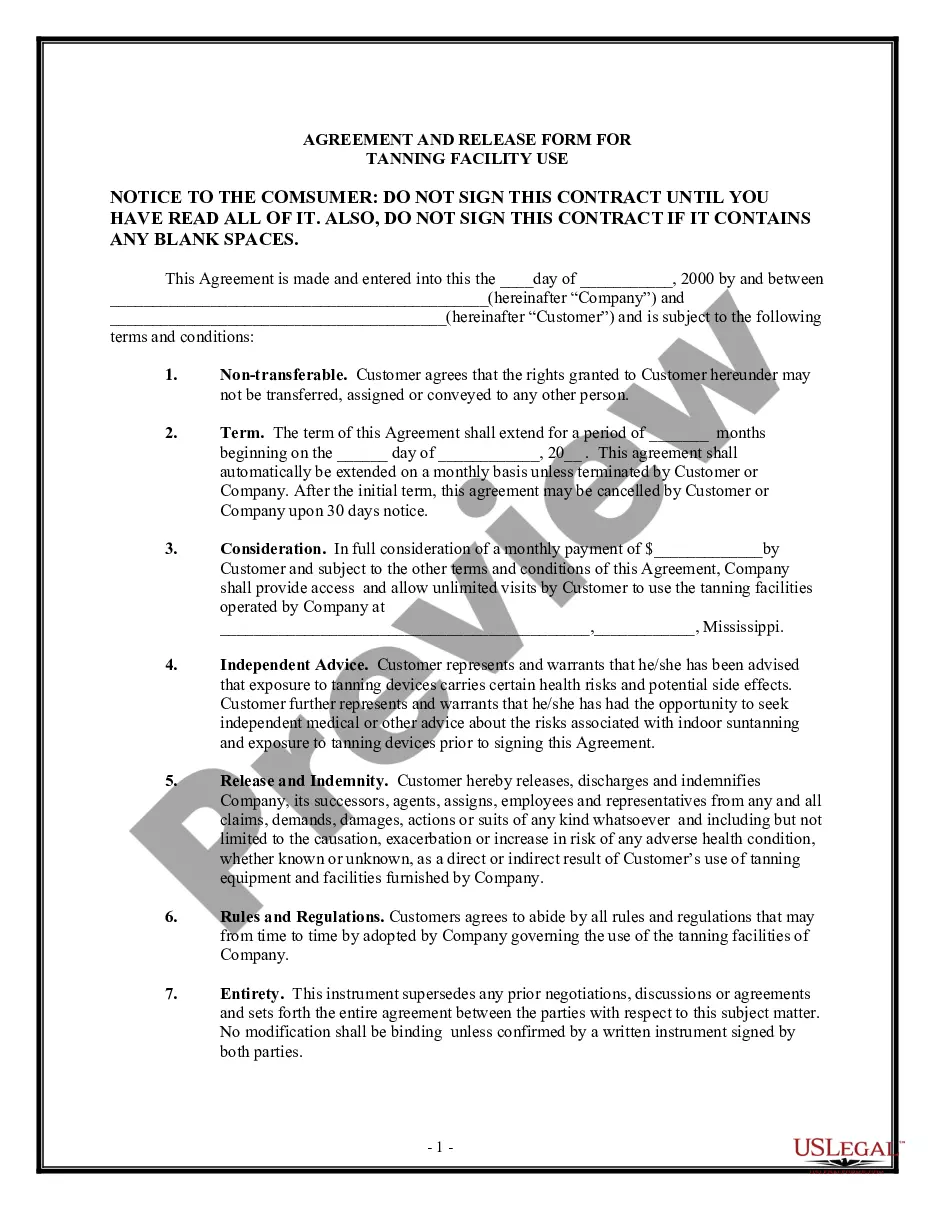
Personal Injury Release Agreement Form California In Montgomery
Description

Get your form ready online
Our built-in tools help you complete, sign, share, and store your documents in one place.
Make edits, fill in missing information, and update formatting in US Legal Forms—just like you would in MS Word.
Download a copy, print it, send it by email, or mail it via USPS—whatever works best for your next step.
Sign and collect signatures with our SignNow integration. Send to multiple recipients, set reminders, and more. Go Premium to unlock E-Sign.
If this form requires notarization, complete it online through a secure video call—no need to meet a notary in person or wait for an appointment.
We protect your documents and personal data by following strict security and privacy standards.

Make edits, fill in missing information, and update formatting in US Legal Forms—just like you would in MS Word.

Download a copy, print it, send it by email, or mail it via USPS—whatever works best for your next step.

Sign and collect signatures with our SignNow integration. Send to multiple recipients, set reminders, and more. Go Premium to unlock E-Sign.

If this form requires notarization, complete it online through a secure video call—no need to meet a notary in person or wait for an appointment.

We protect your documents and personal data by following strict security and privacy standards.
Looking for another form?




Form popularity
FAQ
To file a personal injury claim without a lawyer, you'll need to identify the parties responsible for your injuries, gather crucial evidence to support your claim, collect their insurance information, and then contact the claims department to file.
The release agreement will contain a written statement of the terms of the settlement between the parties. A key part of any release agreement is the language that states that the plaintiff is barred from pursuing any further claims against the defendant.
Example for a general release: “The Releasor hereby releases and forever discharges the Releasee from all claims, demands, and liabilities of any nature, known or unknown, arising from or related to Releasor's employment with Releasee.”
Usually, a settlement agreement will include the following: Parties involved. Clearly define who the parties to the agreement are. Background information. Settlement amount. Payment terms. Release of claims. Confidentiality clause. Governing law. Other provisions.
A settlement can take anywhere from a few weeks to over five years to close. Straightforward personal injury cases, like a car accident lawsuit from a rear-end collision, are more likely to resolve quickly. A medical malpractice case is more likely to take several years.
A release in a personal injury settlement is a legally binding document signed by the plaintiff in exchange for compensation from the defendant or their insurance company.
How do I write a Mutual Release? Title the Agreement: Clearly label the document as a “Mutual Release Agreement.” Identify the Parties: Include the full legal names and contact information of all parties involved. Recitals: Provide a brief background of the situation leading to the mutual release.
The Release of All Claims Form typically consists of specific details of the incident, including: Names and contact information of all parties involved. Description of the incident or dispute. Settlement amount, if applicable. Date and location of the event leading to the claim. Signatures of the Releasor and Releasee.
How Do I Write a Mutual Agreement? Introduction: State the purpose of the agreement clearly. Parties Involved: Identify who the parties in the contract are. Terms and Conditions: Detail what is agreed upon, including obligations, responsibilities, and rights. Effective Date: Specify when the agreement takes effect.
A Mutual Release is a legal agreement between two or more parties where each party agrees to release the other from any claims, liabilities, or obligations arising from a particular contract, dispute, or situation.