Personal Injury Release Without A Lawyer In Minnesota
Description

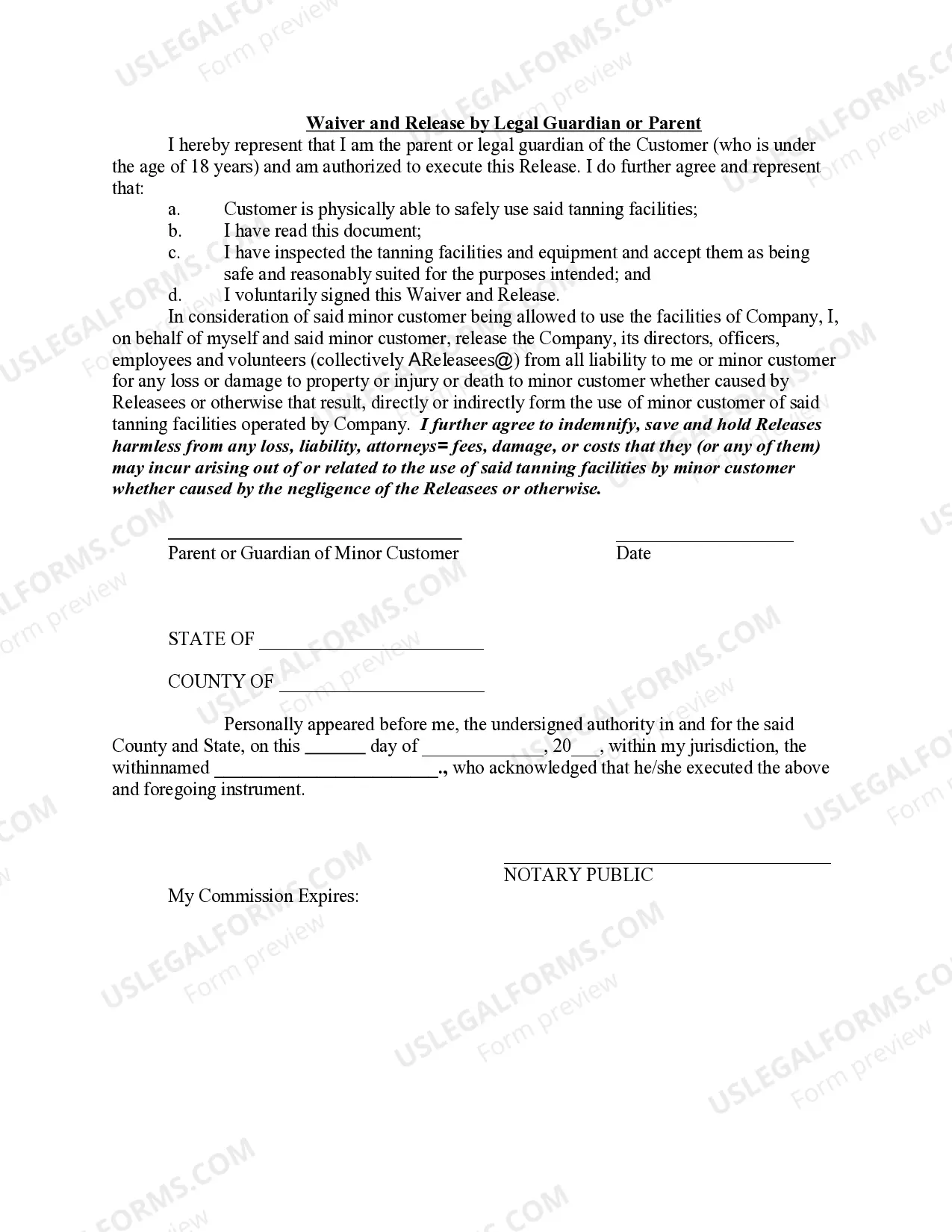
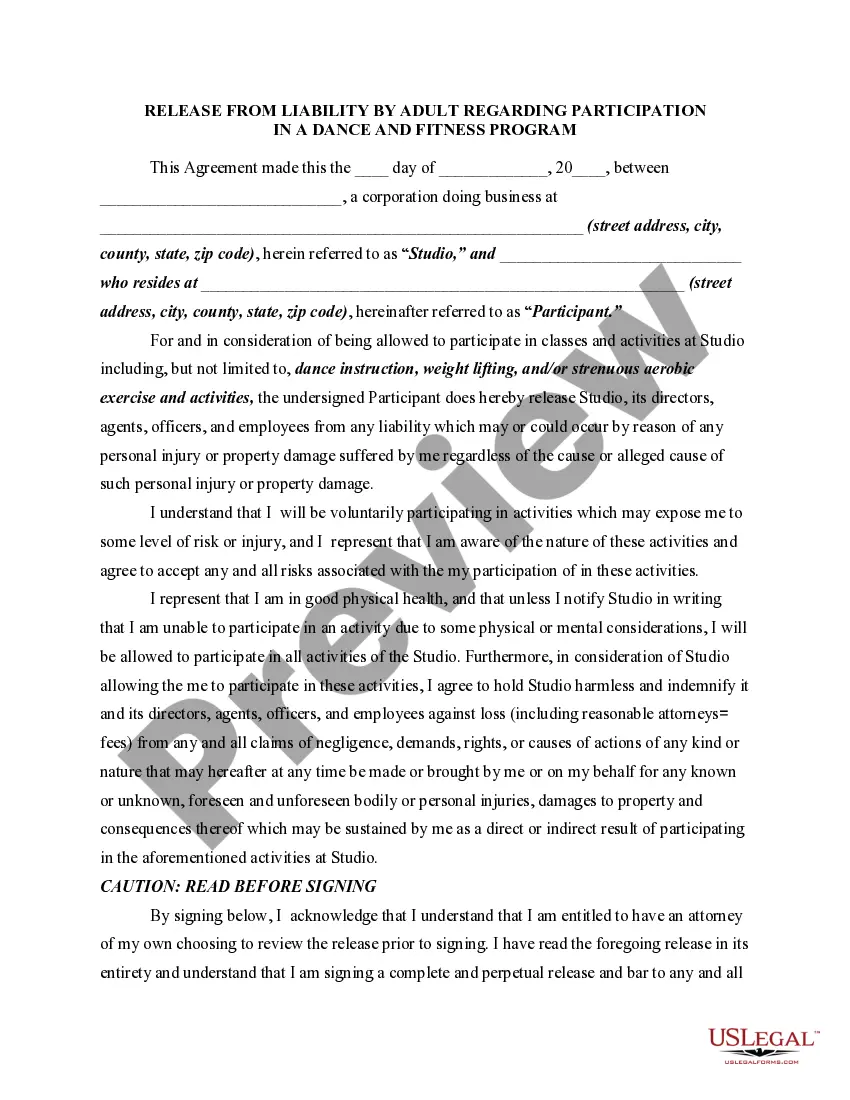
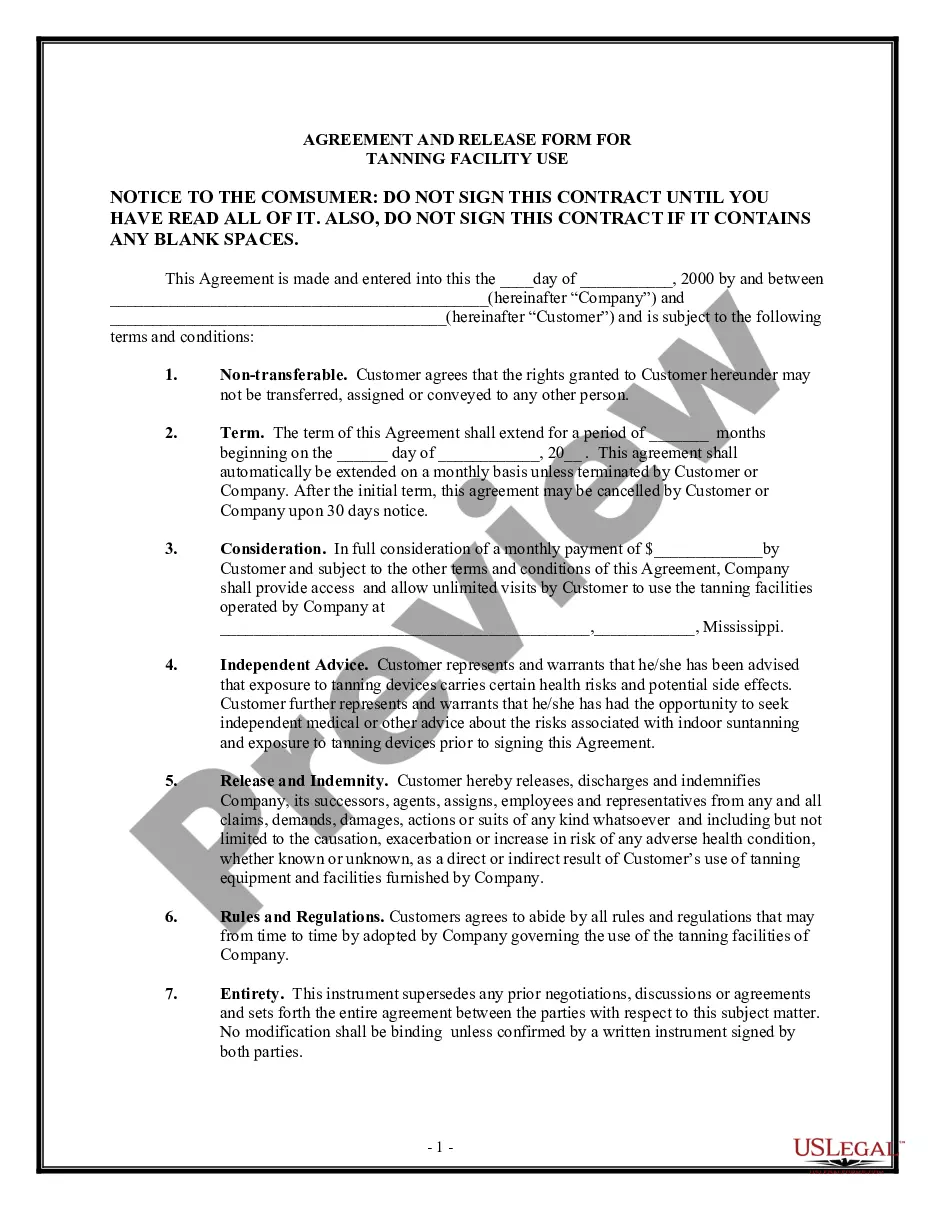
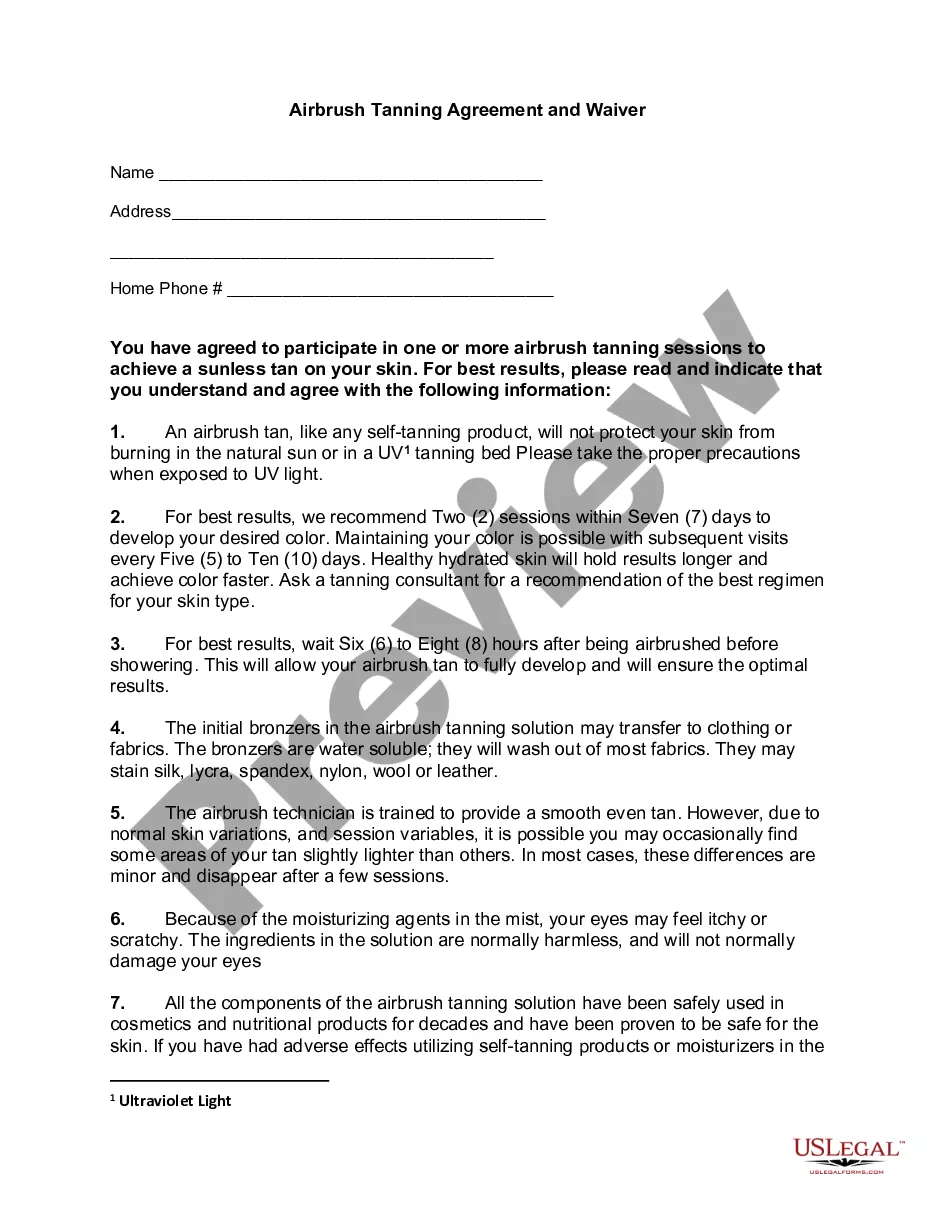
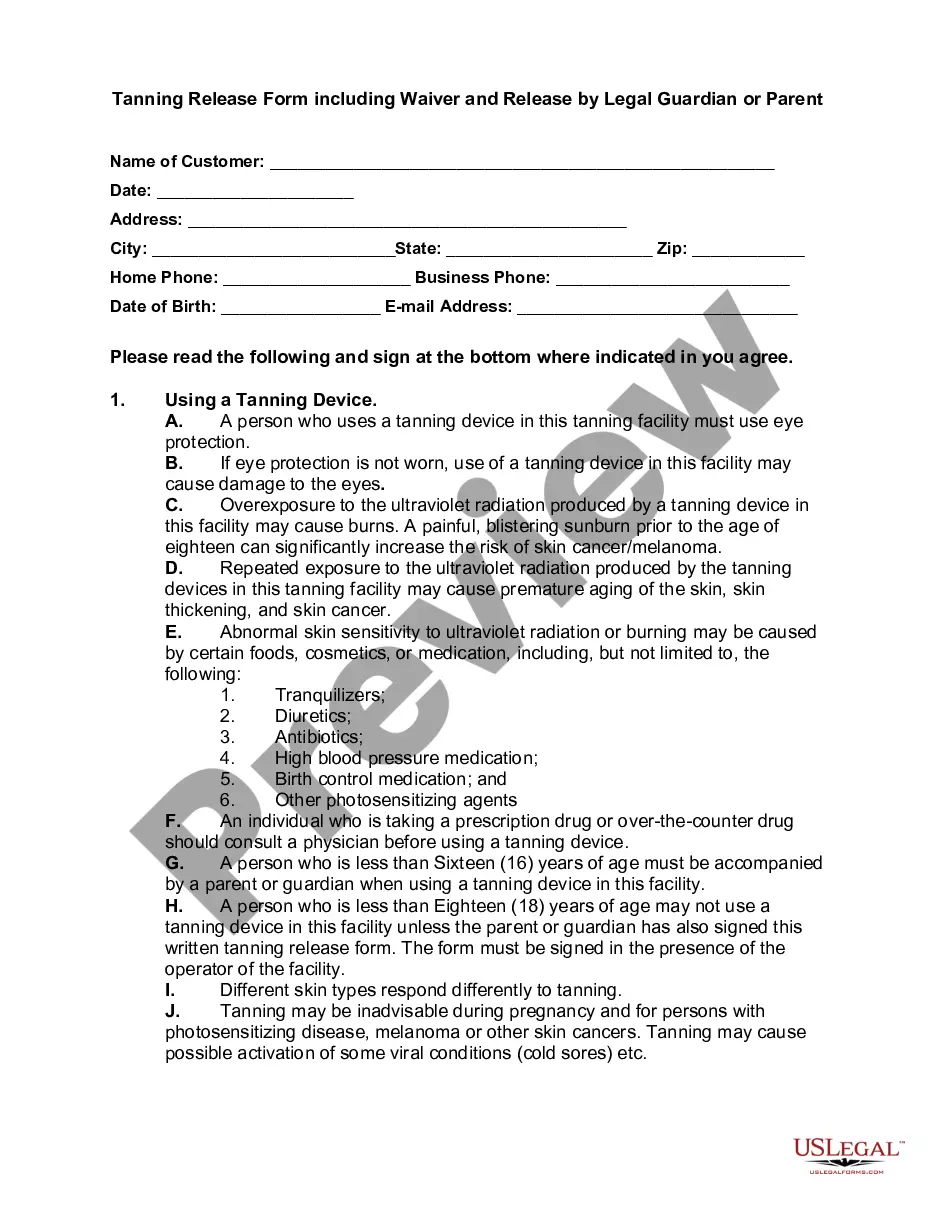
Get your form ready online
Our built-in tools help you complete, sign, share, and store your documents in one place.
Make edits, fill in missing information, and update formatting in US Legal Forms—just like you would in MS Word.
Download a copy, print it, send it by email, or mail it via USPS—whatever works best for your next step.
Sign and collect signatures with our SignNow integration. Send to multiple recipients, set reminders, and more. Go Premium to unlock E-Sign.
If this form requires notarization, complete it online through a secure video call—no need to meet a notary in person or wait for an appointment.
We protect your documents and personal data by following strict security and privacy standards.

Make edits, fill in missing information, and update formatting in US Legal Forms—just like you would in MS Word.

Download a copy, print it, send it by email, or mail it via USPS—whatever works best for your next step.

Sign and collect signatures with our SignNow integration. Send to multiple recipients, set reminders, and more. Go Premium to unlock E-Sign.

If this form requires notarization, complete it online through a secure video call—no need to meet a notary in person or wait for an appointment.

We protect your documents and personal data by following strict security and privacy standards.
Looking for another form?




Form popularity
FAQ
It's important to note there are two types of injury compensation (damages): General Damagescompensate you for the pain and suffering of your injuries and the impact they've had on your life. Special damages reimburse you for any financial losses you incurred as a direct result of the accident and your injuries.
The Most Common Types of Personal Injury Cases Car Accidents. Motorcycle Accidents. Truck Accidents. Uber & Lyft Accidents. Pedestrian Accidents. Wrongful Deaths. Slip & Fall Accidents. Animal Bites and Attacks.
The result of a settlement agreement involves the responsible party paying a certain amount to compensate for the damages caused to the victim.
An average personal injury settlement amount is anywhere between $3,000 and $75,000. Be careful when using an average personal injury settlement calculator to give you an idea of what you may stand to collect. These numbers really depend on your individual case and are hard to predict without a professional.
For personal injury claims arising from a motor vehicle accident, Minnesota law generally provides a six-year window from the date of the accident to file a lawsuit. This timeframe offers ample opportunity to assess the full extent of injuries and related damages.
Time limits The most common claim in a personal injury case is negligence and the time limit for this is 3 years. This means that court proceedings must be issued within 3 years of you first being aware that you have suffered an injury.
The amount of compensation that can be claimed for general damages depends on the type of injury and suffering experienced, and the severity of it, as well as how long quality of life is affected. Therefore, there isn't a 'one sum suits all' approach to general damages; every single claim is different.
Two years: If you are harmed or injured by intentional misconduct such as situations involving assault, battery, libel/slander/defamation or false imprisonment, you generally have two years to file your suit. Four years: If you are the victim of medical malpractice, you have four years to file your suit.
Overview of Minnesota's Civil Statute of Limitations Injury to PersonTwo years (Minn Stat. § 541.07(1)) Libel/Slander Two years (Minn Stat. § 541.07(1)) Fraud Six years (Minn. Stat. § 541.05(6)) Injury to Personal Property Six years (Minn. Stat. § 541.05(4))6 more rows
No-fault insurance also is referred to as personal injury protection (PIP). Minnesota requires that a minimum PIP coverage of $20,000 for medical care and $20,000 for wage loss/replacement services be available to every person involved in an accident.
