Personal Injury Release With A Pre-existing Condition In Miami-Dade
Description

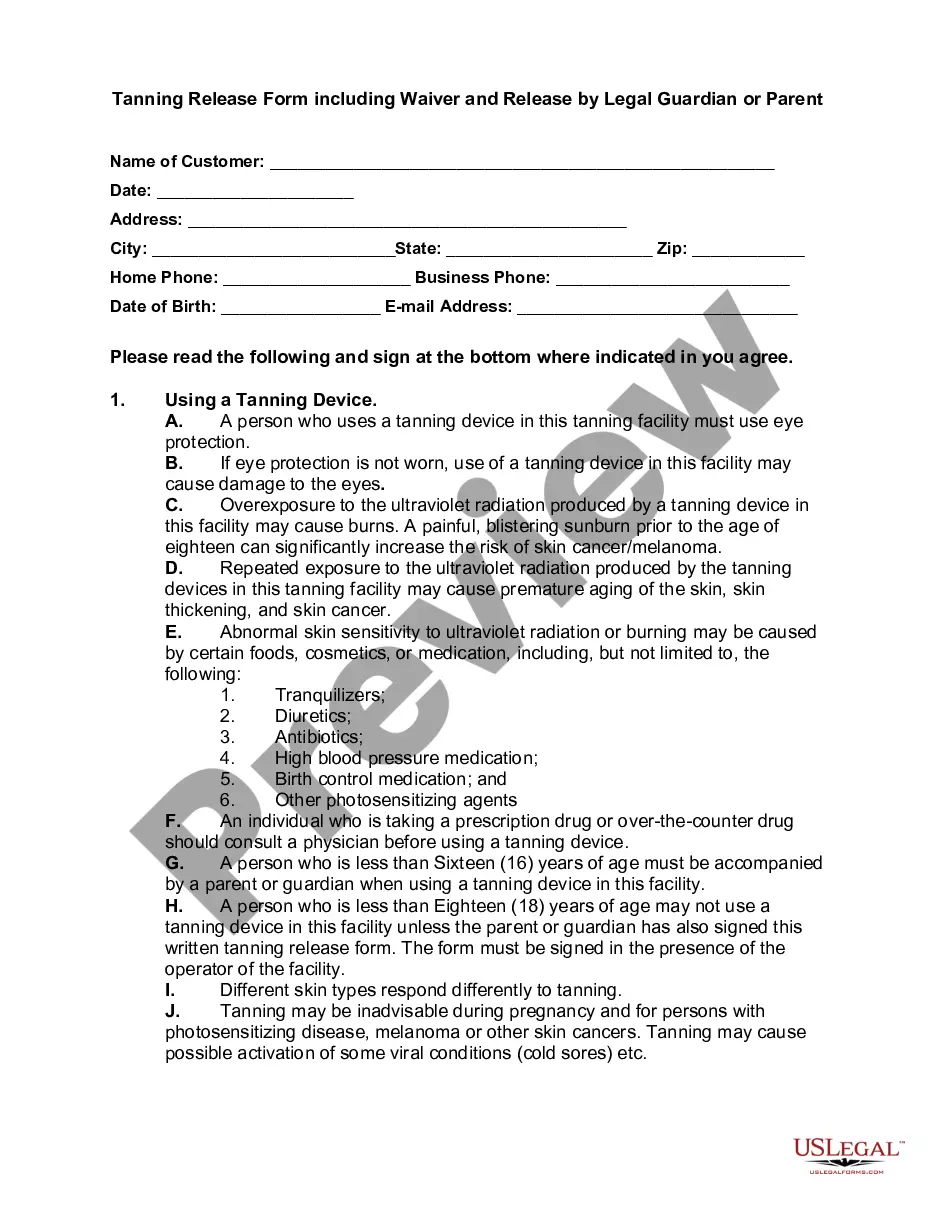
Get your form ready online
Our built-in tools help you complete, sign, share, and store your documents in one place.
Make edits, fill in missing information, and update formatting in US Legal Forms—just like you would in MS Word.
Download a copy, print it, send it by email, or mail it via USPS—whatever works best for your next step.
Sign and collect signatures with our SignNow integration. Send to multiple recipients, set reminders, and more. Go Premium to unlock E-Sign.
If this form requires notarization, complete it online through a secure video call—no need to meet a notary in person or wait for an appointment.
We protect your documents and personal data by following strict security and privacy standards.

Make edits, fill in missing information, and update formatting in US Legal Forms—just like you would in MS Word.

Download a copy, print it, send it by email, or mail it via USPS—whatever works best for your next step.

Sign and collect signatures with our SignNow integration. Send to multiple recipients, set reminders, and more. Go Premium to unlock E-Sign.

If this form requires notarization, complete it online through a secure video call—no need to meet a notary in person or wait for an appointment.

We protect your documents and personal data by following strict security and privacy standards.
Looking for another form?






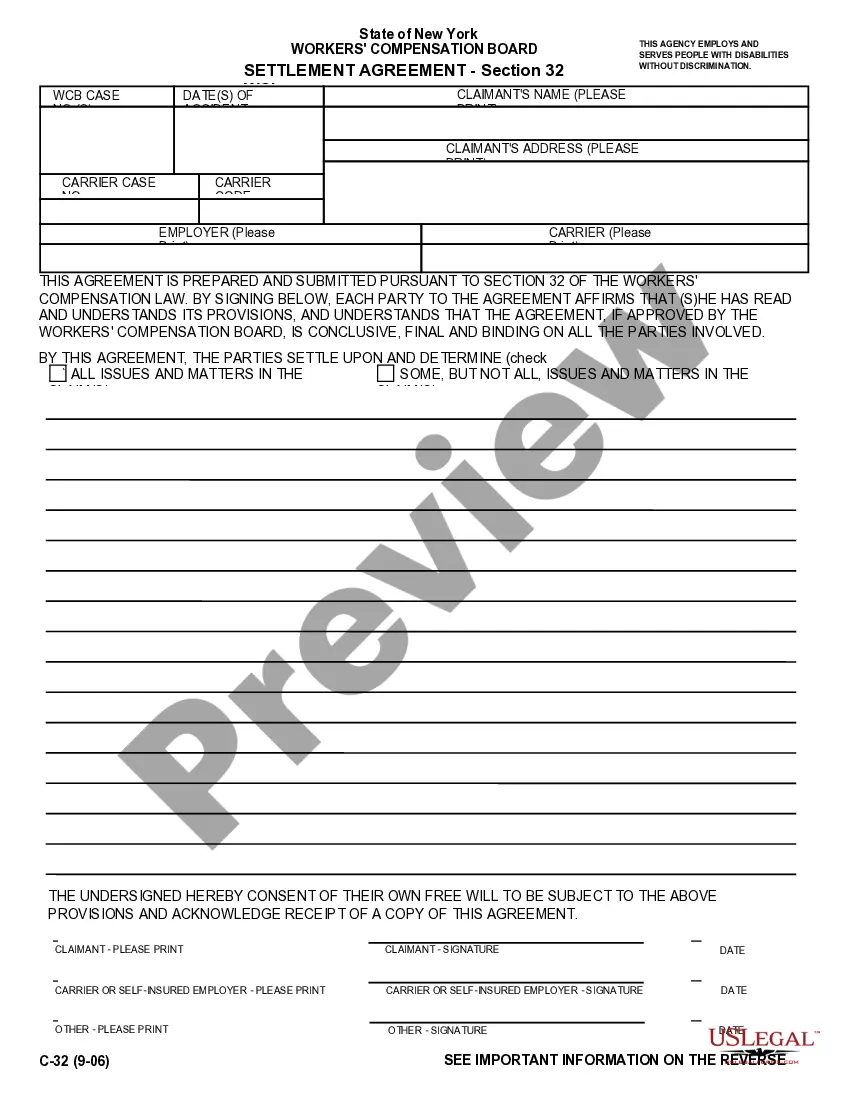


Form popularity
FAQ
This means that you must file a lawsuit within two years after the date of discovery. Overall, you must file your case within two years (updated March 2023) after the procedure leading to the injury, a deadline known as the statute of repose.
Aggravation of pre-existing condition or disability: We must show that the negligent act and resulting injury had a worsening effect on the pre-existing condition, made the pre-existing condition symptomatic or more difficult to treat.
Under Florida Statute § 95.11(5)(a), you typically have two years from the date of injury to file a personal injury lawsuit. The personal injury statute of limitations was four years up until 2023. This filing deadline applies to most injury cases, including car accidents, slip and falls, and dog bites.
Owners of vehicles registered in Florida require at least $10,000 of personal injury protection cover. $10,000 of cover is required for bodily injuries to one person, and $20,000 of cover is required for bodily injuries to two or more people.
You should get legal advice urgently if you want to claim compensation. The most common claim in a personal injury case is negligence and the time limit for this is 3 years. This means that court proceedings must be issued within 3 years of you first being aware that you have suffered an injury.
The Protocol promotes the practice of the claimant obtaining a medical report, disclosing it to the defendant who then asks questions and/or agrees it and does not obtain their own report. The Protocol provides for nomination of the expert by the claimant in personal injury claims.
In March 2023, Florida passed H.B. 837. Governor Ron DeSantis signed the bill into law. This new law reduced the statute of limitations from four years to two years for cases based on negligence. The law affects the filing deadline for accidents that occurred after the effective date of March 24, 2023.
New Requirements for Florida Drivers If passed, the new PIP law Florida changes will require drivers to show proof of mandatory bodily injury coverage before they may register a motor vehicle with the State.
Florida Statutes Section 95.11(4) requires that most personal injury cases are filed within two years of the date of the incident. This time limit applies to cases involving the following: Slips and falls. Car accidents.
