Agreement Personal Injury For Car Insurance In Maricopa
Description

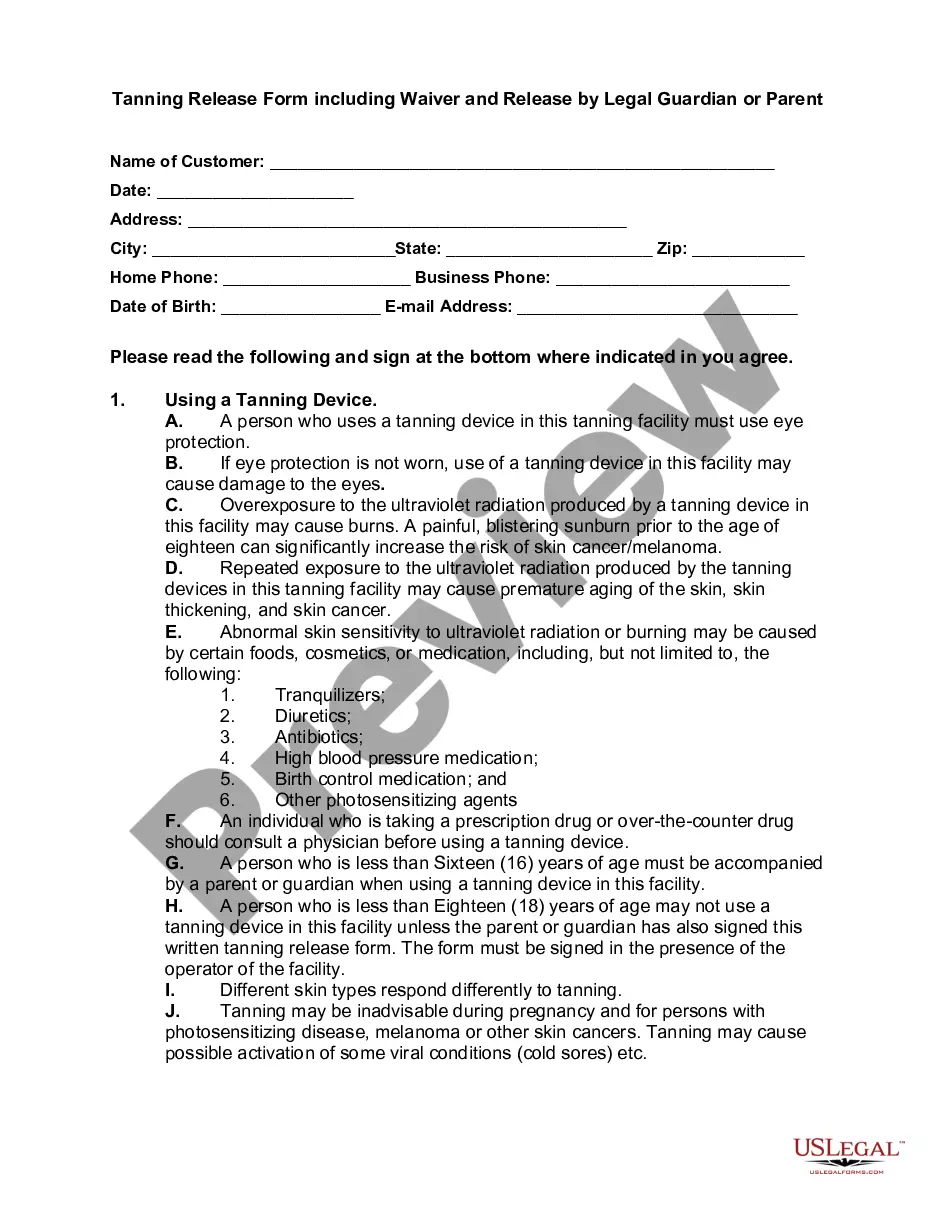
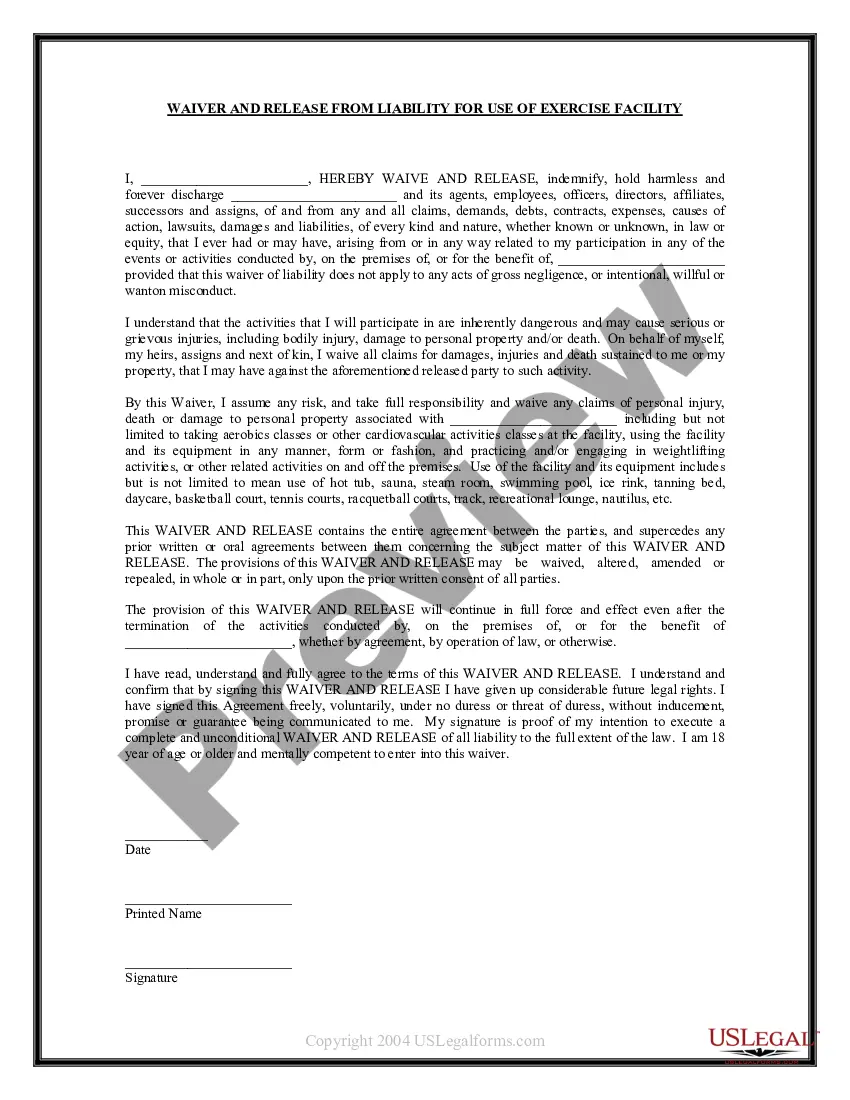
Get your form ready online
Our built-in tools help you complete, sign, share, and store your documents in one place.
Make edits, fill in missing information, and update formatting in US Legal Forms—just like you would in MS Word.
Download a copy, print it, send it by email, or mail it via USPS—whatever works best for your next step.
Sign and collect signatures with our SignNow integration. Send to multiple recipients, set reminders, and more. Go Premium to unlock E-Sign.
If this form requires notarization, complete it online through a secure video call—no need to meet a notary in person or wait for an appointment.
We protect your documents and personal data by following strict security and privacy standards.

Make edits, fill in missing information, and update formatting in US Legal Forms—just like you would in MS Word.

Download a copy, print it, send it by email, or mail it via USPS—whatever works best for your next step.

Sign and collect signatures with our SignNow integration. Send to multiple recipients, set reminders, and more. Go Premium to unlock E-Sign.

If this form requires notarization, complete it online through a secure video call—no need to meet a notary in person or wait for an appointment.

We protect your documents and personal data by following strict security and privacy standards.
Looking for another form?
Form popularity
FAQ
Unnecessary Details The insurance adjuster doesn't need to hear your entire life story. Sharing personal anecdotes or irrelevant experiences might even hurt your claim. Stick to the facts and avoid extra details about your family, job history, prior injuries, or unrelated accidents.
Get the claim amount. Contact your insurer. The first step of insurance claim process is to contact your insurer and intimate about the claim. Fill your claim form and attach the relevant documents. A surveyor conducts damage evaluation. Acceptance of your claim. Get the claim amount.
If you want to take legal action to claim compensation for a personal injury, you will need to get advice from a solicitor specialising in these types of cases. This must be done as soon as possible as there are strict time limits on taking legal action.
No, Arizona does not have personal injury protection insurance. Arizona is an at-fault state, so it does not require drivers to have PIP, since the at-fault driver is responsible for paying for the other driver's damages.
A: A personal injury in Arizona that is eligible for a claim is an injury caused by carelessness, misconduct, or malice by another person or entity. When another party breaches the duty of care that they owe to others around them, they can be held liable for the damages they cause.
5 Things Not to Say to an Insurance Adjuster Do Not Admit Fault. Do Not Minimize Personal Injuries to Adjuster. Do Not Describe Your Injuries. Do Not Hypothesize What Happened During the Accident. Do Not Provide a Recorded Statement.
Some key phrases to avoid saying to an insurance adjuster include: “I'm sorry.” “It was all/partly my fault.” “I did not see the other person/driver.”
Key Differences A personal accident doesn't require intent, as it is accidental by nature. It can describe any unfortunate event that led to harm. However, personal injury is used to describe harm caused by the recklessness, negligence, or wrongdoing of another party.
$25,000 for one person sustaining bodily injury or death in an accident, $50,000 for two or more persons sustaining bodily injury or death in an accident, and. $15,000 for damage to others' property.
