Escrow Release Form For Mortgage In Sacramento
Description
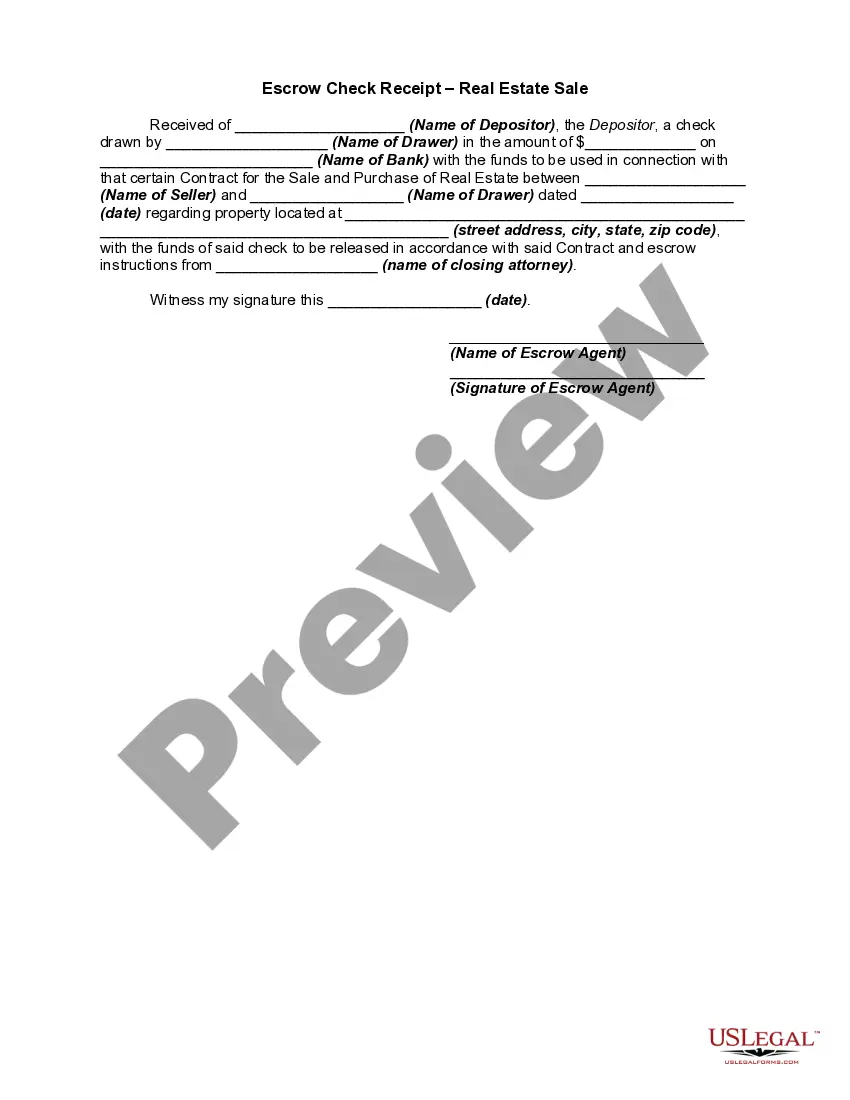
Get your form ready online
Our built-in tools help you complete, sign, share, and store your documents in one place.
Make edits, fill in missing information, and update formatting in US Legal Forms—just like you would in MS Word.
Download a copy, print it, send it by email, or mail it via USPS—whatever works best for your next step.
Sign and collect signatures with our SignNow integration. Send to multiple recipients, set reminders, and more. Go Premium to unlock E-Sign.
If this form requires notarization, complete it online through a secure video call—no need to meet a notary in person or wait for an appointment.
We protect your documents and personal data by following strict security and privacy standards.

Make edits, fill in missing information, and update formatting in US Legal Forms—just like you would in MS Word.

Download a copy, print it, send it by email, or mail it via USPS—whatever works best for your next step.

Sign and collect signatures with our SignNow integration. Send to multiple recipients, set reminders, and more. Go Premium to unlock E-Sign.

If this form requires notarization, complete it online through a secure video call—no need to meet a notary in person or wait for an appointment.

We protect your documents and personal data by following strict security and privacy standards.
Looking for another form?



Form popularity
FAQ
A release of mortgage, commonly known as a discharge of mortgage, is a legal document issued by the lender acknowledging that the mortgage debt is settled.
Property ownership information can be requested from the County Registrar-Recorder/County Clerk.
How long does the whole process take? The buyer and seller agree to an escrow timeline during contract negotiations, and each sale varies, but normally escrow takes around 30 to 60 days to close.
Only after the escrow company receives confirmation from the title company that the documents have been recorded does the escrow officer verify all the charges and issue net proceeds to the seller and distribute funds to any appropriate parties.
In addition the following information should be included: The Payee Name. The Owner(s) of the mortgage holder. Total amount of mortgage. Mortgage date of execution. Full and legal description of the property to include tax parcel number. Acknowledgement that all payments have been made in full.
The Escrow Holder: prepares escrow instructions. requests a preliminary title search to determine the present condition of title to the property. requests a beneficiary's statement if debt or obligation is to be taken over by the buyer. complies with lender's requirements, specified in the escrow agreement.
The escrow letter is typically issued by a title company and states that all necessary documents and funds related to the transaction have been received and will be processed when the transaction is completed.
The Escrow Closing Notice applies to closed-end consumer credit transactions secured by a first lien on real property or a dwelling. The term "dwelling" uses the existing definition in Regulation Z, which includes vacation, second, and manufactured homes.

