Sample Retainer Agreement For Personal Injury In Houston
Description

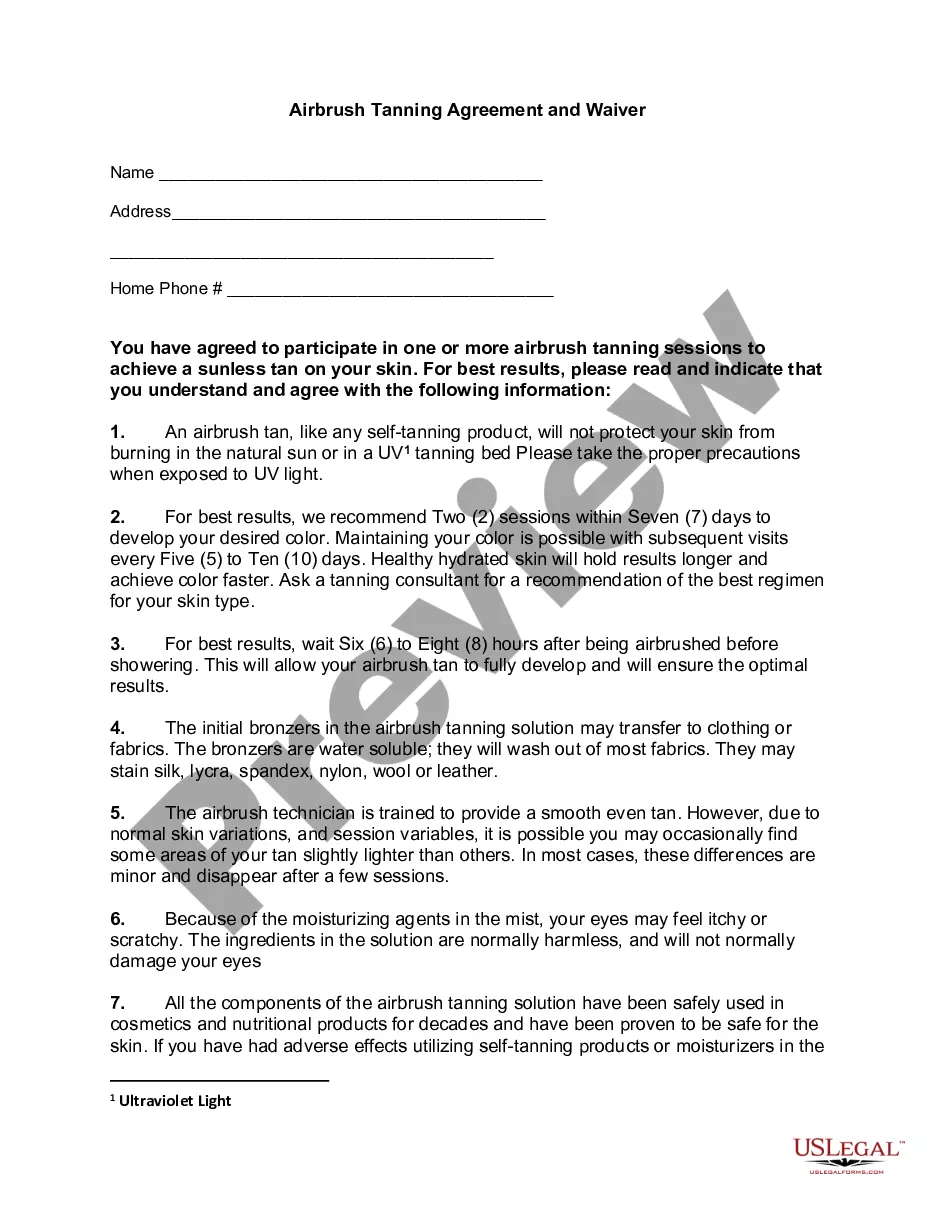
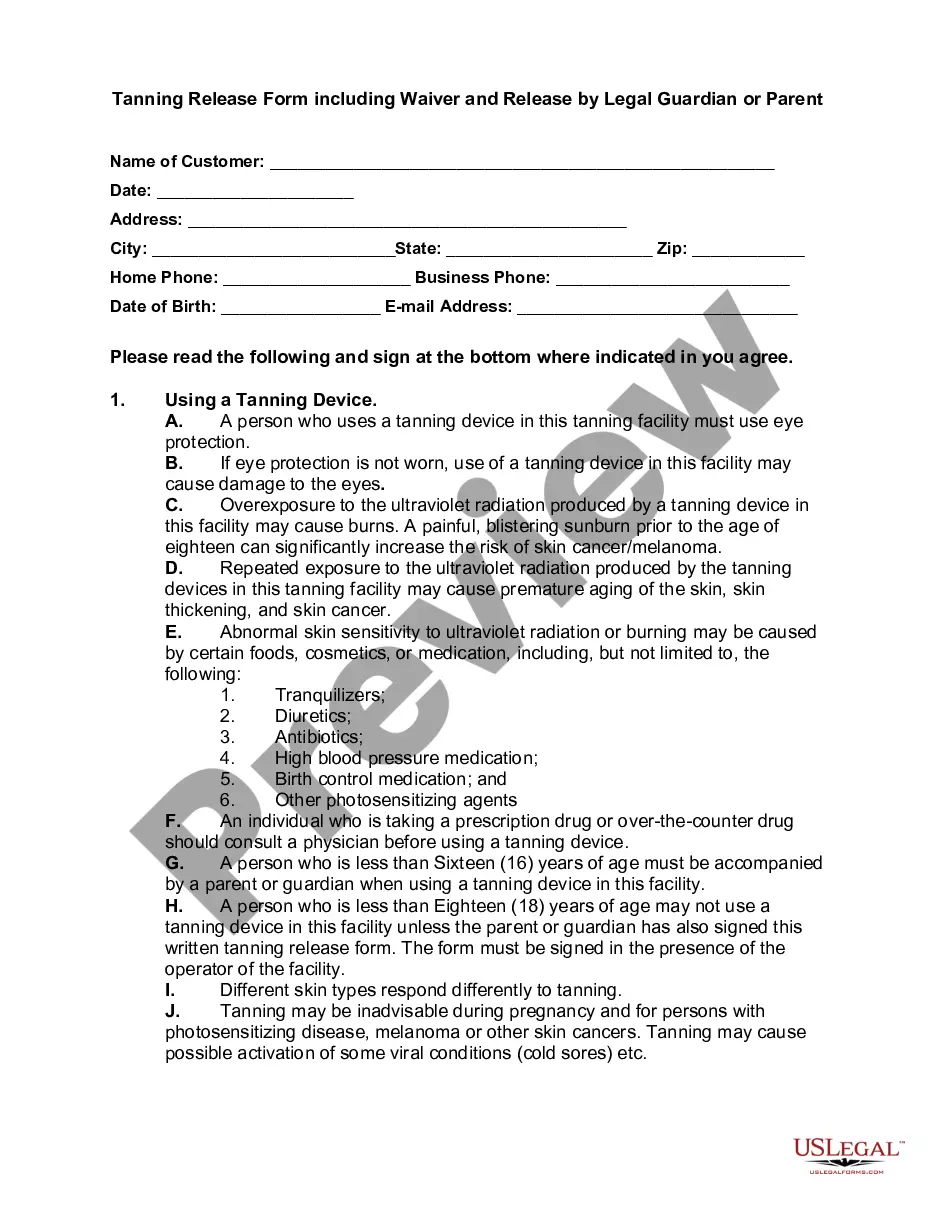
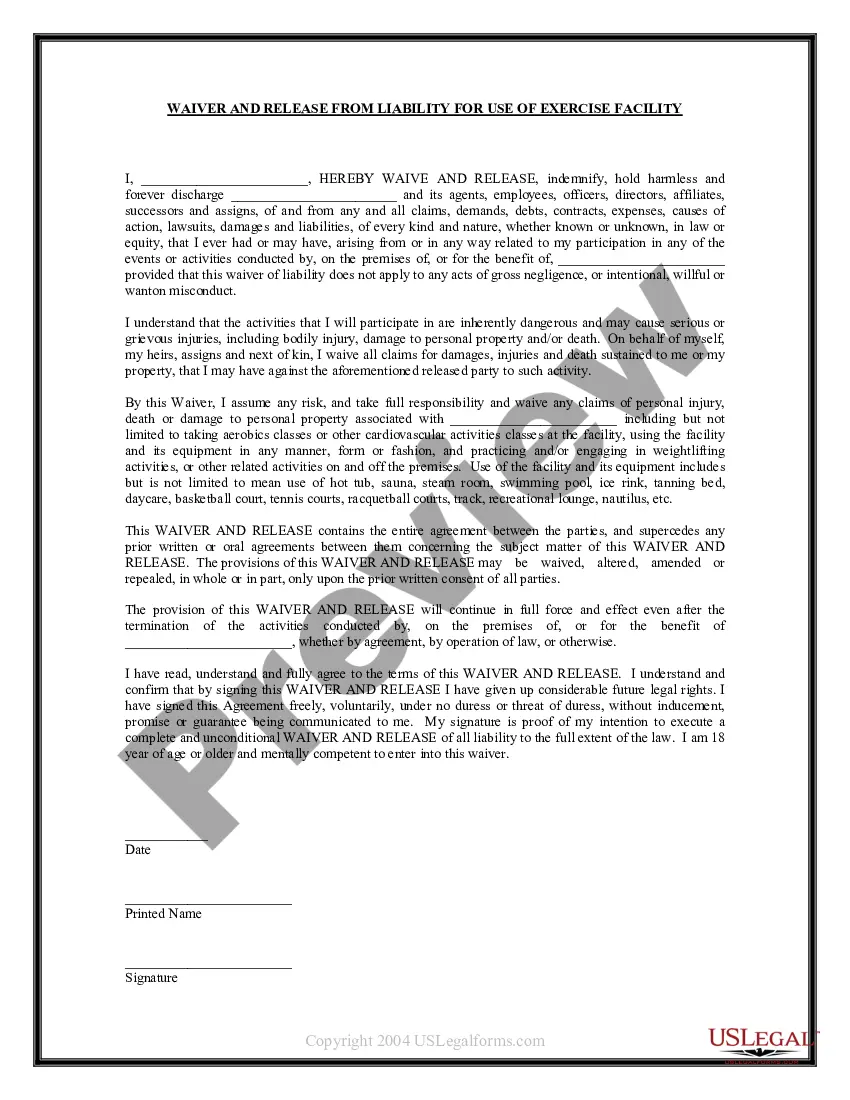
Get your form ready online
Our built-in tools help you complete, sign, share, and store your documents in one place.
Make edits, fill in missing information, and update formatting in US Legal Forms—just like you would in MS Word.
Download a copy, print it, send it by email, or mail it via USPS—whatever works best for your next step.
Sign and collect signatures with our SignNow integration. Send to multiple recipients, set reminders, and more. Go Premium to unlock E-Sign.
If this form requires notarization, complete it online through a secure video call—no need to meet a notary in person or wait for an appointment.
We protect your documents and personal data by following strict security and privacy standards.

Make edits, fill in missing information, and update formatting in US Legal Forms—just like you would in MS Word.

Download a copy, print it, send it by email, or mail it via USPS—whatever works best for your next step.

Sign and collect signatures with our SignNow integration. Send to multiple recipients, set reminders, and more. Go Premium to unlock E-Sign.

If this form requires notarization, complete it online through a secure video call—no need to meet a notary in person or wait for an appointment.

We protect your documents and personal data by following strict security and privacy standards.
Looking for another form?
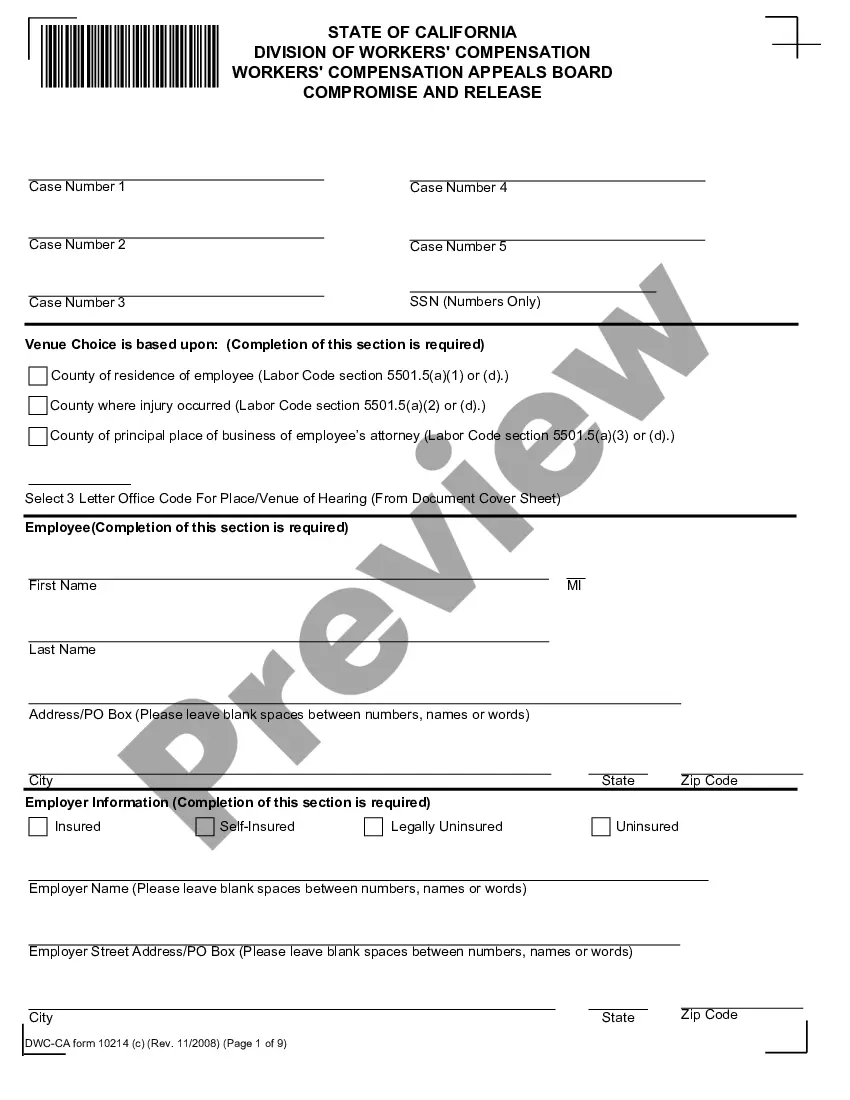









Form popularity
FAQ
Key elements of a personal injury demand letter Introduction and background information. Description of the incident and injuries. Medical documentation and treatment details. Demand for compensation and (possibly) settlement amount. Contact information and next steps. Create a strong and convincing narrative.
Retainer agreements (also referred to as representation agreements) are a type of compensation agreement with lawyers either for reserving their employment or as compensation for future services. Also inside the agreement are details on the scope and procedure for the representation.
In Texas, attorney retainer agreements must comply with the Texas Disciplinary Rules of Professional Conduct, specifically Rule 1.04, which addresses fees and the division of fees. This rule mandates that the fees charged must be reasonable and outlines the factors considered in determining reasonableness.
The retainer agreement does not bind you to your lawyer. You can terminate the client-attorney relationship at any time.
The average contingency rate falls between 20-40%, with most lawyers charging around 33% to 35% of the total amount recovered in a case. The exact percentage can vary depending on the complexity of the case, the lawyer's experience, and the stage at which the case is resolved.
Requirements about terminating the retainer can largely be found in the Solicitors Act 1974 and case law. There is a unified message: to terminate a retainer you must have good cause and you must give reasonable notice to the client.
If either you or your attorney terminate the relationship before the retainer is exhausted, and if allowed by the agreement and applicable laws, the remaining portion of the retainer may be refundable. Ensure the termination terms in your agreement are clear and consult a legal professional if needed.
Under Rule 13, a solicitor must only terminate a retainer if there is 'just cause' and 'reasonable notice'. Rule 13.2 and 13.3 add further requirements for solicitors representing clients facing serious criminal charges or where a client's legal aid has been withdrawn.