Agreement Personal Injury Sample With No Experience In Houston
Description

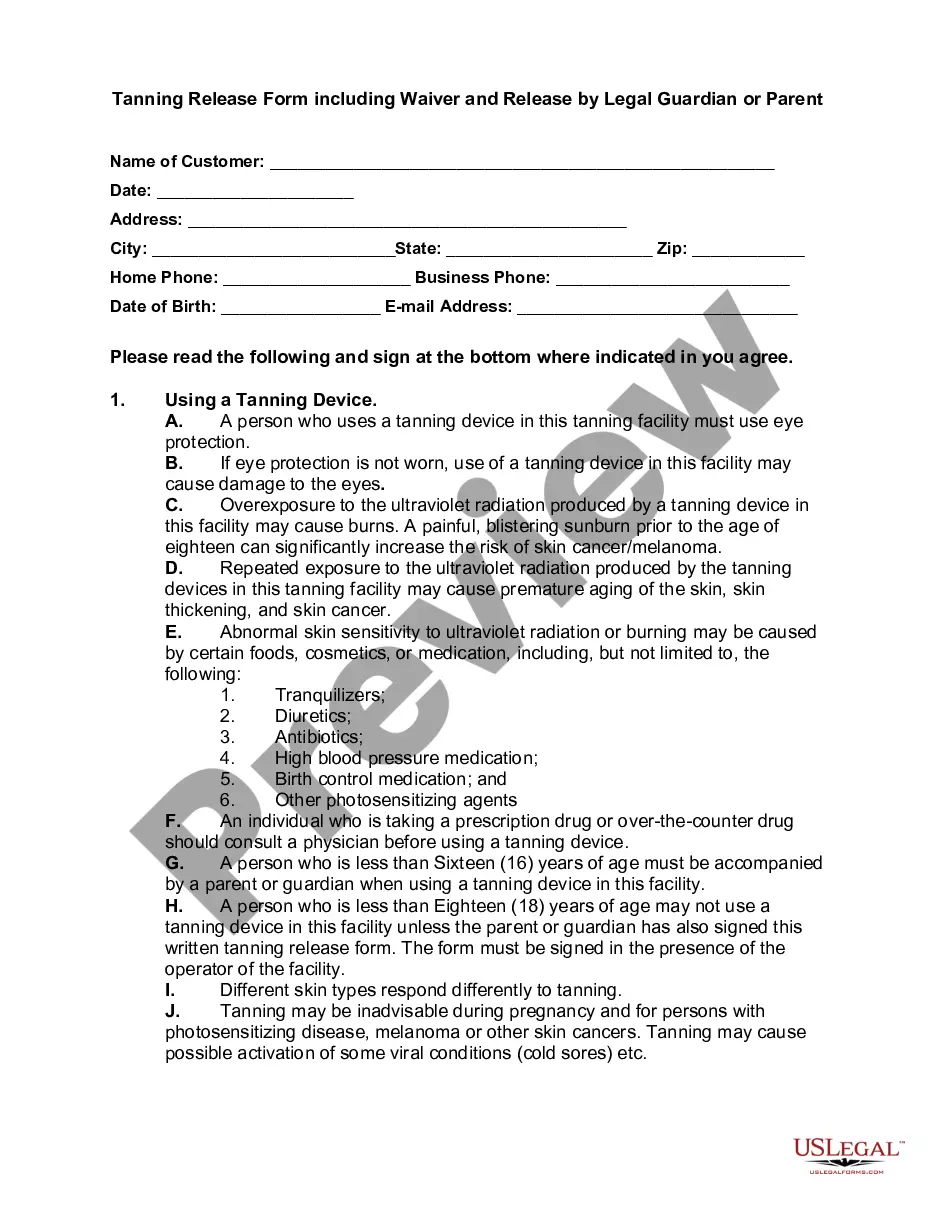
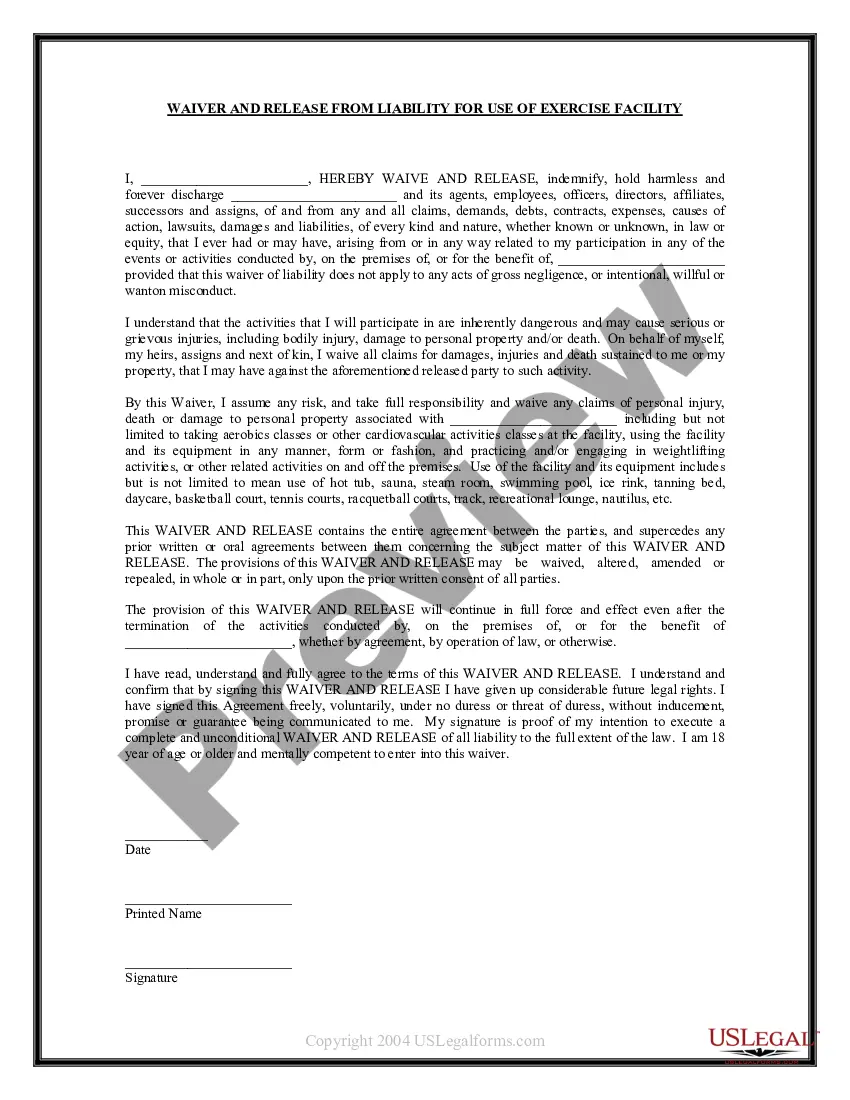
Get your form ready online
Our built-in tools help you complete, sign, share, and store your documents in one place.
Make edits, fill in missing information, and update formatting in US Legal Forms—just like you would in MS Word.
Download a copy, print it, send it by email, or mail it via USPS—whatever works best for your next step.
Sign and collect signatures with our SignNow integration. Send to multiple recipients, set reminders, and more. Go Premium to unlock E-Sign.
If this form requires notarization, complete it online through a secure video call—no need to meet a notary in person or wait for an appointment.
We protect your documents and personal data by following strict security and privacy standards.

Make edits, fill in missing information, and update formatting in US Legal Forms—just like you would in MS Word.

Download a copy, print it, send it by email, or mail it via USPS—whatever works best for your next step.

Sign and collect signatures with our SignNow integration. Send to multiple recipients, set reminders, and more. Go Premium to unlock E-Sign.

If this form requires notarization, complete it online through a secure video call—no need to meet a notary in person or wait for an appointment.

We protect your documents and personal data by following strict security and privacy standards.
Looking for another form?




Form popularity
FAQ
10 best practices for writing a personal injury demand letter Thoroughly review the case. Start with a clear introduction. Detail the facts of the case. Document injuries and treatment. Include economic damages. Outline Non-Economic Damages. Be specific in your demand for compensation. Use persuasive language.
Ing to the Texas Department of Insurance, a Texas average personal injury settlement typically falls between $30,000 and $40,000, ing to industry reports.
The personal injury claims process Work out who was responsible. Gather evidence. Assess your injuries. Arrange medical care or rehabilitation. Review recovery. Work out your compensation amount. Reach a settlement. Compensation payment.
The dates and times of any subsequent medical visits. Photographs of your injuries, including any subsequent scarring. Pictures of the accident site showing the aftermath of the accident (if possible) Diagrams depicting how the accident occurred (e.g., which direction cars were travelling in an RTA)
Steps to Filing a Personal Injury Lawsuit in Texas Obtain Medical Treatment for Injuries. File an Insurance Claim. Consult with a Personal Injury Lawyer. Conduct an Accident Investigation. Send a Settlement Demand Letter. File a Personal Injury Lawsuit. The Discovery Process. Settlement Negotiations and Trial Preparation.
Most settlements and court awards will be approximately $3,000 to $75,000. The likelihood of receiving a payout in this range is approximately 70%. Below we'll map out California personal injury settlements by case type.
How Personal Injury Claims are Resolved. Statistics show that most personal injury cases in Texas are settled out of court between the injured party and the at-fault party's insurance company, even though Texas law prohibits you from suing directly the at-fault defendant's insurance company.
Texas 2-year Statute of Limitation for Personal Injury A person must bring a suit for personal injury not later than two years after the day the cause of action accrues.
What evidence does your solicitor need to make a personal injury claim? Evidence of your injuries. Evidence of financial losses. Loss of earnings. Medication and treatment costs. Travel expenses. Damage to personal property. Care and assistance. Who can make a personal injury claim?
Your lawyer may employ several methods to prove pain and suffering in your personal injury or medical malpractice claim. Some documents your lawyer may use to prove that your pain and suffering exist include: Medical bills. Medical records, including your treatment records.