Bodily Injury Release Form Florida In Hillsborough
Description

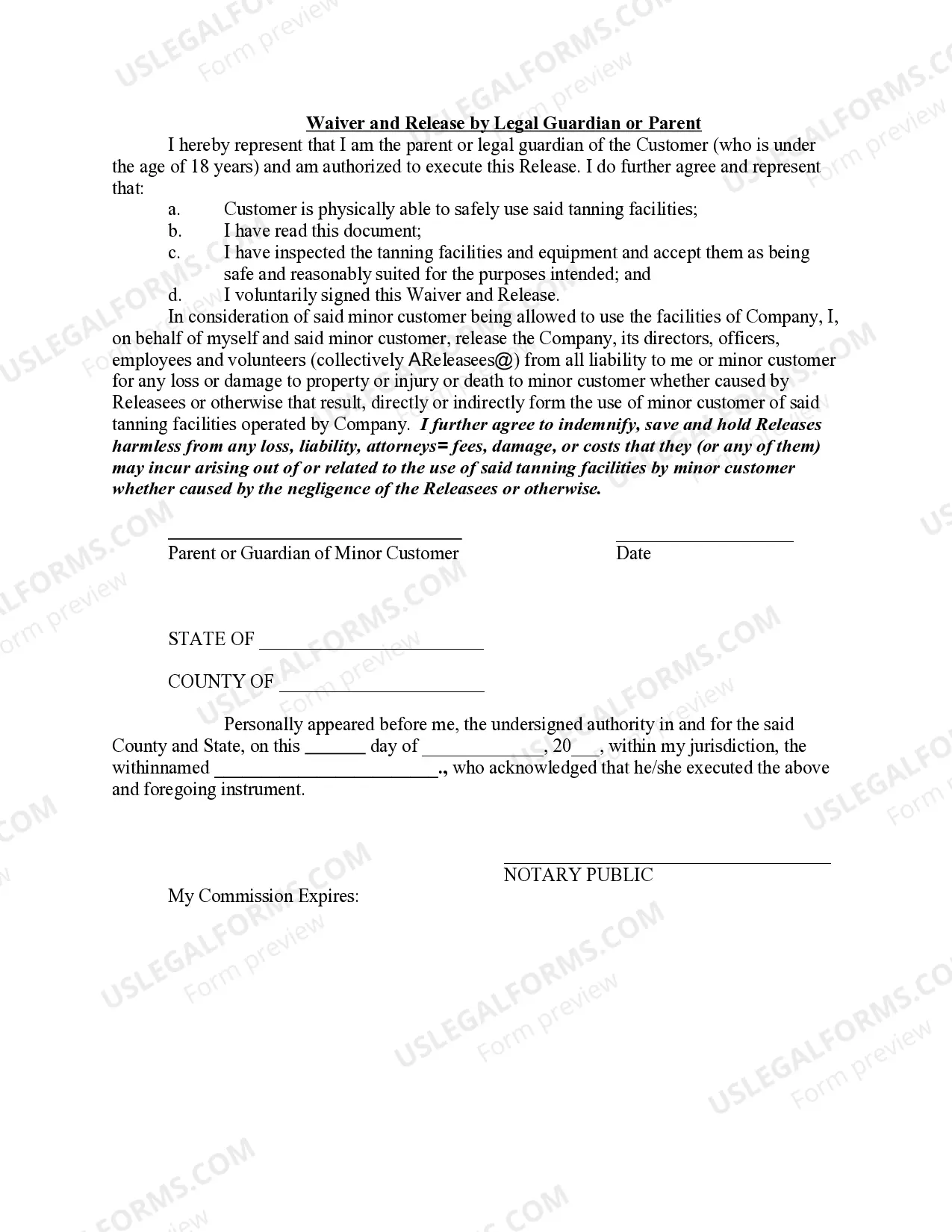
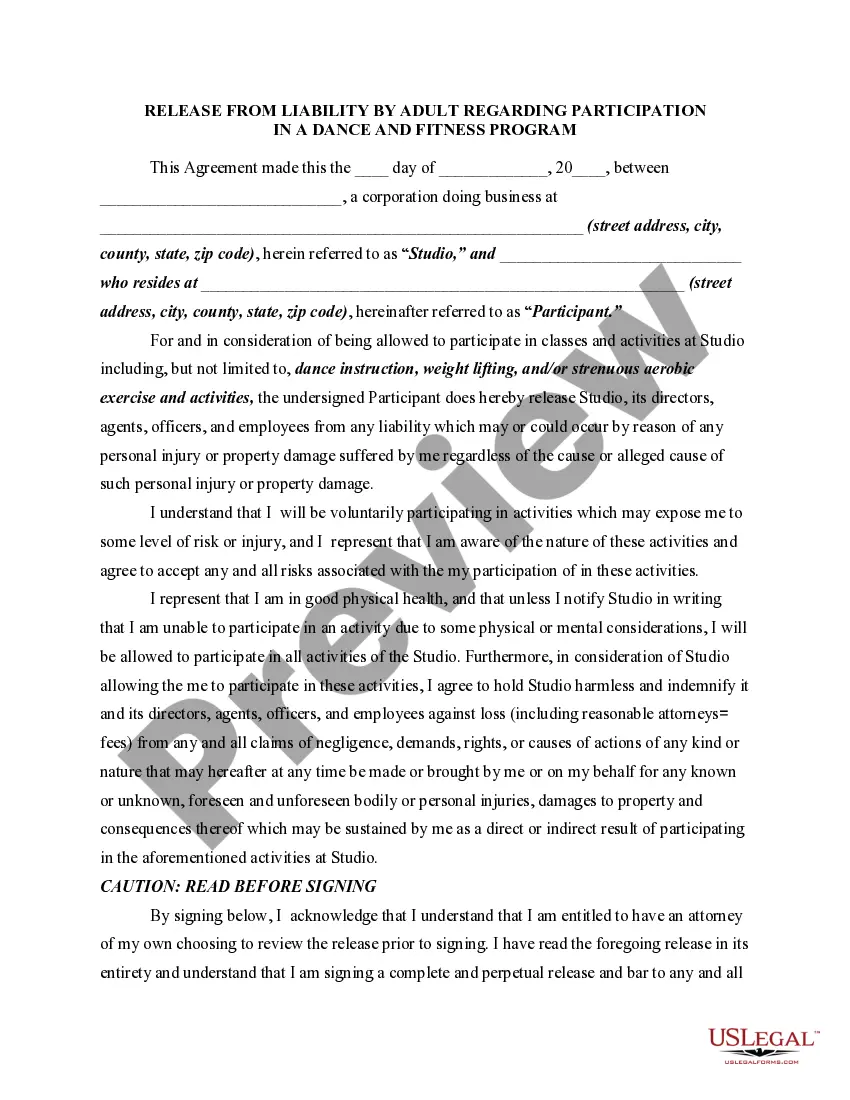
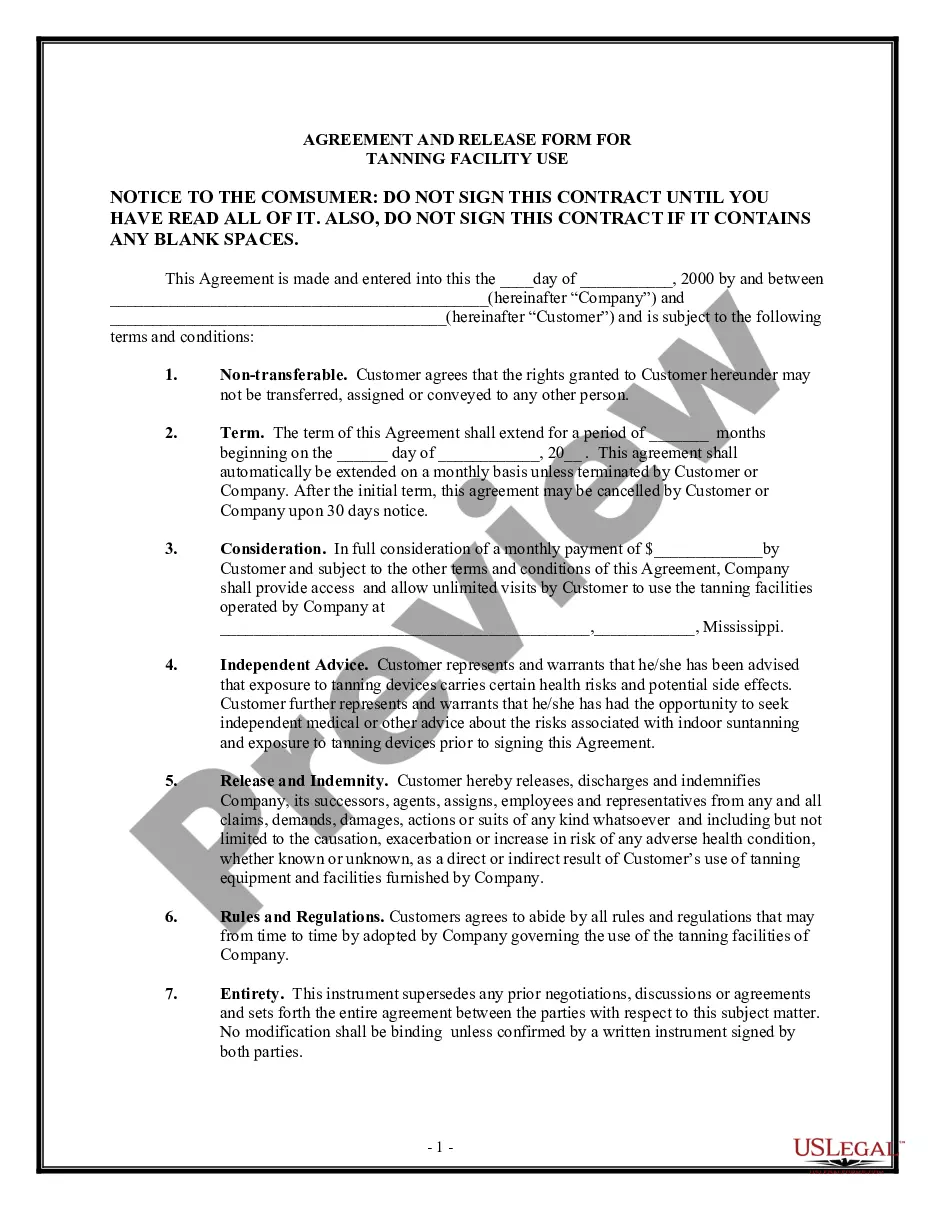
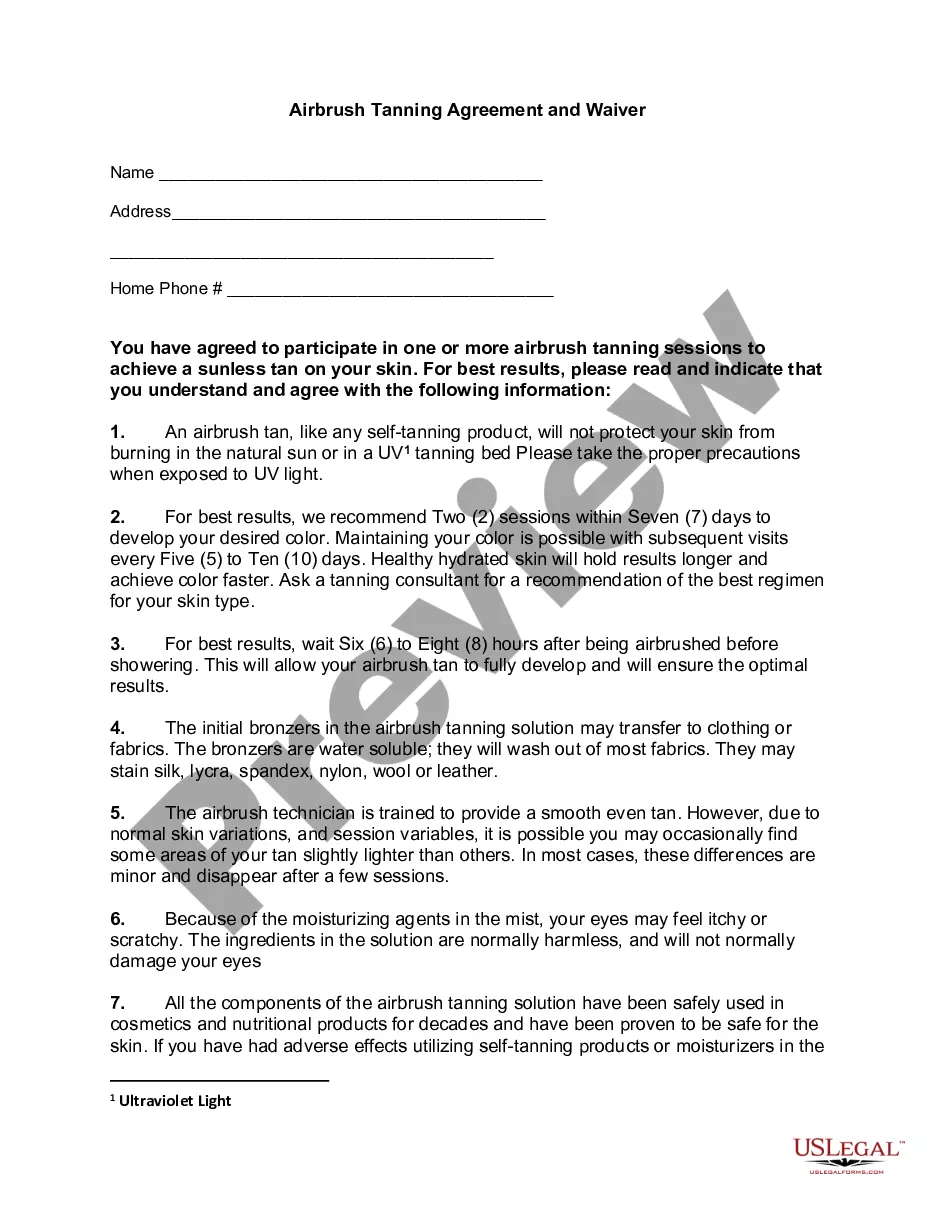
Get your form ready online
Our built-in tools help you complete, sign, share, and store your documents in one place.
Make edits, fill in missing information, and update formatting in US Legal Forms—just like you would in MS Word.
Download a copy, print it, send it by email, or mail it via USPS—whatever works best for your next step.
Sign and collect signatures with our SignNow integration. Send to multiple recipients, set reminders, and more. Go Premium to unlock E-Sign.
If this form requires notarization, complete it online through a secure video call—no need to meet a notary in person or wait for an appointment.
We protect your documents and personal data by following strict security and privacy standards.

Make edits, fill in missing information, and update formatting in US Legal Forms—just like you would in MS Word.

Download a copy, print it, send it by email, or mail it via USPS—whatever works best for your next step.

Sign and collect signatures with our SignNow integration. Send to multiple recipients, set reminders, and more. Go Premium to unlock E-Sign.

If this form requires notarization, complete it online through a secure video call—no need to meet a notary in person or wait for an appointment.

We protect your documents and personal data by following strict security and privacy standards.
Looking for another form?



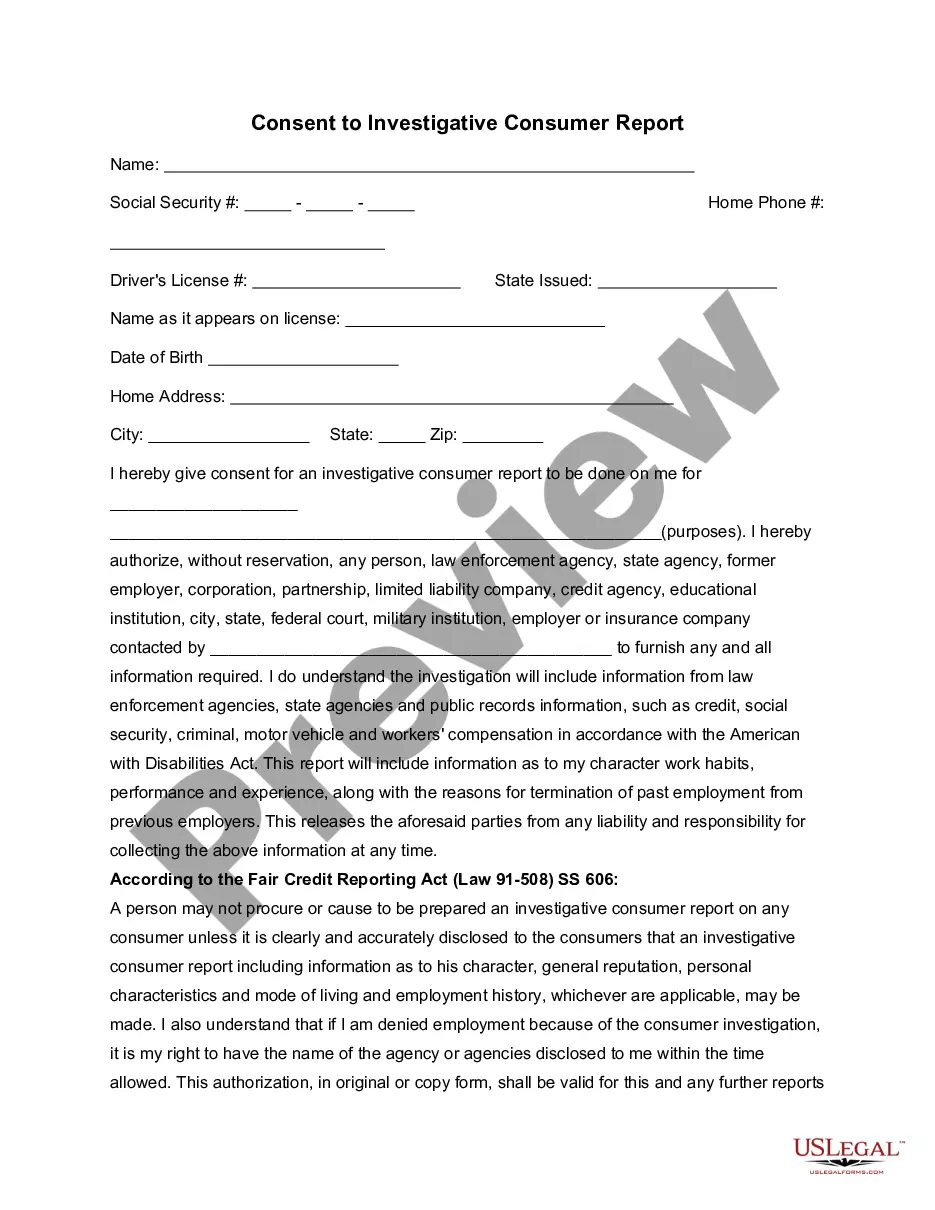
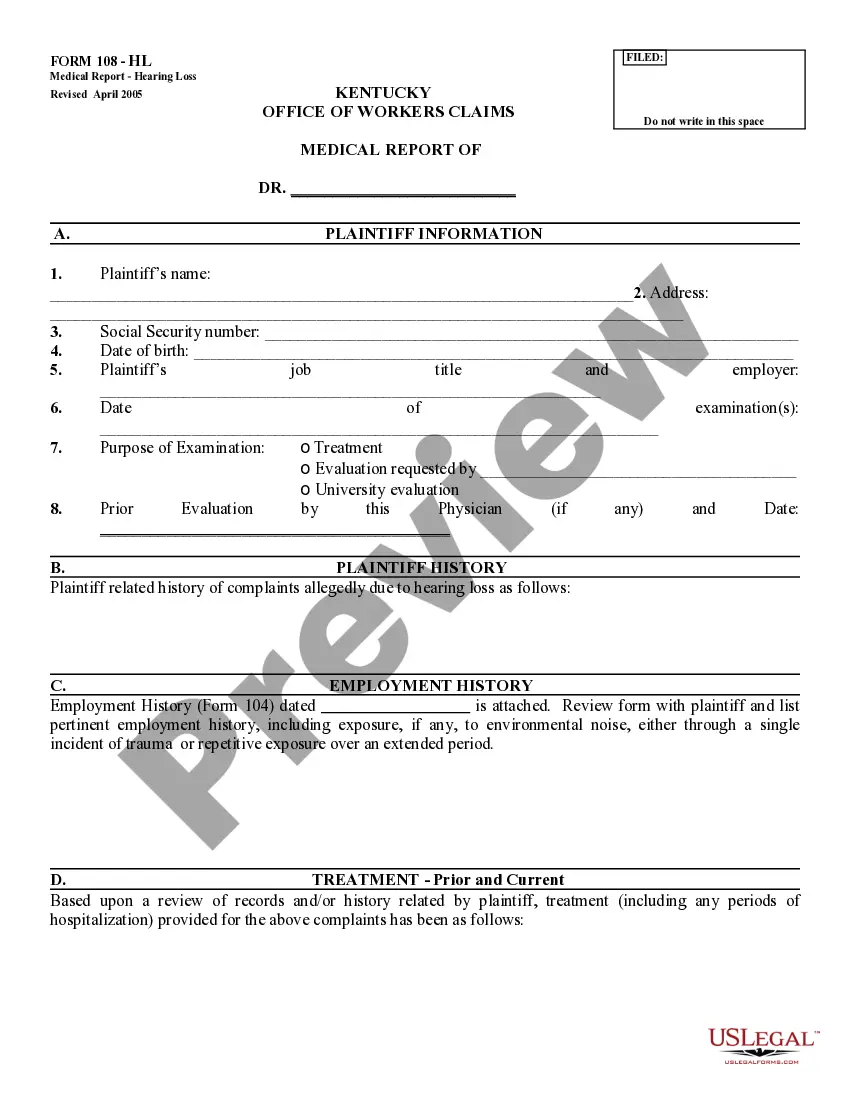
Form popularity
FAQ
However, Florida law does impose some limitations on emotional distress claims: Impact rule: To recover emotional distress damages, you must demonstrate that the emotional distress is connected to a physical injury. In other words, you must have suffered a physical impact or trauma that resulted in emotional distress.
Bodily injury liability insurance provides coverage if you're responsible for injuring others in an accident, covering their medical expenses and other damages. Personal Injury Protection (PIP), required in Florida, covers a portion of your medical expenses regardless of fault.
Examples of Intentional Bodily Harm Intentional bodily harm can manifest in various forms, including: Using a weapon: Assaulting someone with a knife, gun, or any other deadly weapon. Causing serious injury: Inflicting injuries that result in permanent disability or disfigurement.
(a) “Serious bodily injury” means an injury to a person, including the driver, which consists of a physical condition that creates a substantial risk of death, serious personal disfigurement, or protracted loss or impairment of the function of a bodily member or organ.
Bodily injury covers the other driver's medical bills (including their passengers) if you cause an accident. Personal injury protection covers medical bills and related expenses for you and your passengers after an accident regardless of fault.
As mentioned earlier, bodily injury claims in Florida are based on the state's “no-fault” insurance system. This means that, regardless of who is at fault for an accident, each driver's own insurance company pays for their personal injury expenses up to a certain limit.
In March 2023, Florida passed H.B. 837. Governor Ron DeSantis signed the bill into law. This new law reduced the statute of limitations from four years to two years for cases based on negligence. The law affects the filing deadline for accidents that occurred after the effective date of March 24, 2023.
Under Florida law, victims have 2 years from the date of the incident to file a lawsuit. However, the longer you wait, the harder it often is to prove your case.
Florida Statutes Section 95.11(4) requires that most personal injury cases are filed within two years of the date of the incident. This time limit applies to cases involving the following: Slips and falls. Car accidents.
Florida's Former Statute of Limitations Governor Ron DeSantis signed the bill into law. This new law reduced the statute of limitations from four years to two years for cases based on negligence. The law affects the filing deadline for accidents that occurred after the effective date of March 24, 2023.
