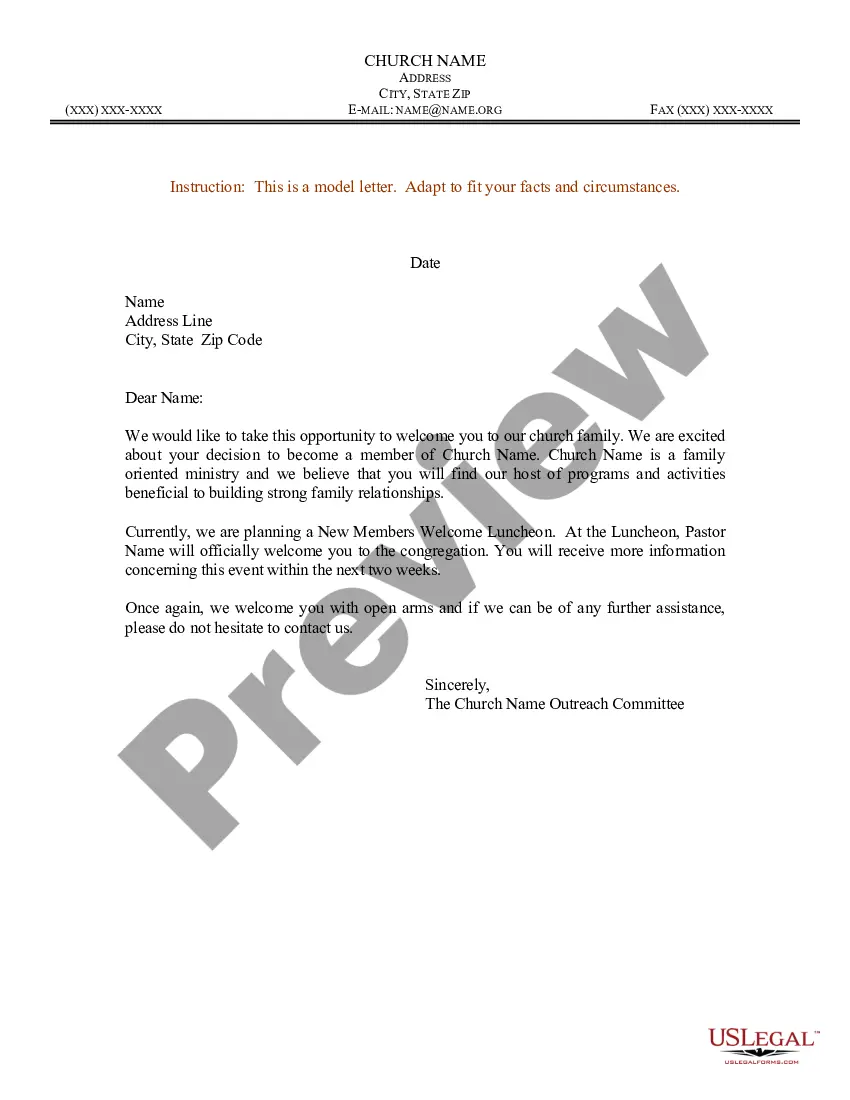
Personal Injury Release Agreement Withdrawal In Fulton
Description

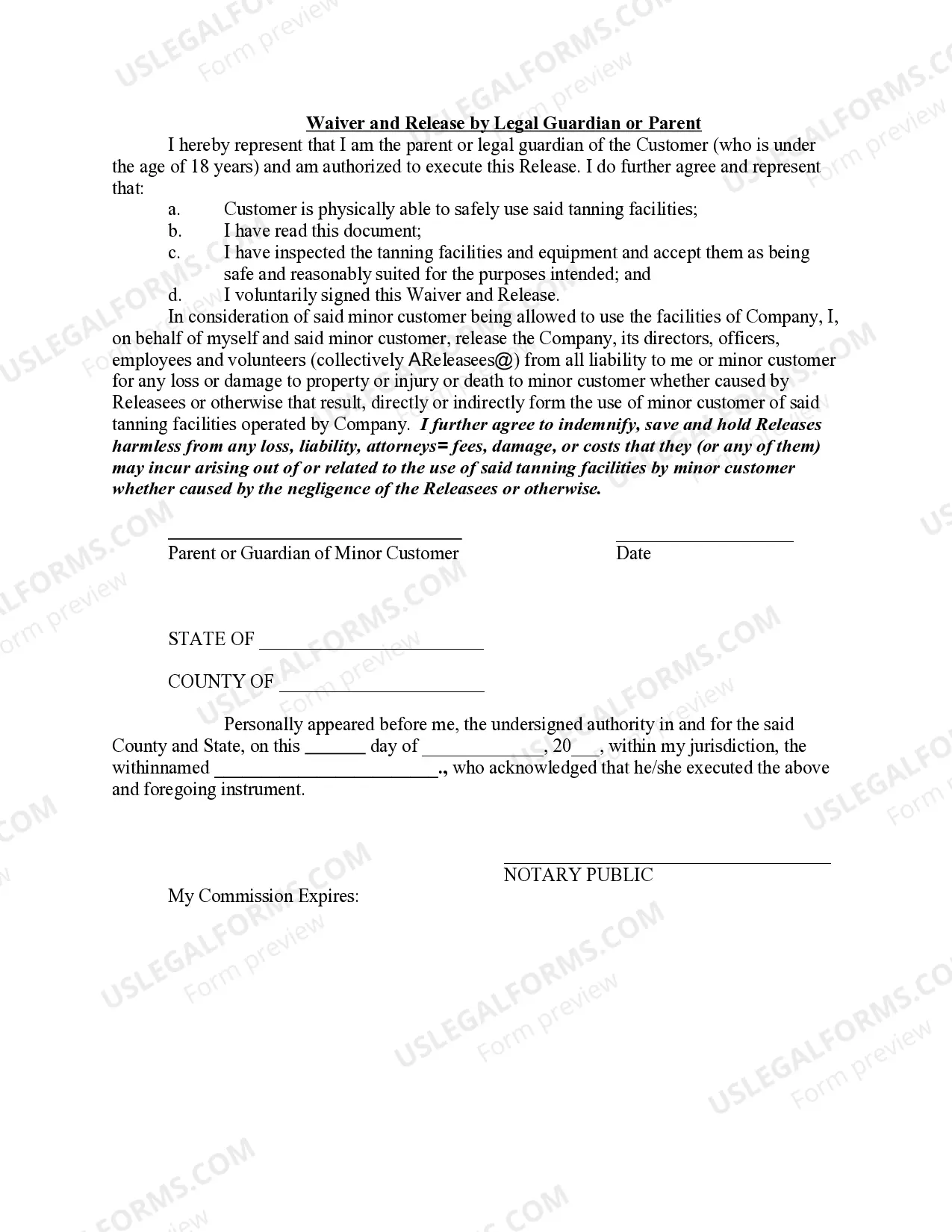
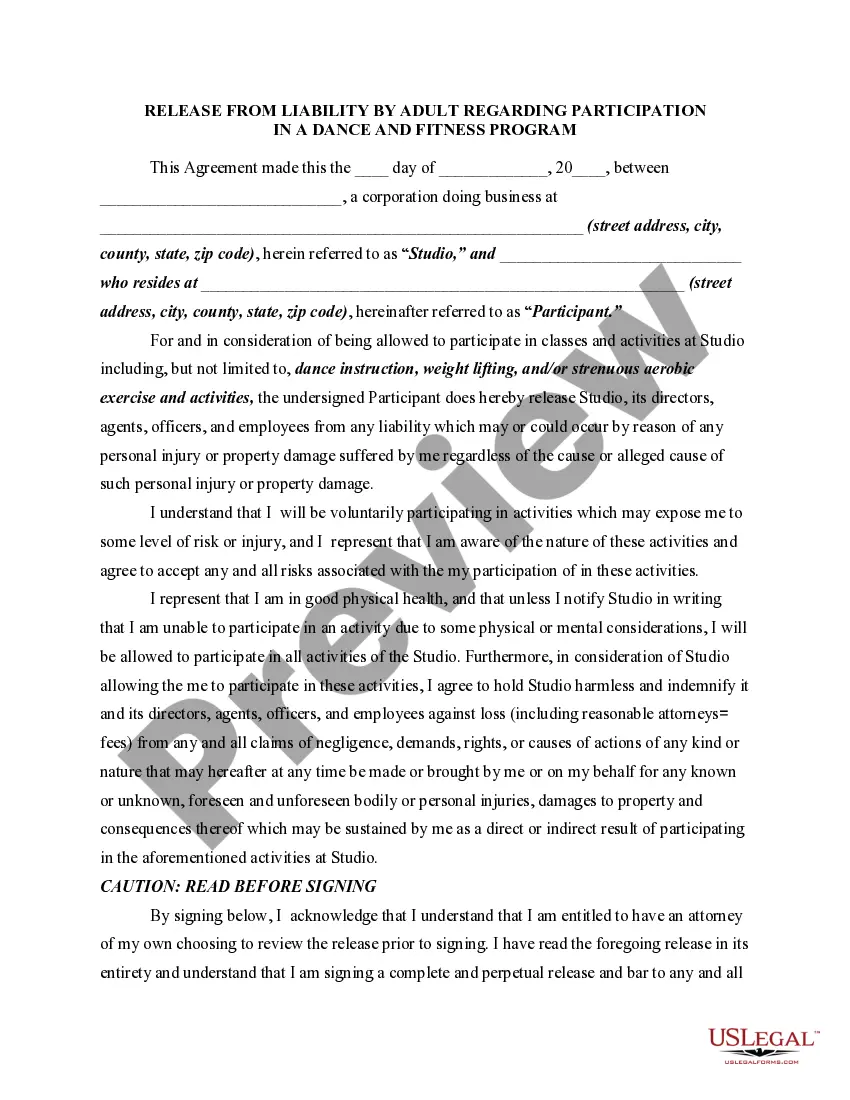
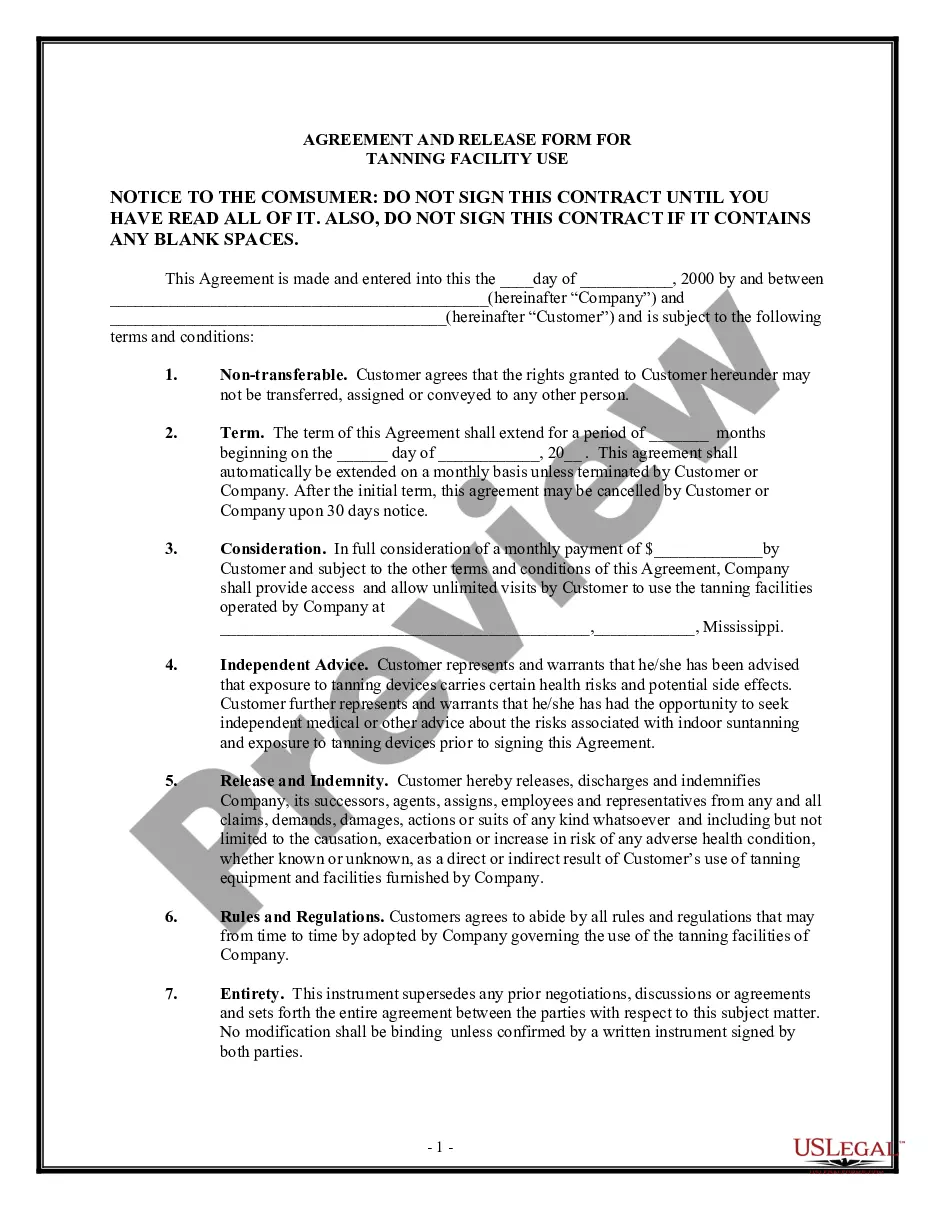
Get your form ready online
Our built-in tools help you complete, sign, share, and store your documents in one place.
Make edits, fill in missing information, and update formatting in US Legal Forms—just like you would in MS Word.
Download a copy, print it, send it by email, or mail it via USPS—whatever works best for your next step.
Sign and collect signatures with our SignNow integration. Send to multiple recipients, set reminders, and more. Go Premium to unlock E-Sign.
If this form requires notarization, complete it online through a secure video call—no need to meet a notary in person or wait for an appointment.
We protect your documents and personal data by following strict security and privacy standards.

Make edits, fill in missing information, and update formatting in US Legal Forms—just like you would in MS Word.

Download a copy, print it, send it by email, or mail it via USPS—whatever works best for your next step.

Sign and collect signatures with our SignNow integration. Send to multiple recipients, set reminders, and more. Go Premium to unlock E-Sign.

If this form requires notarization, complete it online through a secure video call—no need to meet a notary in person or wait for an appointment.

We protect your documents and personal data by following strict security and privacy standards.
Looking for another form?




Form popularity
FAQ
Sometimes referred to as “release agreements” or as “settlement agreements,” release and settlement agreements bring a legal dispute to an end outside of the courtroom. That legal dispute can be nearly anything, like an alleged: Breach of contract. Violation of a non-compete agreement.
A written contract (or provision in a contract) in which one or more parties agree to give up legal causes of action against the other party in exchange for adequate consideration (that is, something of value to which the party releasing the legal claims is not already entitled).
In short, a release is a legal document that you sign when you agree to settle a claim against someone else. For example, if you were in an automobile collision that was the result of another driver, you have a claim against them. You have a legal right to sue that person unless you sign a release.
The purpose of a personal injury release form The release is often drafted by the defendant's insurance company and is written to protect its interests – not yours. It's critical to have your own California personal injury attorney review any release that the other party wants you to sign.
Sometimes referred to as “release agreements” or as “settlement agreements,” release and settlement agreements bring a legal dispute to an end outside of the courtroom. That legal dispute can be nearly anything, like an alleged: Breach of contract. Violation of a non-compete agreement.
Copyright claims just mean that the copyright owner has decided to either monetize, track, or block your video in certain territories. It is not a penalty on your entire YouTube channel. Copyright strikes, on the other hand, are valid takedown requests from the copyright owner that are filed against your content.
A written contract (or provision in a contract) in which one or more parties agree to give up legal causes of action against the other party in exchange for adequate consideration (that is, something of value to which the party releasing the legal claims is not already entitled).
Most settlements and court awards will be approximately $3,000 to $75,000. The likelihood of receiving a payout in this range is approximately 70%. Below we'll map out California personal injury settlements by case type.
A settlement can take anywhere from a few weeks to over five years to close. Straightforward personal injury cases, like a car accident lawsuit from a rear-end collision, are more likely to resolve quickly. A medical malpractice case is more likely to take several years.
However, the typical personal injury case can take from a few months to a couple of years. Indeed, the timeline of your claim will depend on many different factors, some of which are within the control of you and your lawyer, and others that are largely within the control of the insurance company.