Personal Injury Release Agreement Form California In Franklin
Description

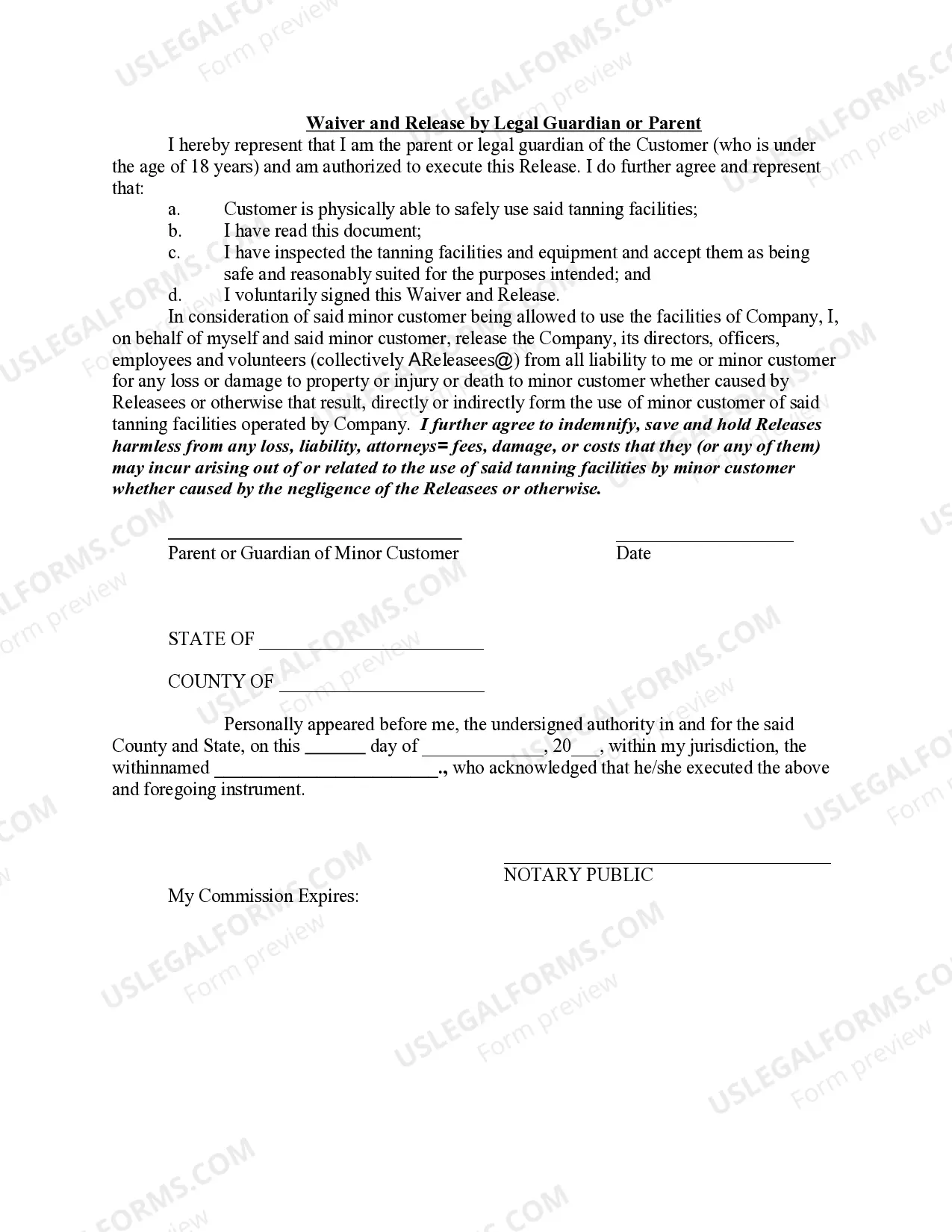
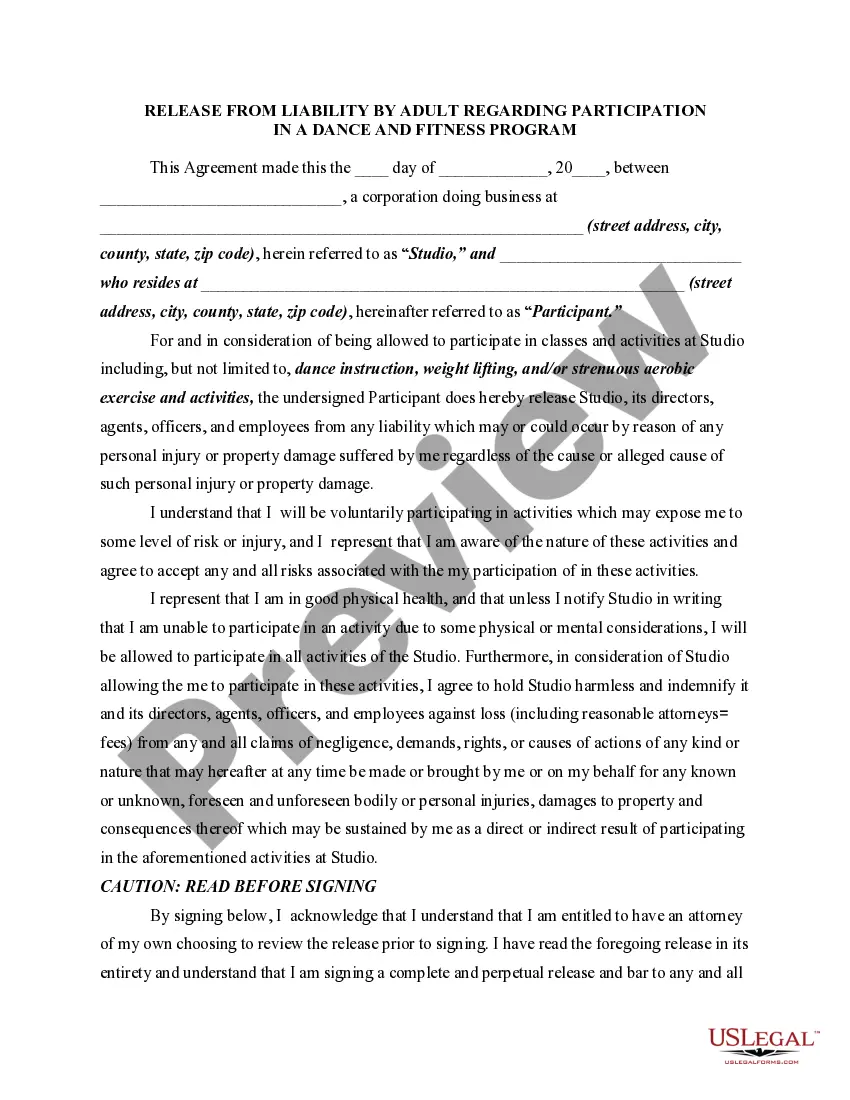
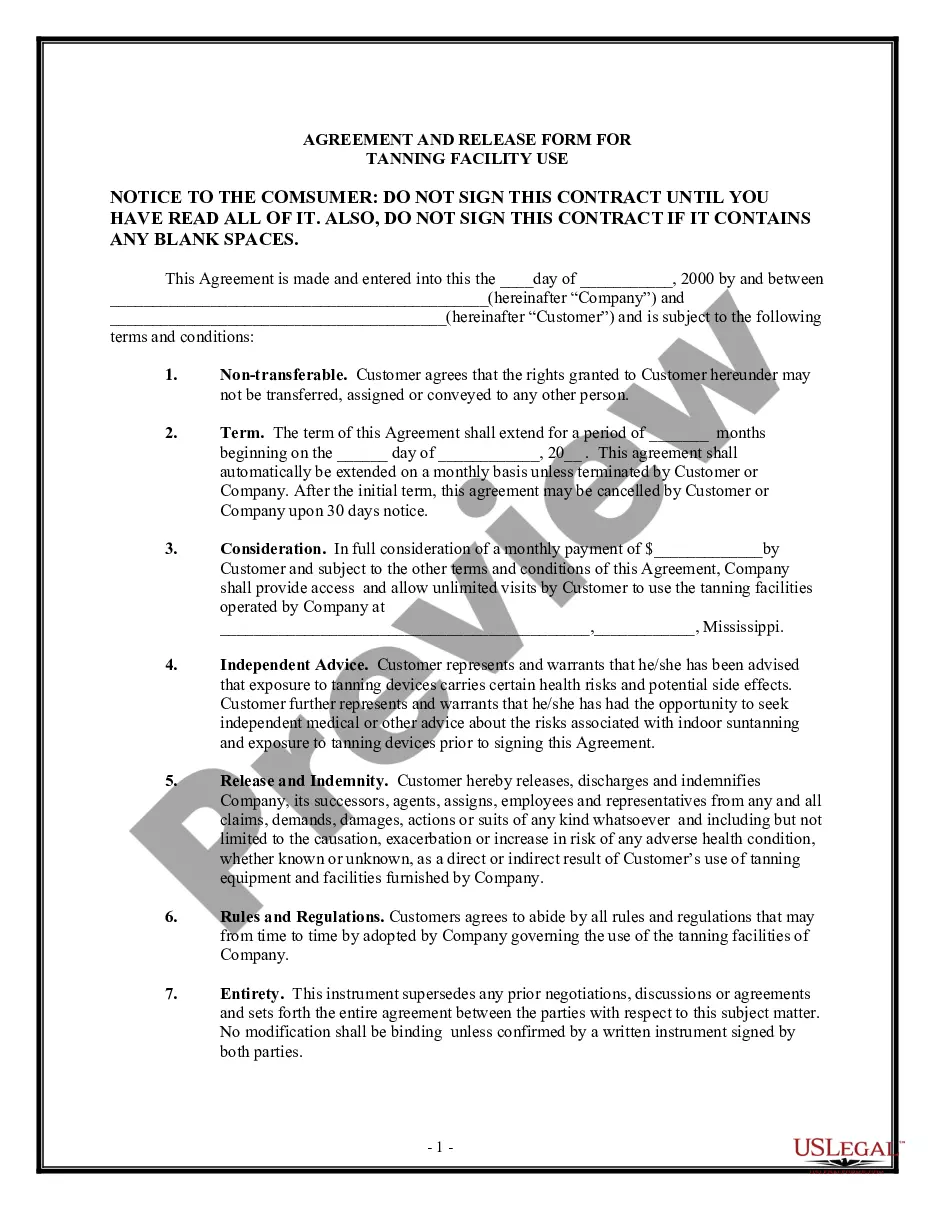
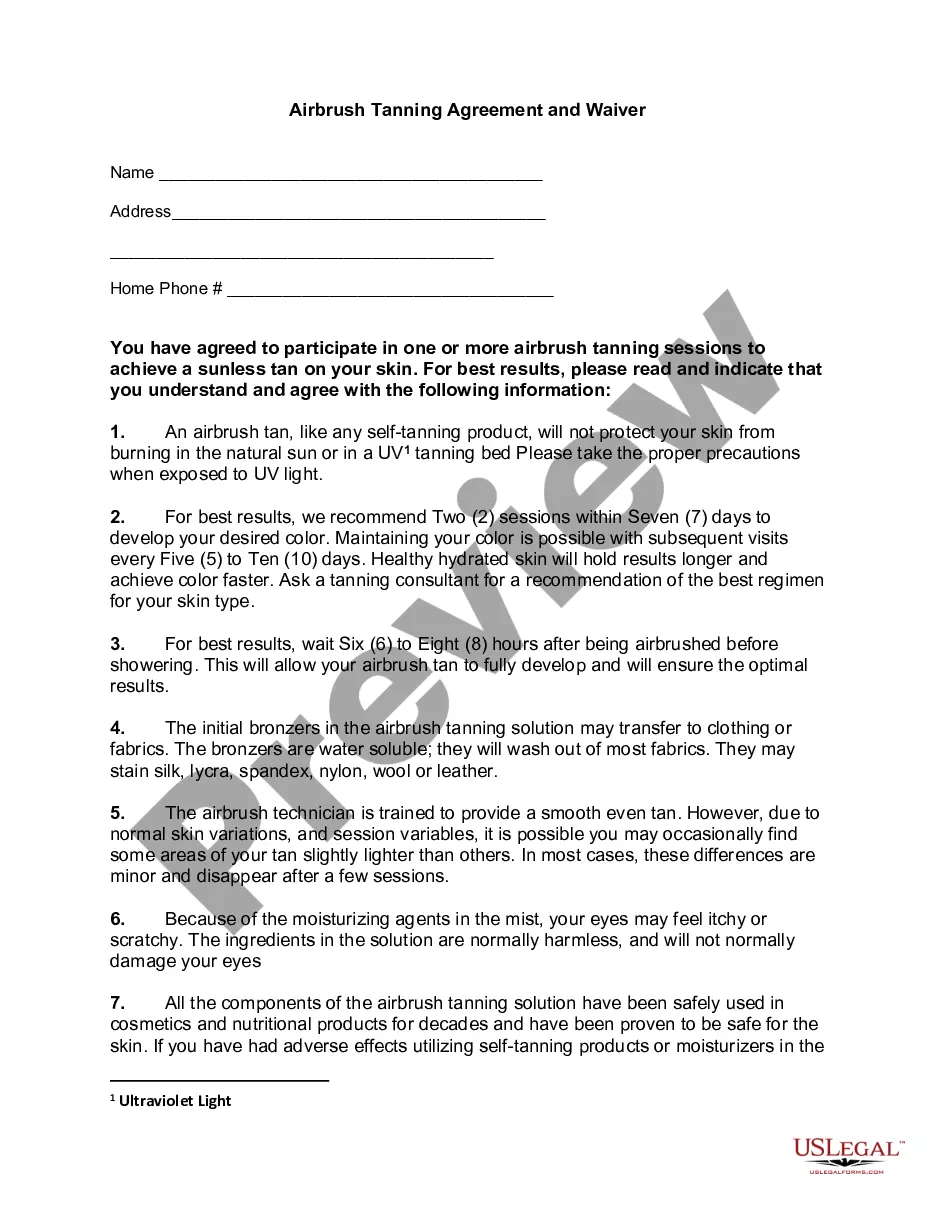
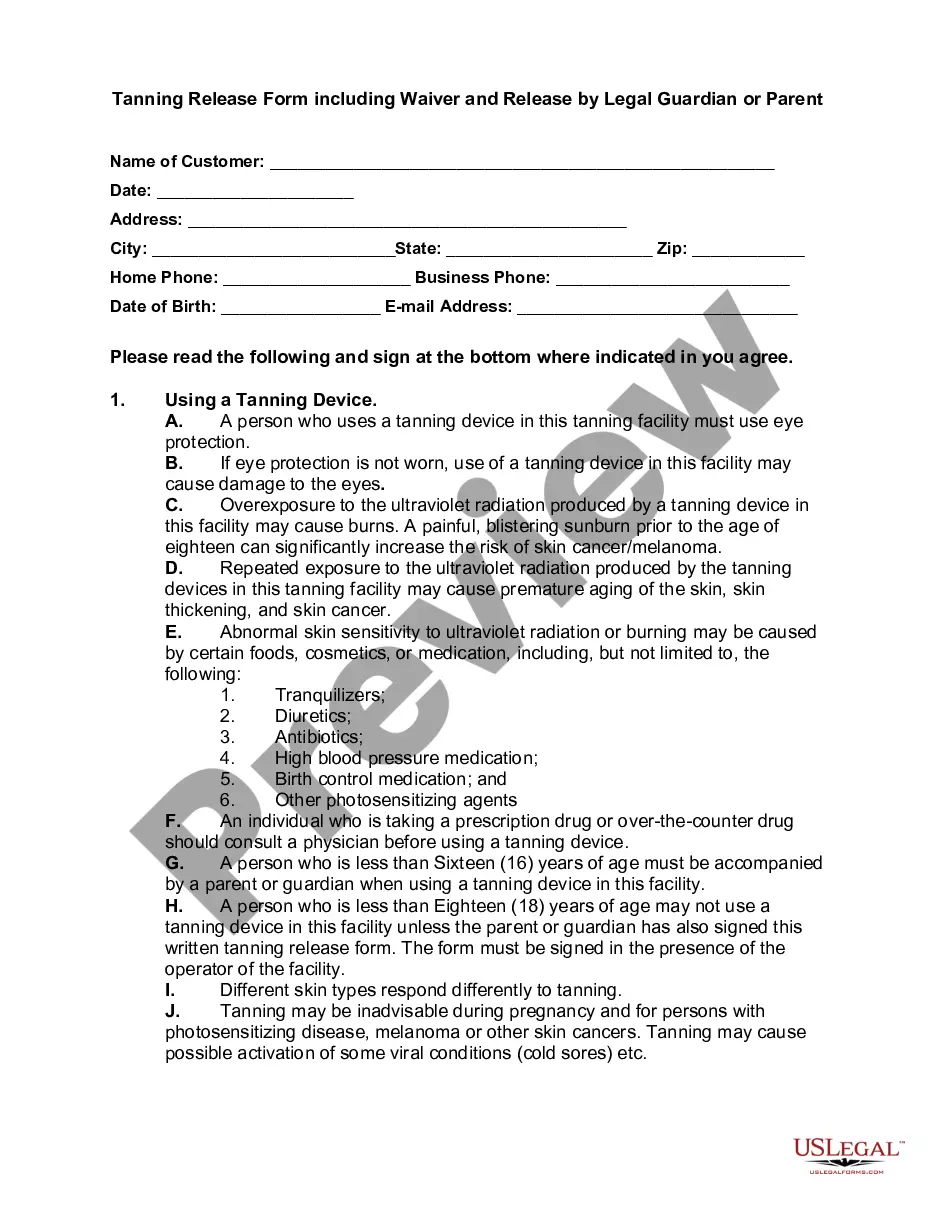
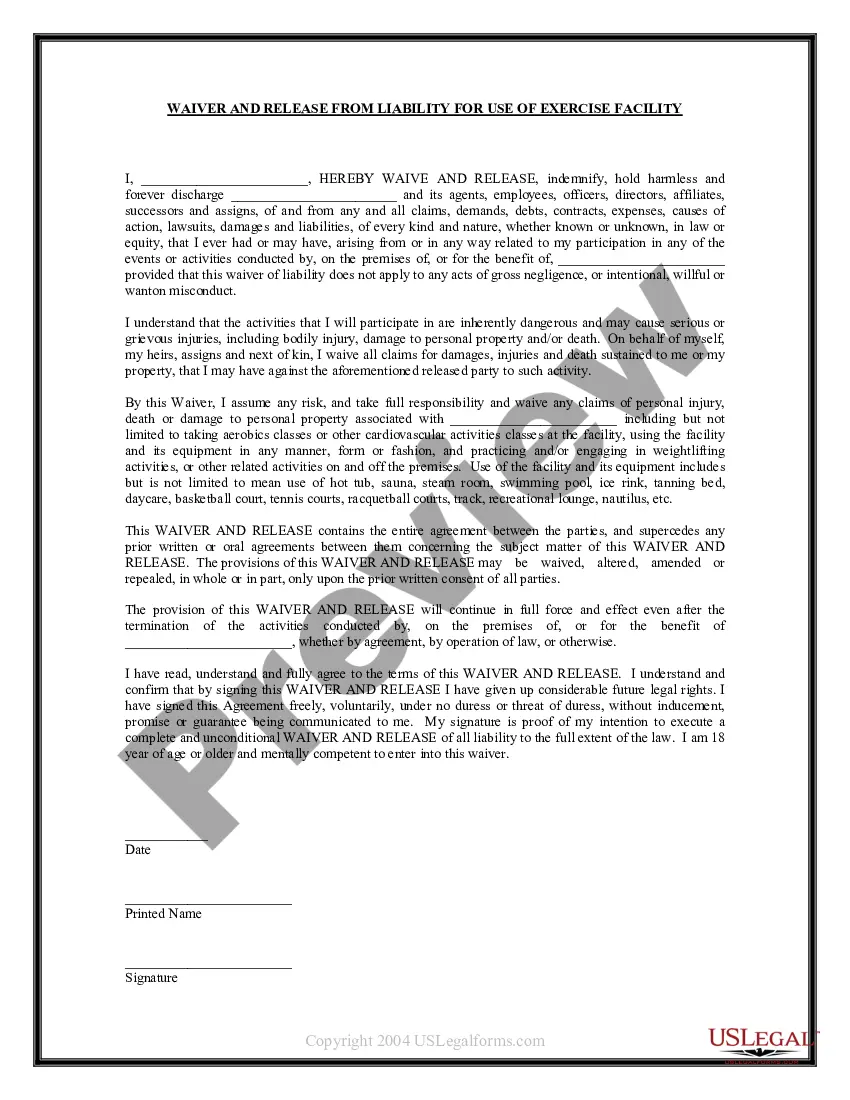
Get your form ready online
Our built-in tools help you complete, sign, share, and store your documents in one place.
Make edits, fill in missing information, and update formatting in US Legal Forms—just like you would in MS Word.
Download a copy, print it, send it by email, or mail it via USPS—whatever works best for your next step.
Sign and collect signatures with our SignNow integration. Send to multiple recipients, set reminders, and more. Go Premium to unlock E-Sign.
If this form requires notarization, complete it online through a secure video call—no need to meet a notary in person or wait for an appointment.
We protect your documents and personal data by following strict security and privacy standards.

Make edits, fill in missing information, and update formatting in US Legal Forms—just like you would in MS Word.

Download a copy, print it, send it by email, or mail it via USPS—whatever works best for your next step.

Sign and collect signatures with our SignNow integration. Send to multiple recipients, set reminders, and more. Go Premium to unlock E-Sign.

If this form requires notarization, complete it online through a secure video call—no need to meet a notary in person or wait for an appointment.

We protect your documents and personal data by following strict security and privacy standards.
Looking for another form?
Form popularity
FAQ
The release agreement will contain a written statement of the terms of the settlement between the parties. A key part of any release agreement is the language that states that the plaintiff is barred from pursuing any further claims against the defendant.
10 best practices for writing a personal injury demand letter Thoroughly review the case. Start with a clear introduction. Detail the facts of the case. Document injuries and treatment. Include economic damages. Outline Non-Economic Damages. Be specific in your demand for compensation. Use persuasive language.
10 best practices for writing a personal injury demand letter Thoroughly review the case. Start with a clear introduction. Detail the facts of the case. Document injuries and treatment. Include economic damages. Outline Non-Economic Damages. Be specific in your demand for compensation. Use persuasive language.
The Release of All Claims Form typically consists of specific details of the incident, including: Names and contact information of all parties involved. Description of the incident or dispute. Settlement amount, if applicable. Date and location of the event leading to the claim. Signatures of the Releasor and Releasee.
A bodily injury is a physical injury to a person. broken bones, nerve damage, pain, brain damage, and.
The release waives claims for conduct that occurs on or before the date the agreement is signed. As a result, an employee often signs the separation agreement and release after the date that the employee stops working, often called the “termination date.”
Settlement agreements, formerly known as compromise agreements, are documents which set out the terms and conditions agreed by those involved (the two parties) when they agree to settle a potential employment tribunal claim or claims or other court proceedings.
Sometimes referred to as “release agreements” or as “settlement agreements,” release and settlement agreements bring a legal dispute to an end outside of the courtroom. That legal dispute can be nearly anything, like an alleged: Breach of contract. Violation of a non-compete agreement.
'Terms of settlement' is a document that sets out the agreement between the parties to settle the dispute. There is no set form for terms of settlement. Terms of settlement can be handwritten at court after discussions between the parties.
If you choose to proceed with your claim without an attorney, you will need to gather evidence, estimate your damages, file the claim, and negotiate with the insurance company for a settlement. You can review resources from the California Department of Insurance to help you start the process.
