Personal Injury Release With A Pre-existing Condition In Florida
Description

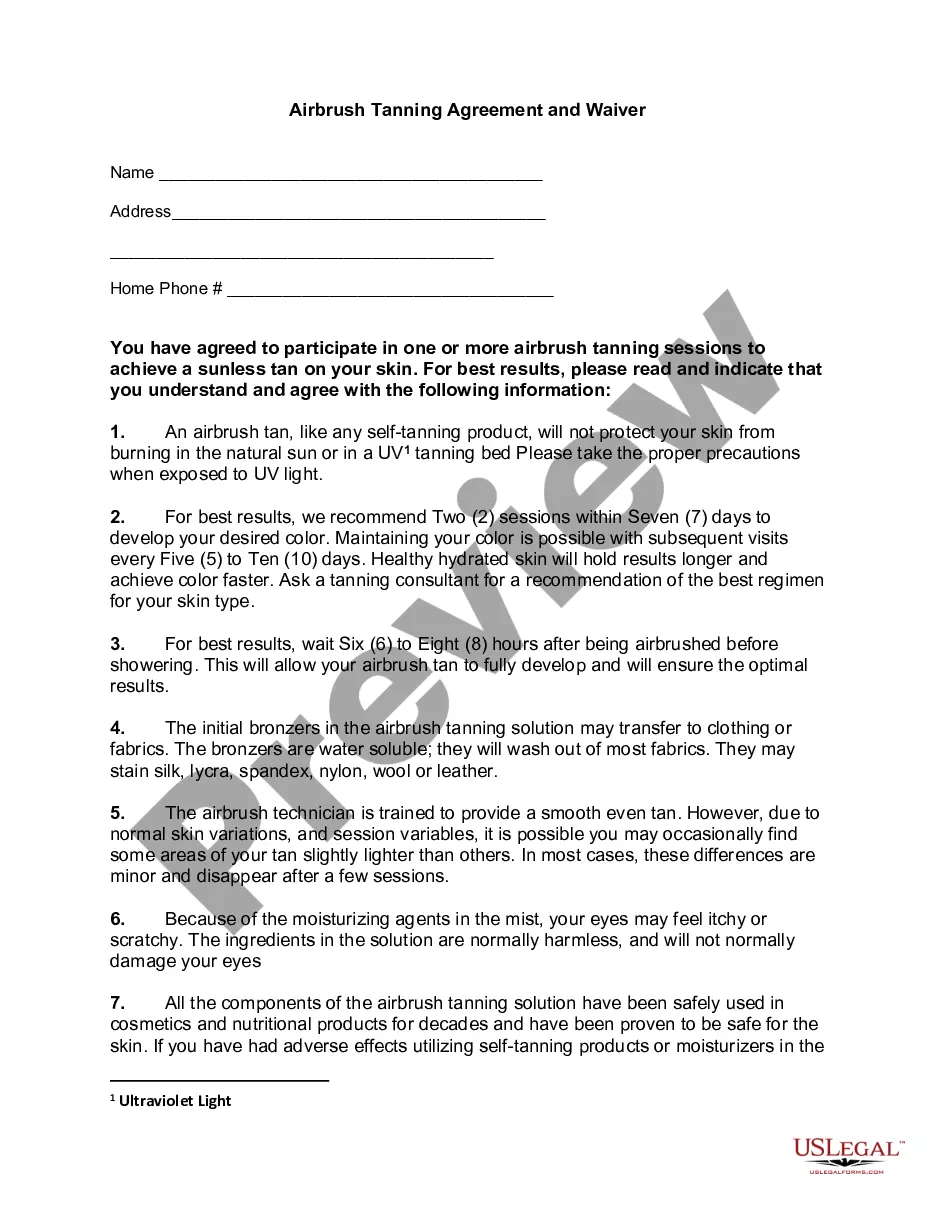
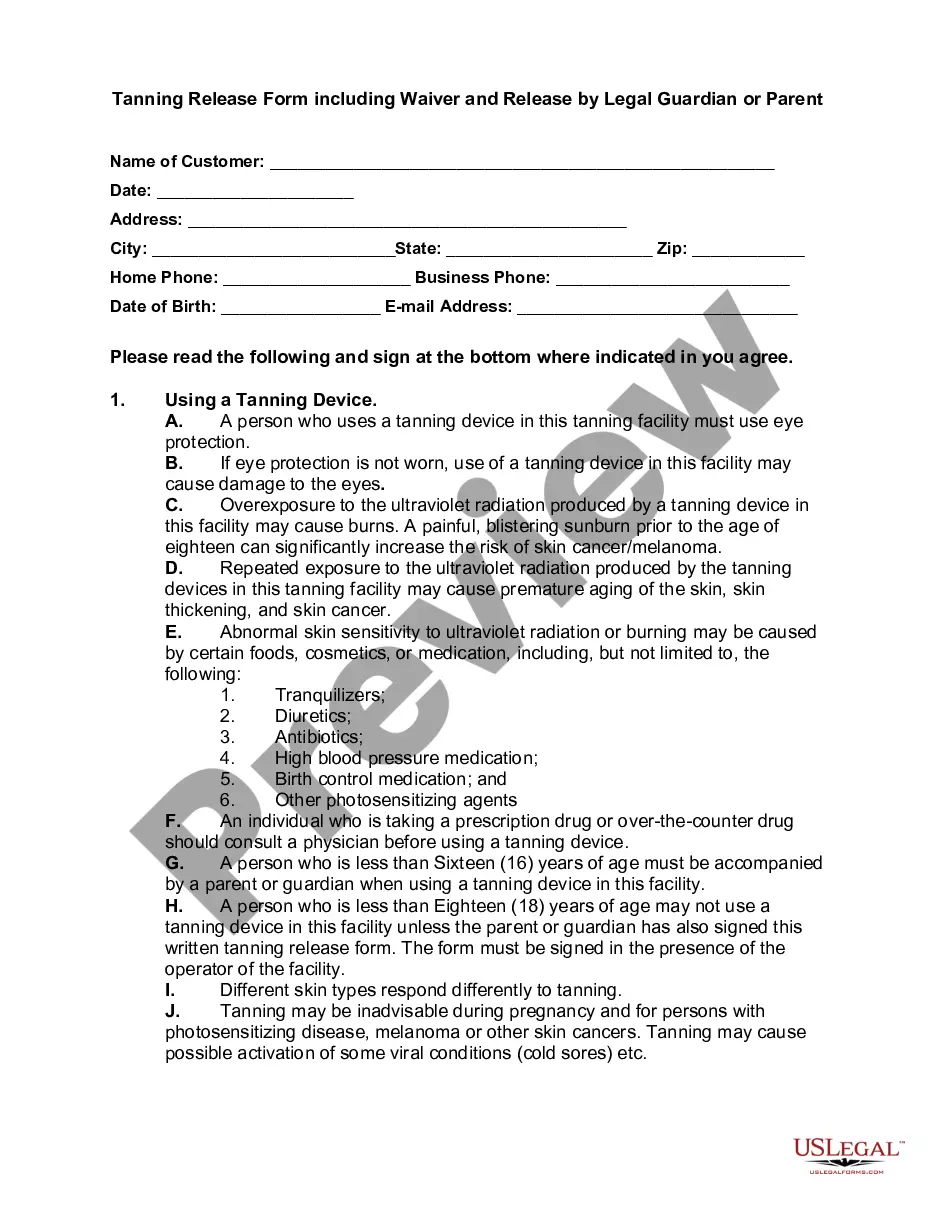
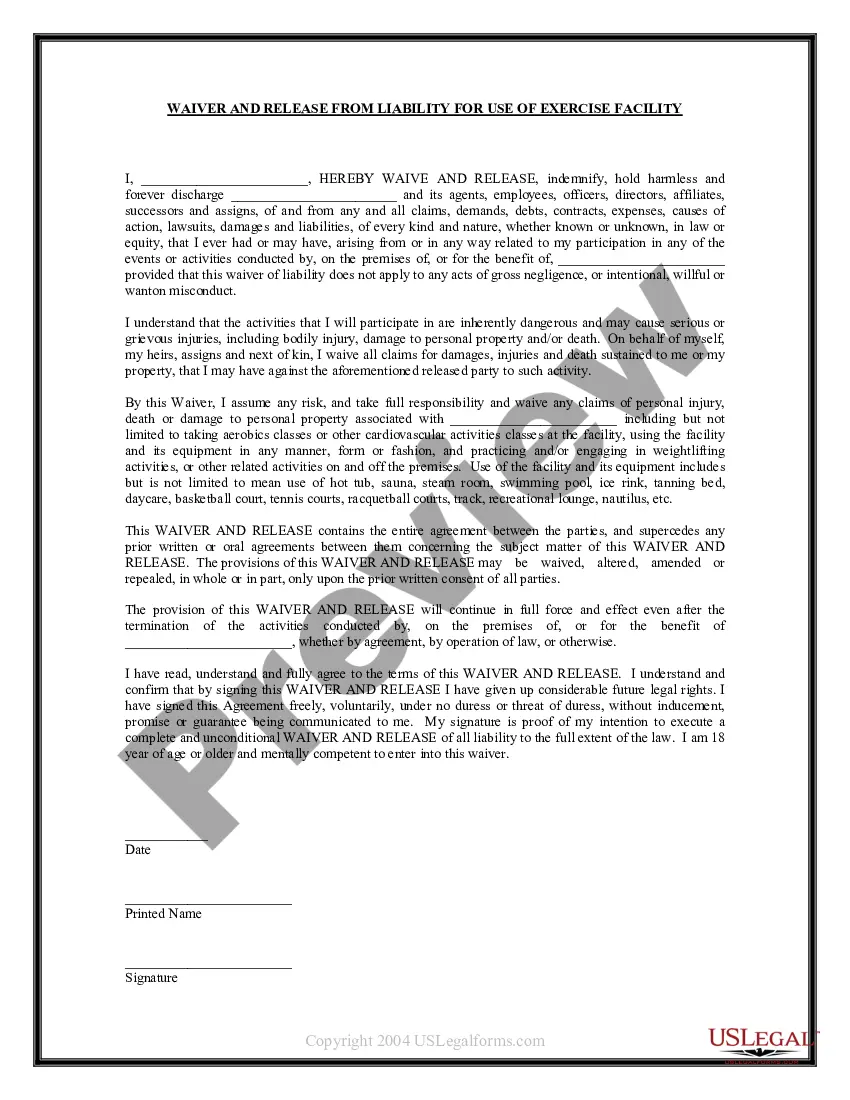
Get your form ready online
Our built-in tools help you complete, sign, share, and store your documents in one place.
Make edits, fill in missing information, and update formatting in US Legal Forms—just like you would in MS Word.
Download a copy, print it, send it by email, or mail it via USPS—whatever works best for your next step.
Sign and collect signatures with our SignNow integration. Send to multiple recipients, set reminders, and more. Go Premium to unlock E-Sign.
If this form requires notarization, complete it online through a secure video call—no need to meet a notary in person or wait for an appointment.
We protect your documents and personal data by following strict security and privacy standards.

Make edits, fill in missing information, and update formatting in US Legal Forms—just like you would in MS Word.

Download a copy, print it, send it by email, or mail it via USPS—whatever works best for your next step.

Sign and collect signatures with our SignNow integration. Send to multiple recipients, set reminders, and more. Go Premium to unlock E-Sign.

If this form requires notarization, complete it online through a secure video call—no need to meet a notary in person or wait for an appointment.

We protect your documents and personal data by following strict security and privacy standards.
Looking for another form?






Form popularity
FAQ
Florida's 51% bar rule is a legal principle that falls under the broader concept of comparative negligence. This rule states that a person can recover damages in a personal injury case as long as they are not more than 51% at fault for the incident.
Aggravation of pre-existing condition or disability: We must show that the negligent act and resulting injury had a worsening effect on the pre-existing condition, made the pre-existing condition symptomatic or more difficult to treat.
In March 2023, Florida passed H.B. 837. Governor Ron DeSantis signed the bill into law. This new law reduced the statute of limitations from four years to two years for cases based on negligence. The law affects the filing deadline for accidents that occurred after the effective date of March 24, 2023.
existing condition exclusion waiting period is the length of time after the start date of an insurance policy that a person must wait before any preexisting conditions are covered. The waiting period is often longer for individually purchased policies.
An exacerbation results when a pre-existing condition is made worse temporarily by a new injury but will eventually return to the same physical condition as before the injury. On the other hand, an aggravation occurs when a pre-existing condition is made worse permanently by the new injury.
Aggravation vs Exacerbation of a Pre-existing Injury Exacerbation temporarily worsens symptoms, while aggravation is a permanent escalation of your pre-existing condition.
A "recurrence" is when the symptoms of a previous injury recur spontaneously without any external cause. This would result in the "old" claim being reopened. An "aggravation" is when symptoms of a pre-existing injury are increased by a new and definable event.
Definitions of aggravation. noun. action that makes a problem or a disease (or its symptoms) worse. “the aggravation of her condition resulted from lack of care” synonyms: exacerbation.
It's important to note there are two types of injury compensation (damages): General Damagescompensate you for the pain and suffering of your injuries and the impact they've had on your life. Special damages reimburse you for any financial losses you incurred as a direct result of the accident and your injuries.
Most settlements and court awards will be approximately $3,000 to $75,000. The likelihood of receiving a payout in this range is approximately 70%. Below we'll map out California personal injury settlements by case type.