Bodily Injury Release Form Florida In Florida
Description

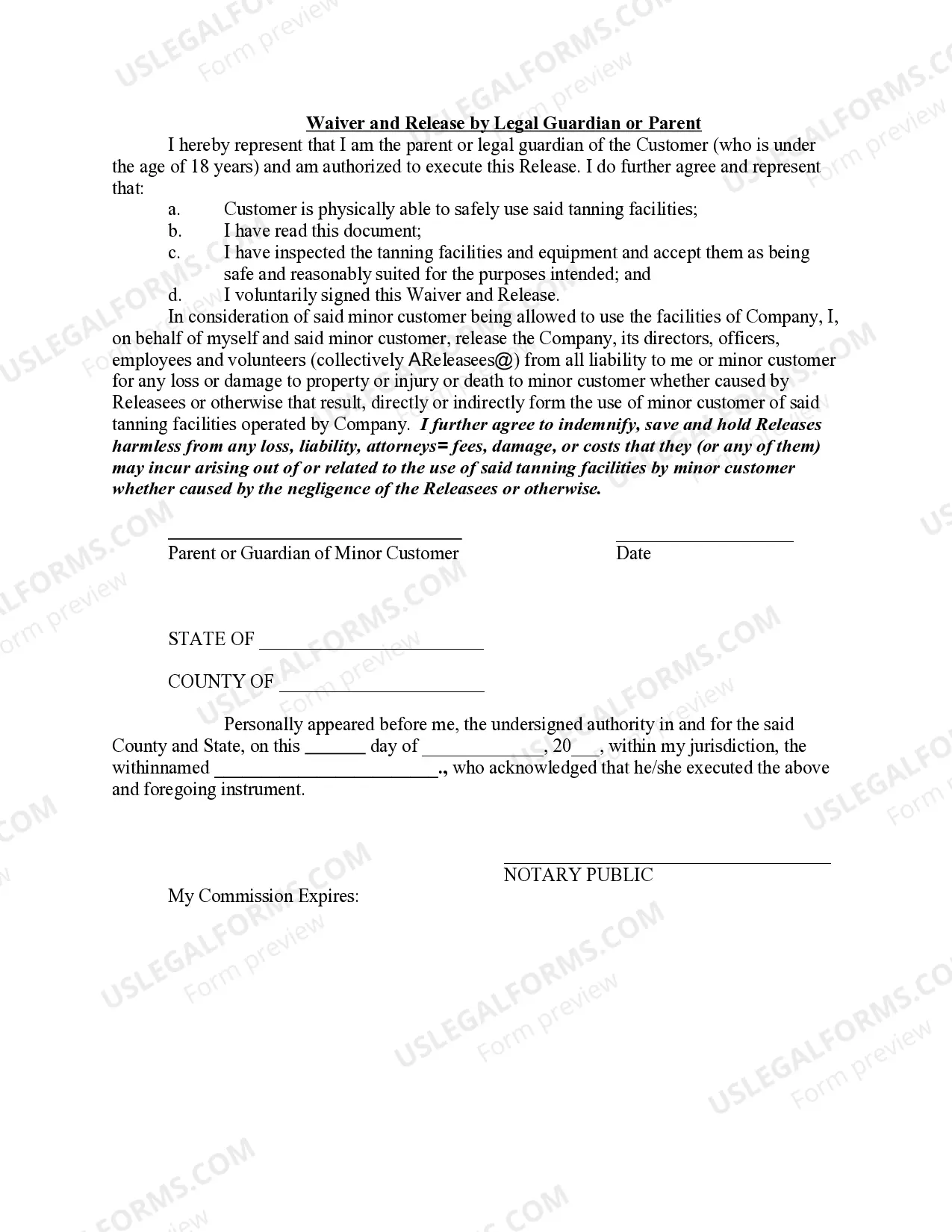
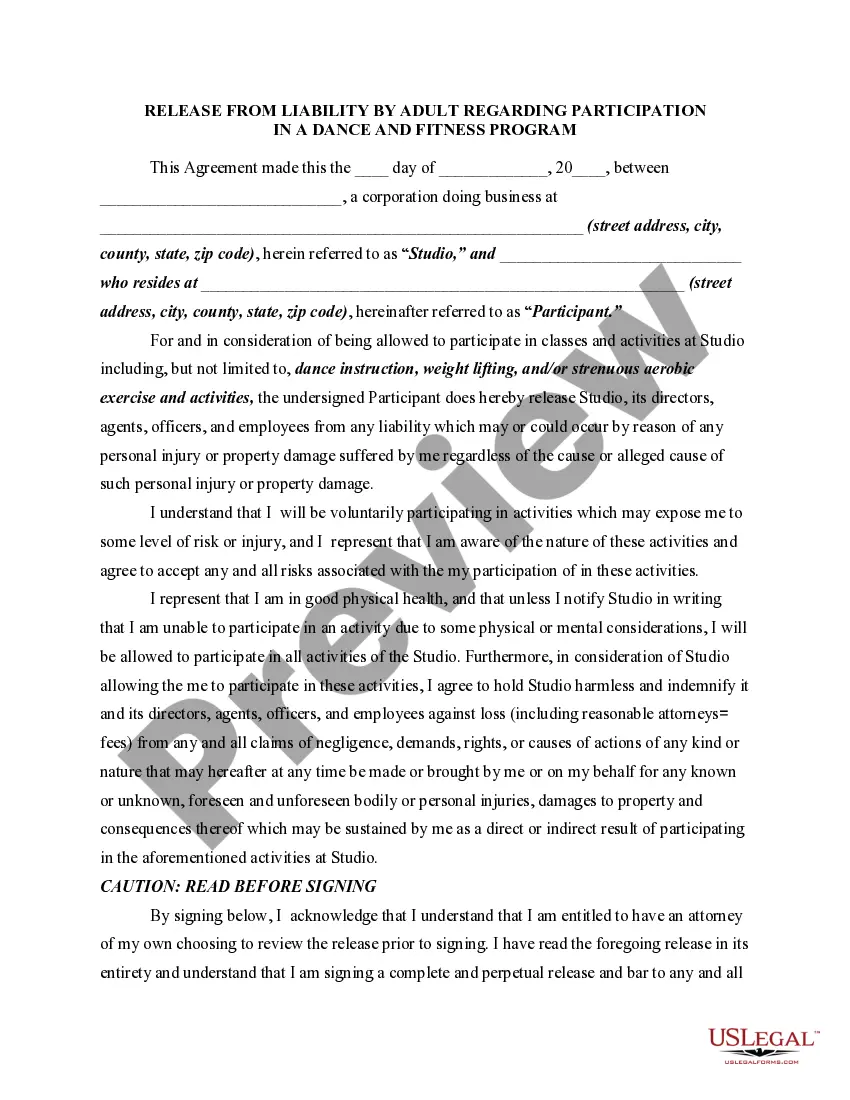
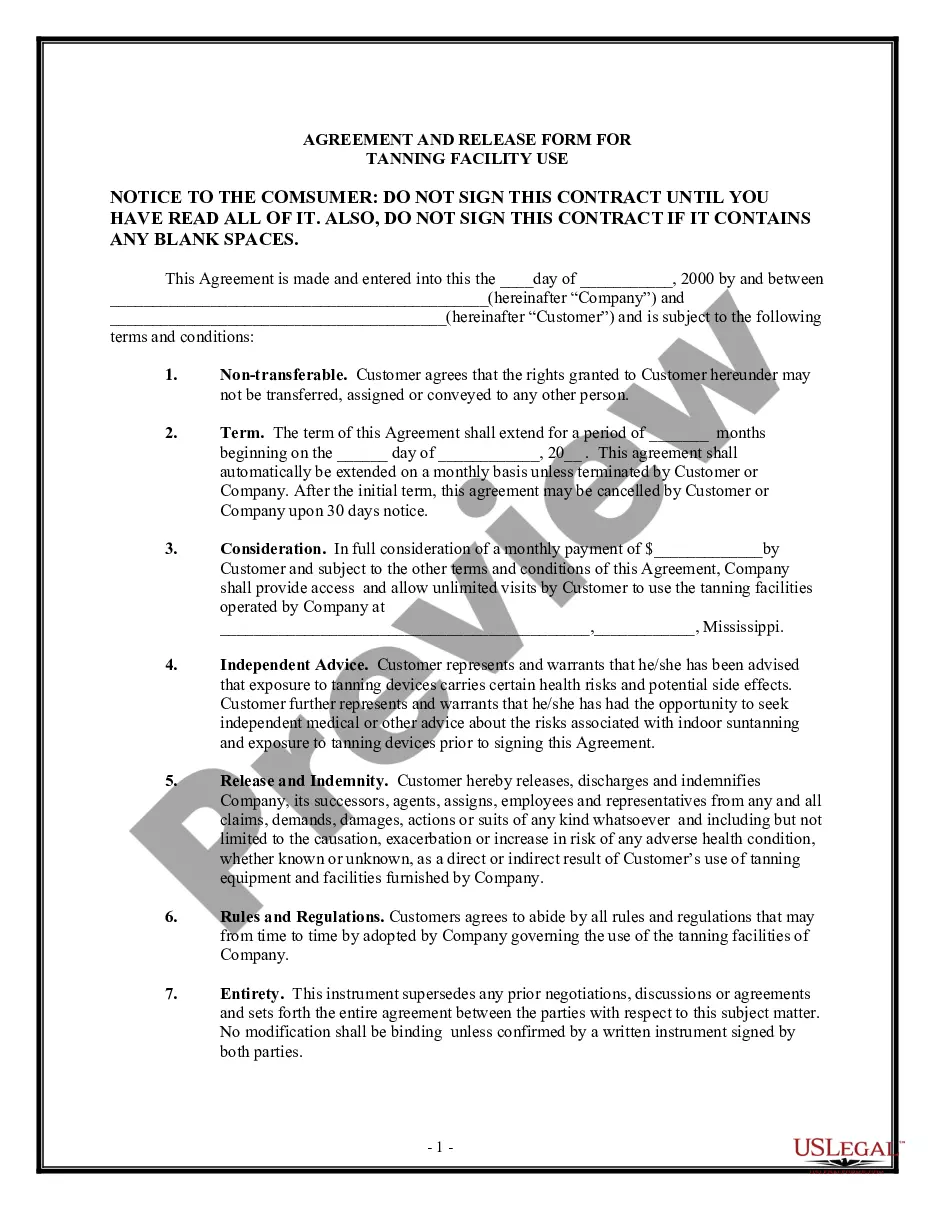
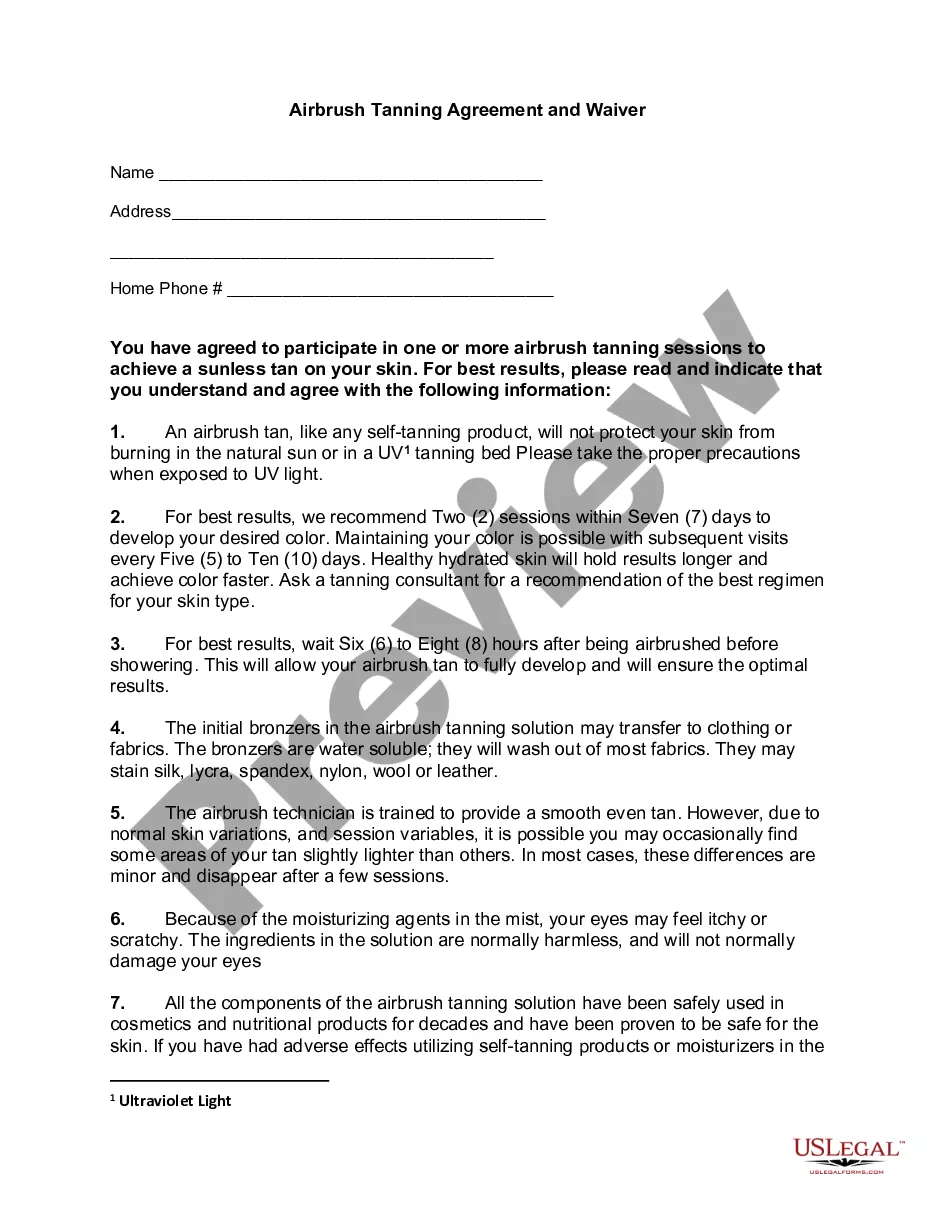
Get your form ready online
Our built-in tools help you complete, sign, share, and store your documents in one place.
Make edits, fill in missing information, and update formatting in US Legal Forms—just like you would in MS Word.
Download a copy, print it, send it by email, or mail it via USPS—whatever works best for your next step.
Sign and collect signatures with our SignNow integration. Send to multiple recipients, set reminders, and more. Go Premium to unlock E-Sign.
If this form requires notarization, complete it online through a secure video call—no need to meet a notary in person or wait for an appointment.
We protect your documents and personal data by following strict security and privacy standards.

Make edits, fill in missing information, and update formatting in US Legal Forms—just like you would in MS Word.

Download a copy, print it, send it by email, or mail it via USPS—whatever works best for your next step.

Sign and collect signatures with our SignNow integration. Send to multiple recipients, set reminders, and more. Go Premium to unlock E-Sign.

If this form requires notarization, complete it online through a secure video call—no need to meet a notary in person or wait for an appointment.

We protect your documents and personal data by following strict security and privacy standards.
Looking for another form?









Form popularity
FAQ
What is the release of all claims in Florida? In Florida, a release of all claims is a legally binding agreement that an individual signs to waive their right to pursue any future claims against another party regarding a specific incident or set of circumstances.
Florida Uses Comparative Negligence Rules For example, some states allow a party who is “less” at fault to receive compensation, while others do not. Florida uses the pure comparative negligence rule, where the amount of compensation can be reduced based on the degree of fault you had in the accident.
Florida's new 50% fault threshold has completely changed how accident victims need to approach evidence gathering. Before 2023, if an insurance company blamed you for 60% of an accident, you could still recover 40% of your damages. Now, that same 60% fault determination means you get nothing. Zero compensation.
New Rules for Fault and Compensation If you're found more than 50% at fault (for the accident or event that caused your injury), you cannot recover any damages. Under the new legal standard, even slight differences in fault determination can now completely bar recovery.
Effective Date: July 1, 2024 with some provisions effective on , the day Governor DeSantis signed the bill. Allows surplus lines insurance companies that meet certain financial requirements to take out policies from Citizens for dwellings that are not primary residences or homestead properties.
In 2021, the Florida Senate introduced SB 54, which would eliminate the mandatory PIP requirement for auto insurance. In its place, the new PIP reform law would require vehicle owners to carry: A minimum of $25,000 in bodily injury coverage. A minimum of $50,000 for two or more people in any one accident.
In 2021, the Florida Senate introduced SB 54, which would eliminate the mandatory PIP requirement for auto insurance. In its place, the new PIP reform law would require vehicle owners to carry: A minimum of $25,000 in bodily injury coverage. A minimum of $50,000 for two or more people in any one accident.
As mentioned earlier, bodily injury claims in Florida are based on the state's “no-fault” insurance system. This means that, regardless of who is at fault for an accident, each driver's own insurance company pays for their personal injury expenses up to a certain limit.
You could be responsible for any medical bills, ambulance costs, lost wages, legal fees, pain and suffering, and even funeral expenses if they are needed.
