Personal Injury Release Without A Lawyer In Cook
Description

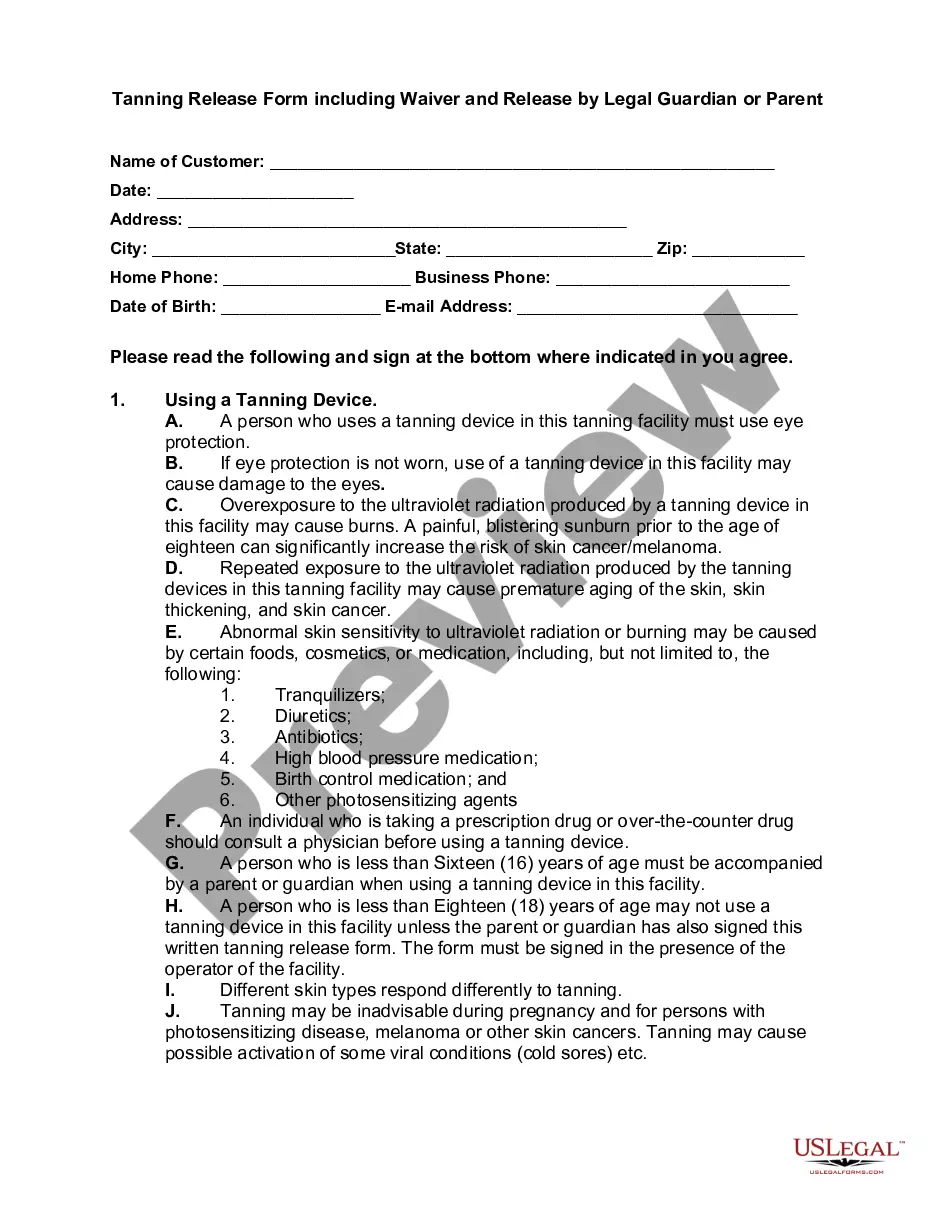
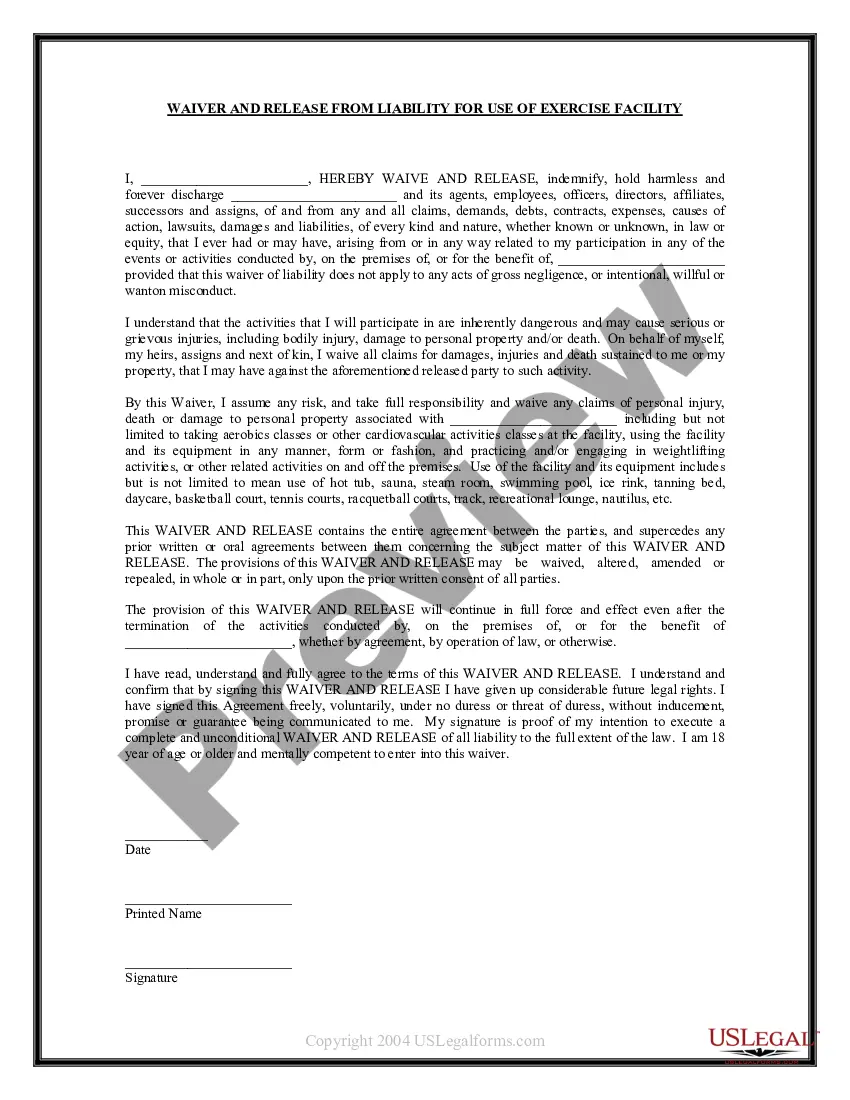
Get your form ready online
Our built-in tools help you complete, sign, share, and store your documents in one place.
Make edits, fill in missing information, and update formatting in US Legal Forms—just like you would in MS Word.
Download a copy, print it, send it by email, or mail it via USPS—whatever works best for your next step.
Sign and collect signatures with our SignNow integration. Send to multiple recipients, set reminders, and more. Go Premium to unlock E-Sign.
If this form requires notarization, complete it online through a secure video call—no need to meet a notary in person or wait for an appointment.
We protect your documents and personal data by following strict security and privacy standards.

Make edits, fill in missing information, and update formatting in US Legal Forms—just like you would in MS Word.

Download a copy, print it, send it by email, or mail it via USPS—whatever works best for your next step.

Sign and collect signatures with our SignNow integration. Send to multiple recipients, set reminders, and more. Go Premium to unlock E-Sign.

If this form requires notarization, complete it online through a secure video call—no need to meet a notary in person or wait for an appointment.

We protect your documents and personal data by following strict security and privacy standards.
Looking for another form?
Form popularity
FAQ
The Process. If you choose to claim without a solicitor, you'll deal directly with the responsible party's insurance company. This process typically involves: Reporting the accident to the insurer: You'll need to notify the insurer of the accident, providing details about when and where it occurred, and how it happened ...
If you decide to represent yourself in a personal injury claim, here are the steps you need to follow: Gather Evidence. Calculate Damages. File a Claim. Negotiate with Insurance Companies. Prepare for Court. Present Your Case. Common Mistakes to Avoid When Representing Yourself in a Personal Injury Claim.
Crafting a Compelling Personal Injury Demand Letter Gather Essential Information. Introduce Yourself and the Purpose of the Letter. Describe the Accident and Establish Liability (Fault) ... Detail Your Injuries, Treatment, and Prognosis. Itemize Your Damages. Make a Specific Demand and Set a Response Deadline.
Here is how the personal injury claim process works: Complete Your Medical Treatment. Submit Demand Package. Settlement of Claim. Compromise of Liens. Statute of Limitations. Lawsuit in Court. Mandatory Arbitration. Trial and Judgment. A court case can be settled at any stage by voluntary agreement of the parties.
The law and the court will allow you to represent yourself in a personal injury claim. The law calls this appearing pro se, or on your own behalf. Some instances, though, prevent you from representing yourself in court, such as: Suing for a corporation.
The result of a settlement agreement involves the responsible party paying a certain amount to compensate for the damages caused to the victim.
An average personal injury settlement amount is anywhere between $3,000 and $75,000. Be careful when using an average personal injury settlement calculator to give you an idea of what you may stand to collect. These numbers really depend on your individual case and are hard to predict without a professional.
The amount of compensation that can be claimed for general damages depends on the type of injury and suffering experienced, and the severity of it, as well as how long quality of life is affected. Therefore, there isn't a 'one sum suits all' approach to general damages; every single claim is different.
It's important to note there are two types of injury compensation (damages): General Damagescompensate you for the pain and suffering of your injuries and the impact they've had on your life. Special damages reimburse you for any financial losses you incurred as a direct result of the accident and your injuries.
