Agreement Personal Injury Without A Lawyer In Broward
Description

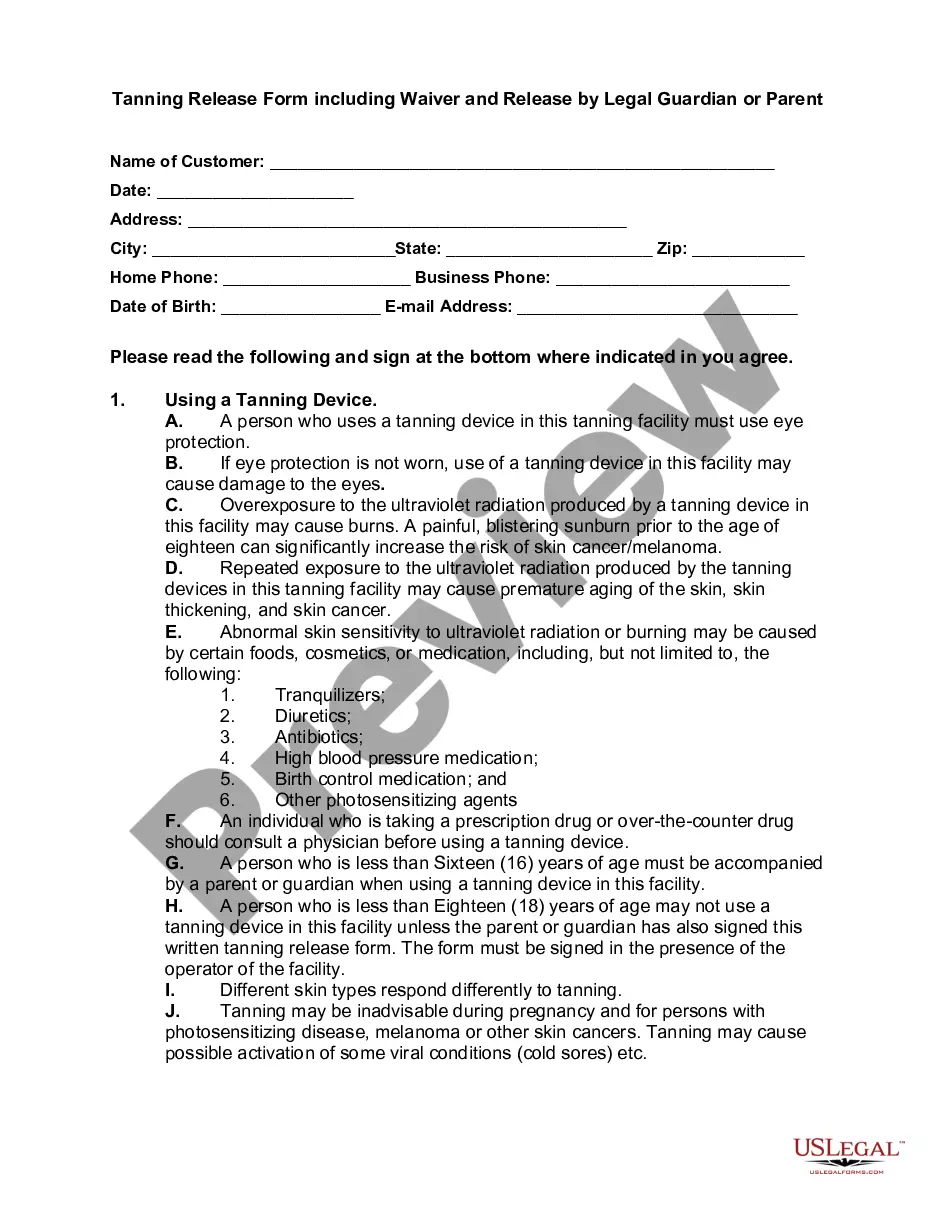
Get your form ready online
Our built-in tools help you complete, sign, share, and store your documents in one place.
Make edits, fill in missing information, and update formatting in US Legal Forms—just like you would in MS Word.
Download a copy, print it, send it by email, or mail it via USPS—whatever works best for your next step.
Sign and collect signatures with our SignNow integration. Send to multiple recipients, set reminders, and more. Go Premium to unlock E-Sign.
If this form requires notarization, complete it online through a secure video call—no need to meet a notary in person or wait for an appointment.
We protect your documents and personal data by following strict security and privacy standards.

Make edits, fill in missing information, and update formatting in US Legal Forms—just like you would in MS Word.

Download a copy, print it, send it by email, or mail it via USPS—whatever works best for your next step.

Sign and collect signatures with our SignNow integration. Send to multiple recipients, set reminders, and more. Go Premium to unlock E-Sign.

If this form requires notarization, complete it online through a secure video call—no need to meet a notary in person or wait for an appointment.

We protect your documents and personal data by following strict security and privacy standards.
Looking for another form?






Form popularity
FAQ
The Unfair Contract Terms Act 1977 (UCTA) prevents a party from limiting its liability in a business contract for negligently causing death or personal injury. Other losses are capable of being excluded provided that the specific term meets the requirements of the reasonableness test as set out in UCTA.
An average personal injury settlement amount is anywhere between $3,000 and $75,000. Be careful when using an average personal injury settlement calculator to give you an idea of what you may stand to collect. These numbers really depend on your individual case and are hard to predict without a professional.
The result of a settlement agreement involves the responsible party paying a certain amount to compensate for the damages caused to the victim.
It's important to note there are two types of injury compensation (damages): General Damagescompensate you for the pain and suffering of your injuries and the impact they've had on your life. Special damages reimburse you for any financial losses you incurred as a direct result of the accident and your injuries.
Small Claims court is considered a “peoples court” and a lawyer is not required. Clerk's Office personnel will provide you with the necessary forms for filing a Small Claims case. You may wish to consult with an attorney if there are complex legal issues or, you need legal advice on your rights and obligations.
Answering the lawsuit can be as simple as drafting a document and writing 'admit' or 'deny' or “without knowledge” in correlation to each numbered paragraph in the summons. Your answer to the lawsuit must address every allegation individually.
In March 2023, Florida passed H.B. 837. Governor Ron DeSantis signed the bill into law. This new law reduced the statute of limitations from four years to two years for cases based on negligence. The law affects the filing deadline for accidents that occurred after the effective date of March 24, 2023.
The Most Common Types of Personal Injury Cases Car Accidents. Motorcycle Accidents. Truck Accidents. Uber & Lyft Accidents. Pedestrian Accidents. Wrongful Deaths. Slip & Fall Accidents. Animal Bites and Attacks.
The complaint is the written document that begins a lawsuit. The complaint sets out the plaintiff's claim against the defendant or defendants. The plaintiff files the complaint with the clerk. With the complaint, the plaintiff must file a civil cover sheet and summons for each defendant.
A personal injury lawsuit in Florida can take anywhere between a few months to several years since every case is different. In general, most cases take an average of 12 to 14 months to resolve, but some may be settled more quickly. Others can take several years to resolve, especially if litigation is necessary.
