Agreement Personal Injury For Car Insurance In Bexar
Description

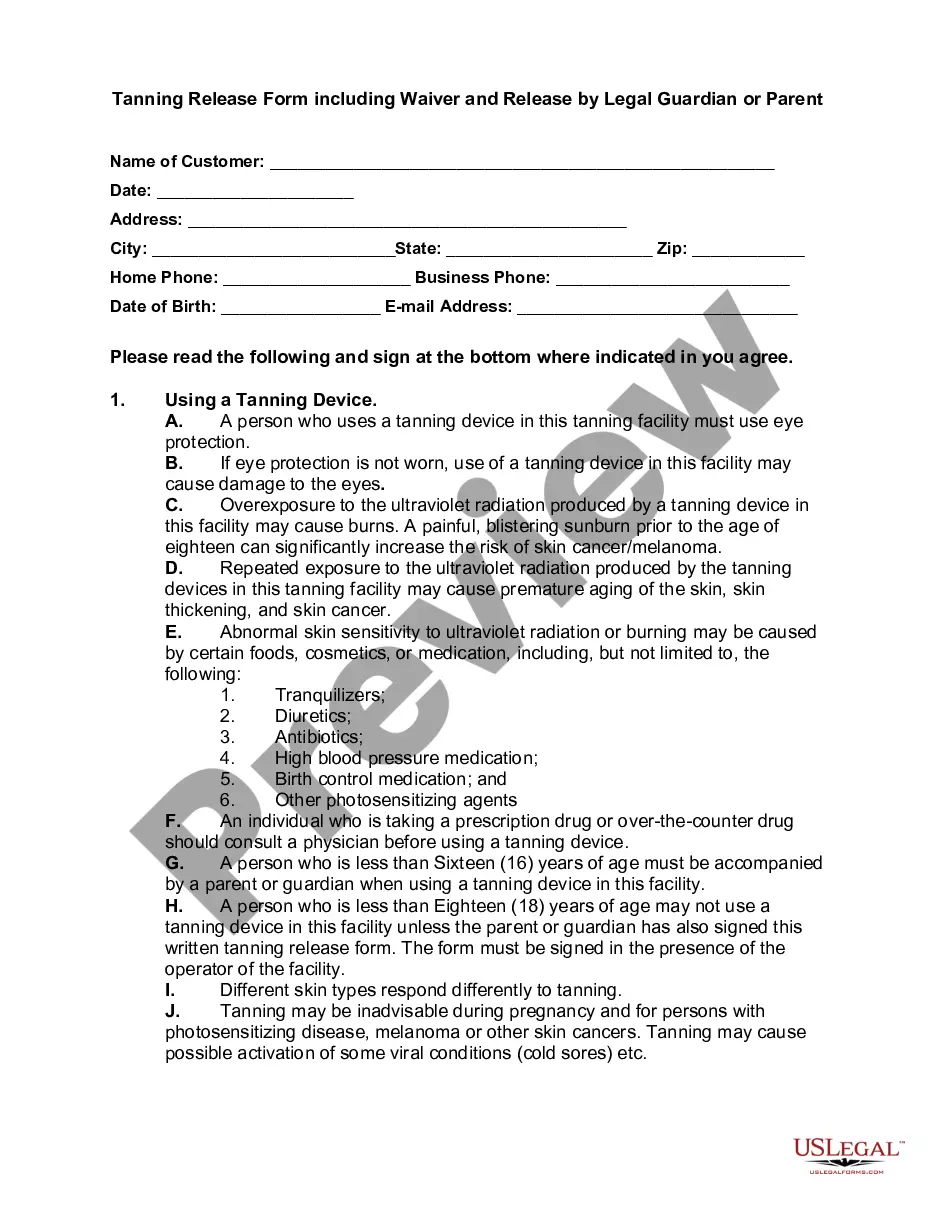
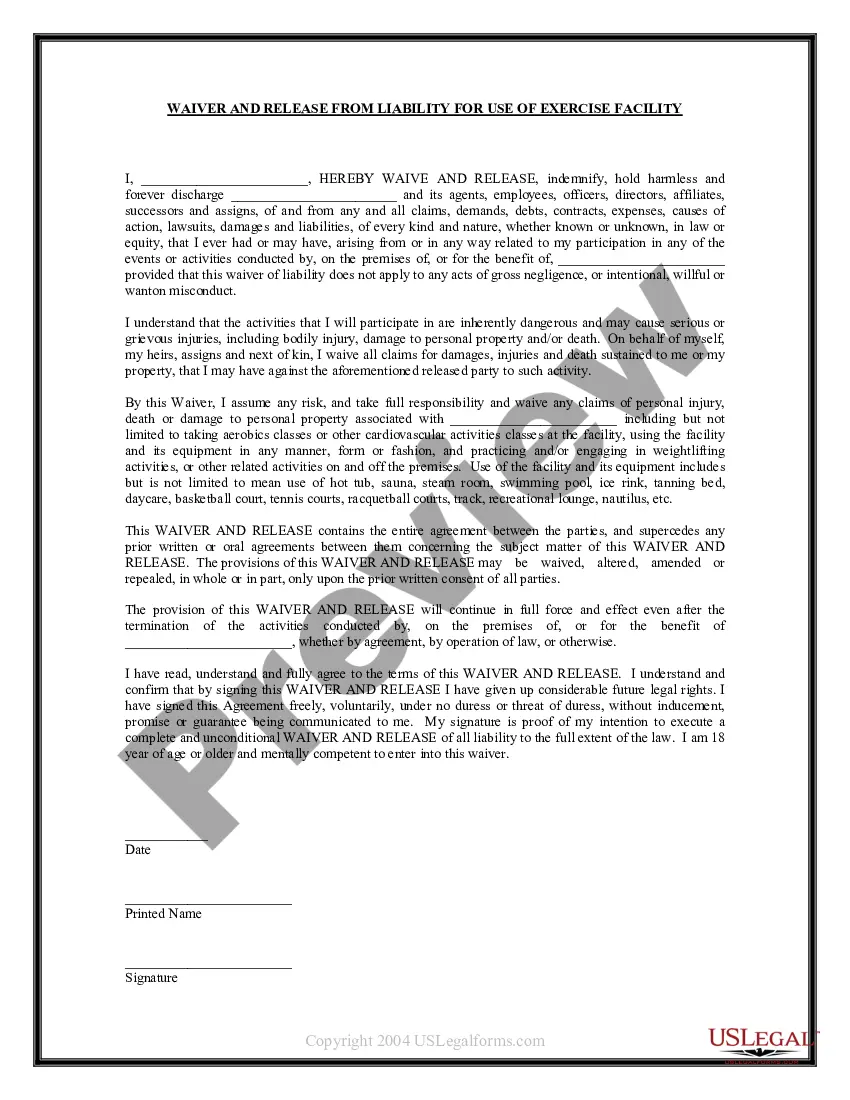
Get your form ready online
Our built-in tools help you complete, sign, share, and store your documents in one place.
Make edits, fill in missing information, and update formatting in US Legal Forms—just like you would in MS Word.
Download a copy, print it, send it by email, or mail it via USPS—whatever works best for your next step.
Sign and collect signatures with our SignNow integration. Send to multiple recipients, set reminders, and more. Go Premium to unlock E-Sign.
If this form requires notarization, complete it online through a secure video call—no need to meet a notary in person or wait for an appointment.
We protect your documents and personal data by following strict security and privacy standards.

Make edits, fill in missing information, and update formatting in US Legal Forms—just like you would in MS Word.

Download a copy, print it, send it by email, or mail it via USPS—whatever works best for your next step.

Sign and collect signatures with our SignNow integration. Send to multiple recipients, set reminders, and more. Go Premium to unlock E-Sign.

If this form requires notarization, complete it online through a secure video call—no need to meet a notary in person or wait for an appointment.

We protect your documents and personal data by following strict security and privacy standards.
Looking for another form?

Form popularity
FAQ
Iowa law requires minimum liability coverage: $20,000 of bodily injury to or death of one person in any one accident; $40,000 because of bodily injury to or death of two or more persons in any one accident; and. $15,000 because of injury to or destruction of property of others in any one accident.
Texas law requires you to have at least $30,000 of coverage for injuries per person, up to a total of $60,000 per accident, and $25,000 of coverage for property damage. This is called 30/60/25 coverage. Think about buying more liability coverage.
With these categories in mind, here are the top 10 states for insurance regulation: Arizona – 73.8 (A+) Kentucky – 73.1 (A+) Virginia – 72.0 (A) Nevada – 71.8 (A) Indiana – 71.2 (A) South Dakota – 70.9 (A) Florida — 70.1 (A) Illinois – 69.3 (A)
Stricter or lenient requirements: Texas has comparatively lenient insurance requirements compared to some states like California, which have higher minimum coverage limits. For example, while California requires at least $15,000 in bodily injury coverage per person, Texas only requires $30,000 for two or more injuries.
Sometimes referred to as “release agreements” or as “settlement agreements,” release and settlement agreements bring a legal dispute to an end outside of the courtroom. That legal dispute can be nearly anything, like an alleged: Breach of contract. Violation of a non-compete agreement.
If you want to take legal action to claim compensation for a personal injury, you will need to get advice from a solicitor specialising in these types of cases. This must be done as soon as possible as there are strict time limits on taking legal action.
If the settlement involves an insurance company, the insurer typically issues the check. In Texas, most insurers disburse settlement funds within 30 days of receiving the signed release agreement, as required by law.
Ing to insurance data, the average payout across the U.S. for a pain and suffering settlement in a personal injury case is approximately $15,000.
The answer is typically between one and six weeks after your attorney reaches a settlement or the judge hearing your case awards you monetary damages. The reason why it takes as long as it does is that your lawyer receives your settlement check to take care of certain expenses before you receive just compensation.
A settlement can take anywhere from a few weeks to over five years to close. Straightforward personal injury cases, like a car accident lawsuit from a rear-end collision, are more likely to resolve quickly. A medical malpractice case is more likely to take several years.
