Sample Retainer Agreement For Personal Injury In Alameda
Description

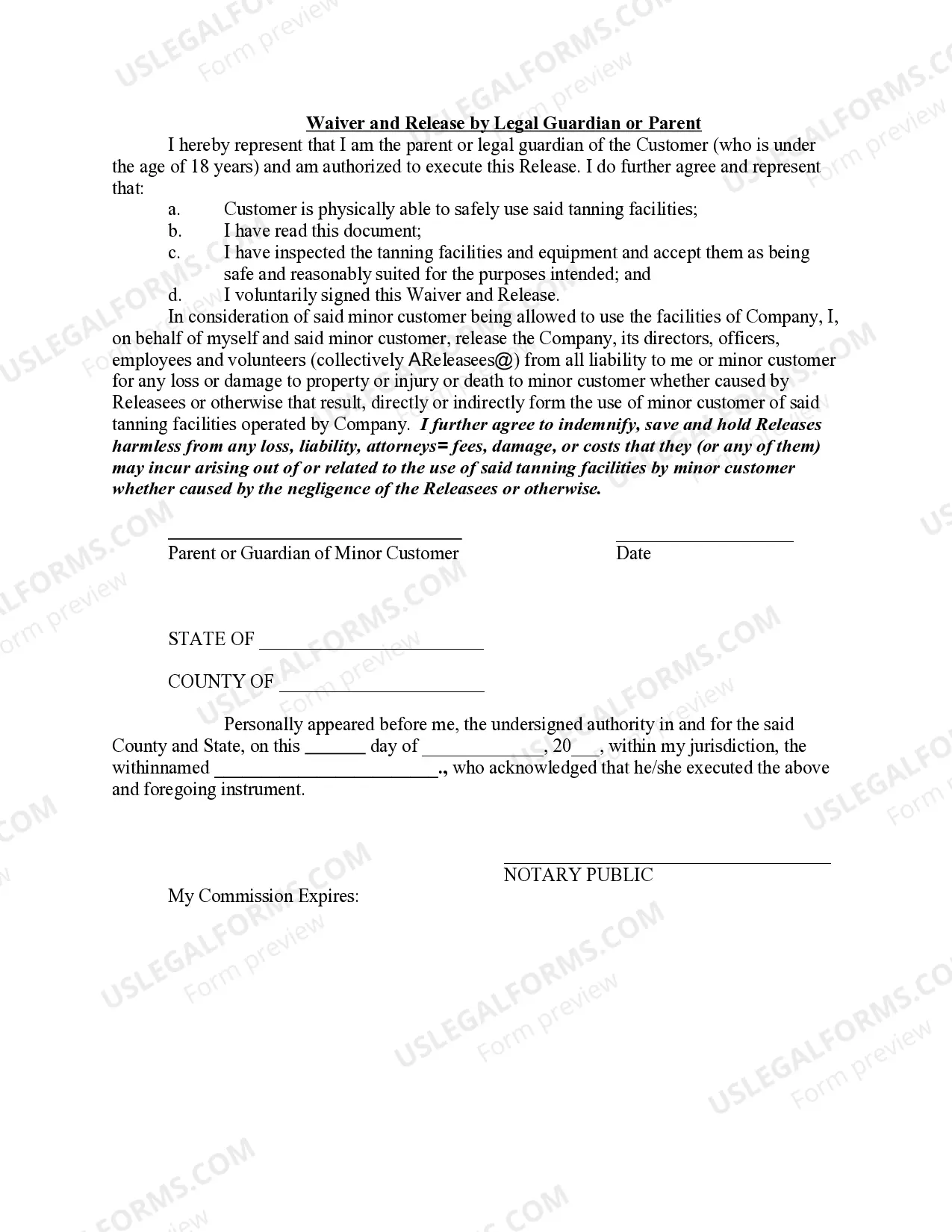
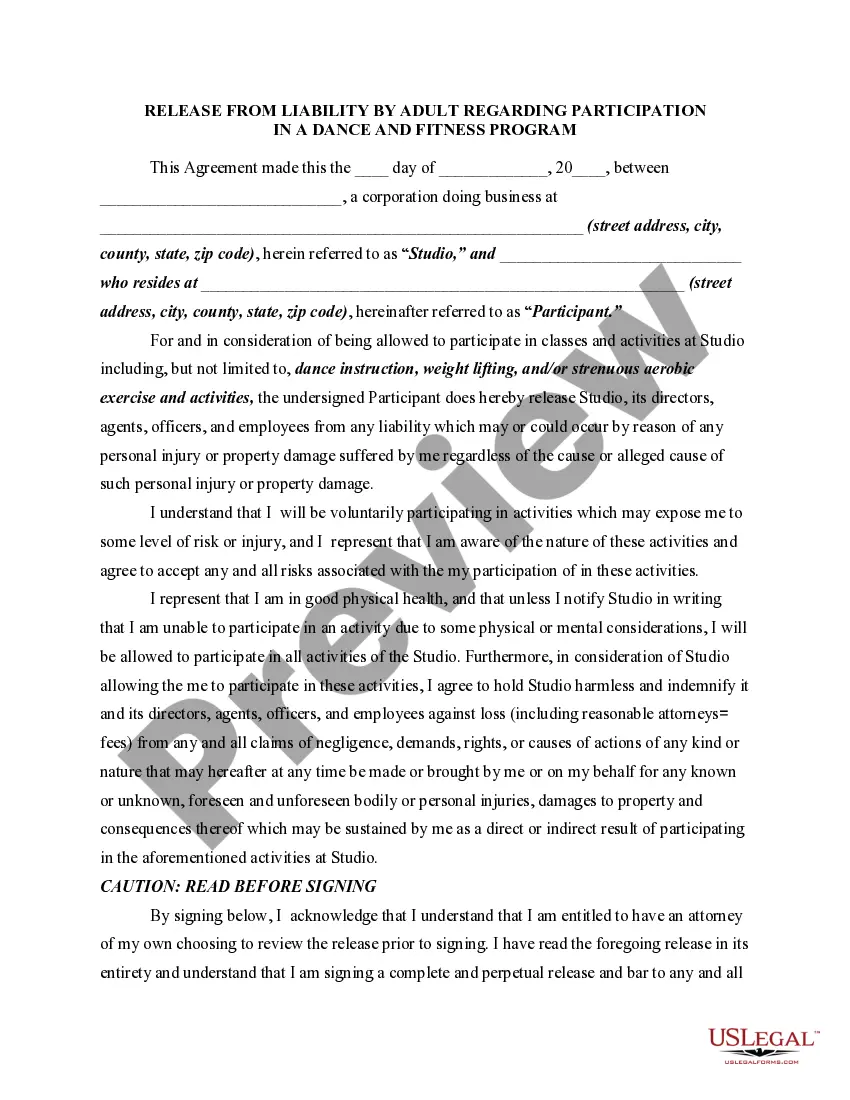
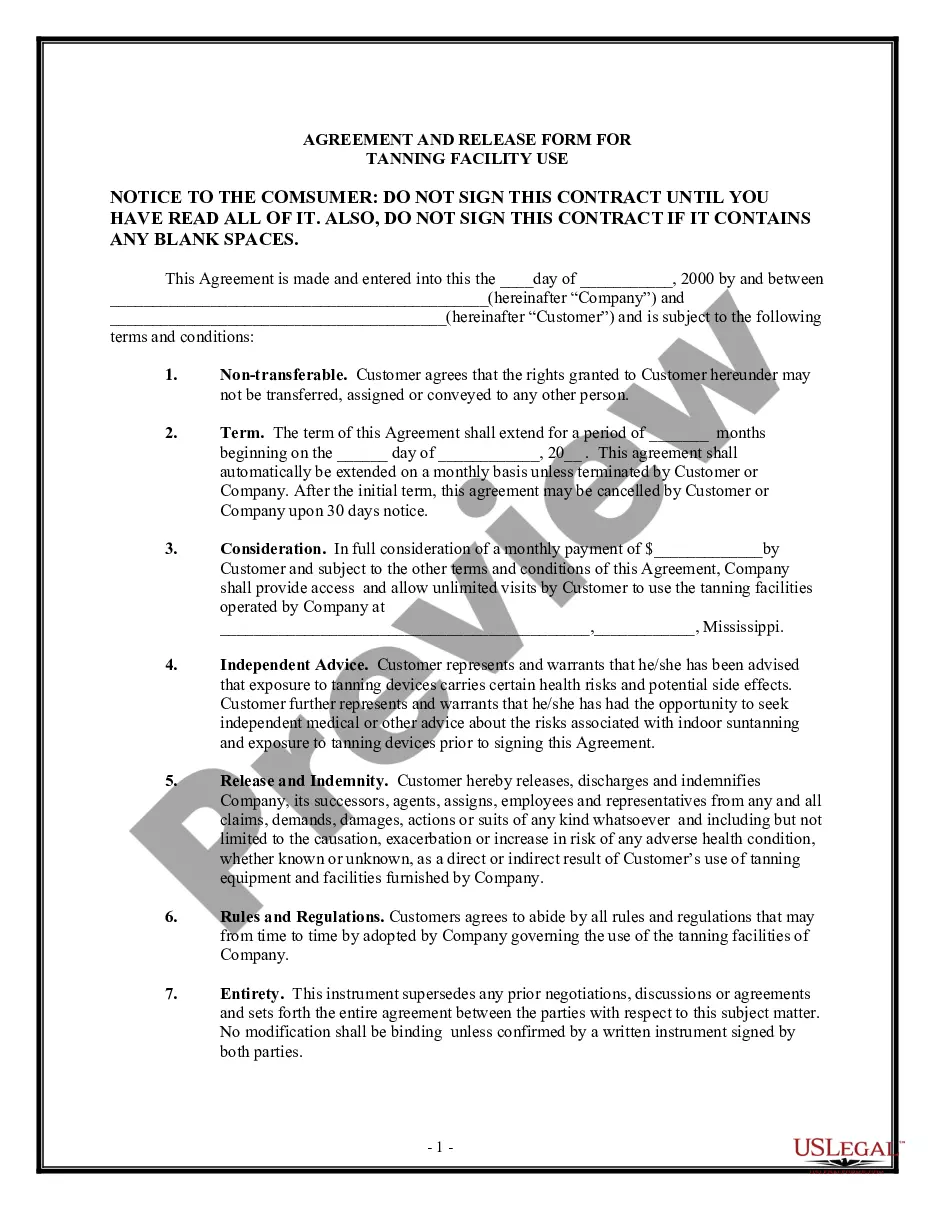
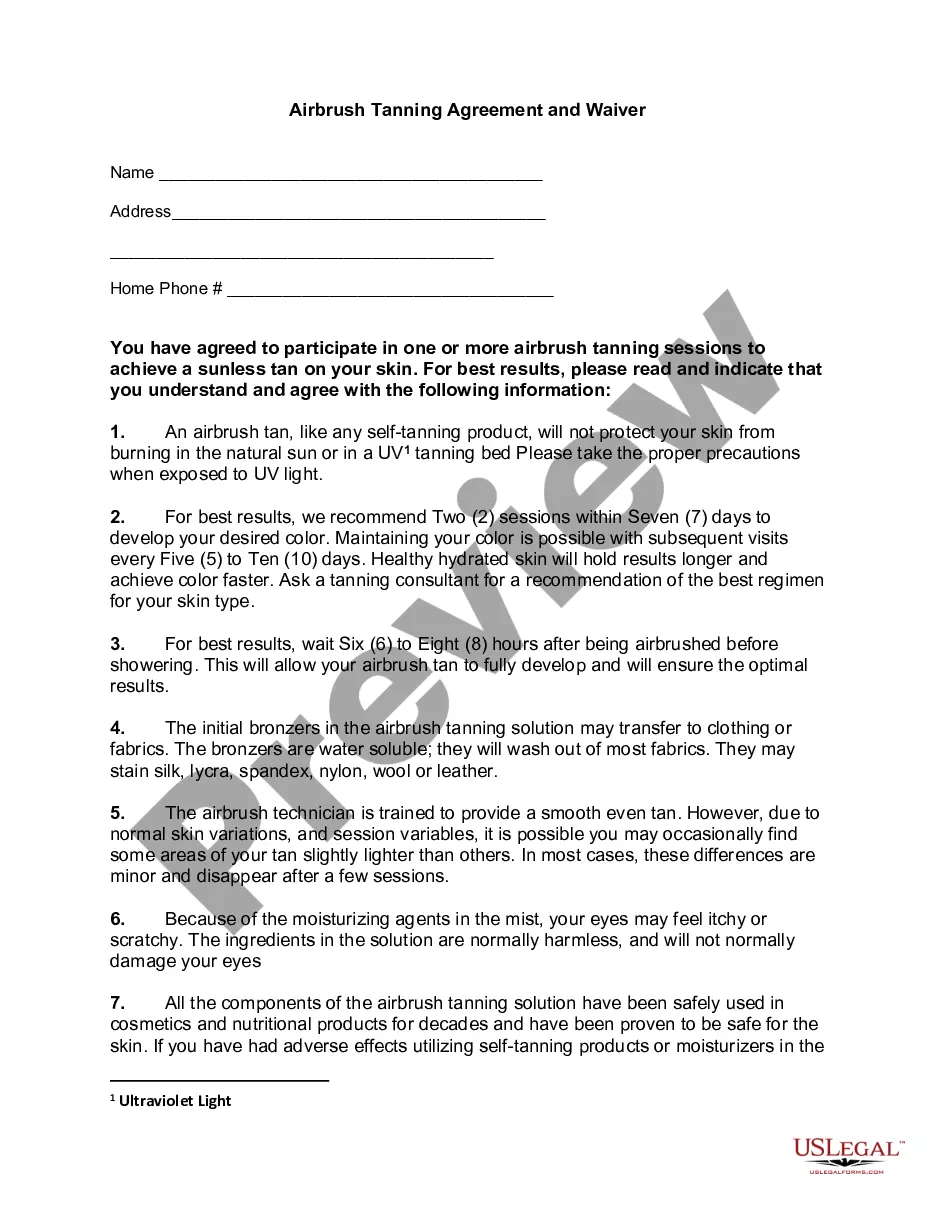
Get your form ready online
Our built-in tools help you complete, sign, share, and store your documents in one place.
Make edits, fill in missing information, and update formatting in US Legal Forms—just like you would in MS Word.
Download a copy, print it, send it by email, or mail it via USPS—whatever works best for your next step.
Sign and collect signatures with our SignNow integration. Send to multiple recipients, set reminders, and more. Go Premium to unlock E-Sign.
If this form requires notarization, complete it online through a secure video call—no need to meet a notary in person or wait for an appointment.
We protect your documents and personal data by following strict security and privacy standards.

Make edits, fill in missing information, and update formatting in US Legal Forms—just like you would in MS Word.

Download a copy, print it, send it by email, or mail it via USPS—whatever works best for your next step.

Sign and collect signatures with our SignNow integration. Send to multiple recipients, set reminders, and more. Go Premium to unlock E-Sign.

If this form requires notarization, complete it online through a secure video call—no need to meet a notary in person or wait for an appointment.

We protect your documents and personal data by following strict security and privacy standards.
Looking for another form?







Form popularity
FAQ
The retainer agreement does not bind you to your lawyer. You can terminate the client-attorney relationship at any time.
It provides: “Use the singular possessive case 'attorney's fees' (not 'attorneys'') in the term 'attorney's fees,' even though in the particular case more than one attorney may be involved.” OFF. OF THE REP. OF DECISIONS, THE SUPREME COURT'S STYLE GUIDE § 10.3 (Jack Metzler ed., 2016).
If you want to take legal action to claim compensation for a personal injury, you will need to get advice from a solicitor specialising in these types of cases. This must be done as soon as possible as there are strict time limits on taking legal action.
Retainer agreements (also referred to as representation agreements) are a type of compensation agreement with lawyers either for reserving their employment or as compensation for future services. Also inside the agreement are details on the scope and procedure for the representation.
A retainer agreement is an arrangement where clients make an upfront payment to secure legal services, regardless of the case's outcome. In contrast to contingency fees, where the lawyer takes on financial risk, clients in retainer agreements are responsible for associated costs, including the initial upfront payment.
Here's my advice: Pitch only to existing clients or clients you know well. Never pitch a retainer agreement to someone you've never worked with before. Present the retainer as a way to get “front of the line” status. Highlight the benefit of predictable budgeting. Include a small discount (maybe)
Retainer agreements (also referred to as representation agreements) are a type of compensation agreement with lawyers either for reserving their employment or as compensation for future services. Also inside the agreement are details on the scope and procedure for the representation.
