Cancellation Lease Template For Farm Land In Nassau
Description

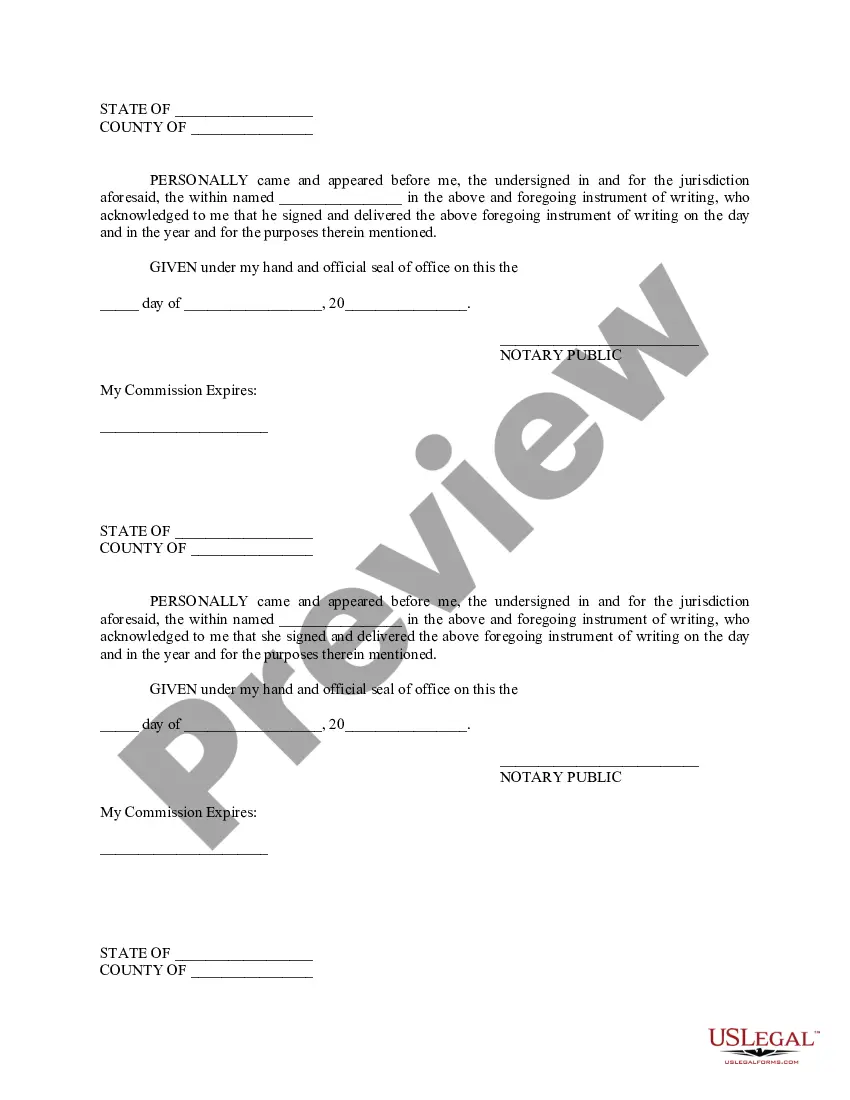
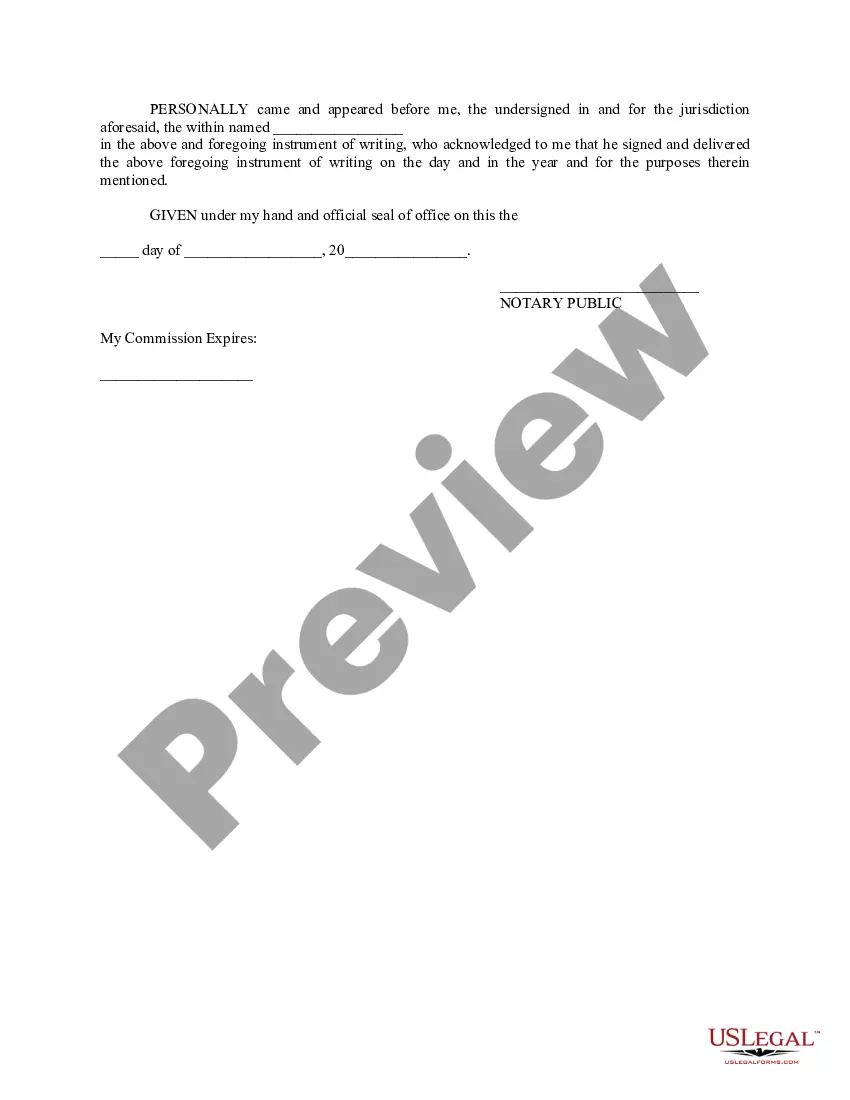
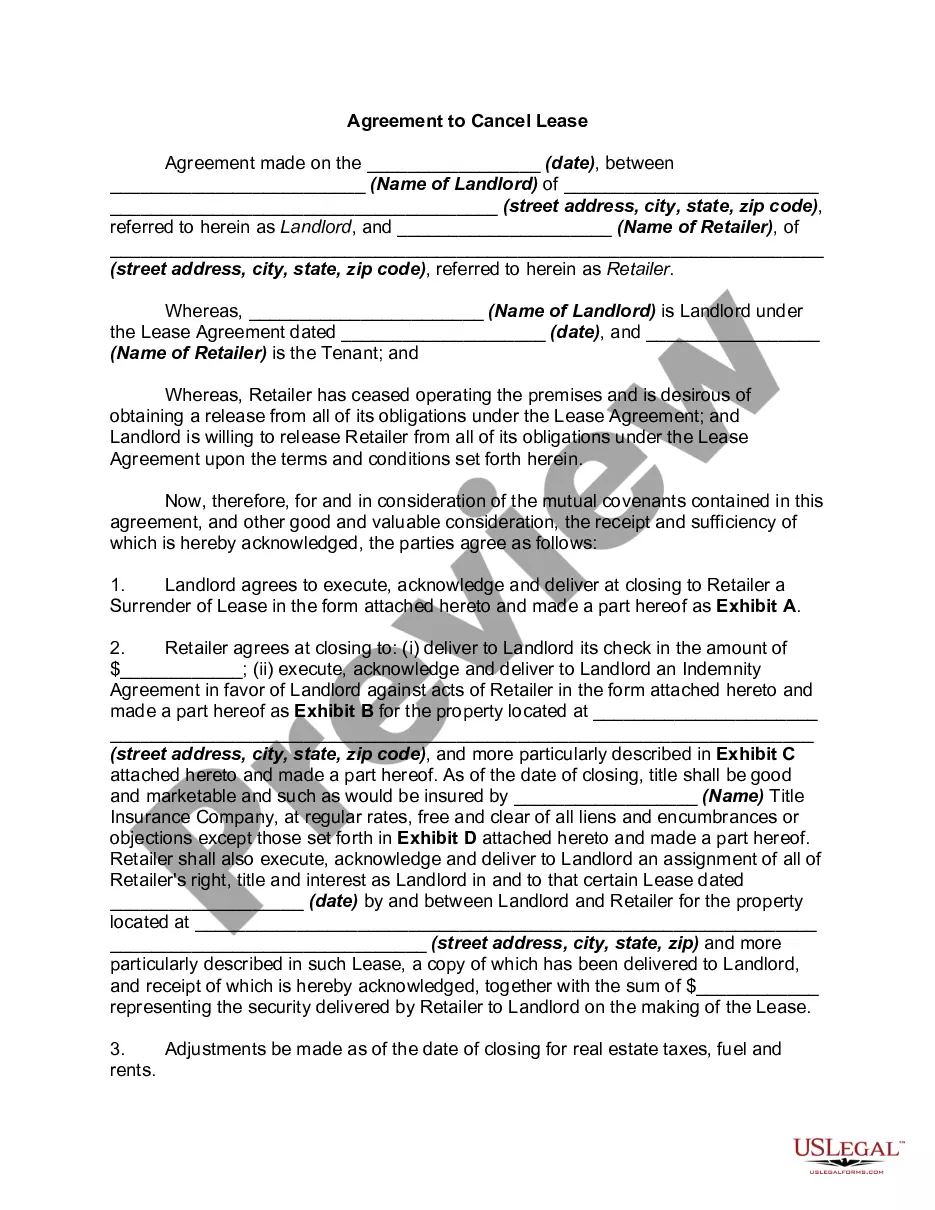
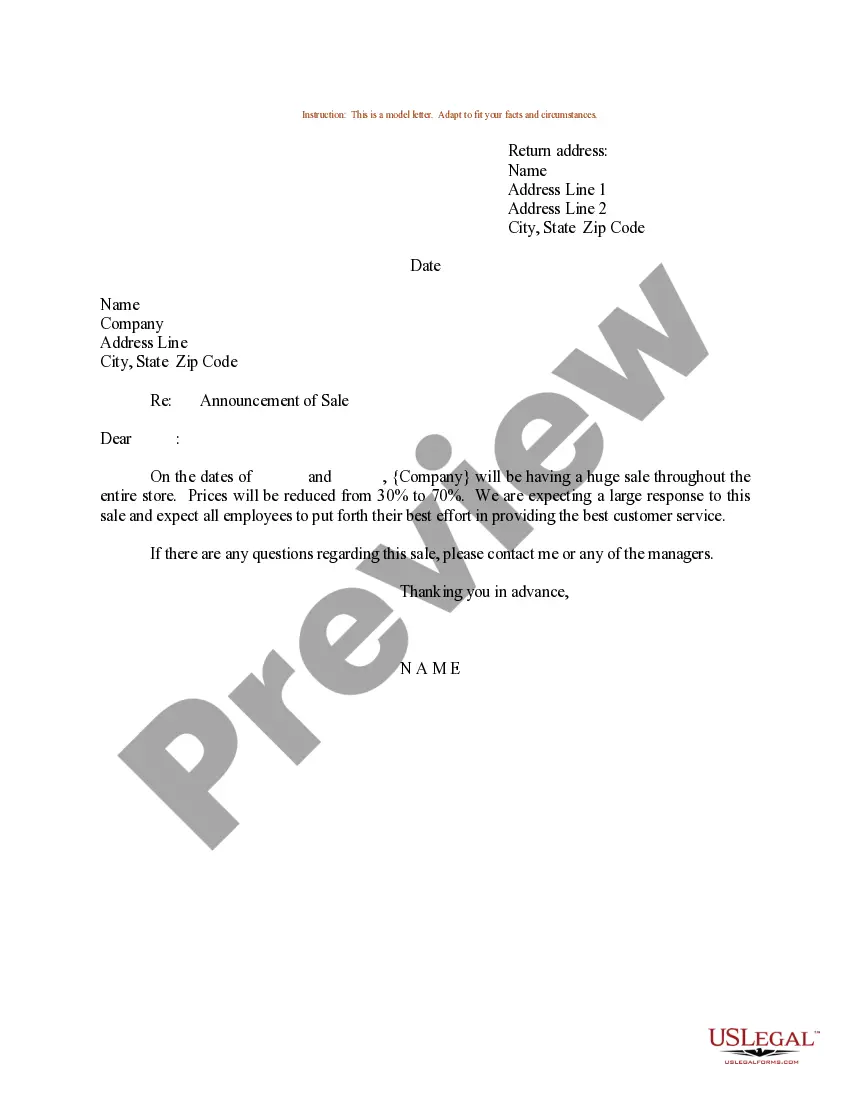
Get your form ready online
Our built-in tools help you complete, sign, share, and store your documents in one place.
Make edits, fill in missing information, and update formatting in US Legal Forms—just like you would in MS Word.
Download a copy, print it, send it by email, or mail it via USPS—whatever works best for your next step.
Sign and collect signatures with our SignNow integration. Send to multiple recipients, set reminders, and more. Go Premium to unlock E-Sign.
If this form requires notarization, complete it online through a secure video call—no need to meet a notary in person or wait for an appointment.
We protect your documents and personal data by following strict security and privacy standards.

Make edits, fill in missing information, and update formatting in US Legal Forms—just like you would in MS Word.

Download a copy, print it, send it by email, or mail it via USPS—whatever works best for your next step.

Sign and collect signatures with our SignNow integration. Send to multiple recipients, set reminders, and more. Go Premium to unlock E-Sign.

If this form requires notarization, complete it online through a secure video call—no need to meet a notary in person or wait for an appointment.

We protect your documents and personal data by following strict security and privacy standards.
Looking for another form?
Form popularity
FAQ
How to Write an Early Lease Termination Letter Date and Address. Begin your letter with the rental property address and the date. Salutation. Statement of Intent. Reason for Early Termination. Reference to Lease Agreement. Security Deposit Details. Proposed Termination Date. Offer to Assist With the Transition.
Most lease agreements require tenants to provide a specific notice period before terminating the lease. This notice period can vary, typically ranging from 30 to 90 days. Ensure that you give your landlord ample notice in ance with the terms of your lease.
Dear Landlord/Property management company's name, I'm writing to inform you that I will not renew my lease. This letter will serve as your # days' notice of my intent to vacate the abovementioned property; my last day will be date last day of lease agreement, which is the last day of my current lease.
Sample Letter One Dear Landlord, This letter is my written notice of termination of my current lease agreement. This letter meets the number of days notice requirement per the lease. As stated in the lease, the end date of this lease agreement is month, day, year.
Can a private company lease agricultural land in India? No, a company cannot lease agricultural land in India. Under the Ceiling on Land Holdings Act, non-agriculturists cannot own agricultural land, and under the Land Leasing Act, they cannot lease agricultural land, both Acts being at the State level.
How to Write One Full names of the parties involved in the lease agreement. Termination date of the lease. Full address of the property. (If applicable) The reason why you chose to terminate the lease agreement. Landlord's signature and printed name. The current date and method of notice delivery.
To terminate a periodic, year-to-year tenancy, Missouri law (Section 441.050 RSMO) requires that written notice be made by the party wishing to terminate the lease to the other party not fewer than 60 days before the end of the lease period.
A lease is a legally binding agreement between a lessor (the property owner) and a lessee (the tenant) that grants the lessee the right to use a property for a specified period in exchange for regular payments, known as rent.
Initially, contract farming regulated under the Indian Contract Act, 1872. The Model APMC (Agricultural Produce Market Committee) Act, 2003 provides specific provisions for contract farming, like compulsory registration of contract farming sponsors and dispute settlement.