Homeowners Association Bylaws Template Format In Wayne
Description

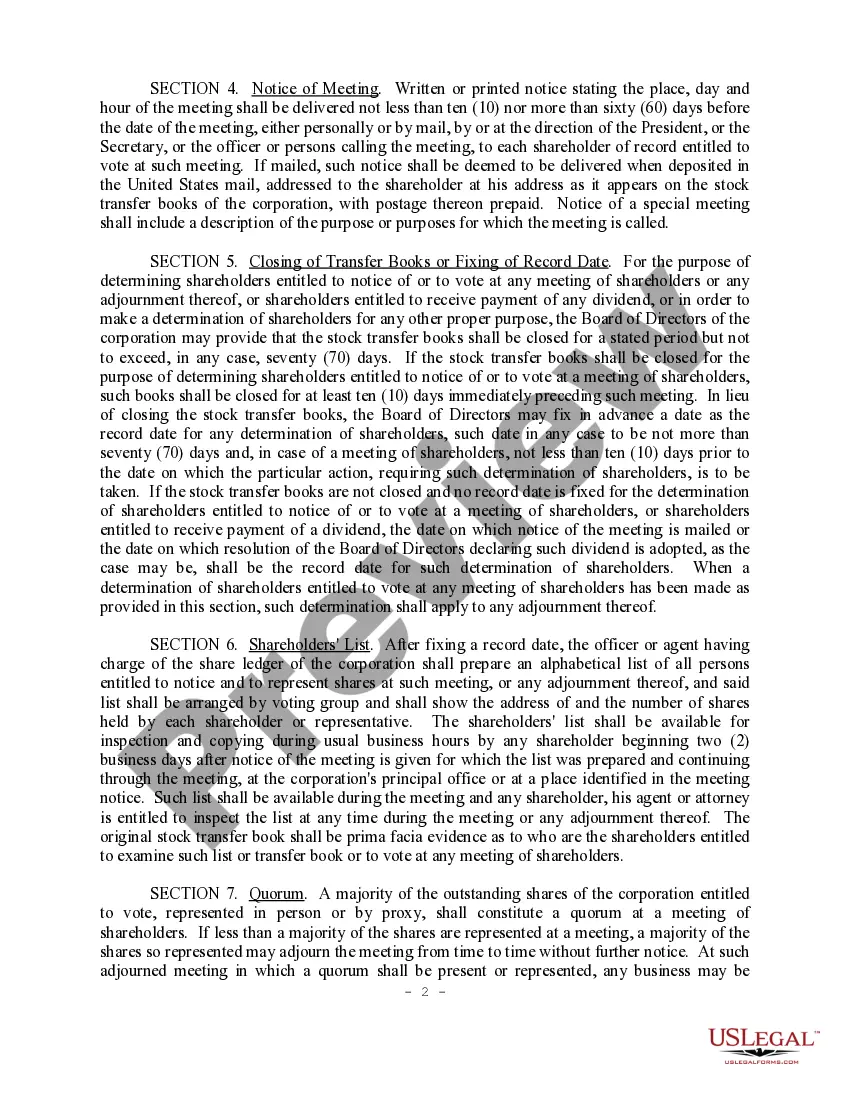
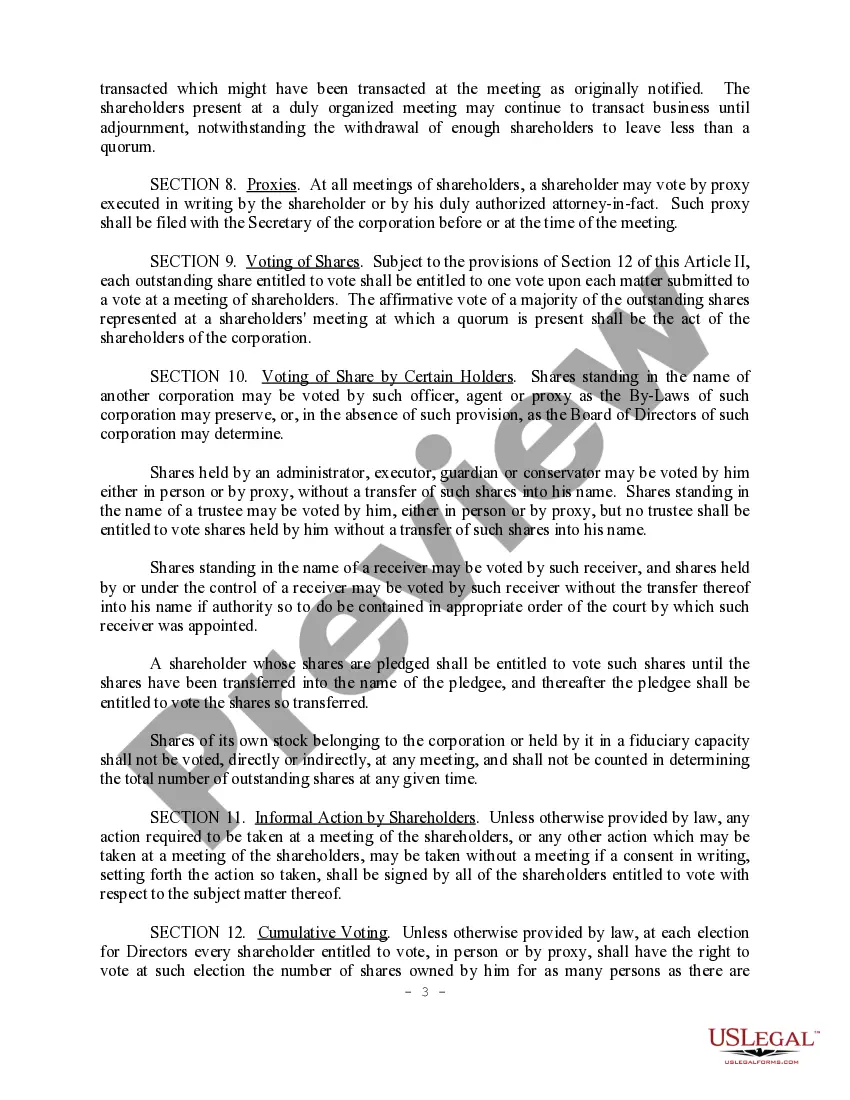
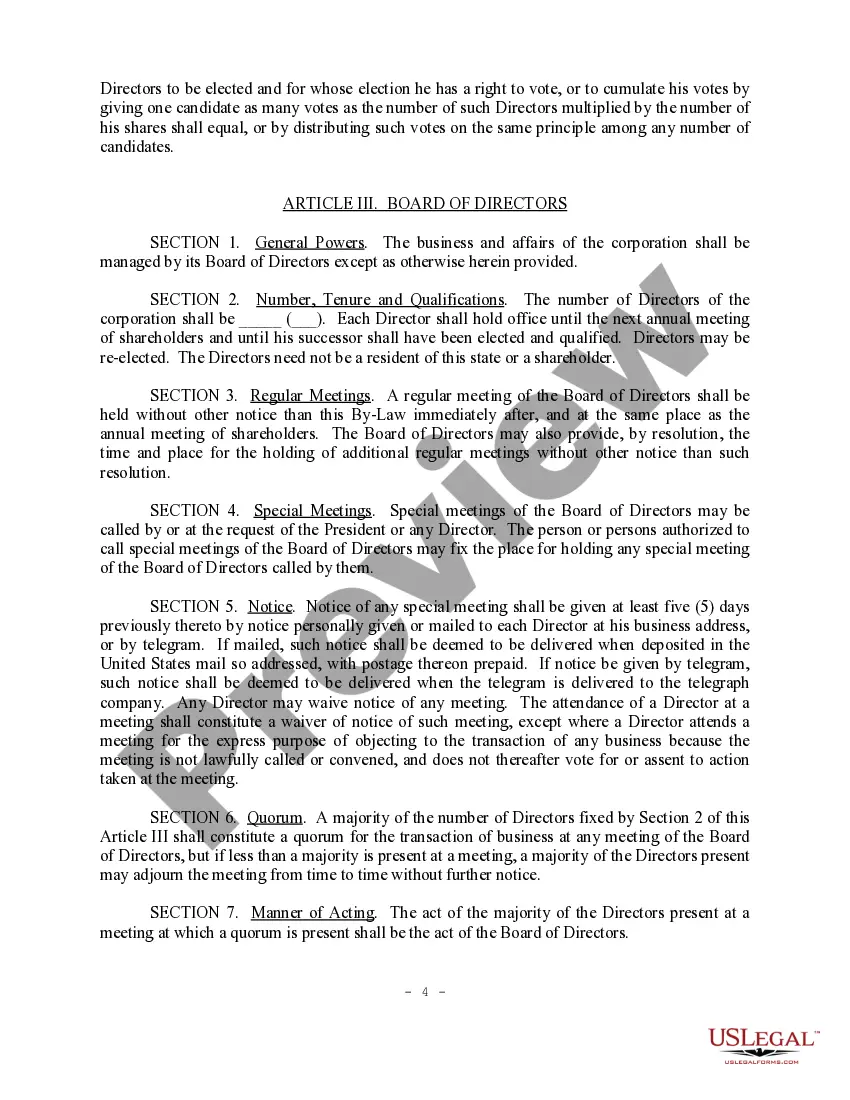
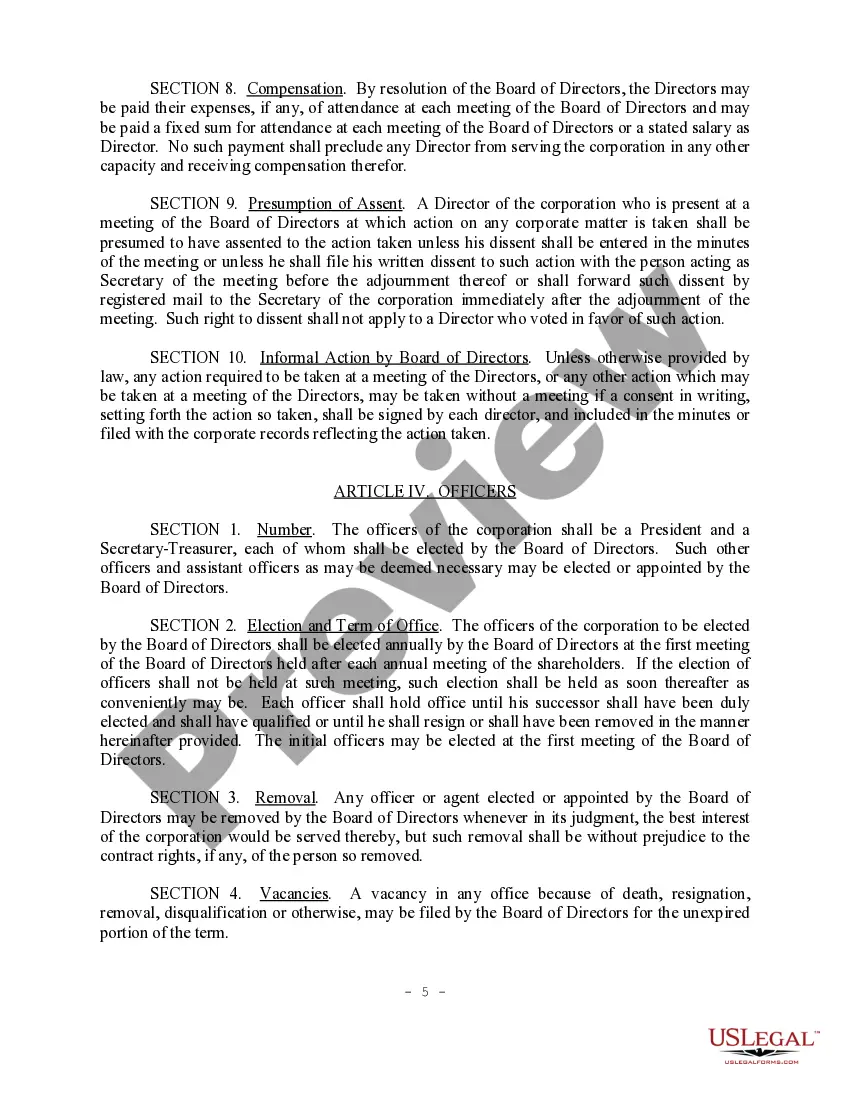
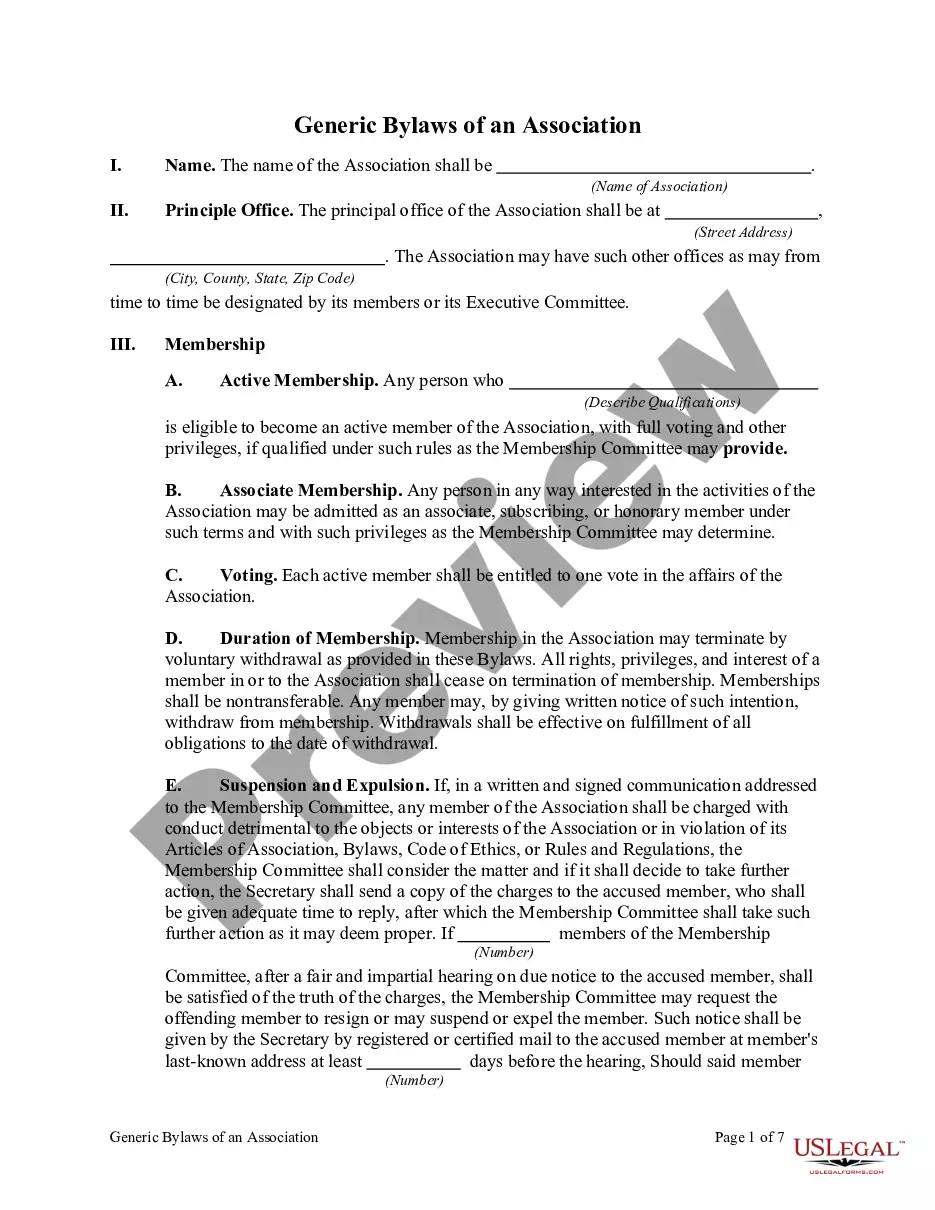
Get your form ready online
Our built-in tools help you complete, sign, share, and store your documents in one place.
Make edits, fill in missing information, and update formatting in US Legal Forms—just like you would in MS Word.
Download a copy, print it, send it by email, or mail it via USPS—whatever works best for your next step.
Sign and collect signatures with our SignNow integration. Send to multiple recipients, set reminders, and more. Go Premium to unlock E-Sign.
If this form requires notarization, complete it online through a secure video call—no need to meet a notary in person or wait for an appointment.
We protect your documents and personal data by following strict security and privacy standards.

Make edits, fill in missing information, and update formatting in US Legal Forms—just like you would in MS Word.

Download a copy, print it, send it by email, or mail it via USPS—whatever works best for your next step.

Sign and collect signatures with our SignNow integration. Send to multiple recipients, set reminders, and more. Go Premium to unlock E-Sign.

If this form requires notarization, complete it online through a secure video call—no need to meet a notary in person or wait for an appointment.

We protect your documents and personal data by following strict security and privacy standards.
Looking for another form?







Form popularity
FAQ
Homeowners often ask whether local laws supersede the rules and regulations set forth by their homeowner association (HOA). The short answer is yes, local laws do supersede HOA rules.
Yes, you can sue an HOA in Indiana if you believe that the association has acted unlawfully, breached its fiduciary duty, or violated the terms of the governing documents. However, it is important to explore alternative dispute resolution methods and consult with an experienced attorney before taking legal action.
To file a complaint against an HOA in Indiana, homeowners should first consult their association's bylaws for dispute resolution procedures. If the issue remains unresolved, they might consider filing a complaint with the Indiana Attorney General's office or seeking legal counsel to discuss potential civil action.
In Michigan, an HOA is typically established by filing Articles of Incorporation with the Secretary of State. These articles provide the legal foundation for the association and include key details such as the association's name, purpose, and the initial board of directors.
Fines. Homeowner's associations in Indiana have the authority to penalize property owners for violations and unpaid dues.
Unlike some states that have specific governmental agencies dedicated to regulating HOAs, Indiana does not have a single state agency that directly oversees these associations. Instead, the regulation of HOAs in Indiana is primarily governed by state statutes, the association's governing documents, and the courts.
