Bylaws For Church In Wayne
Description

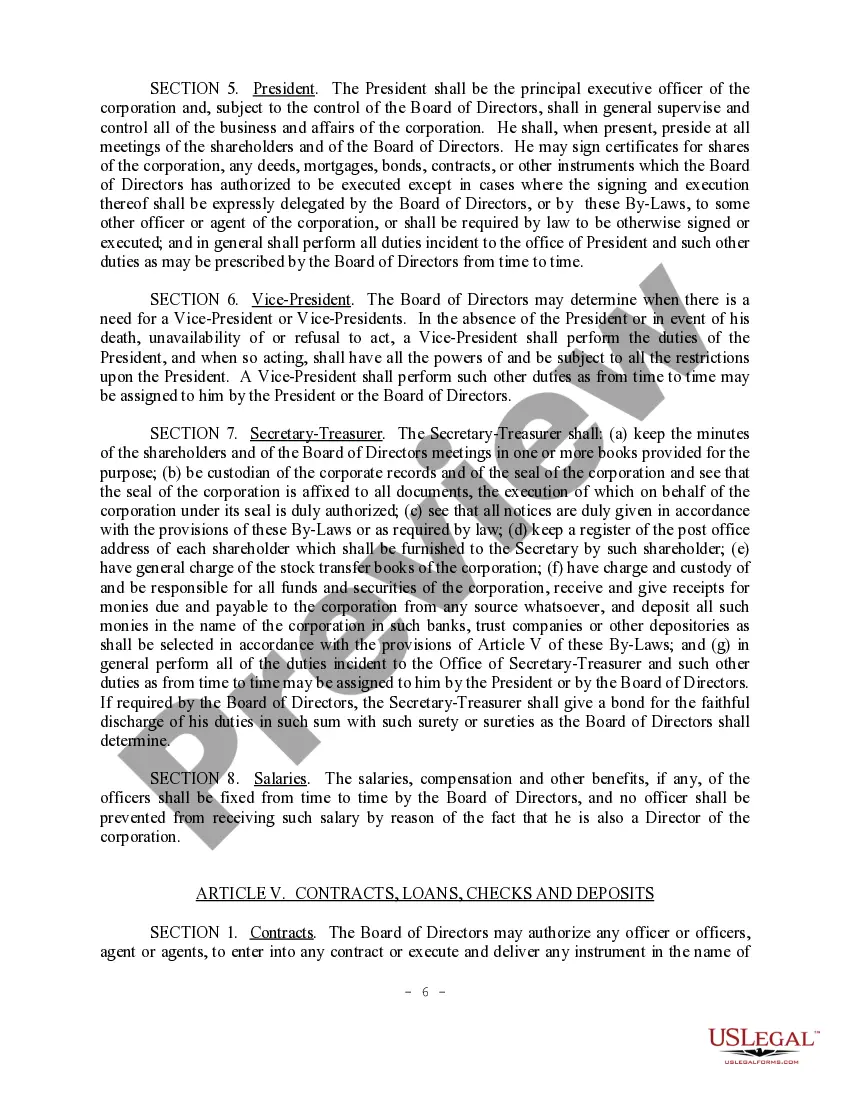
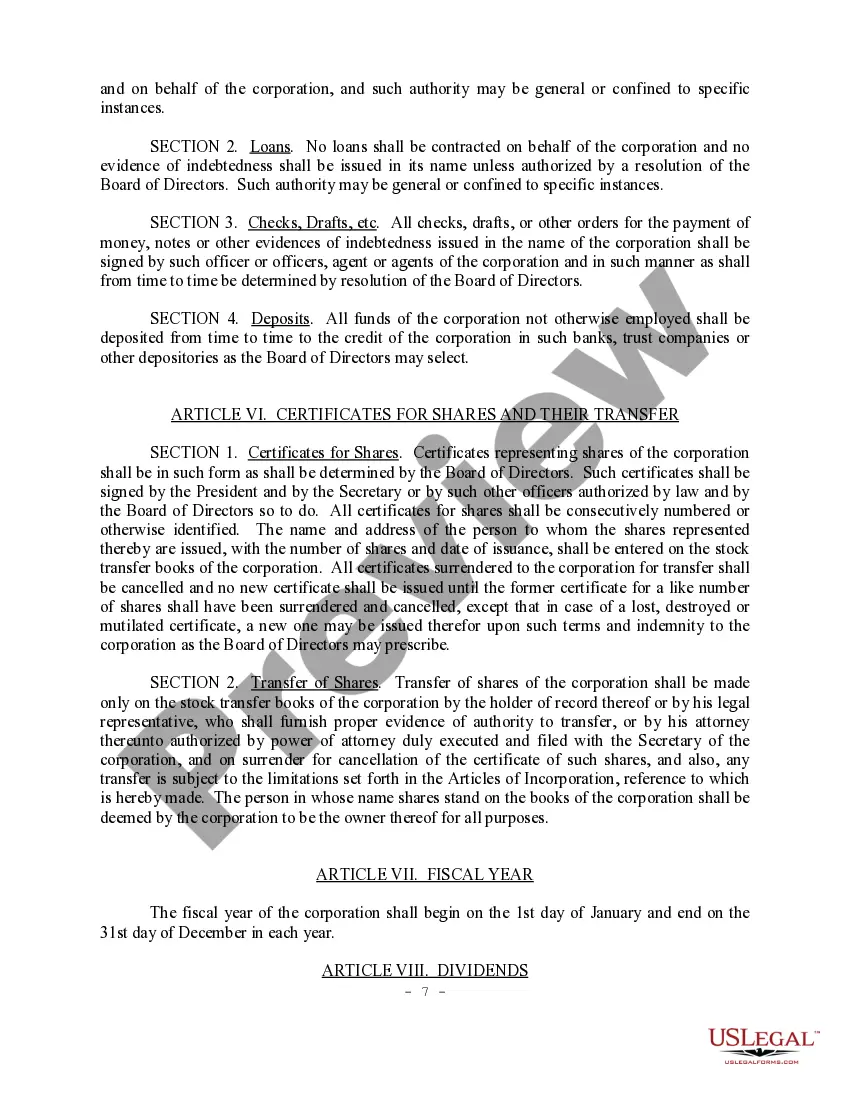
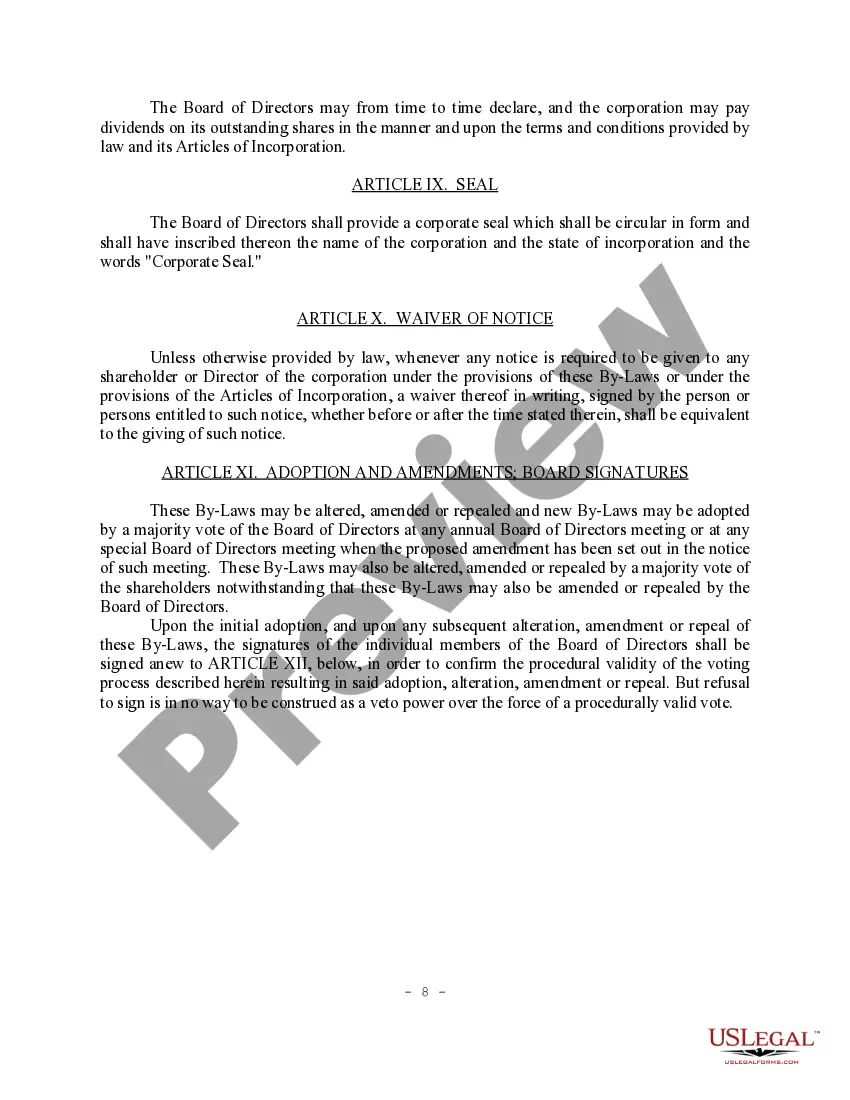
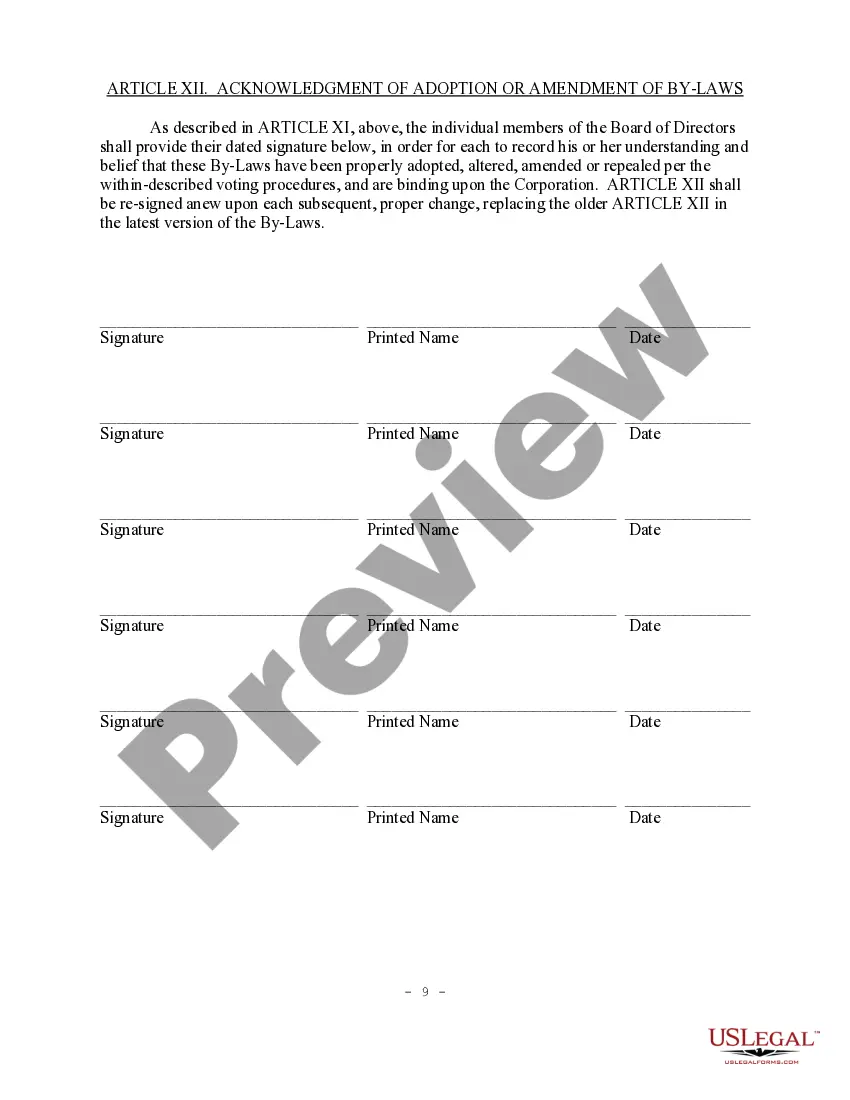
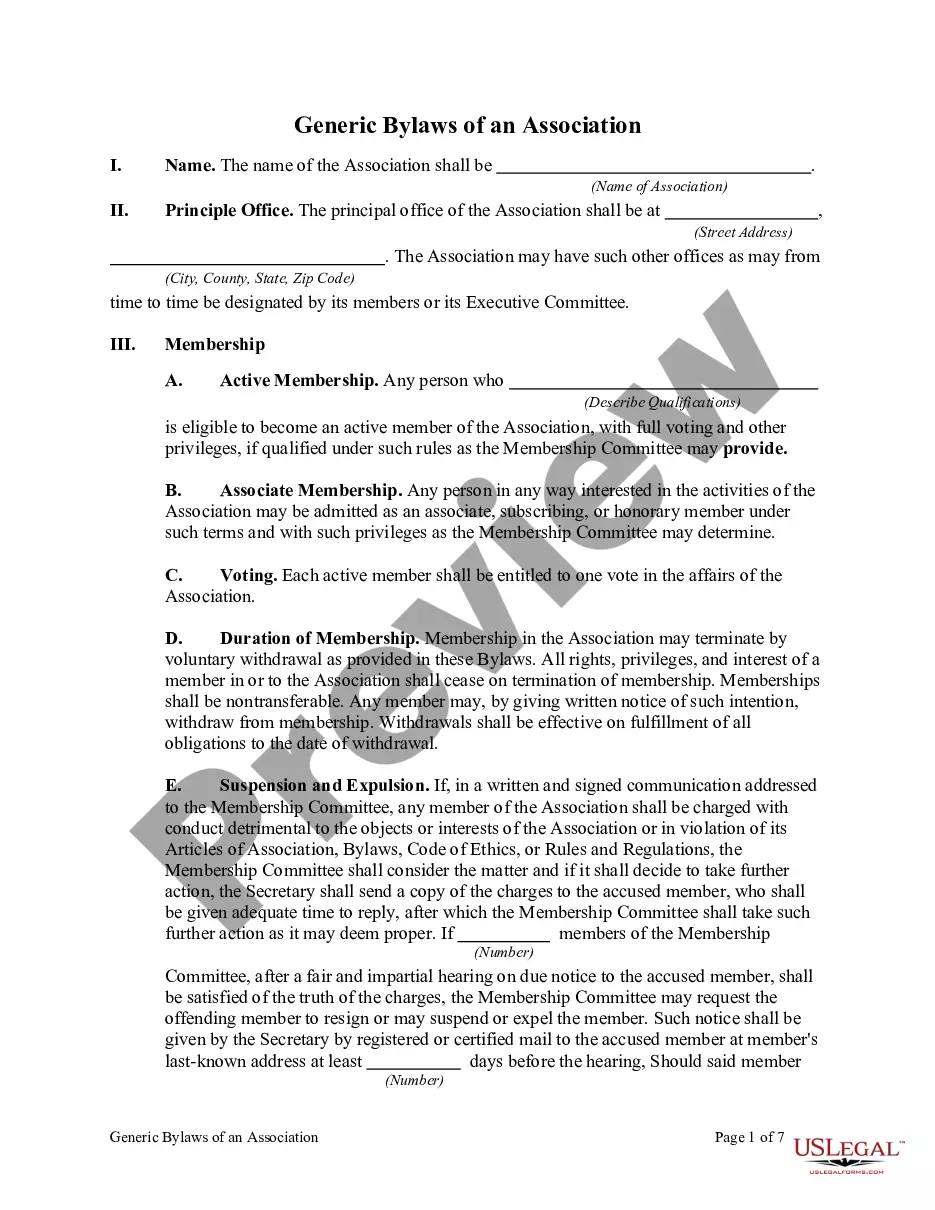

Get your form ready online
Our built-in tools help you complete, sign, share, and store your documents in one place.
Make edits, fill in missing information, and update formatting in US Legal Forms—just like you would in MS Word.
Download a copy, print it, send it by email, or mail it via USPS—whatever works best for your next step.
Sign and collect signatures with our SignNow integration. Send to multiple recipients, set reminders, and more. Go Premium to unlock E-Sign.
If this form requires notarization, complete it online through a secure video call—no need to meet a notary in person or wait for an appointment.
We protect your documents and personal data by following strict security and privacy standards.

Make edits, fill in missing information, and update formatting in US Legal Forms—just like you would in MS Word.

Download a copy, print it, send it by email, or mail it via USPS—whatever works best for your next step.

Sign and collect signatures with our SignNow integration. Send to multiple recipients, set reminders, and more. Go Premium to unlock E-Sign.

If this form requires notarization, complete it online through a secure video call—no need to meet a notary in person or wait for an appointment.

We protect your documents and personal data by following strict security and privacy standards.
Looking for another form?










Form popularity
FAQ
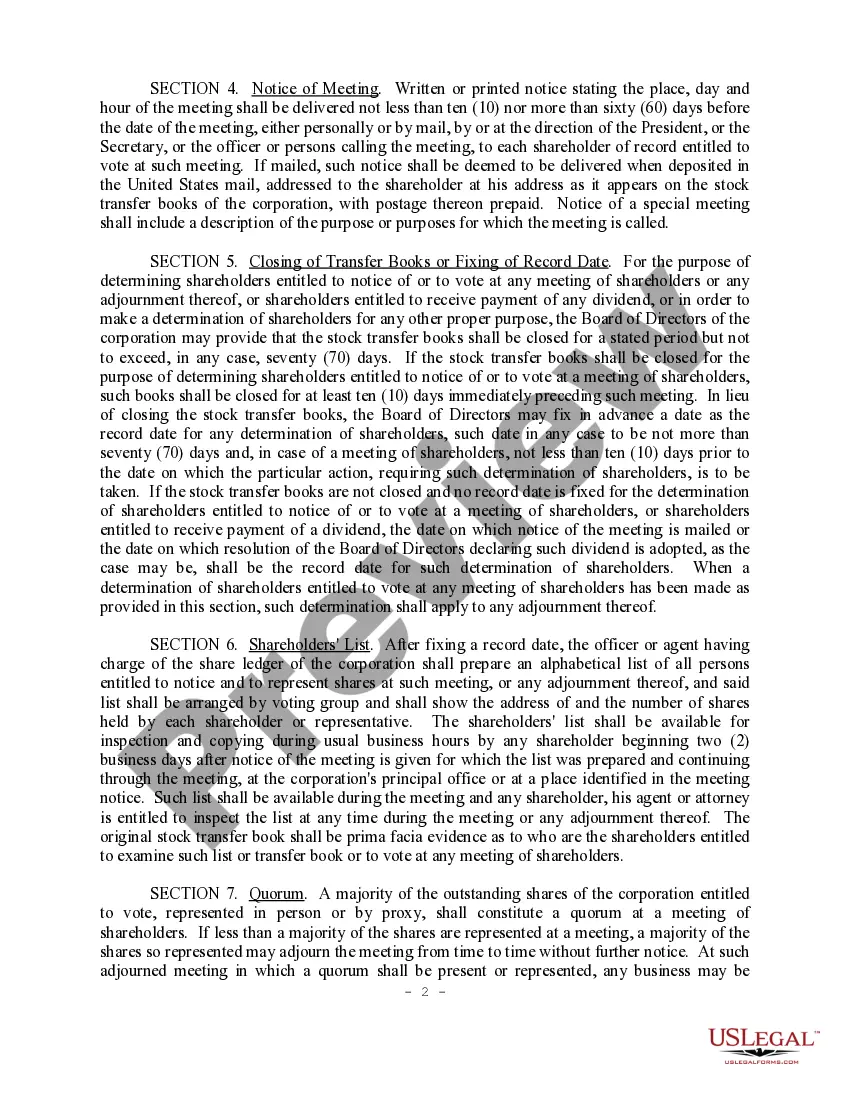
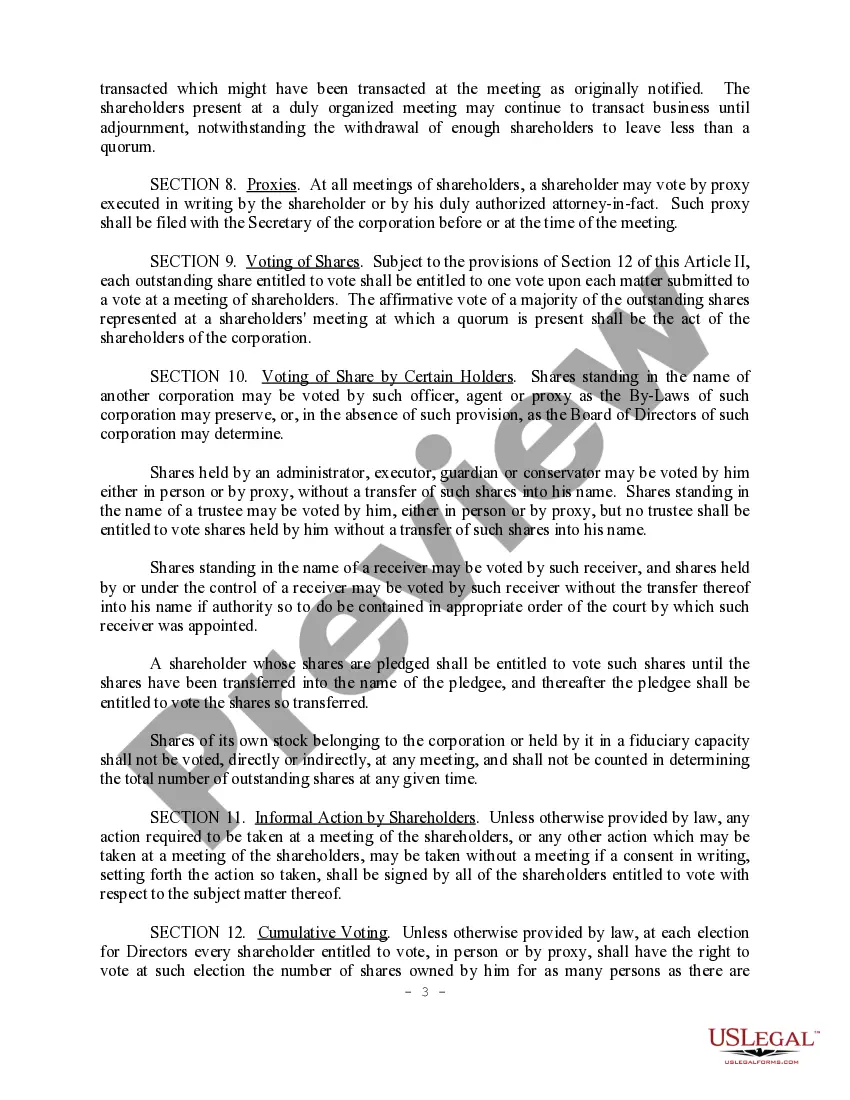
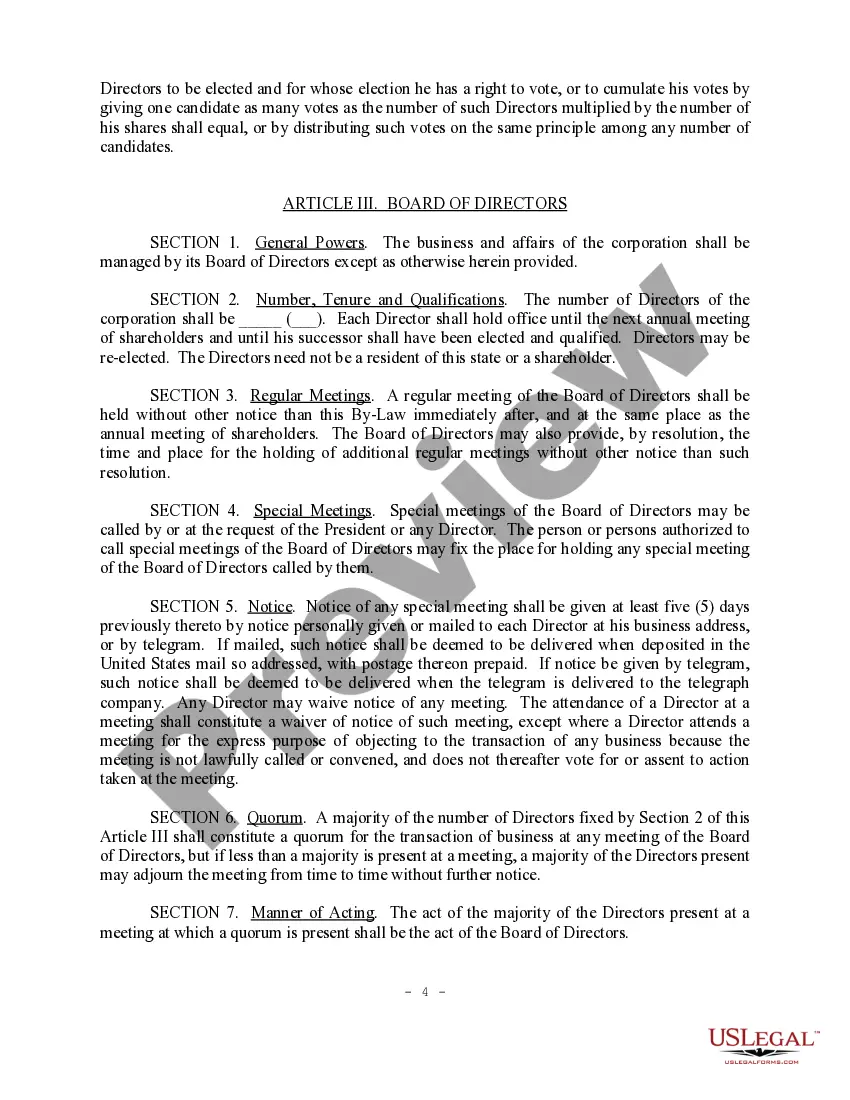
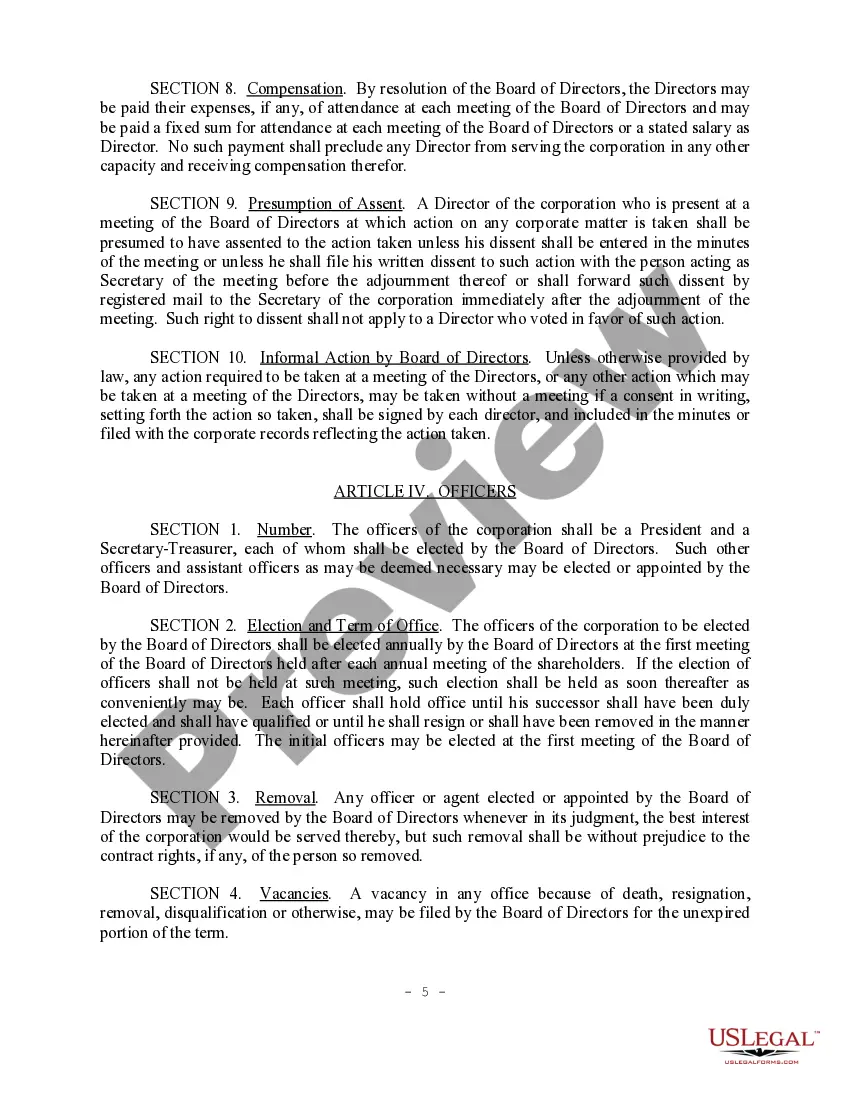
Your church's bylaws should reflect its unique identity and operations. Some important sections may include: Your church's name and purpose: Your church's name and its religious purpose. Duties and roles of officers: Define the responsibilities and election/removal processes for church officers.
I believe that these foundational activities can be gathered up under five headings: discipleship, fellowship, worship, service/mission, and evangelism.
Your church is at risk if clear governing provisions are absent from its bylaws. If they are missing, a judge must decide any matter brought to court on general principles of civil law.
So are church bylaws legally binding? Yes. They function as a contract among church members. Furthermore, although they are not required by law, they are necessary for your church to be tax-exempt under section 501(c)(3).
Church Dos & Donts Do cut off your cell phone prior to entering the sanctuary. Do share your hymnal, Bible. Do greet fellow worshippers in Christian Love. Do acknowledge your gratitude for any courteous act or expression. Do refrain from chatting, distracting behavior, note- passing.
If a nonprofit doesn't follow its bylaws, it can face legal consequences, lose its tax-exempt status, and damage its reputation.
Fill out a request form with the Internal Revenue Service (IRS): The IRS requires all tax-exempt businesses to file a copy of their bylaws. Filling out form 4506-A will get you a copy of them.
You not only have a duty to understand your bylaws, you are legally accountable for following them. This is not optional. A court of law will side with your bylaws in any dispute brought by another board member, an employee, volunteer or recipient of services who may have a grievance.
They furthermore render those decisions or actions intelligible before a judge if they are ever challenged in court. Church bylaws are an essential foundation for the church's structure, leadership, decision-making, and other governance procedures.
