Document With Bylaws In Travis
Description











Get your form ready online
Our built-in tools help you complete, sign, share, and store your documents in one place.
Make edits, fill in missing information, and update formatting in US Legal Forms—just like you would in MS Word.
Download a copy, print it, send it by email, or mail it via USPS—whatever works best for your next step.
Sign and collect signatures with our SignNow integration. Send to multiple recipients, set reminders, and more. Go Premium to unlock E-Sign.
If this form requires notarization, complete it online through a secure video call—no need to meet a notary in person or wait for an appointment.
We protect your documents and personal data by following strict security and privacy standards.

Make edits, fill in missing information, and update formatting in US Legal Forms—just like you would in MS Word.

Download a copy, print it, send it by email, or mail it via USPS—whatever works best for your next step.

Sign and collect signatures with our SignNow integration. Send to multiple recipients, set reminders, and more. Go Premium to unlock E-Sign.

If this form requires notarization, complete it online through a secure video call—no need to meet a notary in person or wait for an appointment.

We protect your documents and personal data by following strict security and privacy standards.
Looking for another form?


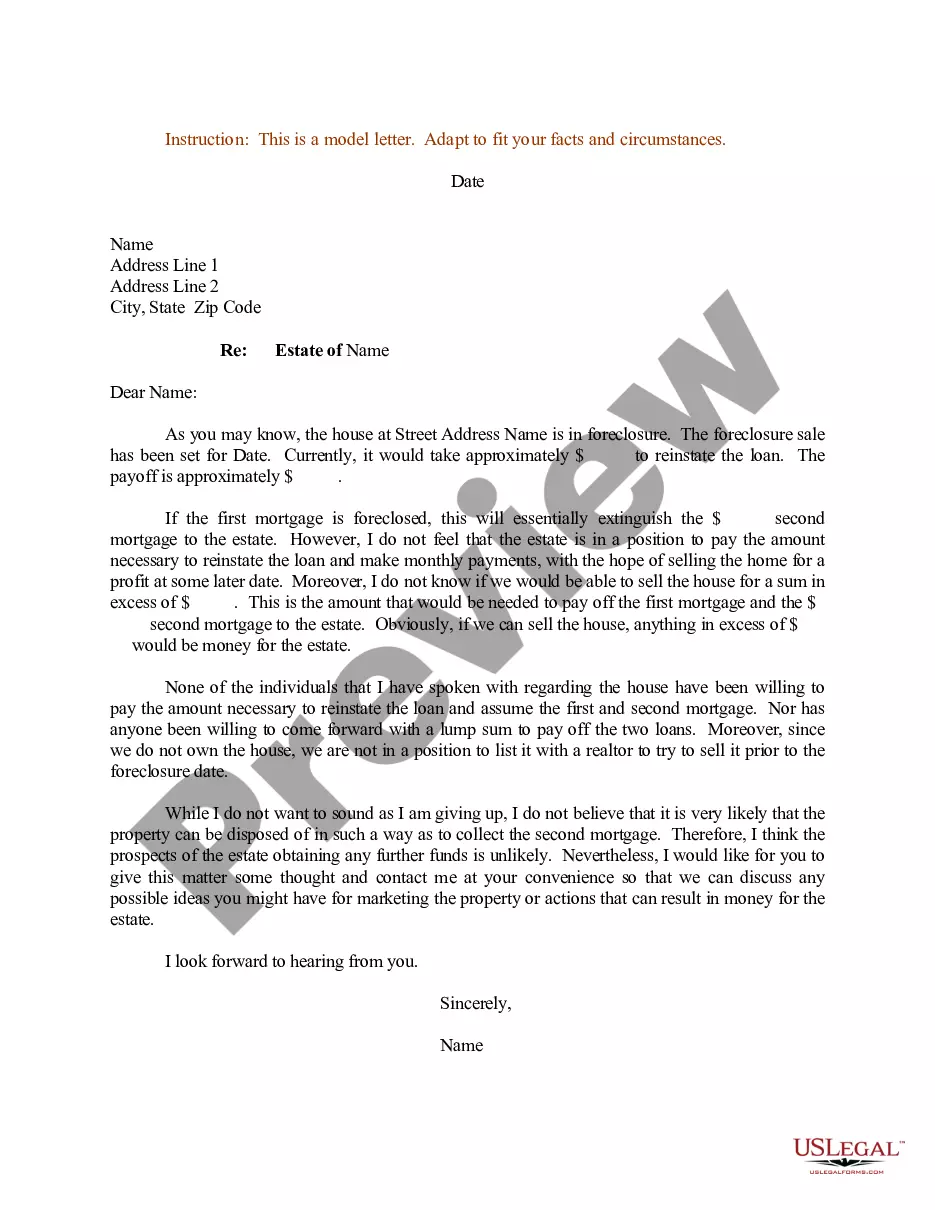





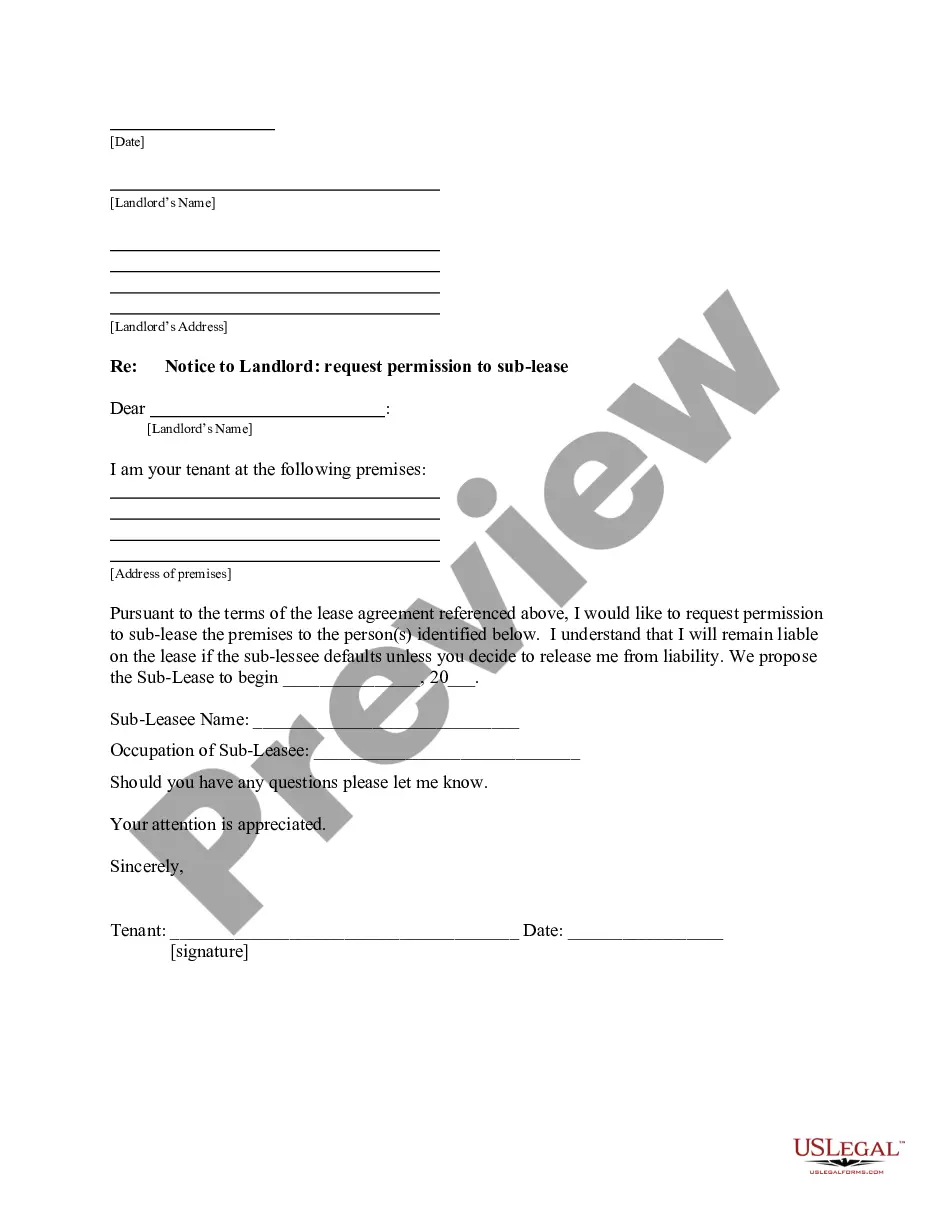
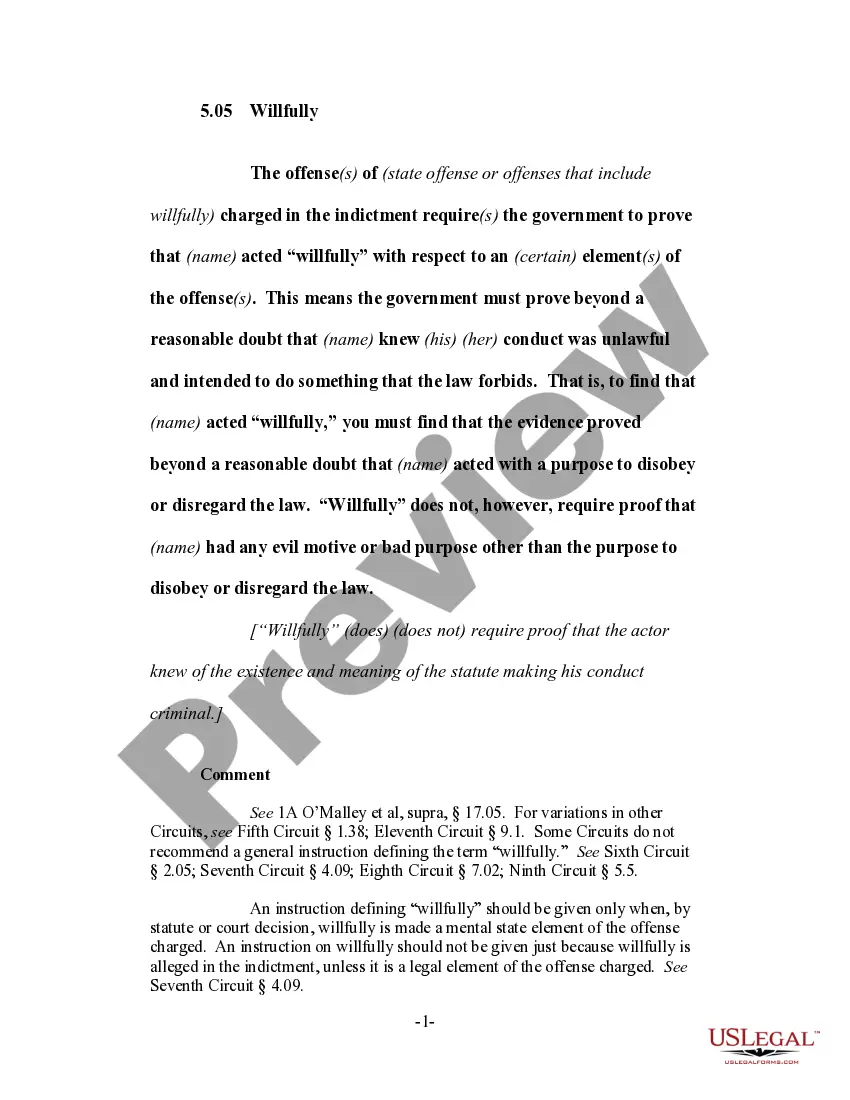
Form popularity
FAQ
Judicial records are open to the public unless exempt from disclosure, and where a respondent does not raise exemptions and the special committee cannot conclude any apply the records must be released.
Under the open courts provision of the Texas constitution, all courts are required to maintain public access. In general, court proceedings are presumptively open to the public in Texas state courts.
You can access various court records through legal databases like Lexis, Westlaw, and Fastcase. State Law Library patrons can use Fastcase remotely to find final opinions for select Texas and federal appellate cases. Lexis and Westlaw are available at the library in person.
You can E-File using this link: eFileTexas | Official E-Filing System for Texas, mail to Travis County District Clerk, PO Box 679003, Austin, TX 78767 or hand deliver documents to us by appointment only. Call (512) 854-9457 or send an email to District.eFile@traviscountytx for any questions.
You can access various court records through legal databases like Lexis, Westlaw, and Fastcase. State Law Library patrons can use Fastcase remotely to find final opinions for select Texas and federal appellate cases. Lexis and Westlaw are available at the library in person.
You can E-File using this link: eFileTexas | Official E-Filing System for Texas, mail to Travis County District Clerk, PO Box 679003, Austin, TX 78767 or hand deliver documents to us by appointment only. Call (512) 854-9457 or send an email to District.eFile@traviscountytx for any questions.
Checklist Steps Step 1: Register with an E-Filing Service Provider (EFSP). Step 2: Sign in to your EFSP account. Step 3: Prepare your case information. Step 4: Prepare your lead document and any attachments. Step 5: Redact any sensitive data. Step 6: Prepare for service and fees. Step 7: Submit your case file.
You can file your mechanics liens with the Travis County Clerk's Recording Division by postal mail, by courier, or in person. The County Clerk also accepts electronic filings of documents from an authorized eRecording submitter.
Real Property documents may be filed and recorded with the Travis County Clerk's Office in person or by mail. The original documents with original signatures are required for the recording. The County Clerk's Office will not record a copy. Recordings are completed immediately once received in the County Clerk's Office.
Official E-Filing System for Texas. e-Filing is now mandatory for all attorneys filing civil, family, probate, or criminal cases in the Supreme Court, Court of Criminal Appeals, Courts of Appeals, and all district and county courts.
