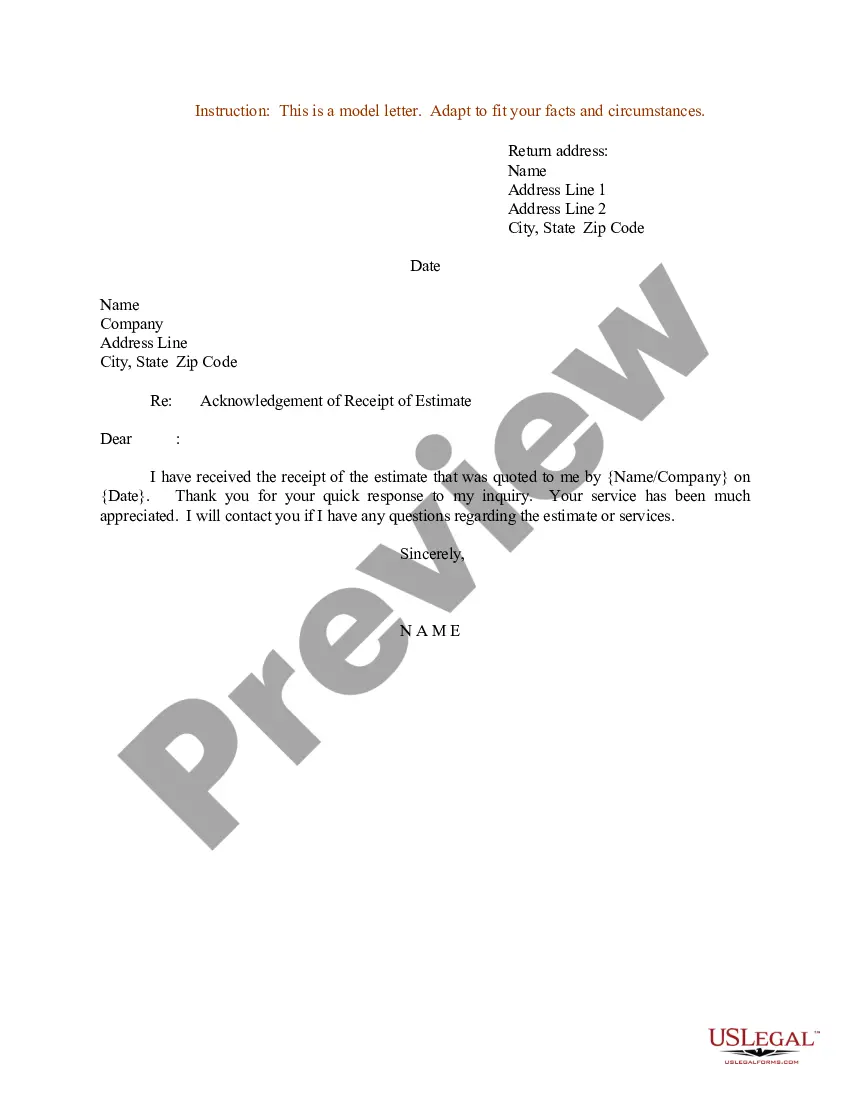
Hoa Rules For Potted Plants In San Diego
Description











Get your form ready online
Our built-in tools help you complete, sign, share, and store your documents in one place.
Make edits, fill in missing information, and update formatting in US Legal Forms—just like you would in MS Word.
Download a copy, print it, send it by email, or mail it via USPS—whatever works best for your next step.
Sign and collect signatures with our SignNow integration. Send to multiple recipients, set reminders, and more. Go Premium to unlock E-Sign.
If this form requires notarization, complete it online through a secure video call—no need to meet a notary in person or wait for an appointment.
We protect your documents and personal data by following strict security and privacy standards.

Make edits, fill in missing information, and update formatting in US Legal Forms—just like you would in MS Word.

Download a copy, print it, send it by email, or mail it via USPS—whatever works best for your next step.

Sign and collect signatures with our SignNow integration. Send to multiple recipients, set reminders, and more. Go Premium to unlock E-Sign.

If this form requires notarization, complete it online through a secure video call—no need to meet a notary in person or wait for an appointment.

We protect your documents and personal data by following strict security and privacy standards.
Looking for another form?

Form popularity
FAQ
How Much Should an HOA Fine? Like all provisions of an association's governing documents, fines must be "reasonable." No statute or case law defines when the amount of a fine is, or is not, reasonable.
What Happens if Nobody Runs for the Board - Coast Management of California. Directors of HOA boards continue to serve until they are replaced at the next election. If no one runs for the board, existing board members can serve in perpetuity.
What are unenforceable HOA rules? Keep you out of court. Hush up litigation. Discriminate indiscriminately. Enter your home without cause or notice. String you out on the (clothes)line. Fine you for fun. Change rules on the fly. Demand you take down your dish.
An HOA has the authority to enforce the rules and regulations of the community using the community rules, or “bylaws and covenants.” These rules are considered “agreed upon” since homeowners approve them through board-elected representatives.
Laws always supersede governing documents IF they conflict and the law applies to your HOA. In California, the Davis-Stirling Act may take precedent over general corporation codes because it's specific to HOAs.
Examples of Breach of Fiduciary Duty Using association assets for personal benefit. Putting your interests before the community's needs. Making decisions outside of your authority. Negligently managing funds or budgets.
Here are some common, sure-fire ways to get on your HOA's bad side: Being Oblivious to the Rules. Not Abiding by the Rules. Complaining Without Getting Involved. Renovating or Decorating Without Permission. Displaying Signs of a Political Nature. Not Following the Paws Clause. Having Long-term Guests.
HOAs can control what you do with your house (and your vehicles while they are on HOA controlled land) for exactly one reason: You agreed to it when you bought the house, and you agreed to it in writing in front of a creditable witness on a valid contract.
Violating Privacy Rights: HOAs must respect the privacy rights of residents and cannot enter a resident's home without permission or proper notice unless there's an emergency.
What are unenforceable HOA rules? Keep you out of court. Hush up litigation. Discriminate indiscriminately. Enter your home without cause or notice. String you out on the (clothes)line. Fine you for fun. Change rules on the fly. Demand you take down your dish.