Hoa Bylaws Template For Nonprofit In Salt Lake
Description


Get your form ready online
Our built-in tools help you complete, sign, share, and store your documents in one place.
Make edits, fill in missing information, and update formatting in US Legal Forms—just like you would in MS Word.
Download a copy, print it, send it by email, or mail it via USPS—whatever works best for your next step.
Sign and collect signatures with our SignNow integration. Send to multiple recipients, set reminders, and more. Go Premium to unlock E-Sign.
If this form requires notarization, complete it online through a secure video call—no need to meet a notary in person or wait for an appointment.
We protect your documents and personal data by following strict security and privacy standards.

Make edits, fill in missing information, and update formatting in US Legal Forms—just like you would in MS Word.

Download a copy, print it, send it by email, or mail it via USPS—whatever works best for your next step.

Sign and collect signatures with our SignNow integration. Send to multiple recipients, set reminders, and more. Go Premium to unlock E-Sign.

If this form requires notarization, complete it online through a secure video call—no need to meet a notary in person or wait for an appointment.

We protect your documents and personal data by following strict security and privacy standards.
Looking for another form?





Form popularity
FAQ
The local law supersedes the rules and regulations of the HOA, meaning that HOAs must ensure they are operating under the law.
The dissolution process is done with Utah Division of Corporations following this general process: Under Utah Code § 16-6a et seq., HOAs/COAs that are registered nonprofit corporations may be dissolved following Utah Code § 16-1 et seq.
Utah law does not require any particular amount of reserves for associations.
Utah HOAs are primarily governed by the Utah Revised Nonprofit Corporation Act as well as specific legislation pertaining to iniums and community associations. These state laws are designed to work in conjunction with relevant federal laws to ensure that HOAs operate within the legal framework.
To form an HOA in Utah, one must adhere to state-specific statutes, primarily the Utah inium Ownership Act and the Utah Community Association Act. The formation process begins with recording a declaration in the county where the property is located.
Federal Law Supersedes State Law. While a municipality can write local laws they can be stricter than the State law (as long as they do not run counter to the State or U.S. Constitution) But cannot contradict state law.
Finally, is an HOA considered a local government? No—HOAs are not considered a local government entity. While they do hold some administrative functions for a community, such as collecting assessments and enforcing rules, they do not possess the authority granted to real government bodies.
The board of directors make up the governing body of the nonprofit corporation and are committed to the purpose and success of the organization. The IRS requires a minimum of three unrelated individuals and Utah law requires them to be 18 years of age or older.
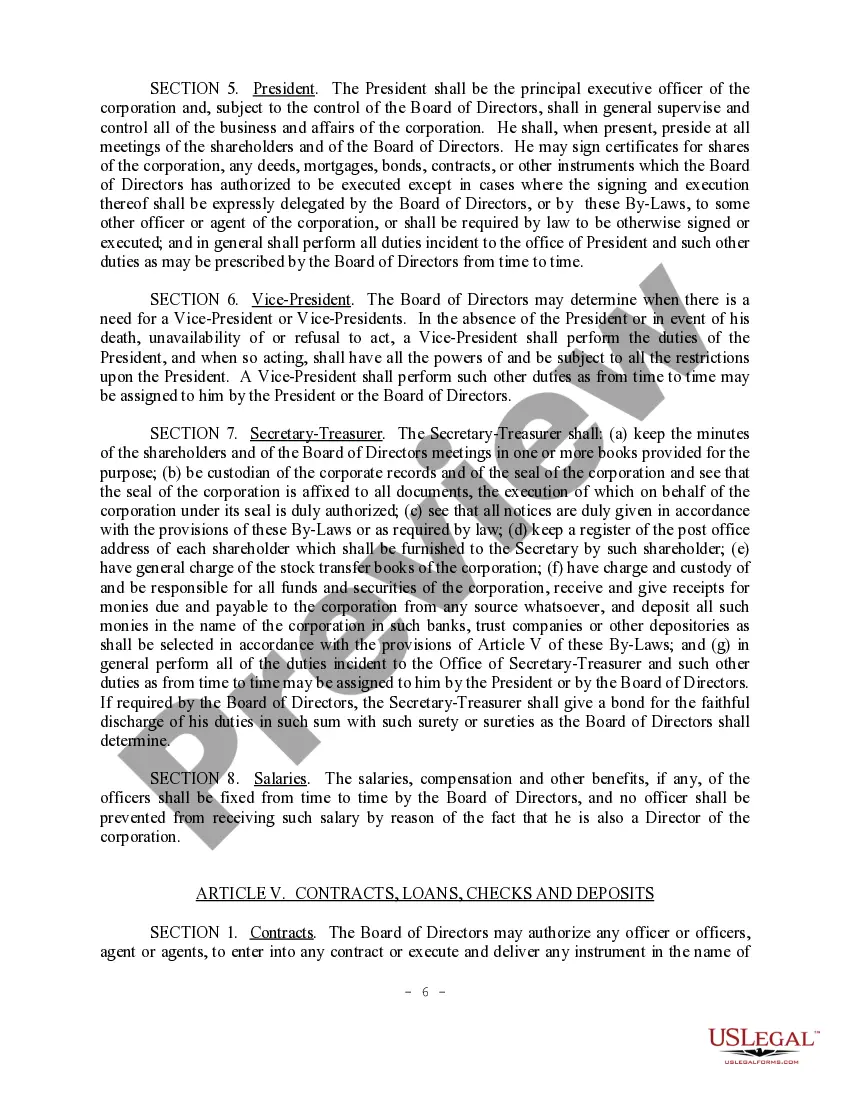
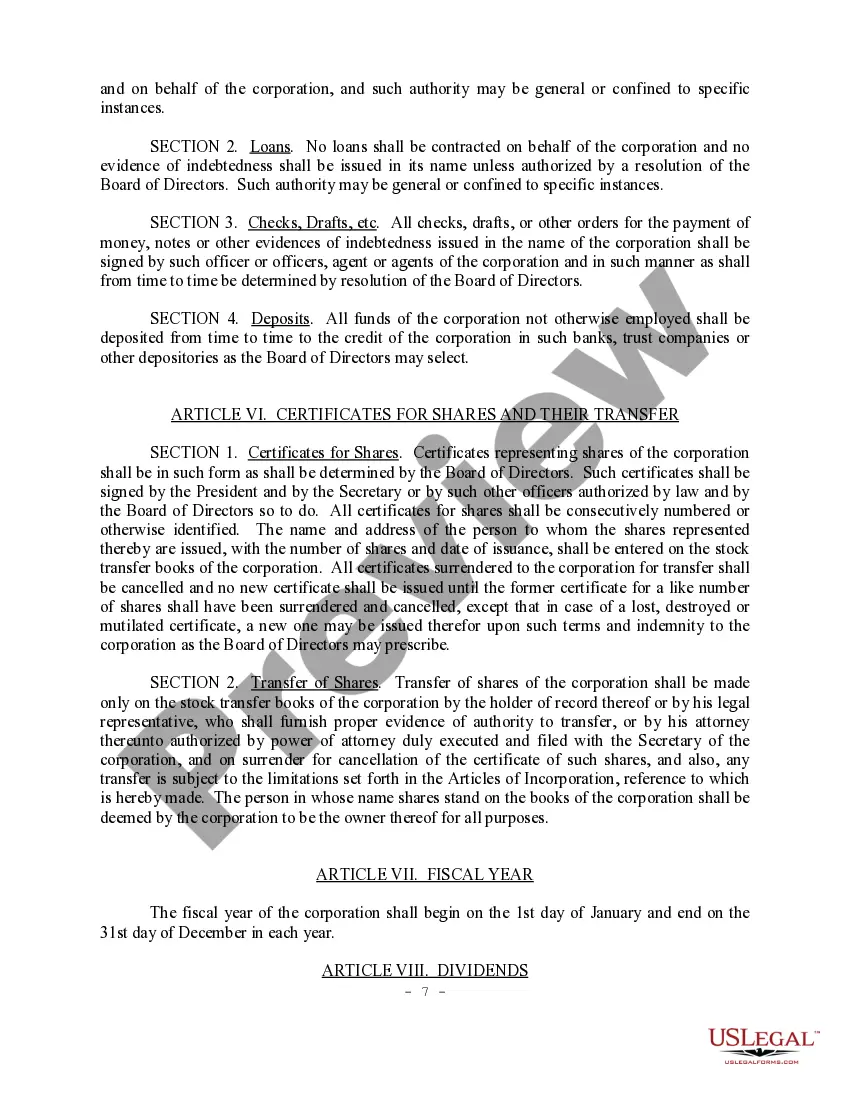
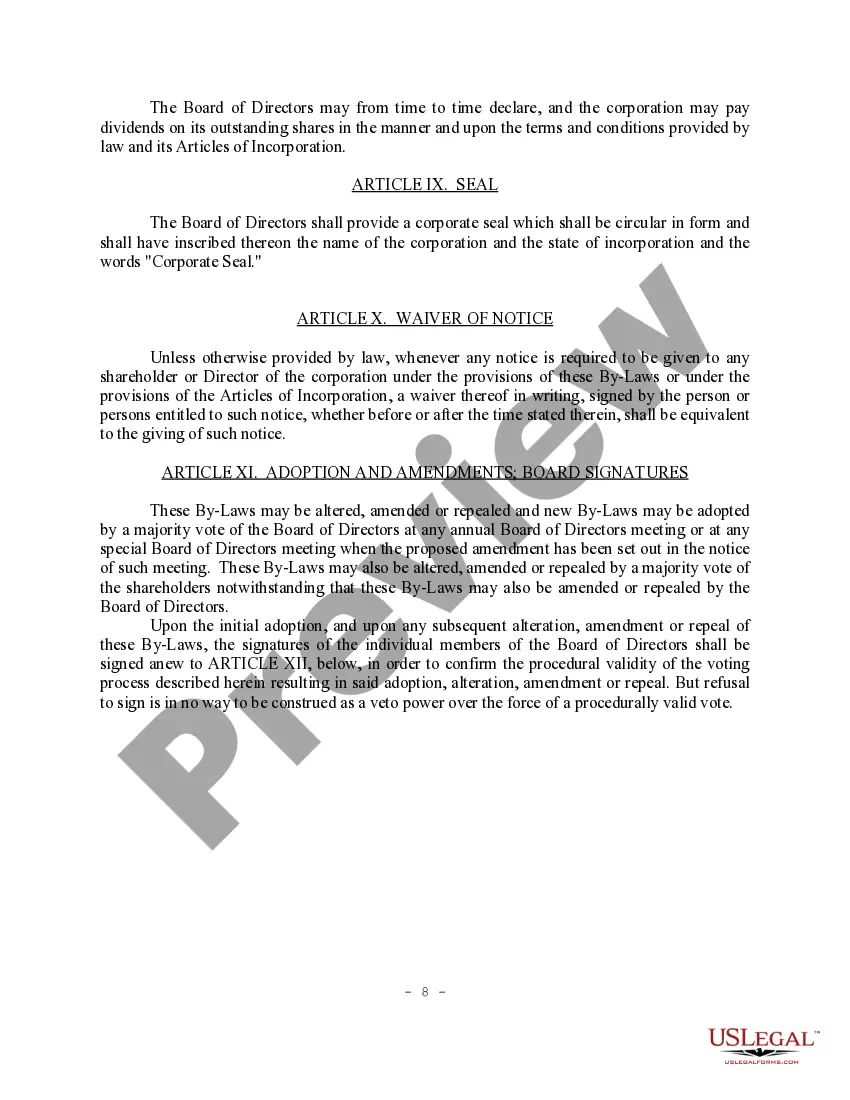
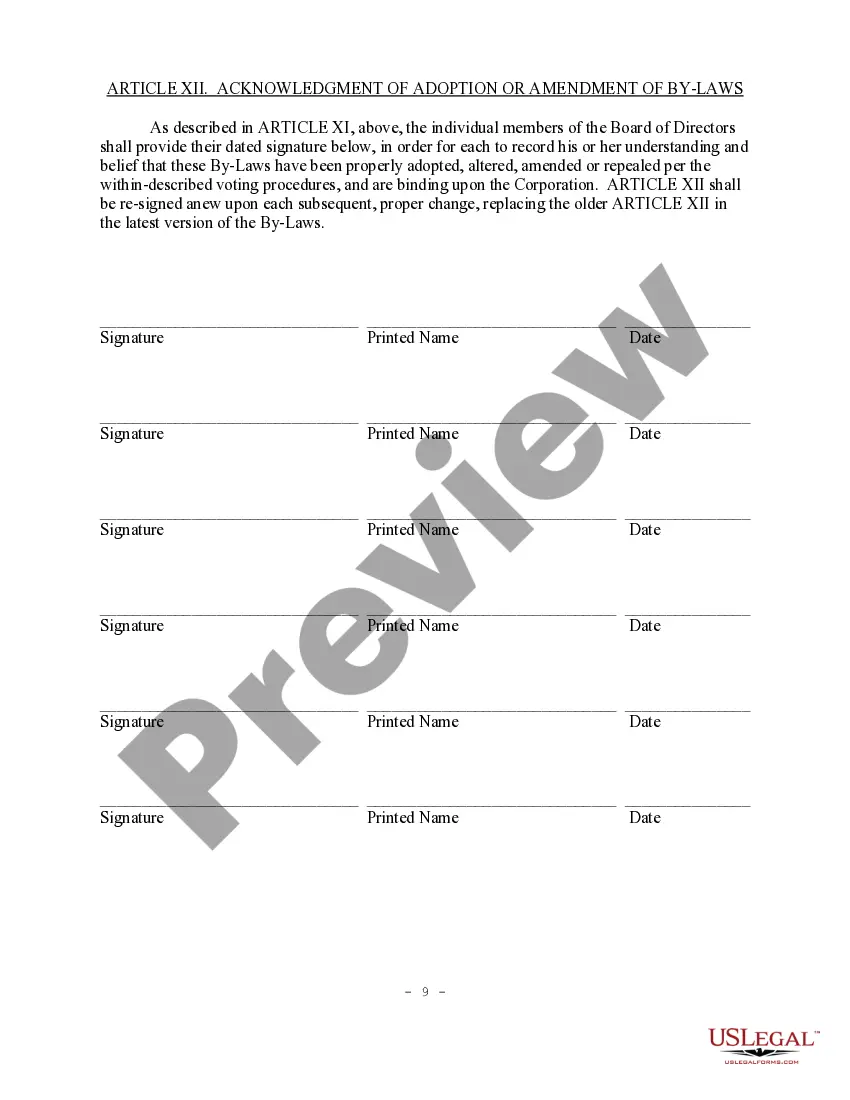
The main difference is that covenants dictate property-related restrictions, while bylaws govern how the HOA operates — things like board elections, meeting procedures, and voting rights. Because covenants are recorded with the property deed and tied to real estate law, they generally hold more weight.
