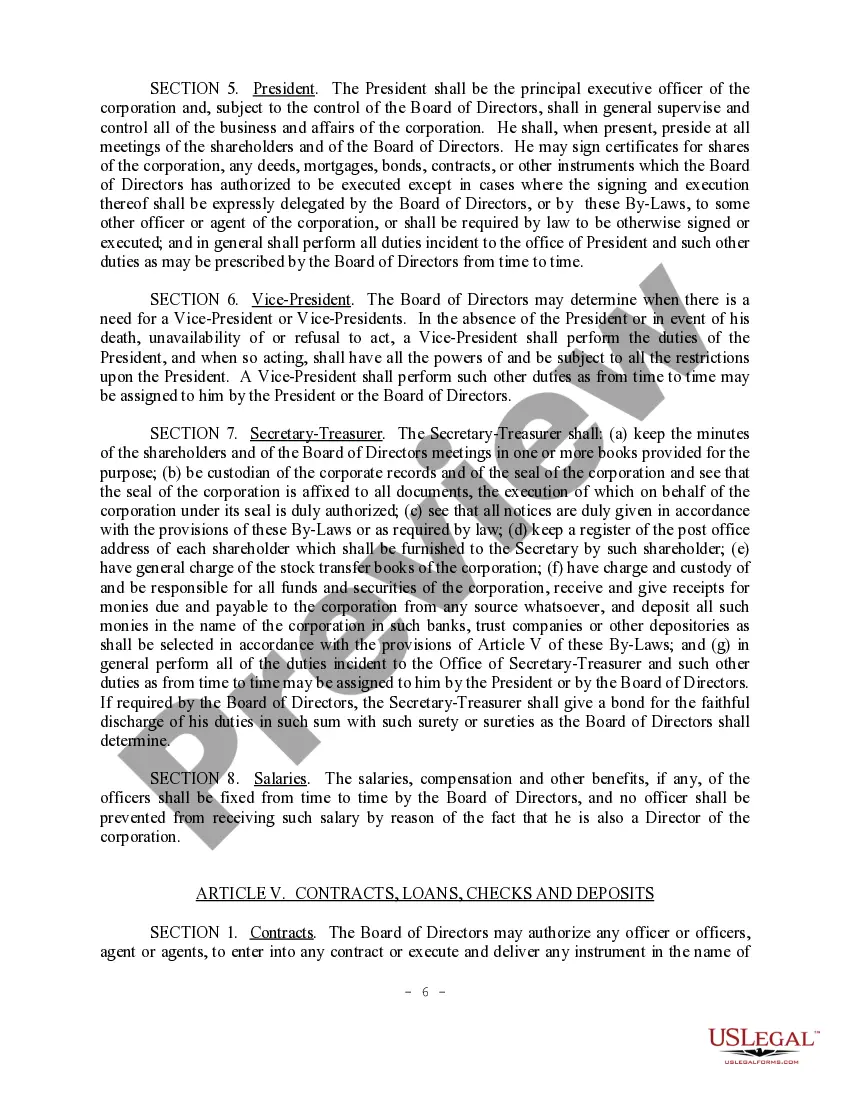
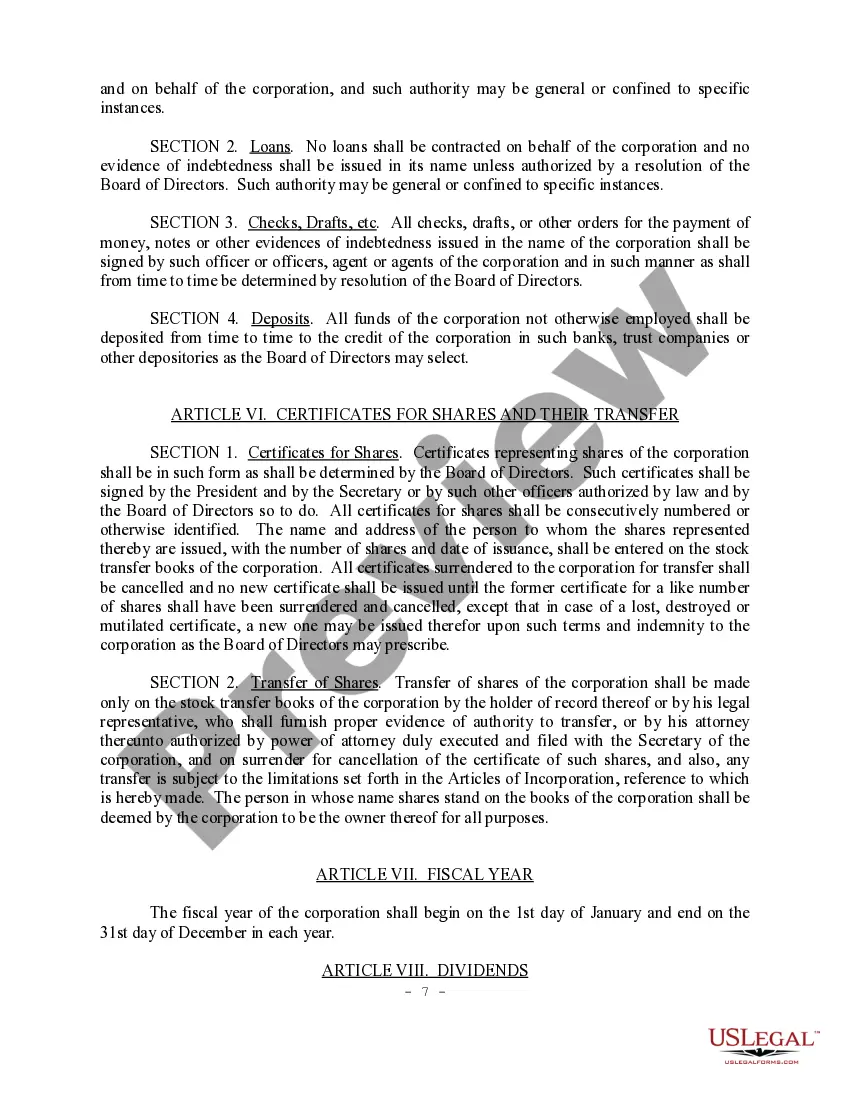
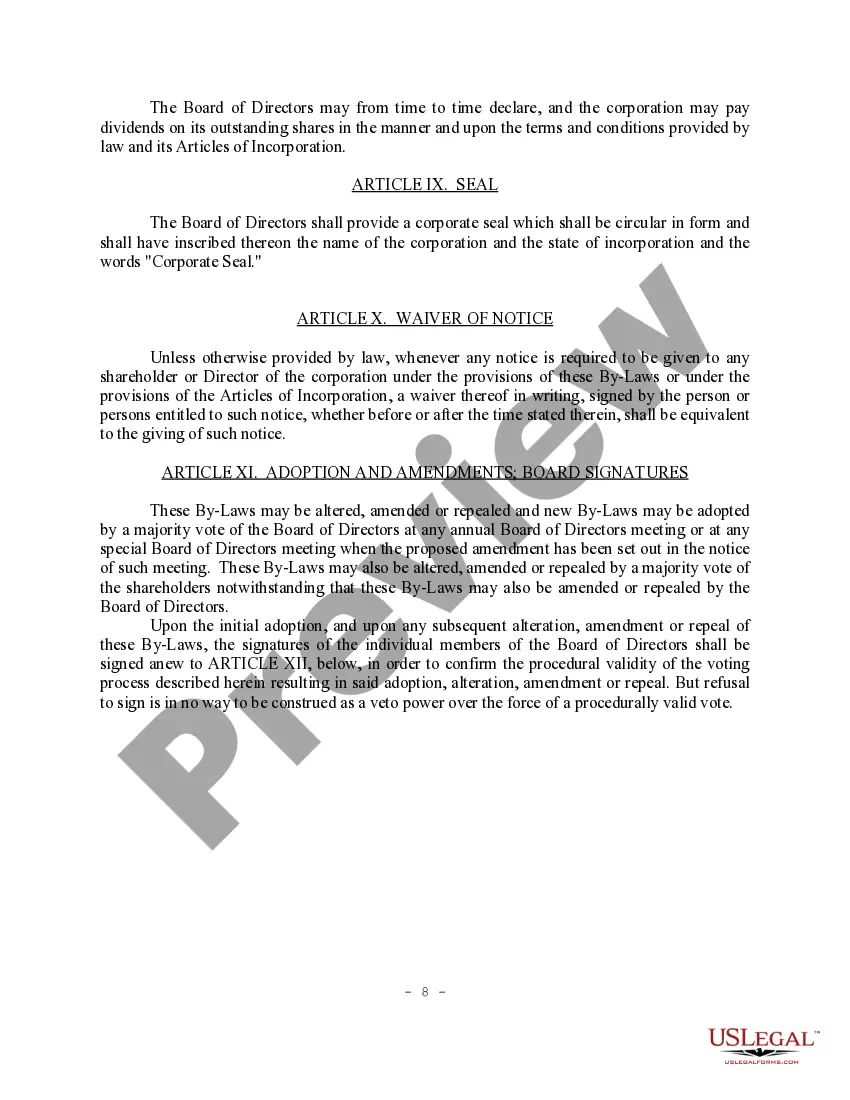
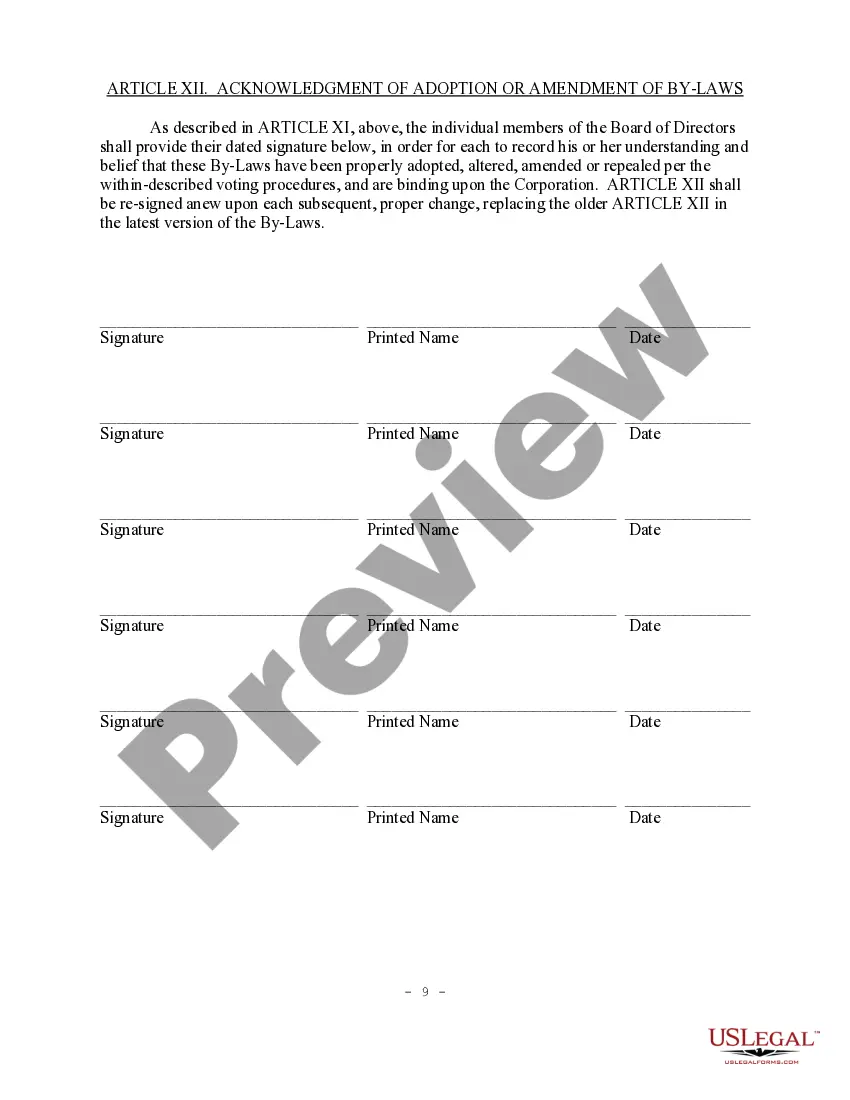
Nonprofit Bylaws Examples In North Carolina
Description

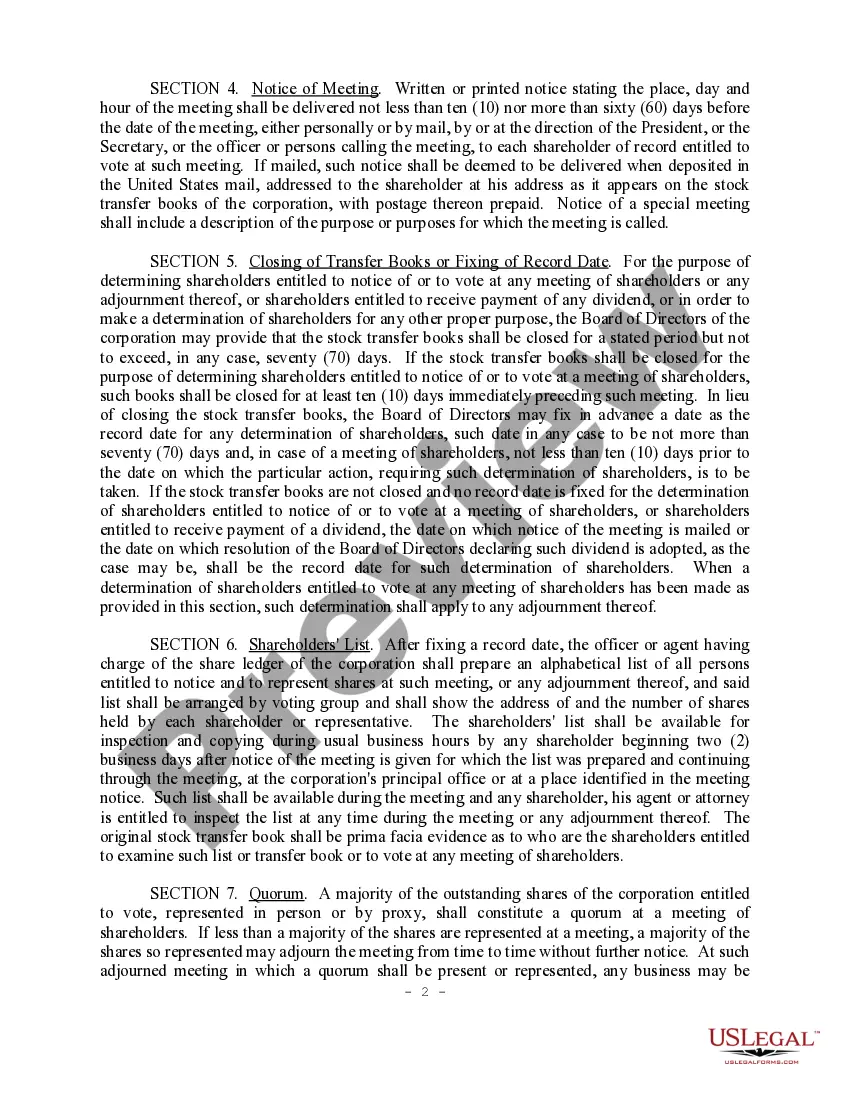
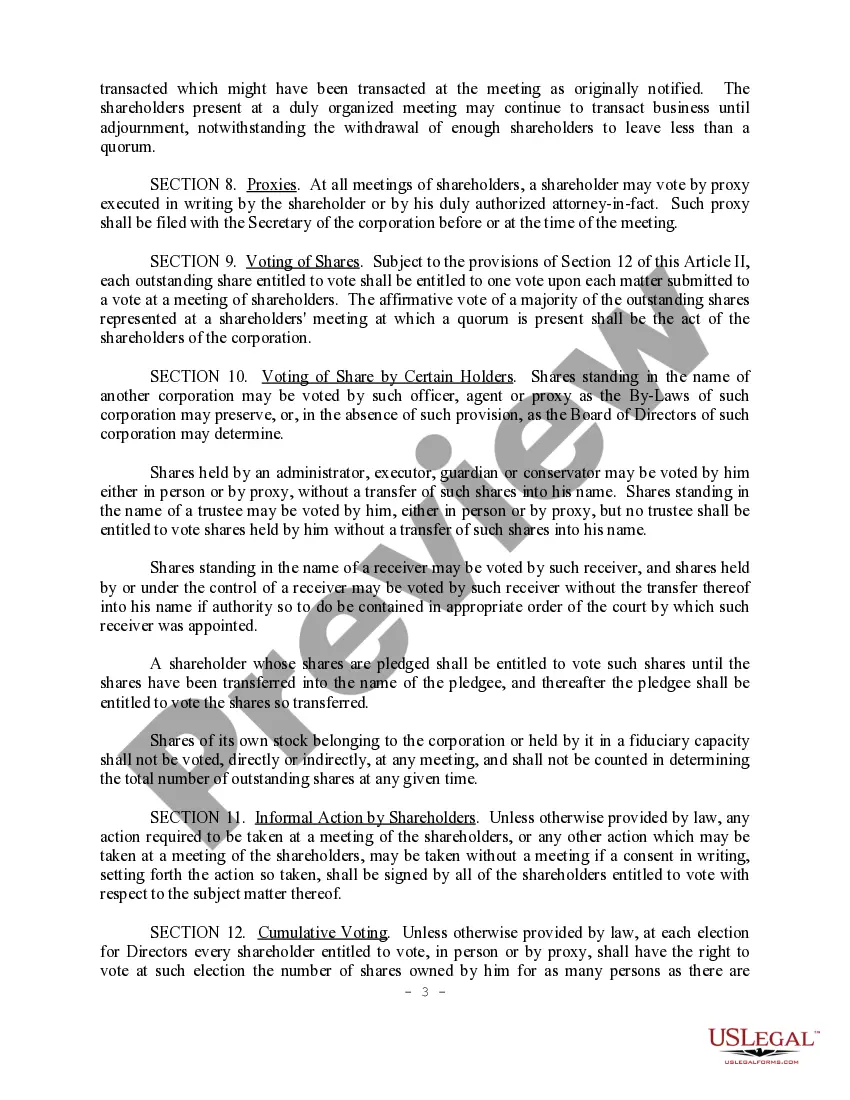
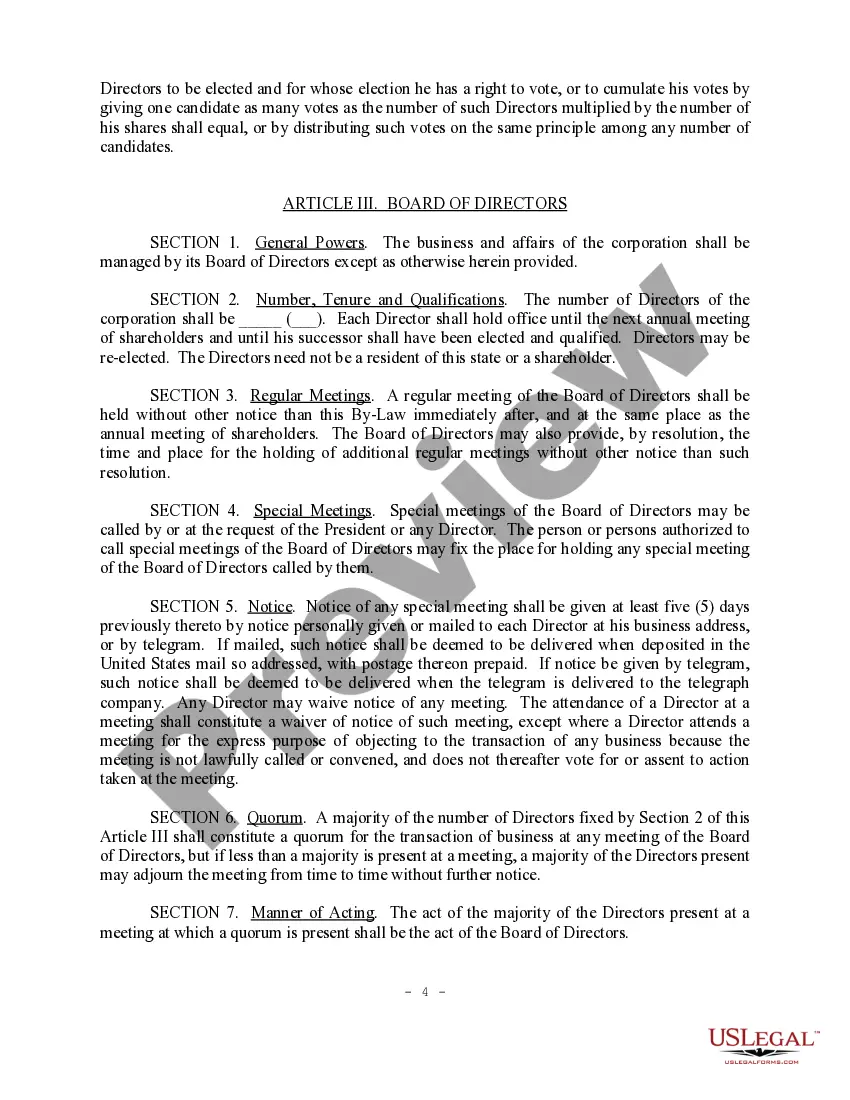
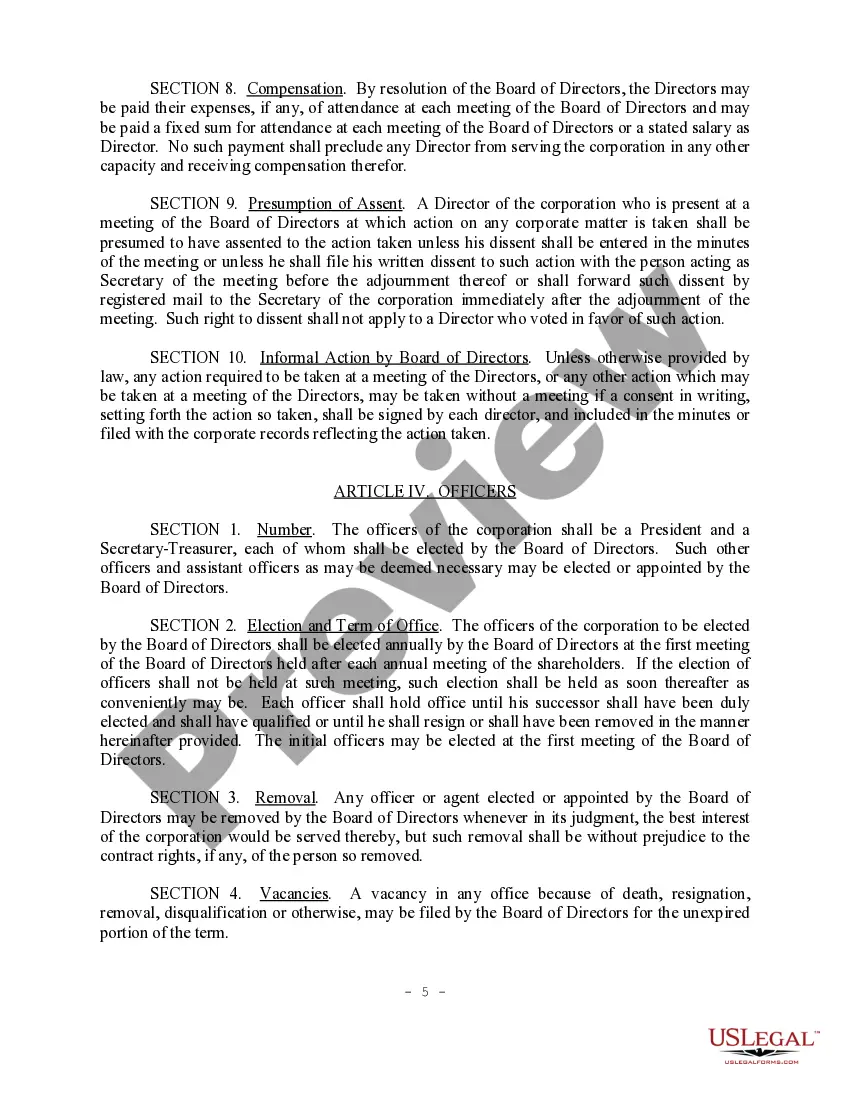
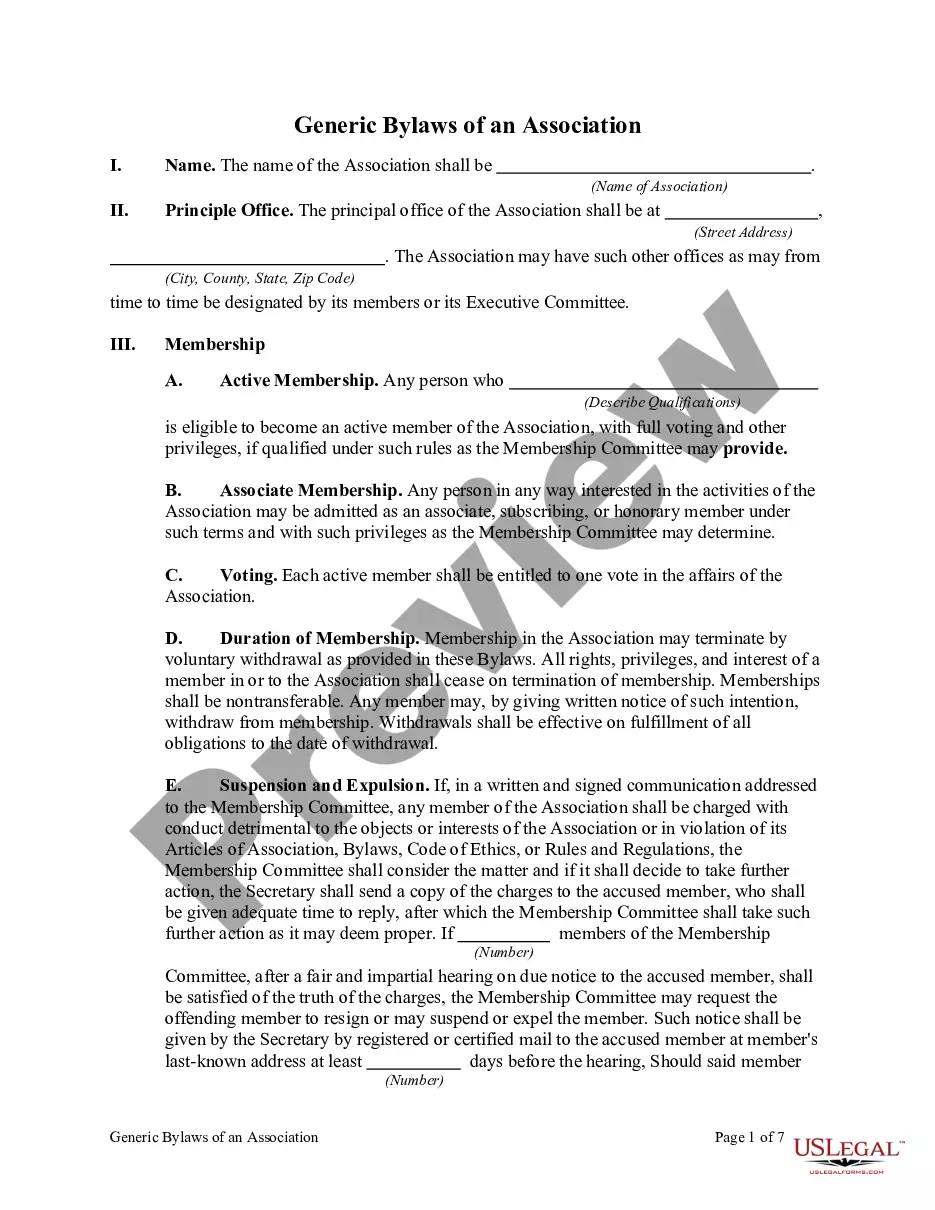
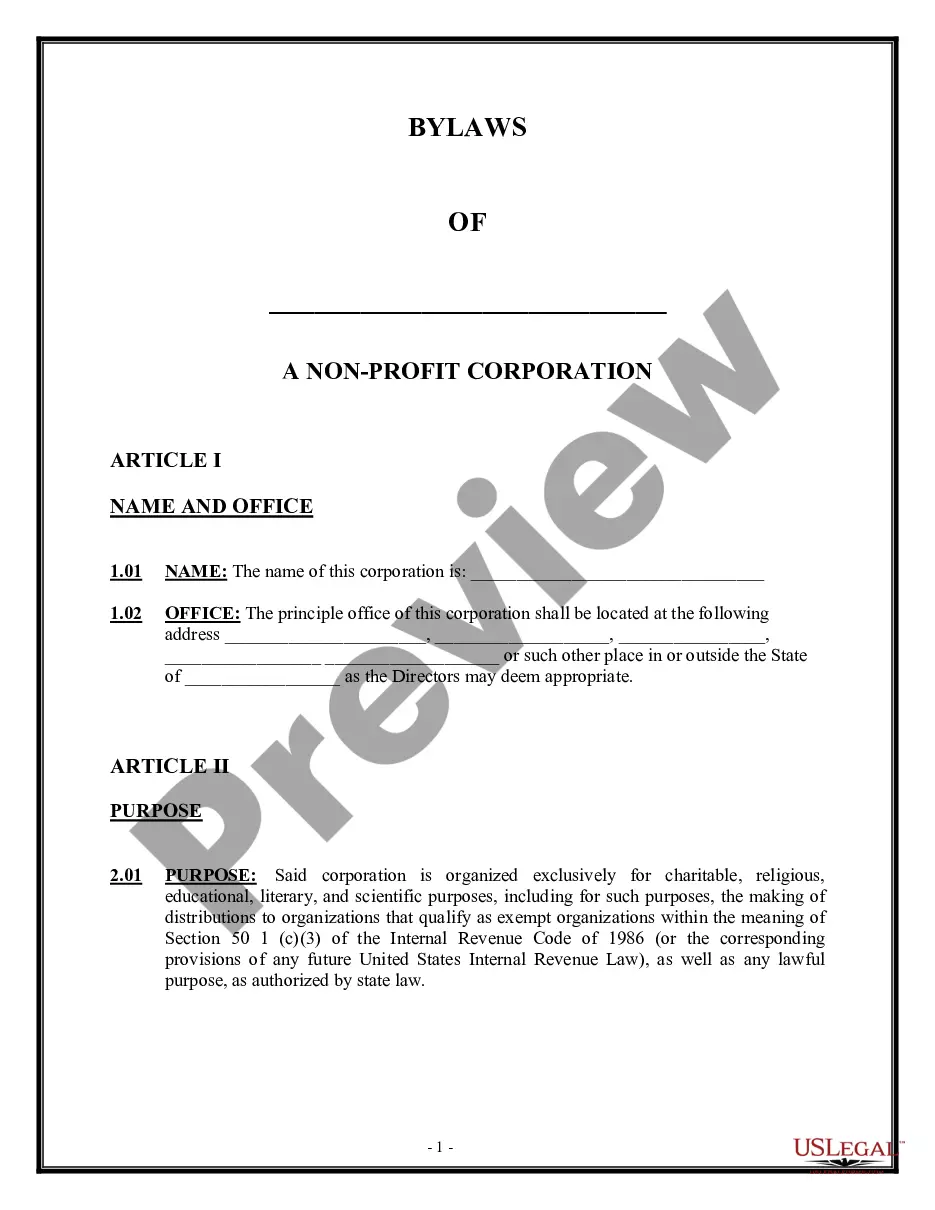
Get your form ready online
Our built-in tools help you complete, sign, share, and store your documents in one place.
Make edits, fill in missing information, and update formatting in US Legal Forms—just like you would in MS Word.
Download a copy, print it, send it by email, or mail it via USPS—whatever works best for your next step.
Sign and collect signatures with our SignNow integration. Send to multiple recipients, set reminders, and more. Go Premium to unlock E-Sign.
If this form requires notarization, complete it online through a secure video call—no need to meet a notary in person or wait for an appointment.
We protect your documents and personal data by following strict security and privacy standards.

Make edits, fill in missing information, and update formatting in US Legal Forms—just like you would in MS Word.

Download a copy, print it, send it by email, or mail it via USPS—whatever works best for your next step.

Sign and collect signatures with our SignNow integration. Send to multiple recipients, set reminders, and more. Go Premium to unlock E-Sign.

If this form requires notarization, complete it online through a secure video call—no need to meet a notary in person or wait for an appointment.

We protect your documents and personal data by following strict security and privacy standards.
Looking for another form?










Form popularity
FAQ
How to Start a Nonprofit in North Carolina Name Your Organization. Recruit Incorporators and Initial Directors. Appoint a Registered Agent. Prepare and File Articles of Incorporation. File Initial Report. Obtain an Employer Identification Number (EIN) ... Store Nonprofit Records. Establish Initial Governing Documents and Policies.
Consider creating a project or program within another organization rather than spending your time and energy establishing a new organization. Board of Directors. North Carolina law requires only one board member, but best practices recommend that you have at least five; a minimum of seven is preferable.
Ing to a study by Bain Capital Private Equity, the optimal number of directors for boards to make a decision is seven. Every added board member after that decreases decision-making by 10%. Nonprofits can use that as a starting metric before considering the organization's life cycle, mission and fundraising needs.
The IRS generally requires a minimum of three board members for every nonprofit, but does not dictate board term length. What is important to remember is that board service terms aren't intended to be perpetual, and are typically one to five years.
A nonprofit can also choose to be organized as a limited liability company (LLC), an unincorporated association, or a trust. An LLC, like a corporation, is a separate legal entity that must file organizational documents with the North Carolina Secretary of State.
North Carolina nonprofit corporations are required to register with the North Carolina Secretary of State. To maintain their registration, nonprofit corporations must comply with all state licensing and reporting requirements, including, for many nonprofit organizations, maintaining a charitable solicitation license.
Corporate bylaws are legally required in North Carolina. § 55-2-06 requires a corporation's incorporators or board of directors to adopt initial bylaws. The law doesn't specify when bylaws must be adopted, but this usually happens at the first organizational meeting.
Nonprofits with annual gross receipts of more than $50,000 or with an average of more than $50,000 over the past three years must file a 990 or 990-EZ. File the form each year by the 15th day of the 5th month after your fiscal year ends (e.g., Nov.
Does my tax-exempt organization need to submit changes in its bylaws to the IRS? The Internal Revenue Code 501(c) (3) requires that any tax-exempt organization report changes in bylaws and other governing documents to the IRS every year using IRS Form 990.
