Hoa Rules For Solar Panels In Middlesex
Description











Get your form ready online
Our built-in tools help you complete, sign, share, and store your documents in one place.
Make edits, fill in missing information, and update formatting in US Legal Forms—just like you would in MS Word.
Download a copy, print it, send it by email, or mail it via USPS—whatever works best for your next step.
Sign and collect signatures with our SignNow integration. Send to multiple recipients, set reminders, and more. Go Premium to unlock E-Sign.
If this form requires notarization, complete it online through a secure video call—no need to meet a notary in person or wait for an appointment.
We protect your documents and personal data by following strict security and privacy standards.

Make edits, fill in missing information, and update formatting in US Legal Forms—just like you would in MS Word.

Download a copy, print it, send it by email, or mail it via USPS—whatever works best for your next step.

Sign and collect signatures with our SignNow integration. Send to multiple recipients, set reminders, and more. Go Premium to unlock E-Sign.

If this form requires notarization, complete it online through a secure video call—no need to meet a notary in person or wait for an appointment.

We protect your documents and personal data by following strict security and privacy standards.
Looking for another form?





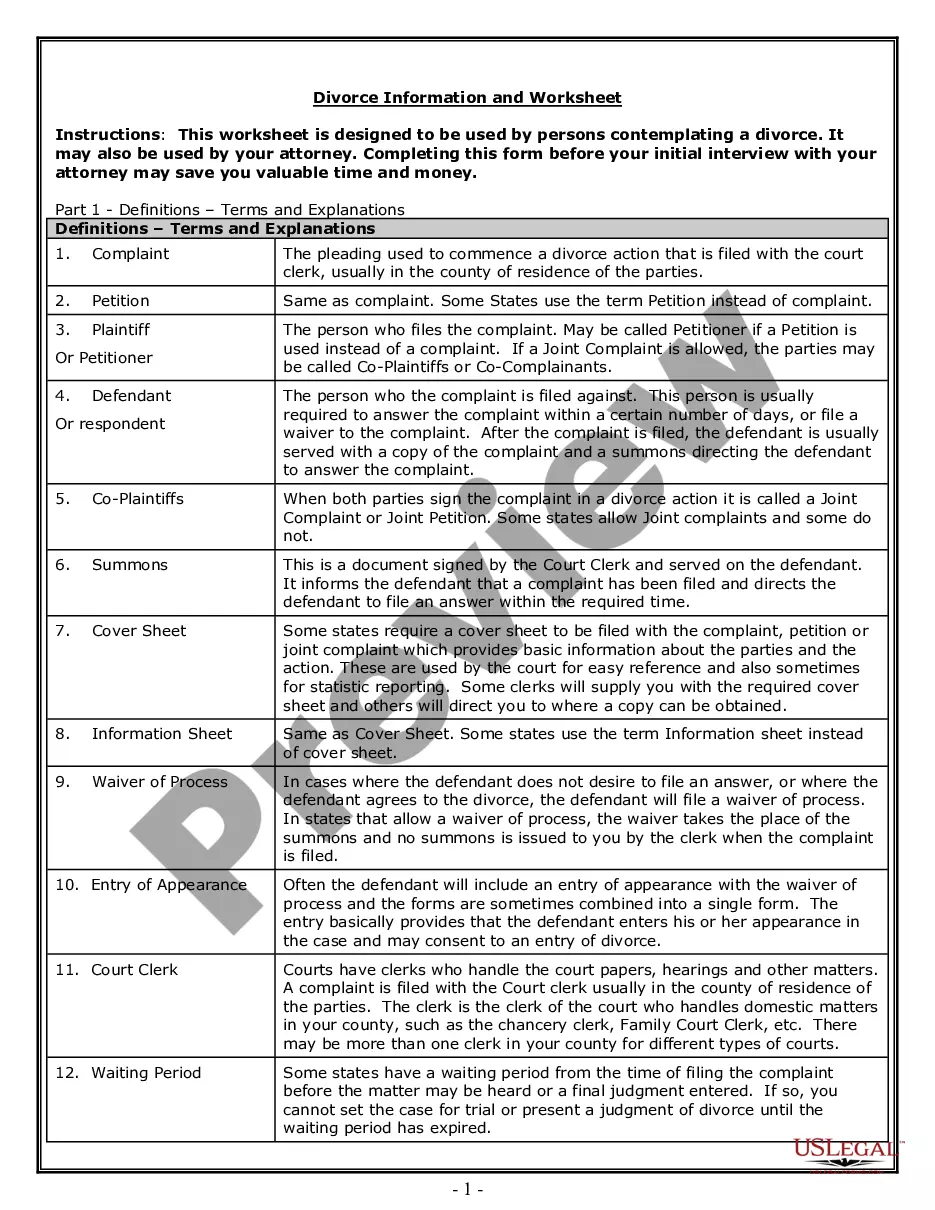
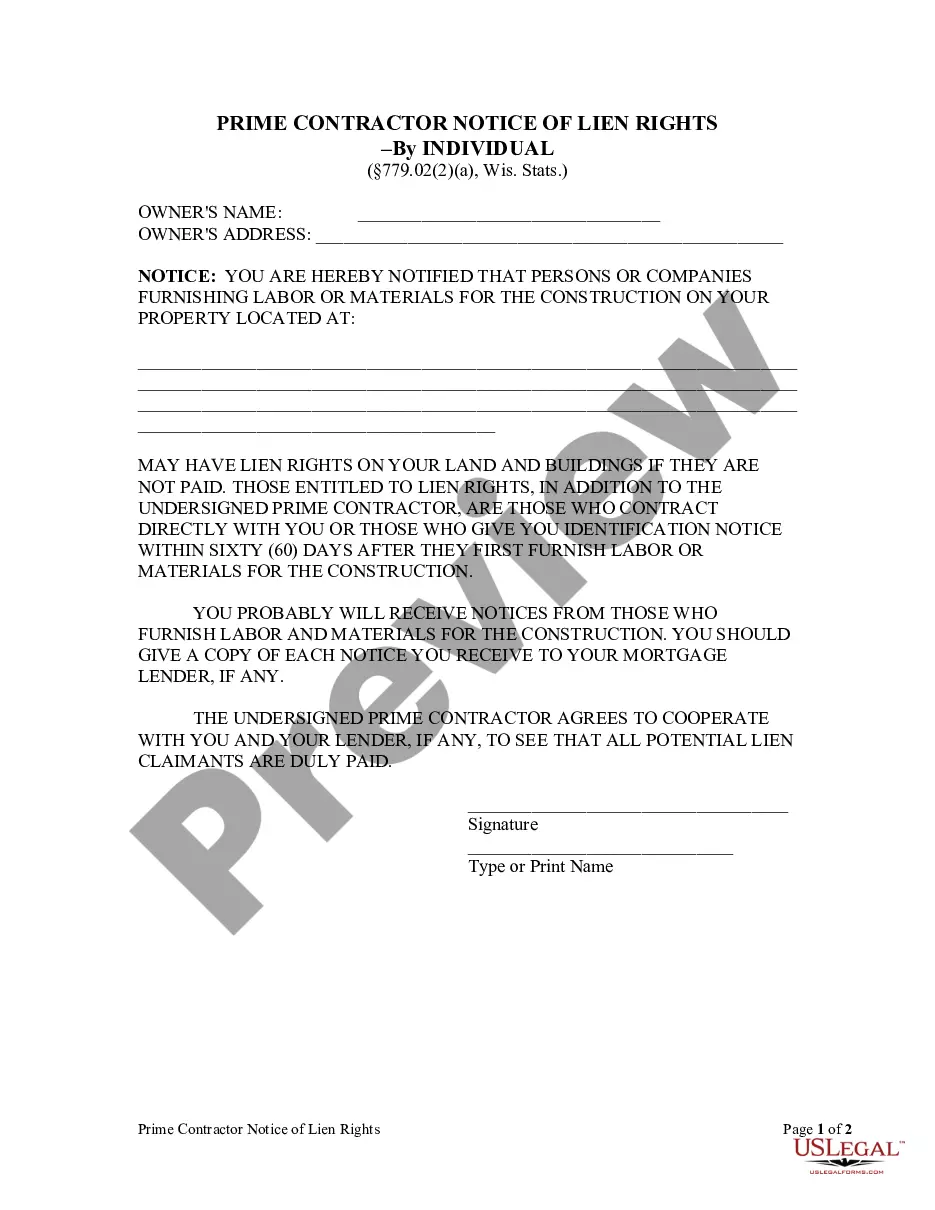


Form popularity
FAQ
Virginia law protects your ability to go solar. Homeowners associations can only stop you from installing solar if the HOA's recorded declaration explicitly prohibits solar installations. A recorded declaration is a legal document that lays out the rules of the HOA at its founding.
This rule suggests dividing your monthly electricity consumption, as stated on your utility bills, by 120 to determine the basic capacity in kilowatts required for your solar plant. For instance, a monthly usage of 600 units translates to a solar capacity need of 5 kilowatts (600 units / 120).
Oklahoma Solar Access Law In Oklahoma, Title 60, Section 820.1 prohibits HOAs from banning solar panel installations outright but allows for certain conditions: - Appearance guidelines should not significantly increase costs or reduce efficiency. - Safety requirements must be met to protect individuals and property.
Absolutely! All solar panels meet international inspection and testing standards, and a qualified installer will them to meet local building, fire, and electrical codes.
Should you replace your solar panels after 25 years? Solar panel systems will keep producing electricity even after the 25-year warranty period if they are well maintained. However, it is important to note that they won't be as efficient at energy production versus when they were first installed.
Oklahoma Solar Access Law In Oklahoma, Title 60, Section 820.1 prohibits HOAs from banning solar panel installations outright but allows for certain conditions: - Appearance guidelines should not significantly increase costs or reduce efficiency. - Safety requirements must be met to protect individuals and property.
