Homeowners Association Bylaws Template With Rules And Regulations In Michigan
Description

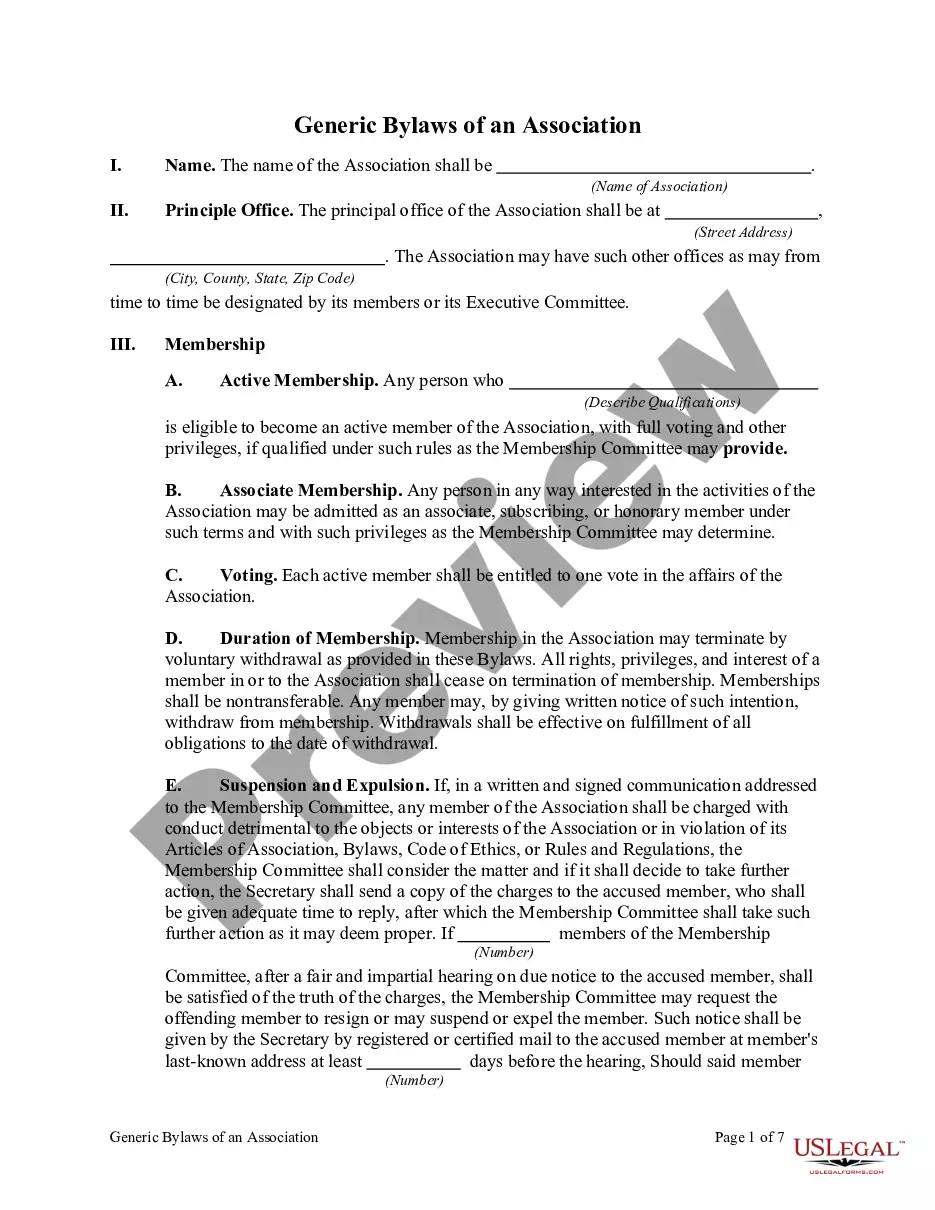
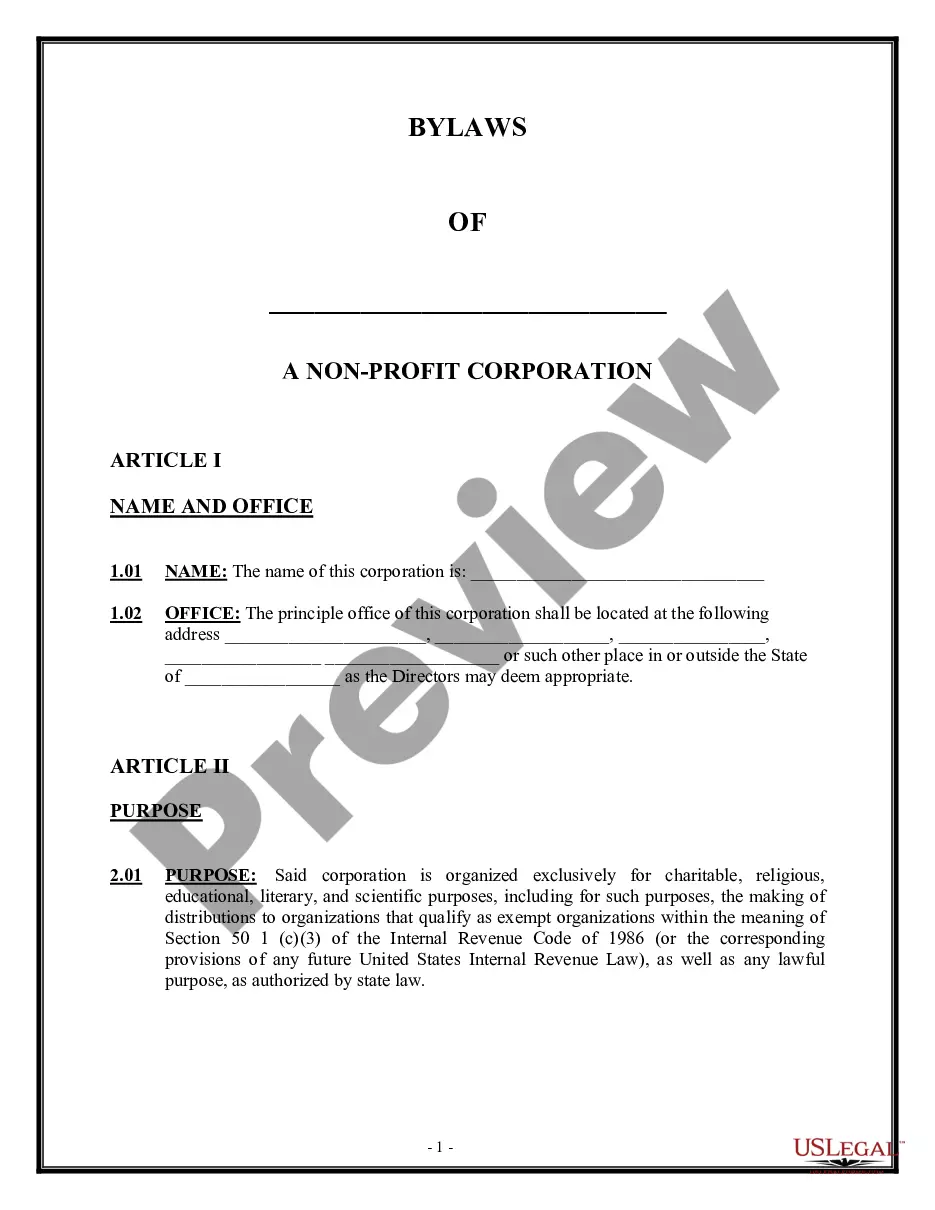
Get your form ready online
Our built-in tools help you complete, sign, share, and store your documents in one place.
Make edits, fill in missing information, and update formatting in US Legal Forms—just like you would in MS Word.
Download a copy, print it, send it by email, or mail it via USPS—whatever works best for your next step.
Sign and collect signatures with our SignNow integration. Send to multiple recipients, set reminders, and more. Go Premium to unlock E-Sign.
If this form requires notarization, complete it online through a secure video call—no need to meet a notary in person or wait for an appointment.
We protect your documents and personal data by following strict security and privacy standards.

Make edits, fill in missing information, and update formatting in US Legal Forms—just like you would in MS Word.

Download a copy, print it, send it by email, or mail it via USPS—whatever works best for your next step.

Sign and collect signatures with our SignNow integration. Send to multiple recipients, set reminders, and more. Go Premium to unlock E-Sign.

If this form requires notarization, complete it online through a secure video call—no need to meet a notary in person or wait for an appointment.

We protect your documents and personal data by following strict security and privacy standards.
Looking for another form?




Form popularity
FAQ
AN ACT to invalidate certain provisions in homeowners' association agreements that prohibit the replacement, maintenance, installation, or operation of certain energy-saving improvements or modifications or the installation of solar energy systems; to provide for the adoption of certain policy statements; to prescribe ...
Once you buy a home that's part of an HOA, you automatically become a member of the HOA. HOA rules are legally binding, and you must adhere to all rules and regulations in the governing document. Yes, there are bylaws that you may not like, but there are no HOA loopholes.
While you can't refuse to join one, there are plenty of constructive ways to voice your concerns and seek change if you find yourself at odds with a mandatory HOA. Here's what you can do: Review Governing Documents: Start by pulling out the HOA's Covenants, Conditions, and Restrictions (CC&Rs) and other bylaws.
Under the newly enacted Homeowners' Energy Policy Act (the “Act”), signed into law by Gov. Gretchen Whitmer on July 8, 2024, HOAs can no longer prohibit unit owners/homeowners from installing a wide range of energy-efficient upgrades.
Starting in 2025, Michigan employers and employees will experience significant changes to the state's employment laws. These changes include increases to the minimum wage, implementation of the Earned Sick Time Act (ESTA), and changes to unemployment benefits.
In Michigan, HOAs have the power to: Collect payments for shared expenses. Upkeep and regulation of common areas. Levy reasonable fines.
In Michigan, an HOA is typically established by filing Articles of Incorporation with the Secretary of State. These articles provide the legal foundation for the association and include key details such as the association's name, purpose, and the initial board of directors.
Any changes to the Articles of Incorporation or the bylaws must be documented in the county in which the community is located.
In general, homeowners can request HOA documents that cover the following: Governing documents, including the CC&Rs, bylaws, articles of incorporation, community plat, and operating rules; All board and membership meeting minutes and notices; Membership lists; All insurance policies of the association;
To the extent an HOA's activities implicate any consumer protection statutes, the HOA is subject to the enforcement power of the Michigan Attorney General. Importantly, homeowners' associations are bound by its governing documents (Bylaws, Declaration, Articles of Incorporation).
