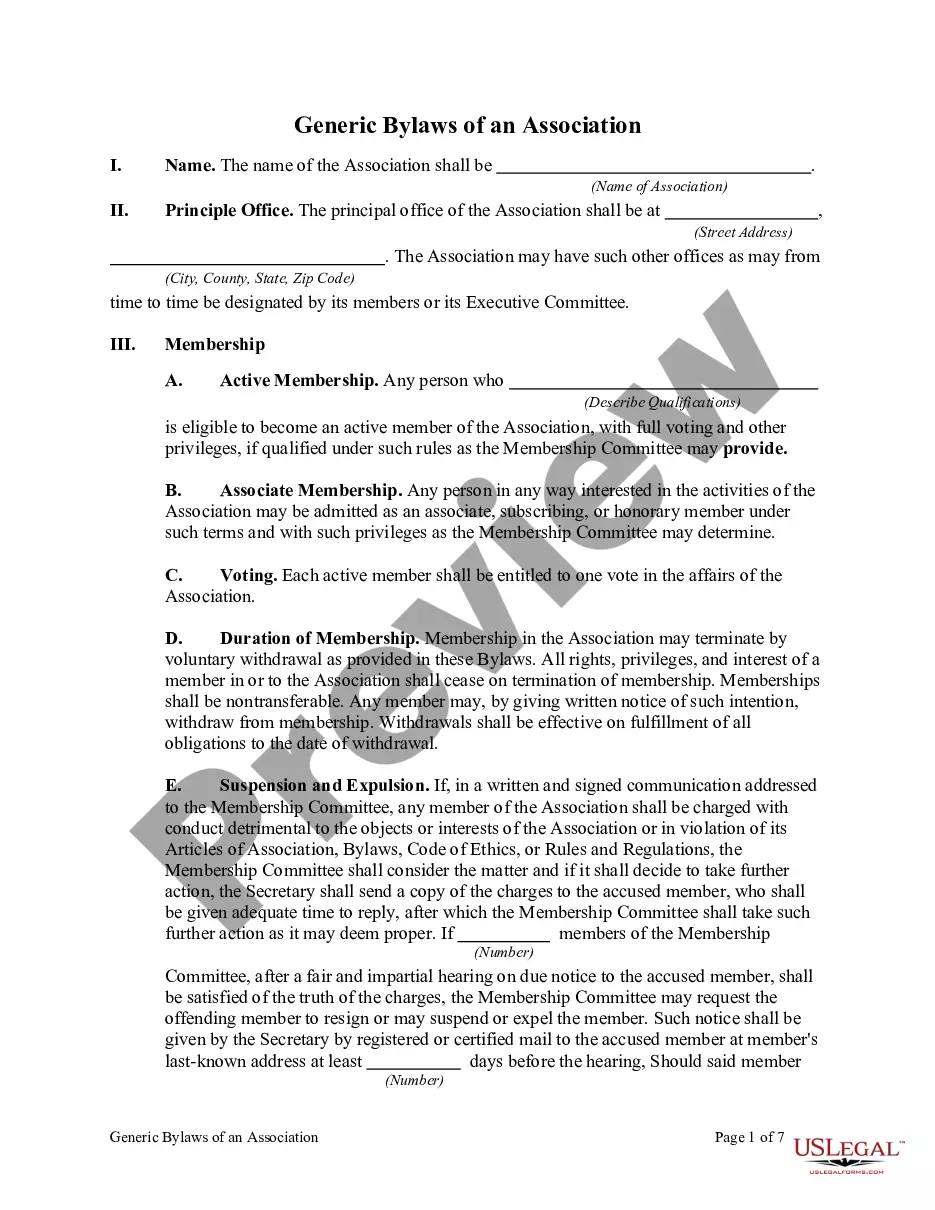
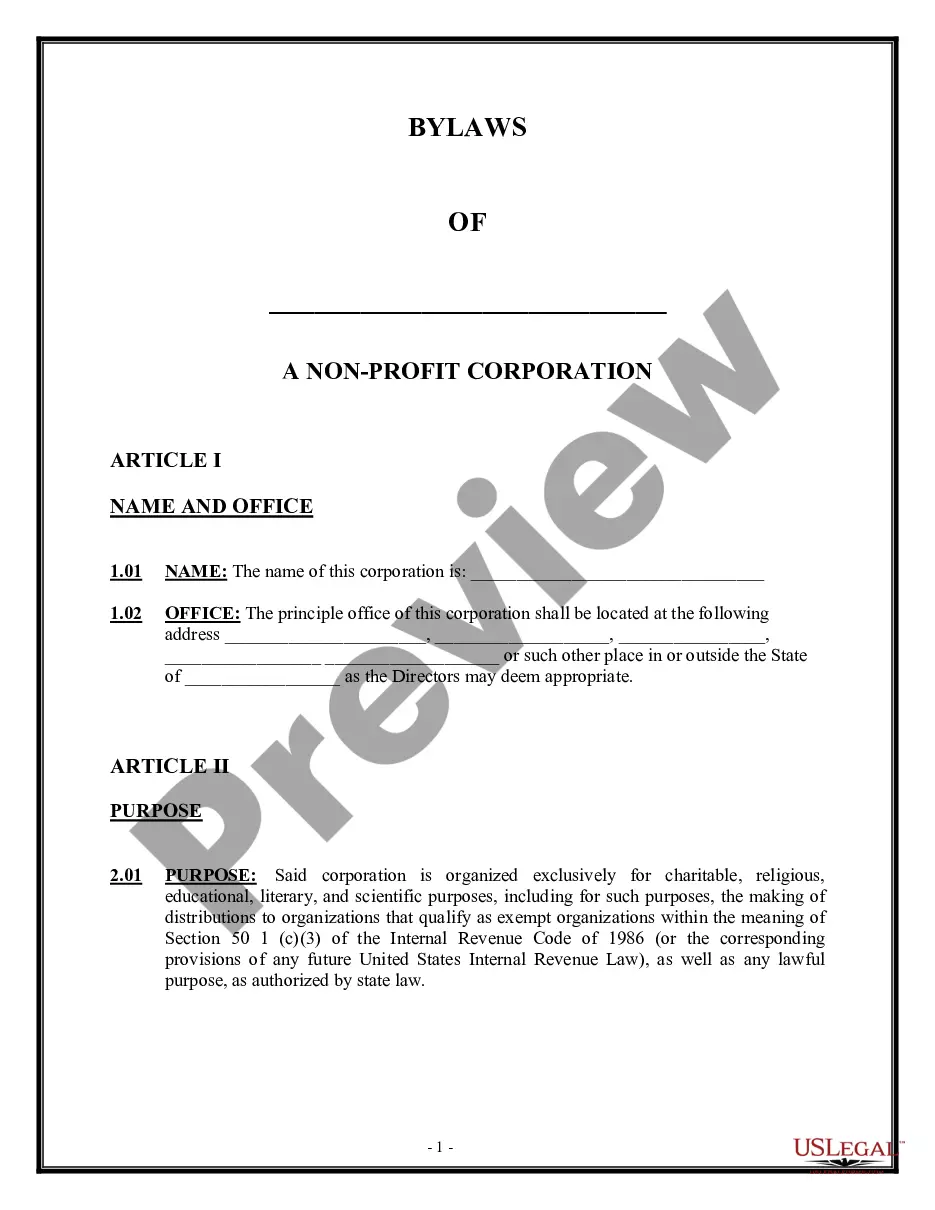
Property Owners Association Bylaws Format In Maryland
Description

Get your form ready online
Our built-in tools help you complete, sign, share, and store your documents in one place.
Make edits, fill in missing information, and update formatting in US Legal Forms—just like you would in MS Word.
Download a copy, print it, send it by email, or mail it via USPS—whatever works best for your next step.
Sign and collect signatures with our SignNow integration. Send to multiple recipients, set reminders, and more. Go Premium to unlock E-Sign.
If this form requires notarization, complete it online through a secure video call—no need to meet a notary in person or wait for an appointment.
We protect your documents and personal data by following strict security and privacy standards.

Make edits, fill in missing information, and update formatting in US Legal Forms—just like you would in MS Word.

Download a copy, print it, send it by email, or mail it via USPS—whatever works best for your next step.

Sign and collect signatures with our SignNow integration. Send to multiple recipients, set reminders, and more. Go Premium to unlock E-Sign.

If this form requires notarization, complete it online through a secure video call—no need to meet a notary in person or wait for an appointment.

We protect your documents and personal data by following strict security and privacy standards.
Looking for another form?

Form popularity
FAQ
Understanding HOA Liens These charges can accumulate quickly, leading to significant debt. In Maryland, the Homeowners Association Act empowers HOAs to impose liens on properties within their jurisdiction for unpaid dues and assessments.
To form an HOA in Maryland, one must adhere to specific legal frameworks that include forming Articles of Incorporation and filing them with the State Department. It is through these initial steps that an HOA is legally recognized. The process integrates both state law and the particular needs of the community.
To make tax-exempt purchases for items intended for resale or for property that will be incorporated into something you manufacture to sell, you must give the vendor a resale certificate.
Contracts of the association, such insurance policies and community management agreements. governing documents, such as the HOA's declaration, bylaws, rules, and regulations. other records related to the operation and management of the HOA.
While homeowners' associations in Maryland are governed by the federal FDCPA, the state also has an additional legislature that regulates the collection of debt at the state level.
HOA Documents - The association's Declaration of Covenants, Conditions, and Restrictions (CC&Rs), Amendments to CC&Rs, Bylaws, Lien Notices, HOA Notices, Plats, Maps, and other community documents can be found by visiting the county recorder's office website in which the association is located.
Resale certificates are legally required documents ensuring that buyers have full disclosure before purchasing a property. In this article, we will explain why the homeowner pays for a resale package and why it's part of the standard homebuying process.
Individuals can file a complaint against a homeowners' association in Maryland by contacting the Consumer Protection Division of the Maryland Attorney General's Office. Complaints can also be addressed through internal dispute resolution mechanisms if provided by the HOA's governing documents.
Majority of Members Must Consent to Dissolution of HOA. Third-Party Rights and Agreements Must Be Honored in Dissolving HOA. Local Government Permitting Conditions Must Be Honored in Dissolving HOA.
The statute of limitations for enforcing HOA debts and violations in Maryland is typically three years. This means that the HOA must take legal action within three years from the date the debt was incurred or the violation occurred to recover any monies or enforce compliance.