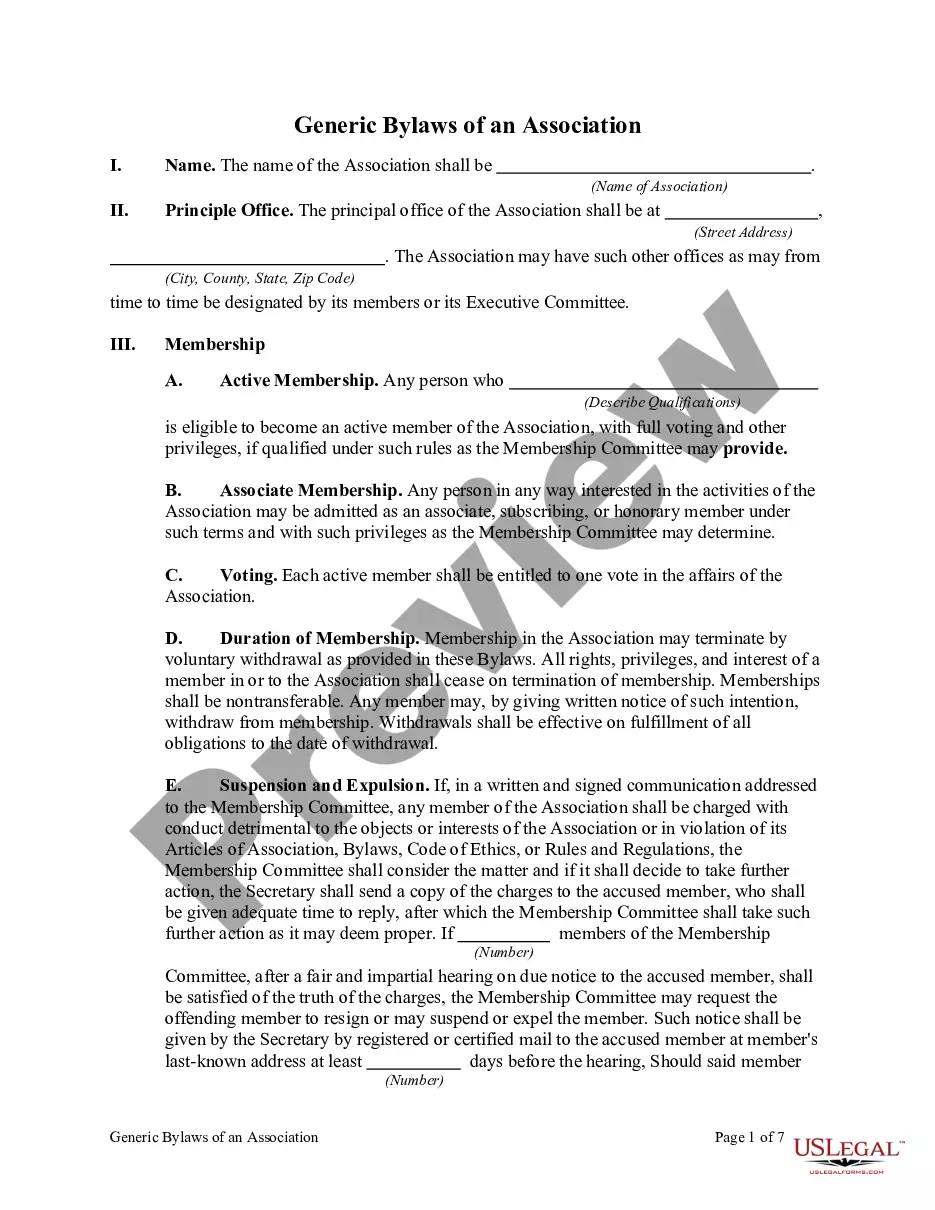
Bylaws With Members In King
Description

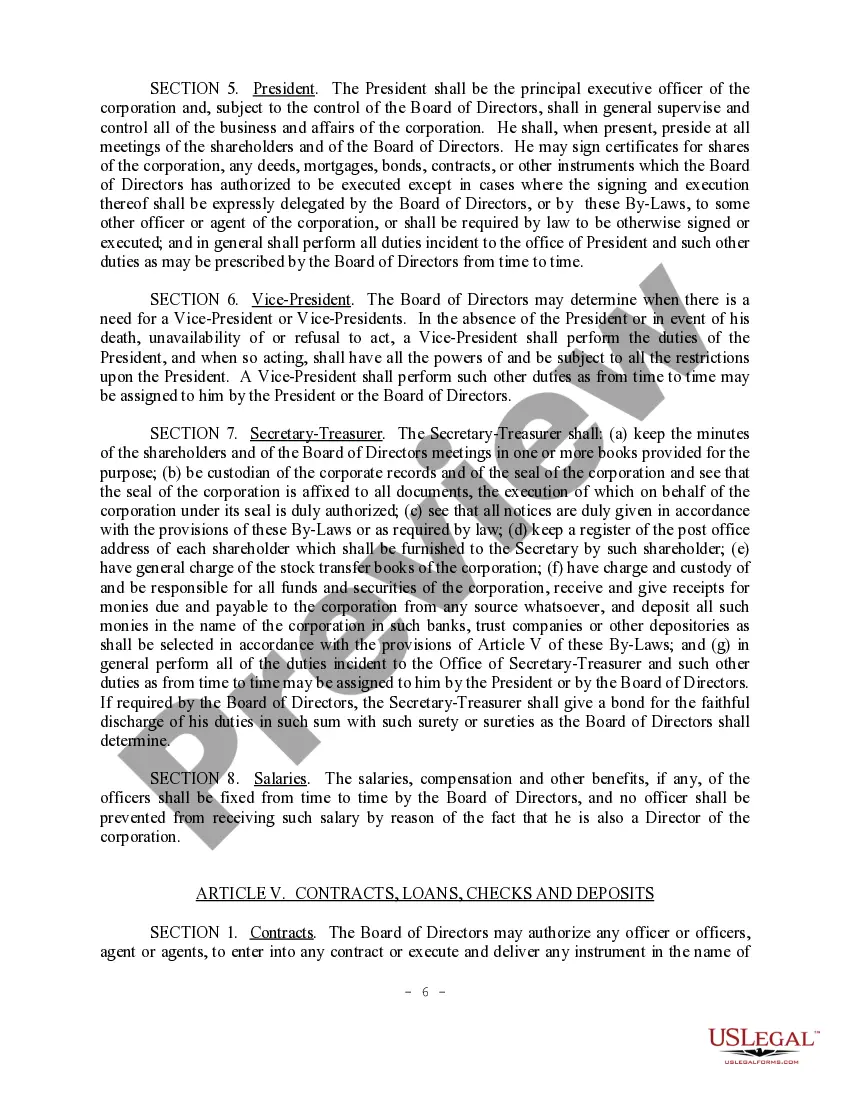
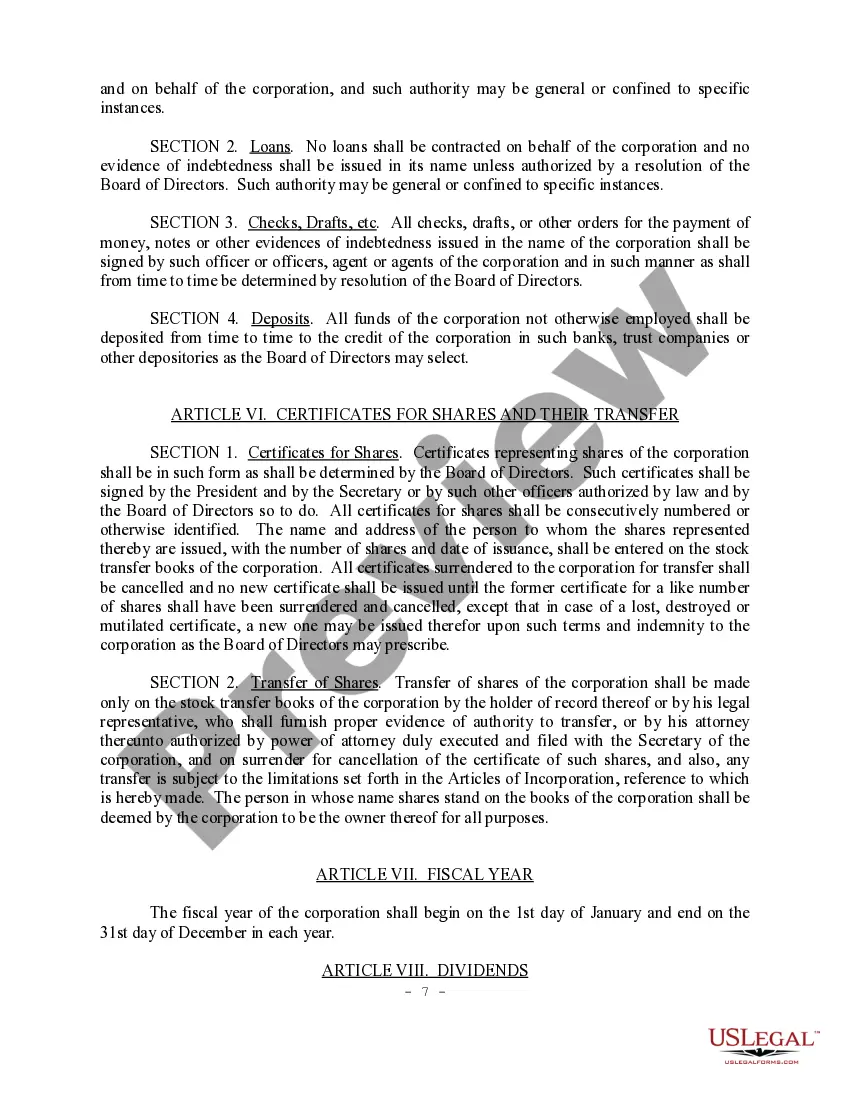
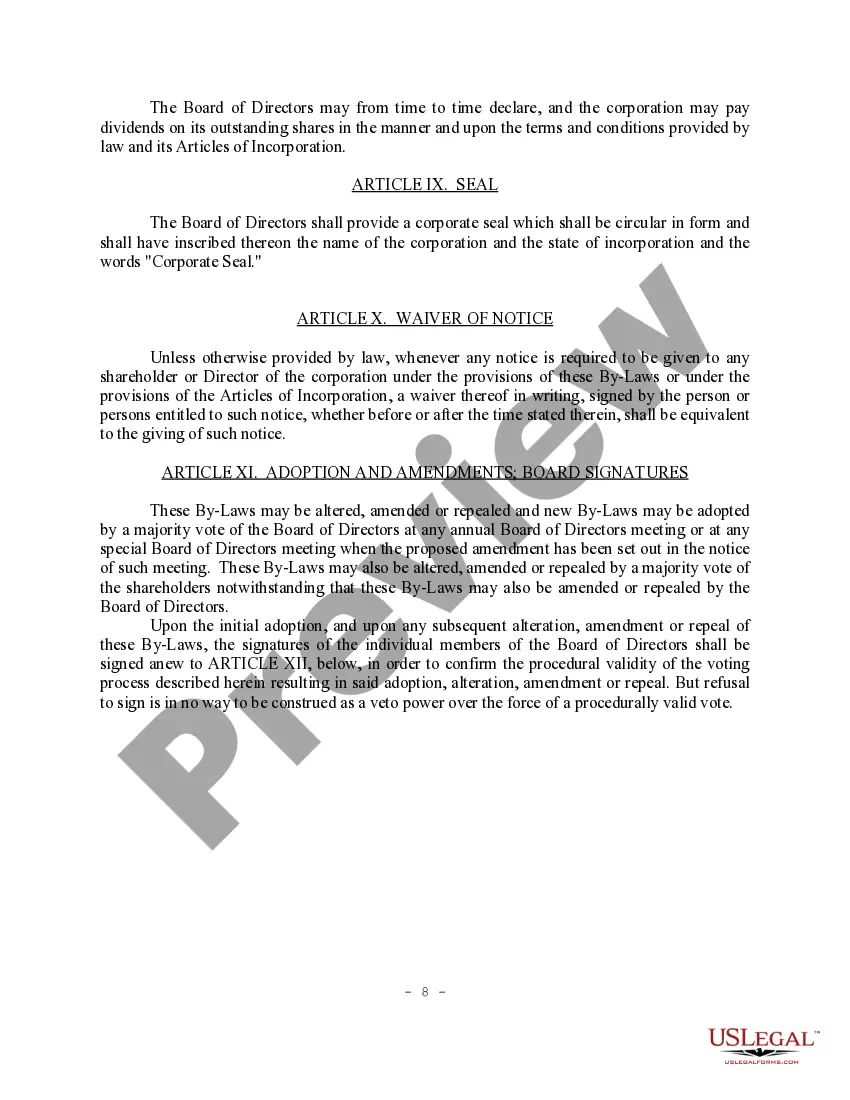
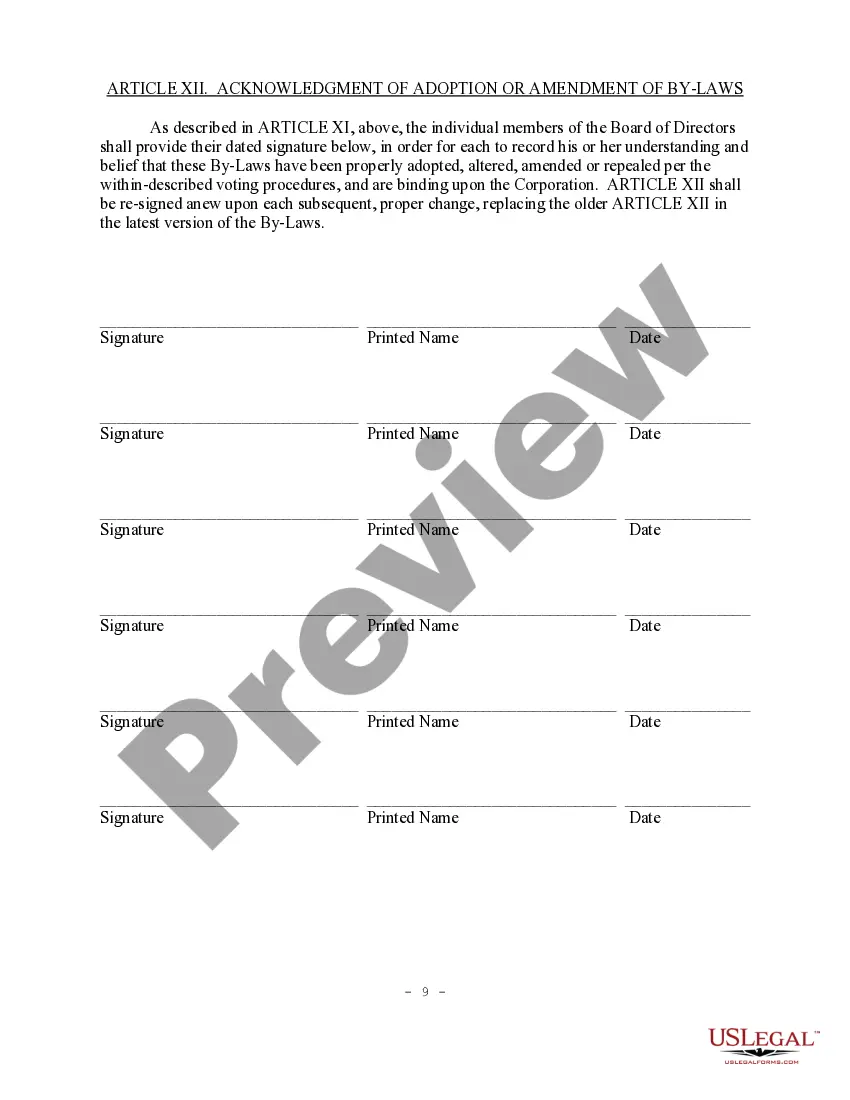

Get your form ready online
Our built-in tools help you complete, sign, share, and store your documents in one place.
Make edits, fill in missing information, and update formatting in US Legal Forms—just like you would in MS Word.
Download a copy, print it, send it by email, or mail it via USPS—whatever works best for your next step.
Sign and collect signatures with our SignNow integration. Send to multiple recipients, set reminders, and more. Go Premium to unlock E-Sign.
If this form requires notarization, complete it online through a secure video call—no need to meet a notary in person or wait for an appointment.
We protect your documents and personal data by following strict security and privacy standards.

Make edits, fill in missing information, and update formatting in US Legal Forms—just like you would in MS Word.

Download a copy, print it, send it by email, or mail it via USPS—whatever works best for your next step.

Sign and collect signatures with our SignNow integration. Send to multiple recipients, set reminders, and more. Go Premium to unlock E-Sign.

If this form requires notarization, complete it online through a secure video call—no need to meet a notary in person or wait for an appointment.

We protect your documents and personal data by following strict security and privacy standards.
Looking for another form?






Form popularity
FAQ
King IV further addresses the understanding of legitimate and reasonable stakeholder expectations and the management thereof. The key major difference between King III and King IV is the change from the “apply or explain” culture to a “apply and explain” culture.
Principle 1: lead ethically and effectively. Principle 2: governs the company's ethics to build an ethical culture. Principle 3: ensure the organisation is a responsible corporate citizen.
The philosophy of the code consists of the three key elements of leadership, sustainability and good corporate citizenship. It views good governance as essentially being effective, ethical leadership.
King III requires boards to be comprised of a majority of non-executive directors, of whom the majority should be independent. Every year the directors who are classified as independent should have their independence assessed by the board, particularly those that have been on the board for longer than nine years.
King III follows an inclusive approach to stakeholders, whereby the legitimate interests of stakeholders (eg employees, suppliers, customers, regulators, the environment, community, etc) are considered and recognised over and above solely the shareholders' interests, in a manner which befits the long term ...
Principle 6: serve as the focal point and custodian of corporate governance in the organisation. Principle 7: comprise the appropriate balance of knowledge, skills, experience, diversity and independence for it to discharge its governance role and responsibilities objectively and effectively.
The key major difference between King III and King IV is the change from the “apply or explain” culture to a “apply and explain” culture. King IV places more accountability on the governing board and does away with the tick box approach.
Composition of the Board The Board comprises five Independent non-Executive Directors, two non-Independent non-Executive Director and three Executive Directors. The majority of the directors are therefore non-executive directors, and the majority of the non-Executive Directors are independent.