Nonprofit Bylaws Examples In Illinois
Description

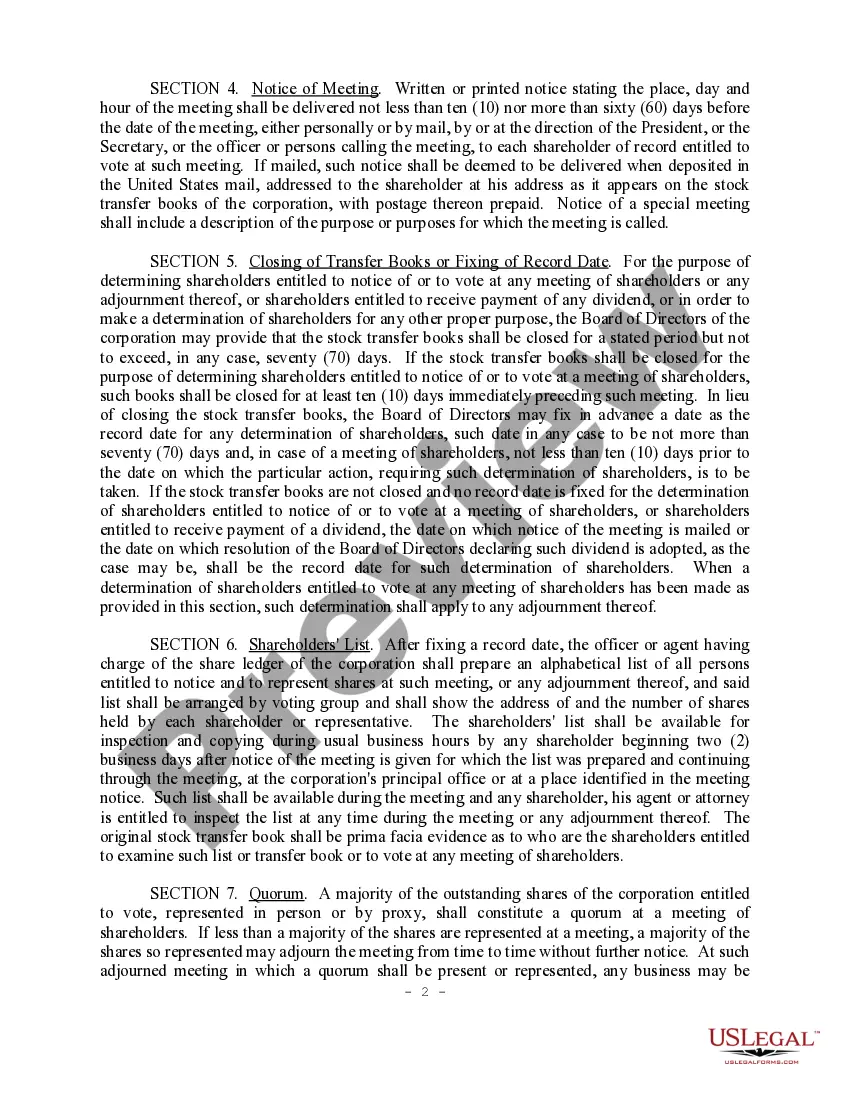
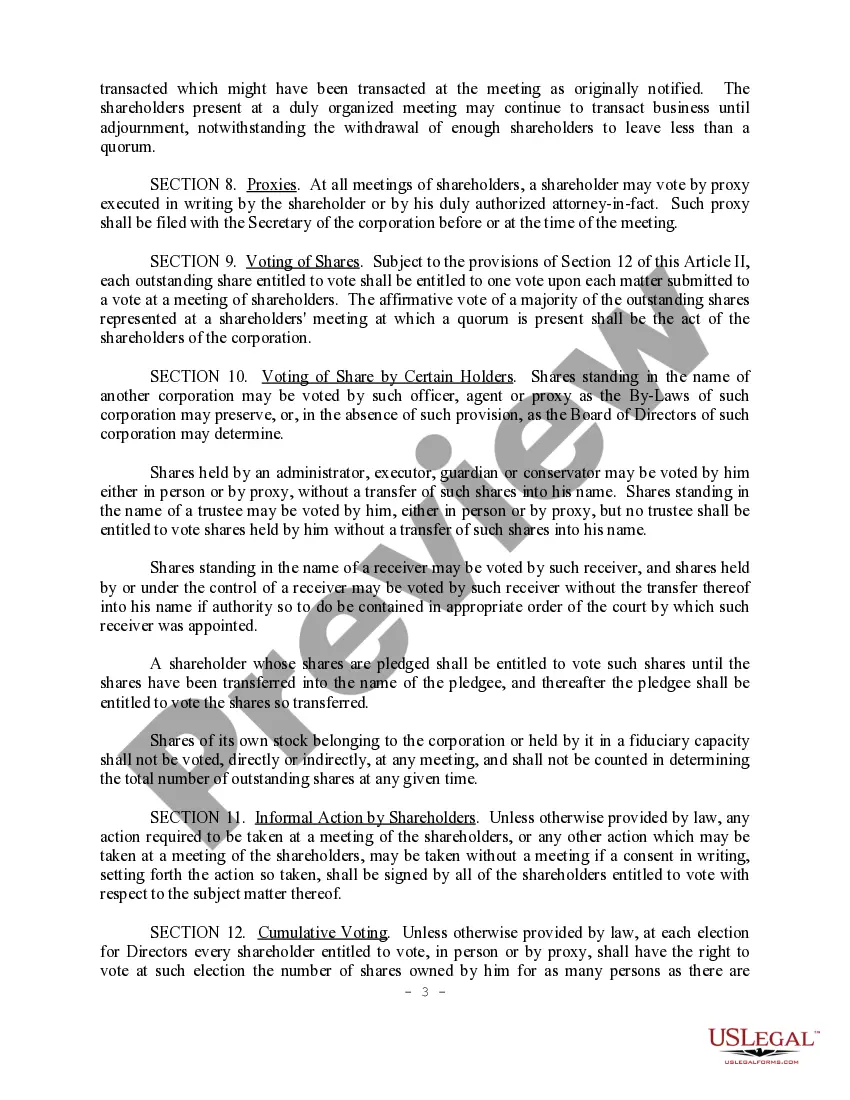
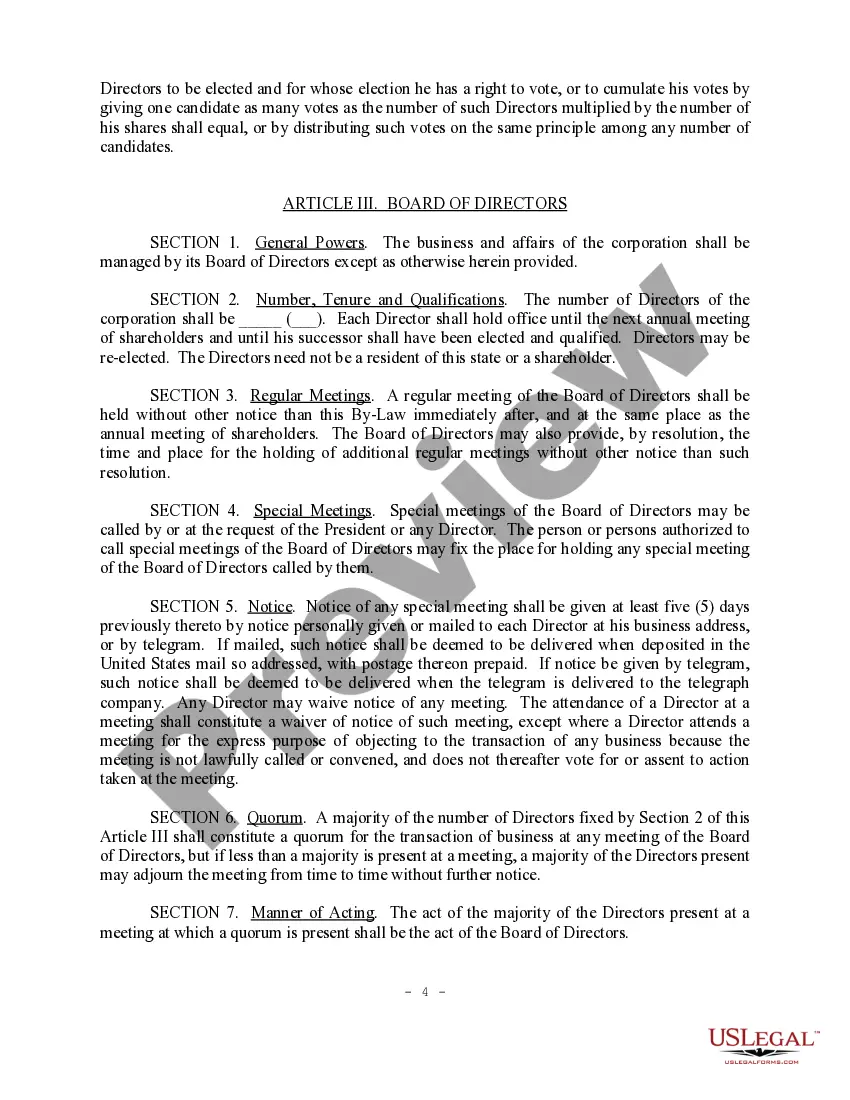
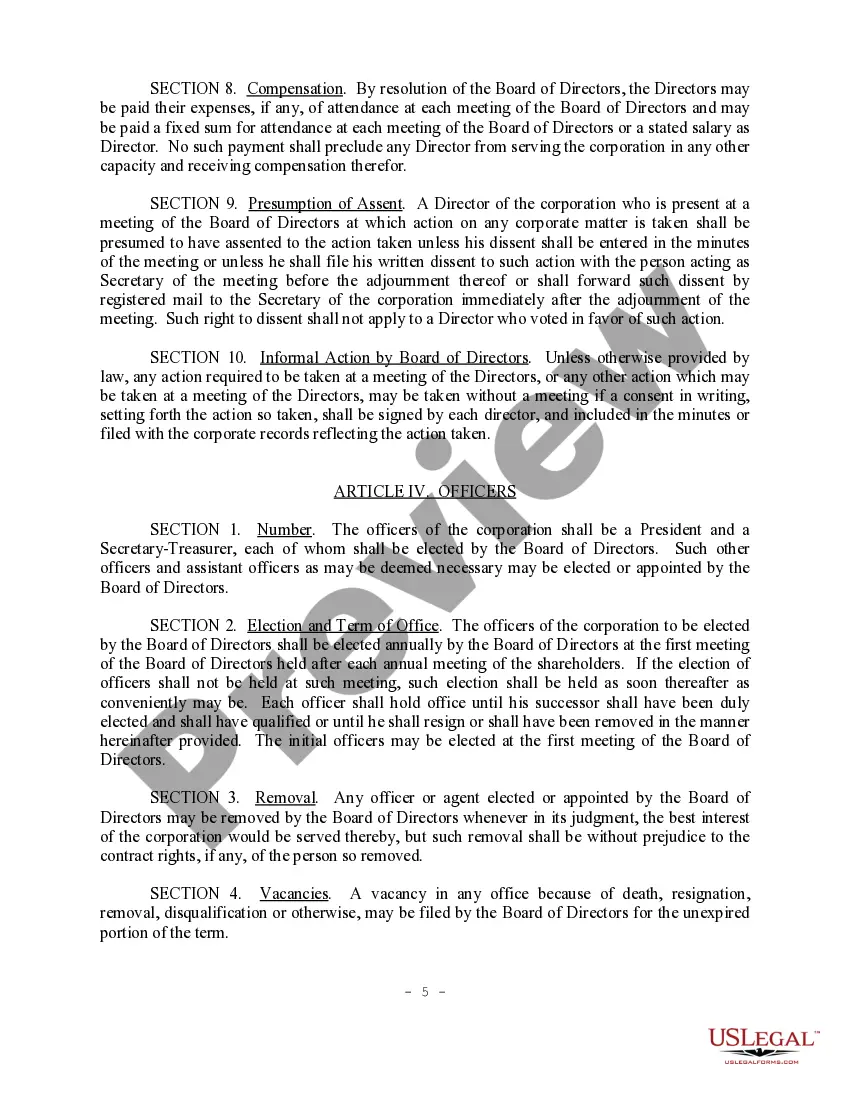
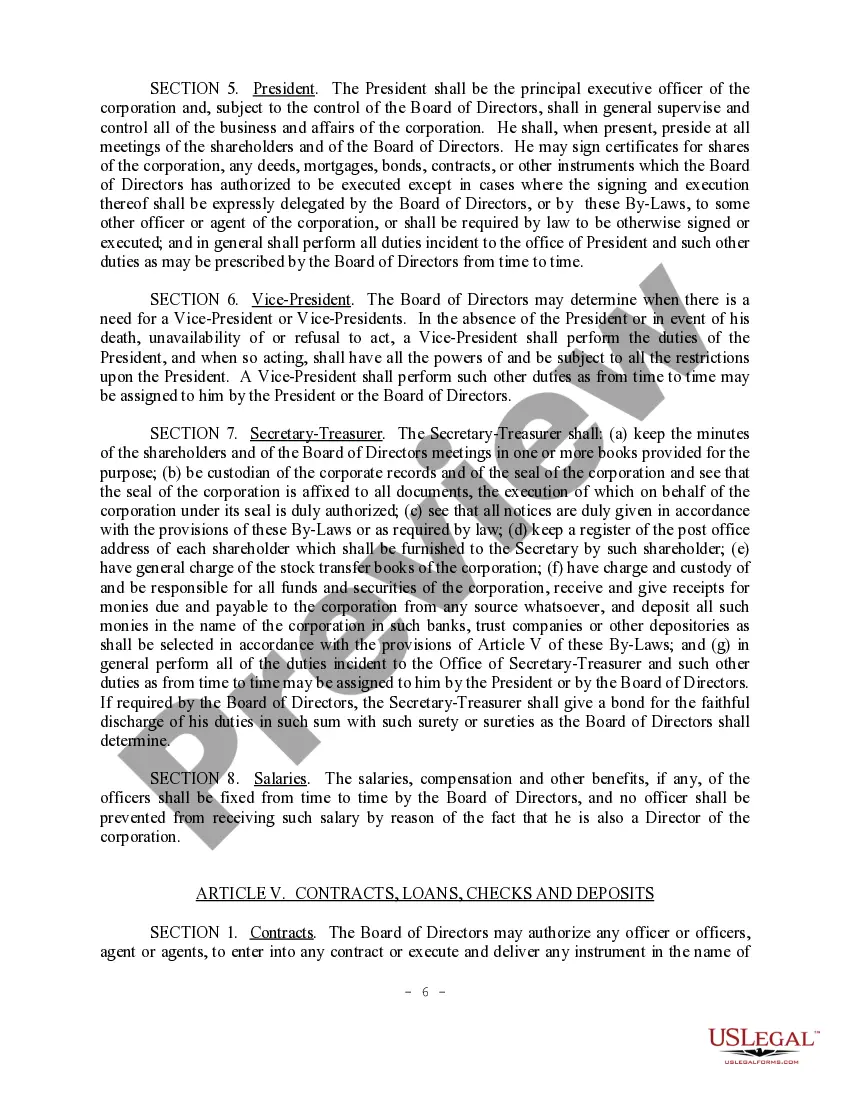
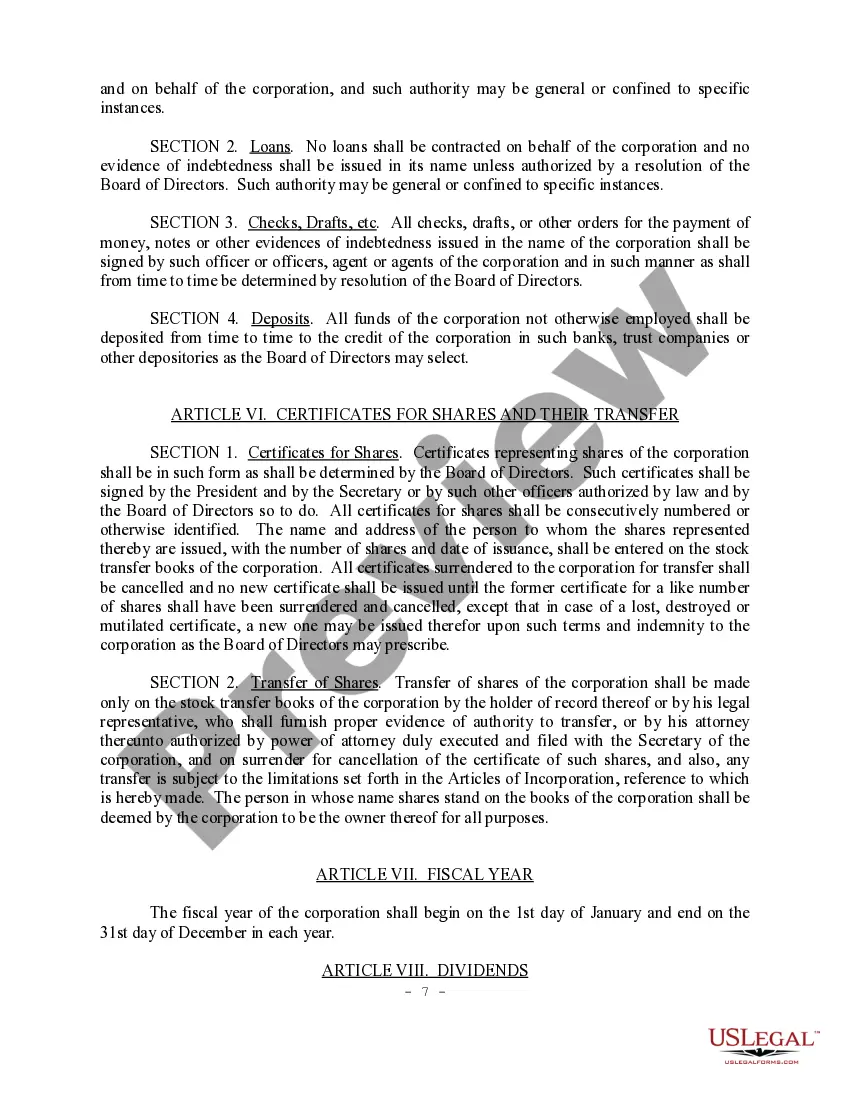
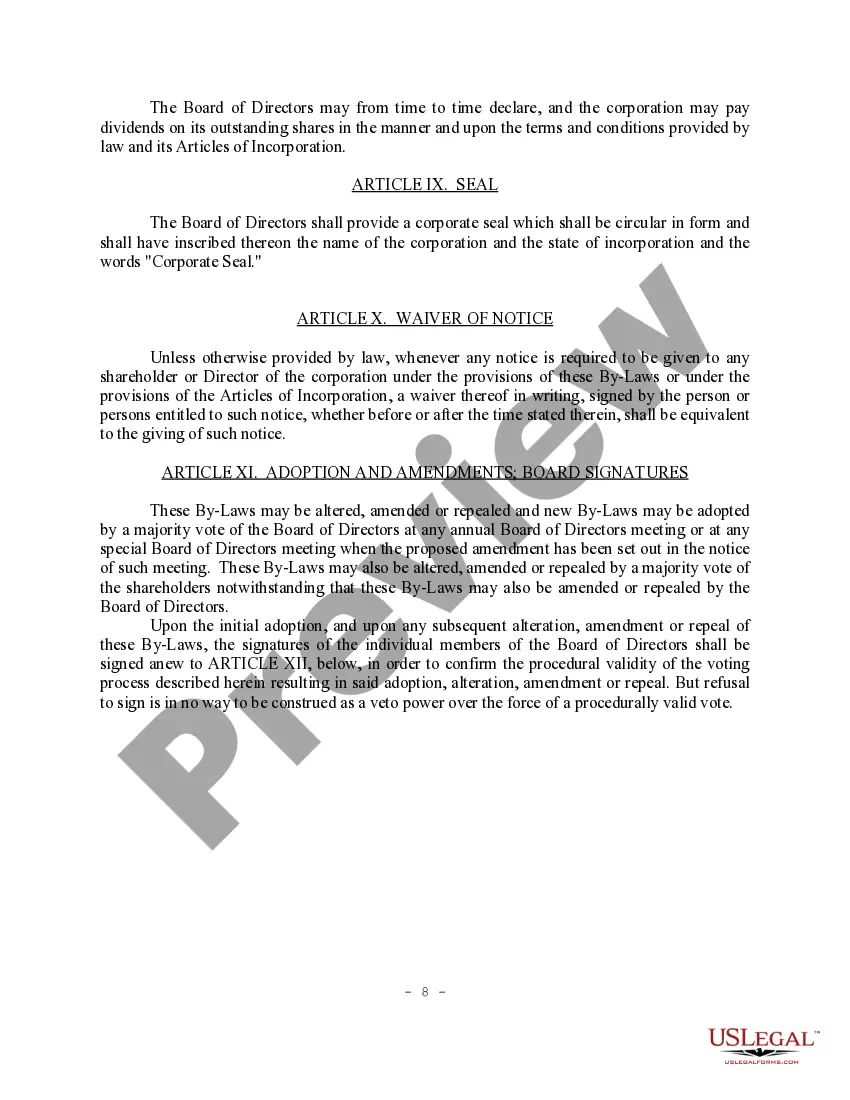
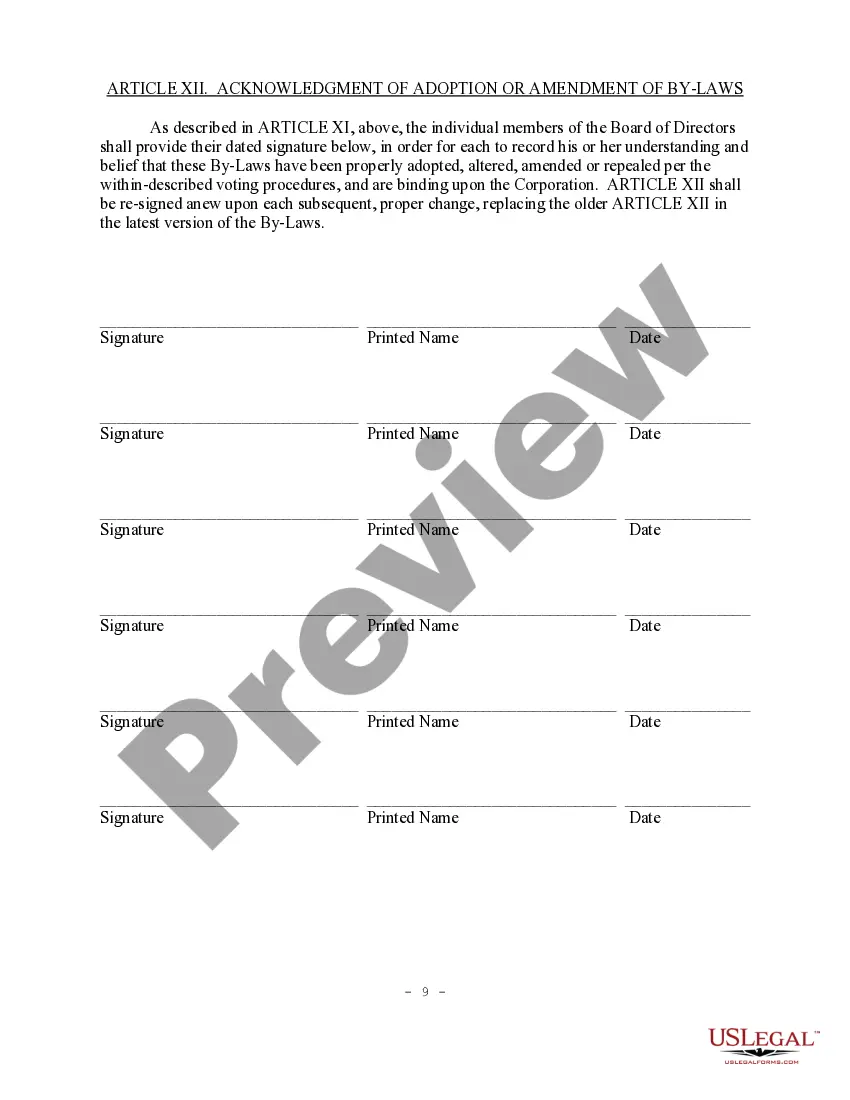
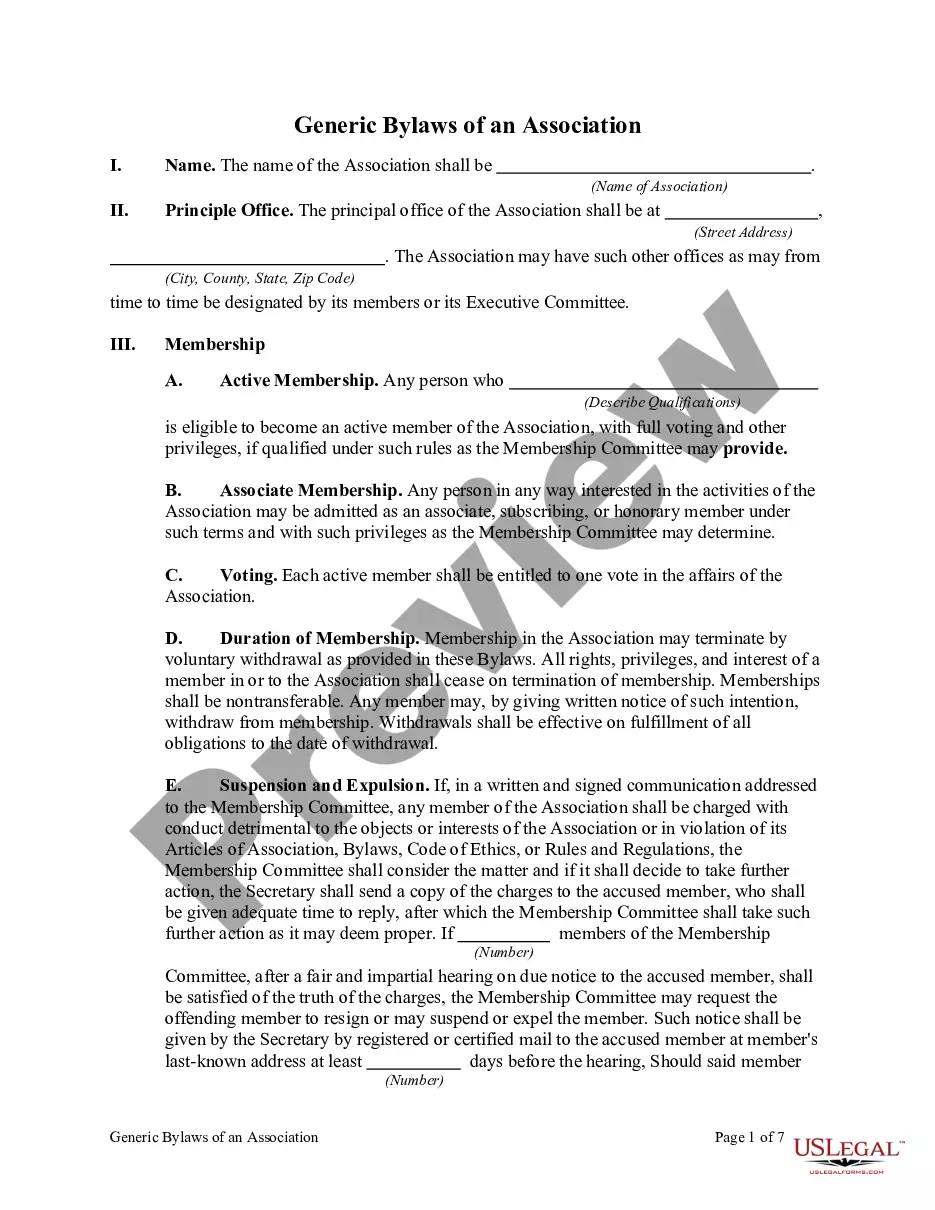

Get your form ready online
Our built-in tools help you complete, sign, share, and store your documents in one place.
Make edits, fill in missing information, and update formatting in US Legal Forms—just like you would in MS Word.
Download a copy, print it, send it by email, or mail it via USPS—whatever works best for your next step.
Sign and collect signatures with our SignNow integration. Send to multiple recipients, set reminders, and more. Go Premium to unlock E-Sign.
If this form requires notarization, complete it online through a secure video call—no need to meet a notary in person or wait for an appointment.
We protect your documents and personal data by following strict security and privacy standards.

Make edits, fill in missing information, and update formatting in US Legal Forms—just like you would in MS Word.

Download a copy, print it, send it by email, or mail it via USPS—whatever works best for your next step.

Sign and collect signatures with our SignNow integration. Send to multiple recipients, set reminders, and more. Go Premium to unlock E-Sign.

If this form requires notarization, complete it online through a secure video call—no need to meet a notary in person or wait for an appointment.

We protect your documents and personal data by following strict security and privacy standards.
Looking for another form?










Form popularity
FAQ
The Big Picture Follow the steps below to start a nonprofit organization in Illinois. Pick a name. The name must be unique. Appoint a registered agent. Choose your board of directors. State your charitable purpose. File your articles of incorporation. Create bylaws.
The Big Picture Follow the steps below to start a nonprofit organization in Illinois. Pick a name. The name must be unique. Appoint a registered agent. Choose your board of directors. State your charitable purpose. File your articles of incorporation. Create bylaws.
Stat. § 460/4 | Effective Jan. 1, 2024, a charitable organization with annual contributions more than $500,000 must file an audited financial statement prepared by an independent CPA. A charitable organization with contributions between $300,000 and $500,000 must file a financial statement with the Attorney General.
All charities that solicit in Illinois should be registered with the Office of the Attorney General. The Attorney General's Office can tell you if a charitable organization is registered and current in its reporting requirements.
There must be at least three directors. They do not have to be Illinois residents or corporation members, but you may require these and any other qualifications you choose.
There must be at least three directors. They do not have to be Illinois residents or corporation members, but you may require these and any other qualifications you choose.
Corporate bylaws are legally required in Illinois. Illinois statute §805 ILCS 5/2.20 requires that bylaws be adopted either by shareholders at the first shareholder meeting or by directors at the initial director meeting.
Does my tax-exempt organization need to submit changes in its bylaws to the IRS? The Internal Revenue Code 501(c) (3) requires that any tax-exempt organization report changes in bylaws and other governing documents to the IRS every year using IRS Form 990.
There must be at least three directors. They do not have to be Illinois residents or corporation members, but you may require these and any other qualifications you choose. Restrictions and qualifications may be outlined in the Articles of Incorporation under the Other Provisions section or in the corporate by-laws.
Here are some examples of provisions that nonprofit organizations should avoid including in their bylaws. Organizational Policies and Procedures. Specifically Targeted Policies that Adversely Affect Future Boards. Provisions that Violate State Laws. Inconsistencies with the Articles of Incorporation.
