Bylaws For 501c3 In Hillsborough
Description

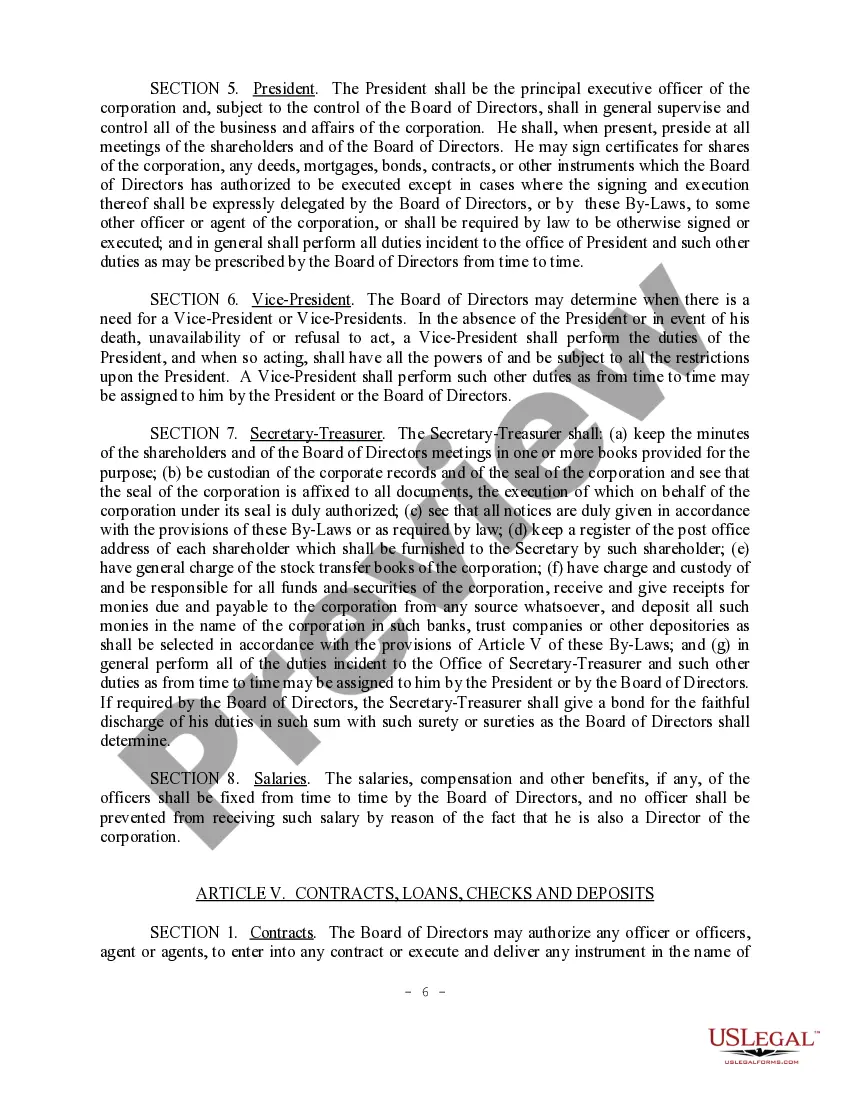
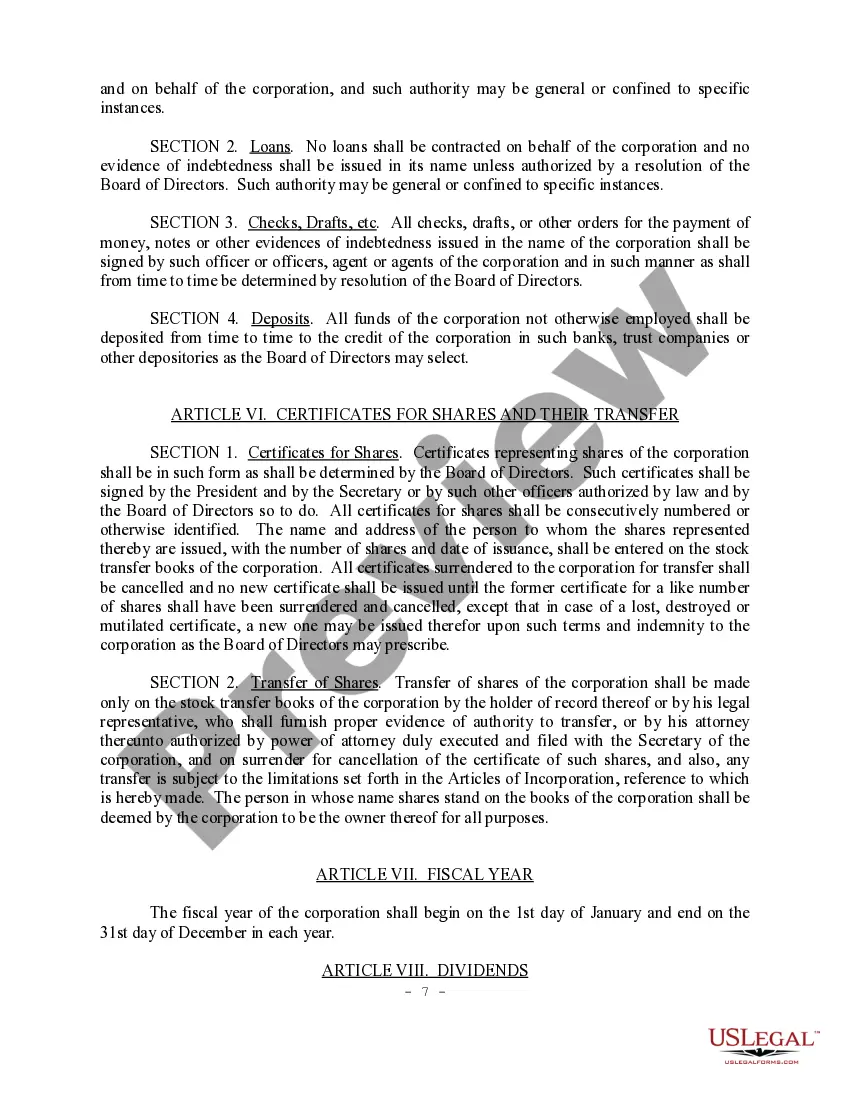
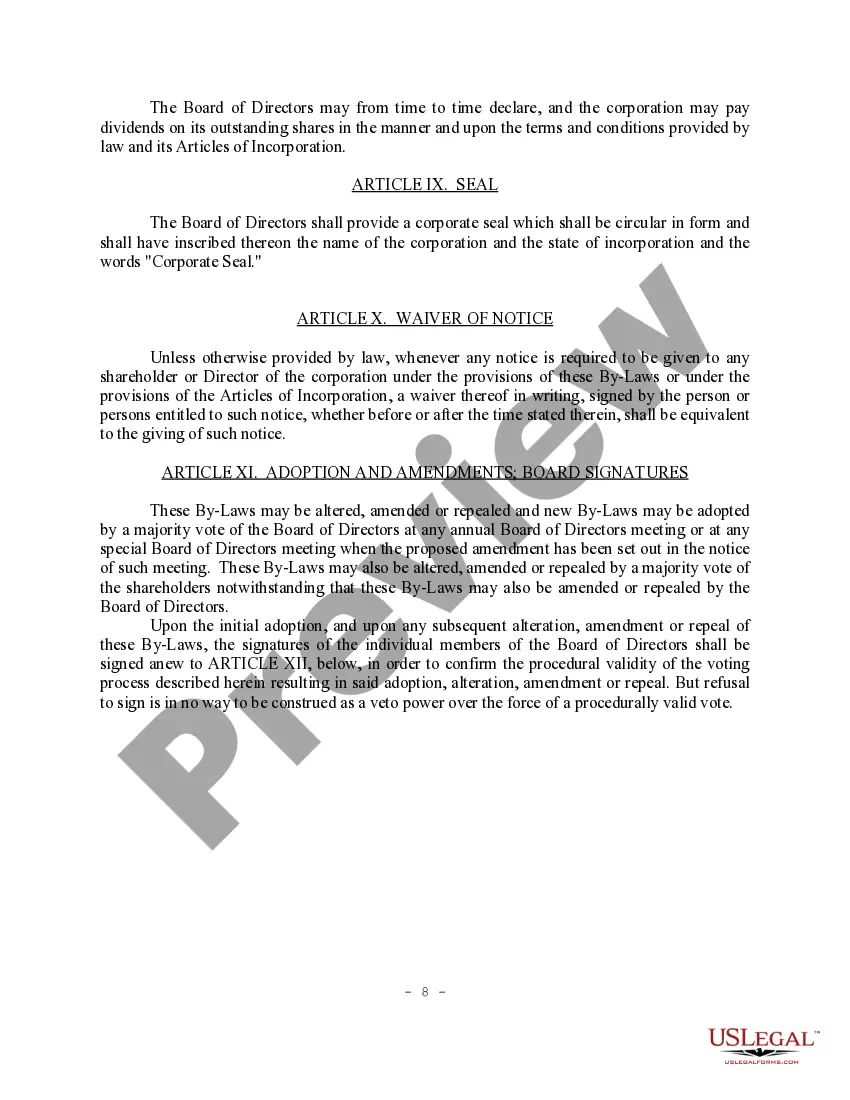
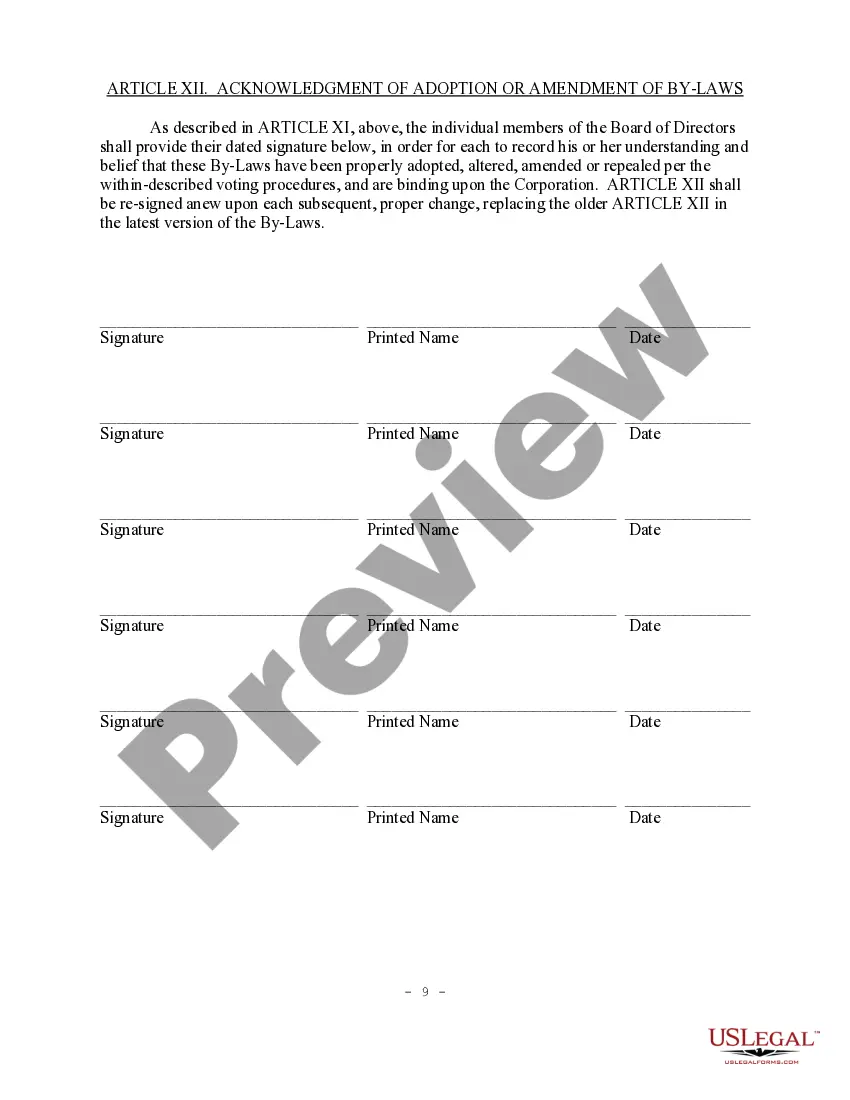
Get your form ready online
Our built-in tools help you complete, sign, share, and store your documents in one place.
Make edits, fill in missing information, and update formatting in US Legal Forms—just like you would in MS Word.
Download a copy, print it, send it by email, or mail it via USPS—whatever works best for your next step.
Sign and collect signatures with our SignNow integration. Send to multiple recipients, set reminders, and more. Go Premium to unlock E-Sign.
If this form requires notarization, complete it online through a secure video call—no need to meet a notary in person or wait for an appointment.
We protect your documents and personal data by following strict security and privacy standards.

Make edits, fill in missing information, and update formatting in US Legal Forms—just like you would in MS Word.

Download a copy, print it, send it by email, or mail it via USPS—whatever works best for your next step.

Sign and collect signatures with our SignNow integration. Send to multiple recipients, set reminders, and more. Go Premium to unlock E-Sign.

If this form requires notarization, complete it online through a secure video call—no need to meet a notary in person or wait for an appointment.

We protect your documents and personal data by following strict security and privacy standards.
Looking for another form?

Form popularity
FAQ
501(c)(3) entities are typically classified into three major categories: Public Charities: These receive a significant portion of their income from the public or governmental grants. Examples include churches, schools, hospitals, and broadly-supported charities.
Yes, the state of Florida requires nonprofits to obtain a state business license. Visit Florida's Department of Business and Professional Regulation to apply.
Officer/Director If listing directors: list at least 3 directors. NOTE: If this entity will be opening a bank account, most financial institutions require this information to be designated in the Department of State's records.
How they're different. Interestingly, a nonprofit organization can operate like a traditional C corporation, where the organization is a separate legal entity from the owner. By contrast, not-for-profit organizations are similar to general partnerships in that they enjoy no legal separation from the members involved.
The Difference Between a Nonprofit and For-Profit: Organizational Motive. While for-profit companies exist for the purpose of—you guessed it—making a profit, nonprofit organizations exist to maintain assets in order to continue providing and expanding services that support their mission.
