Hoa Rules For Dogs In Hennepin
Description

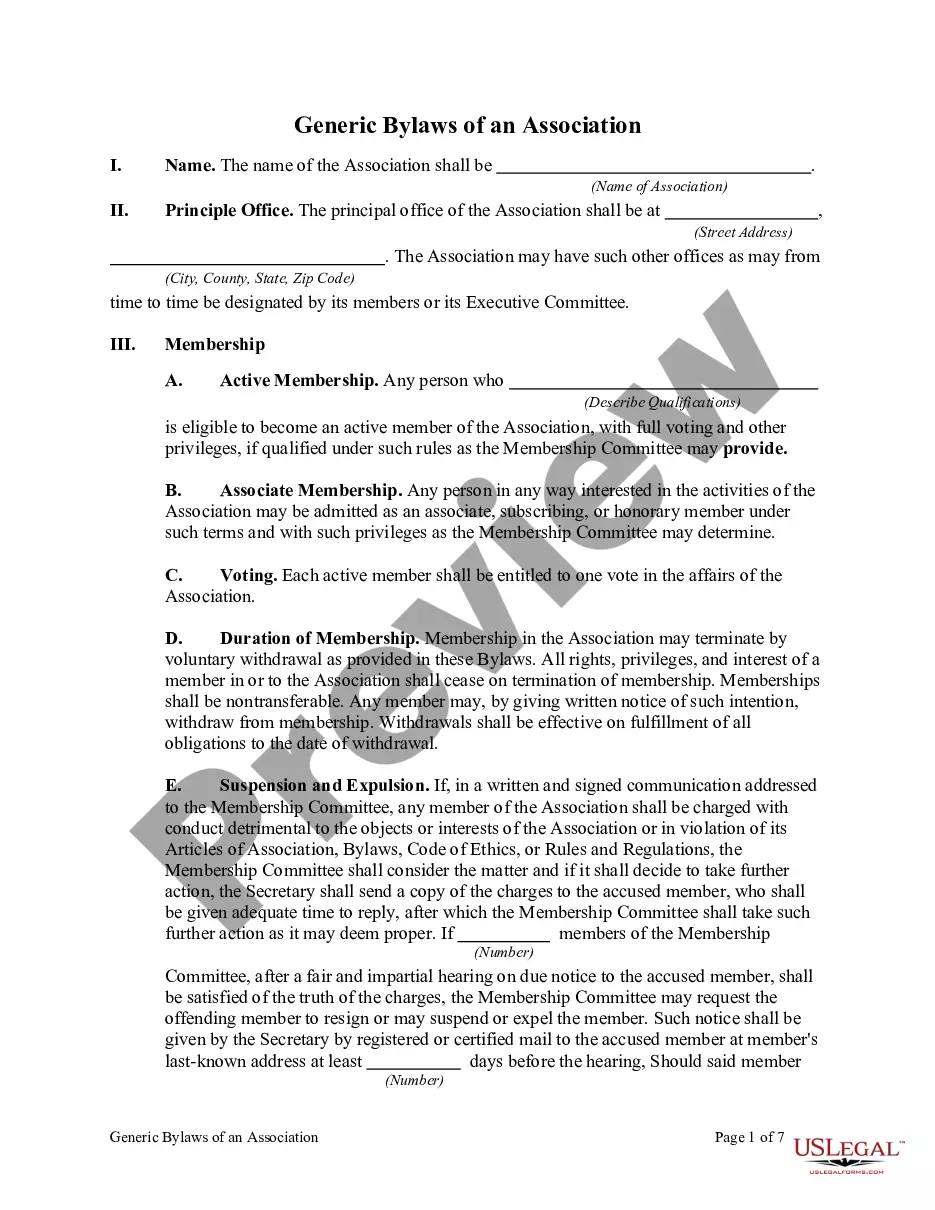

Get your form ready online
Our built-in tools help you complete, sign, share, and store your documents in one place.
Make edits, fill in missing information, and update formatting in US Legal Forms—just like you would in MS Word.
Download a copy, print it, send it by email, or mail it via USPS—whatever works best for your next step.
Sign and collect signatures with our SignNow integration. Send to multiple recipients, set reminders, and more. Go Premium to unlock E-Sign.
If this form requires notarization, complete it online through a secure video call—no need to meet a notary in person or wait for an appointment.
We protect your documents and personal data by following strict security and privacy standards.

Make edits, fill in missing information, and update formatting in US Legal Forms—just like you would in MS Word.

Download a copy, print it, send it by email, or mail it via USPS—whatever works best for your next step.

Sign and collect signatures with our SignNow integration. Send to multiple recipients, set reminders, and more. Go Premium to unlock E-Sign.

If this form requires notarization, complete it online through a secure video call—no need to meet a notary in person or wait for an appointment.

We protect your documents and personal data by following strict security and privacy standards.
Looking for another form?










Form popularity
FAQ
How can a homeowners association be dissolved in Minnesota? Dissolution of a homeowners association in Minnesota requires adherence to the processes outlined in the association's governing documents and compliance with the Minnesota Nonprofit Corporations Act, which may involve a vote by association members.
6 Steps to Amend HOA Bylaws and Covenants Amendment Proposal. The first step consists of a proposal describing the changes to the bylaw or covenant. Discussion Meeting. The board will then discuss the proposed amendment at a board meeting. Give it a Vote. Count the Votes. Amendment Approval. Recording and Effectivity.
Minnesota Nonprofit Corporation Act This legislation oversees nonprofit corporations and sets rules and guidelines on their organizational makeup and procedures. The Minnesota Nonprofit Corporation Act governs the majority of Minnesota HOAs, as most choose to be incorporated as nonprofit corporations.
In general, HOAs and iniums can't refuse owners who have a legitimate request to keep emotional support animals. Under the Fair Housing Act, associations must make reasonable accommodations for homeowners who require ESAs.
Obligations and Protections Under Minnesota Law Overall, MCIOA serves as the legal framework that governs the rights and responsibilities of HOAs and homeowners in Minnesota.
Dissolving an HOA is a complex process that typically requires: A supermajority vote from homeowners. Legal documentation to formally disband the HOA. Settlement of any outstanding debts or obligations.
Yes, if the HOA fails to maintain common areas as required by the governing documents, you may have grounds for a lawsuit. Proper maintenance is often a primary duty of the HOA, and failure to uphold this duty can lead to property damage or safety hazards.
Many HOAs maintain a website where governing documents are posted. To find HOA rules and regulations online: Navigate to the HOA's official website. Look for sections labeled “Documents,” “Governing Documents,” or “Rules and Regulations.”
