Bylaws For Nonprofit Template In Hennepin
Description


Get your form ready online
Our built-in tools help you complete, sign, share, and store your documents in one place.
Make edits, fill in missing information, and update formatting in US Legal Forms—just like you would in MS Word.
Download a copy, print it, send it by email, or mail it via USPS—whatever works best for your next step.
Sign and collect signatures with our SignNow integration. Send to multiple recipients, set reminders, and more. Go Premium to unlock E-Sign.
If this form requires notarization, complete it online through a secure video call—no need to meet a notary in person or wait for an appointment.
We protect your documents and personal data by following strict security and privacy standards.

Make edits, fill in missing information, and update formatting in US Legal Forms—just like you would in MS Word.

Download a copy, print it, send it by email, or mail it via USPS—whatever works best for your next step.

Sign and collect signatures with our SignNow integration. Send to multiple recipients, set reminders, and more. Go Premium to unlock E-Sign.

If this form requires notarization, complete it online through a secure video call—no need to meet a notary in person or wait for an appointment.

We protect your documents and personal data by following strict security and privacy standards.
Looking for another form?

Form popularity
FAQ
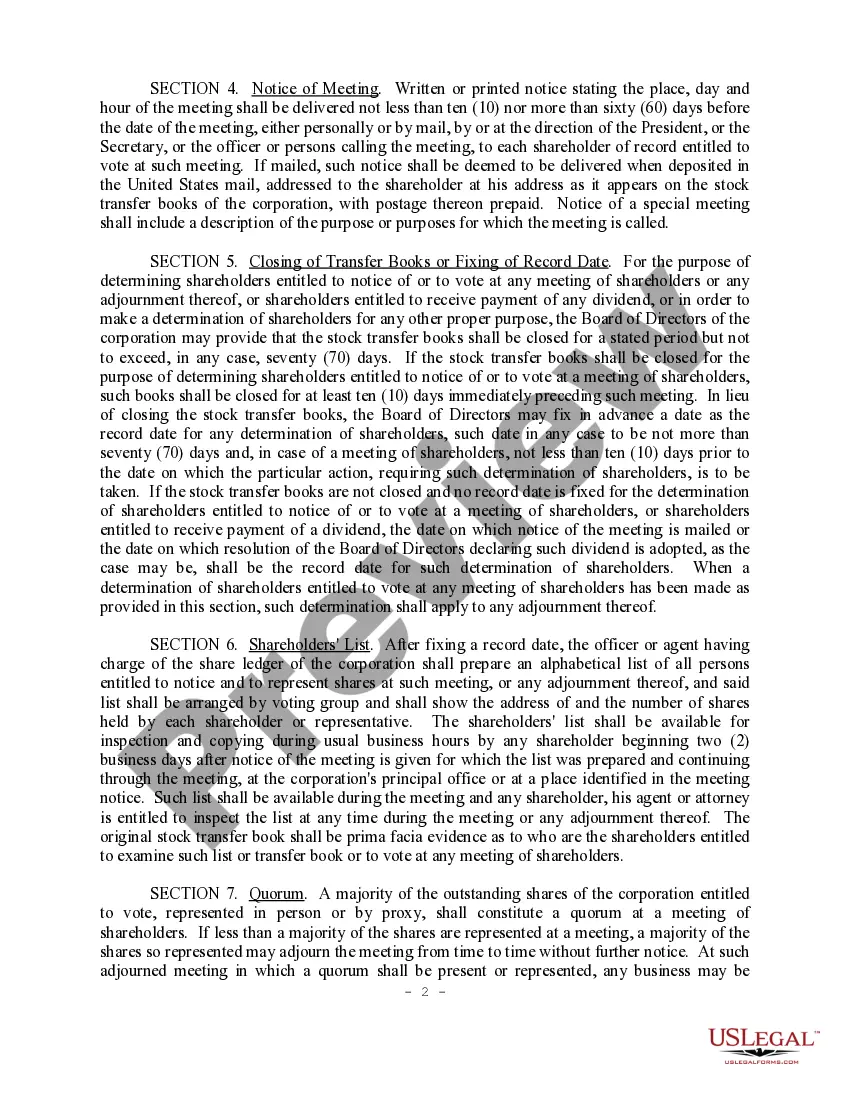
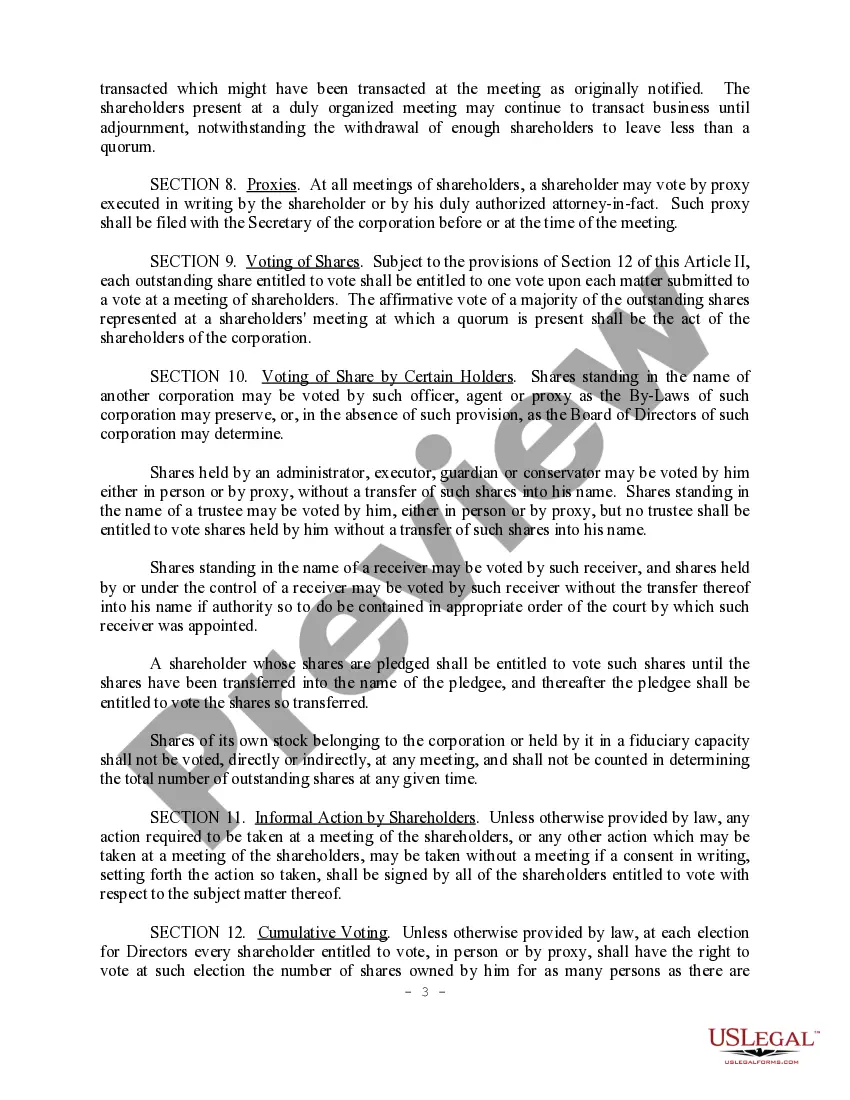
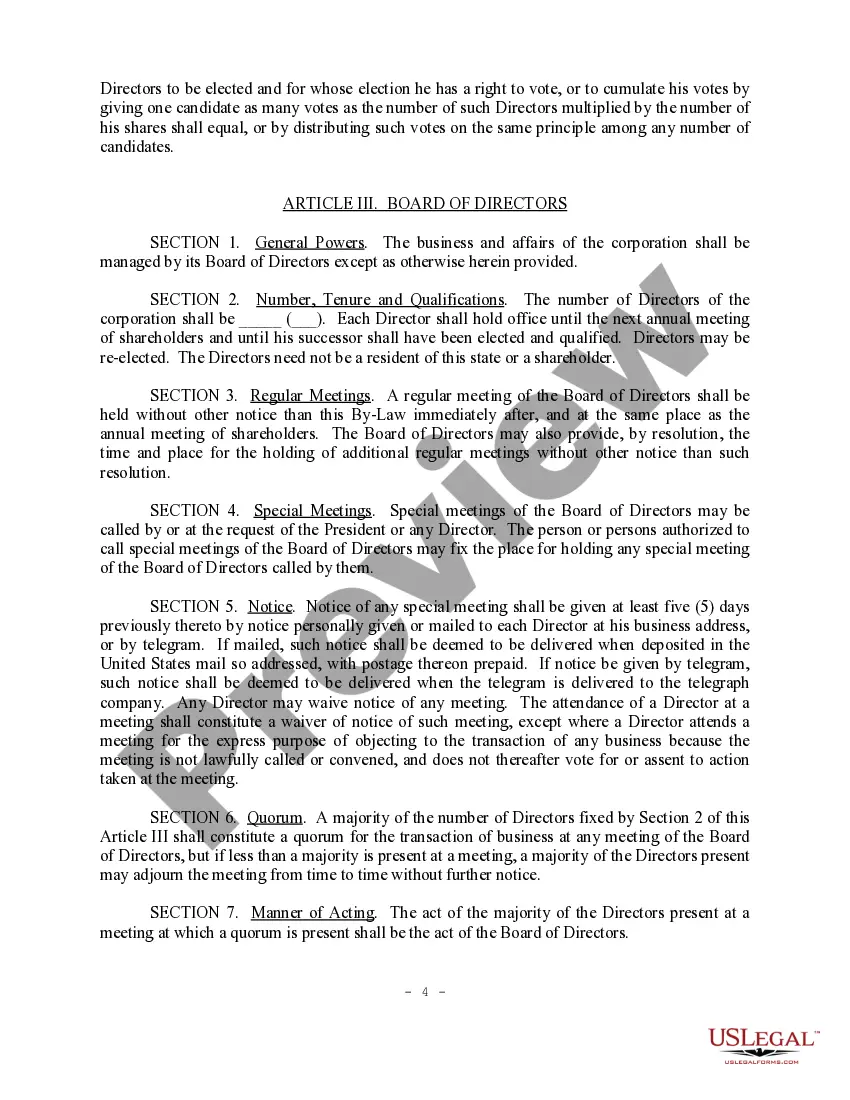
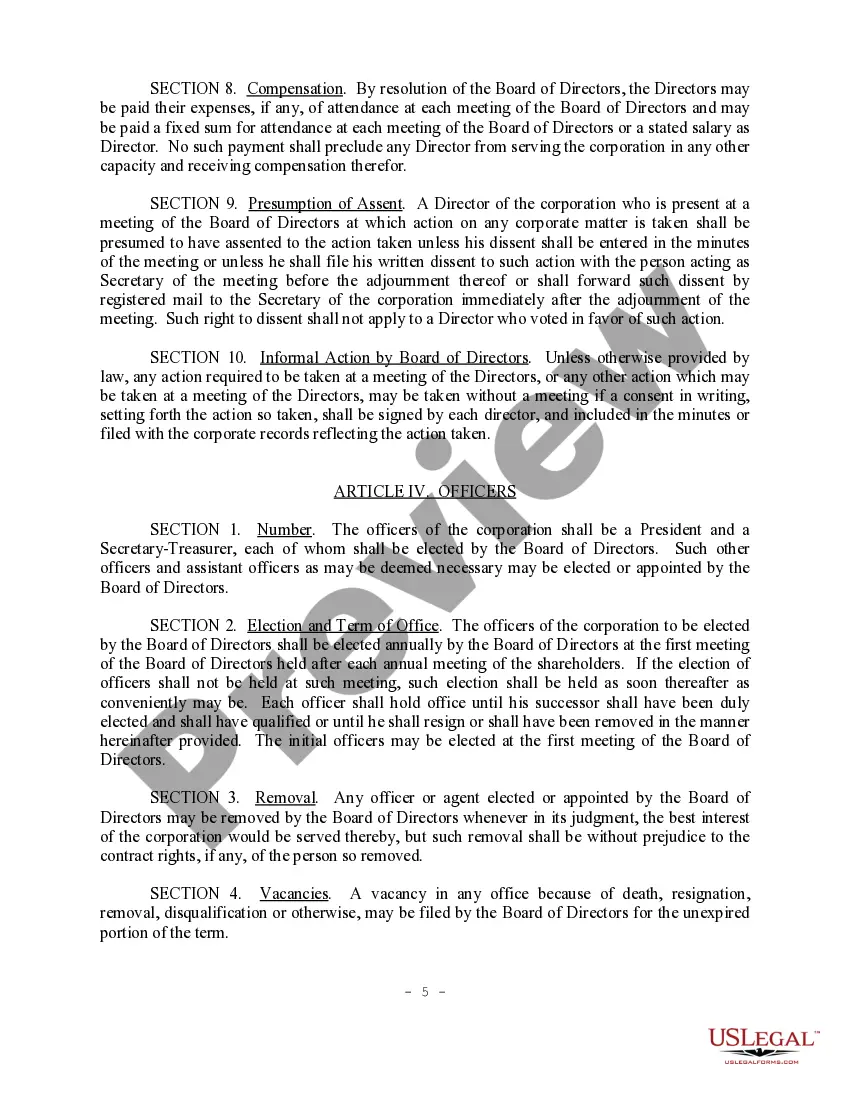
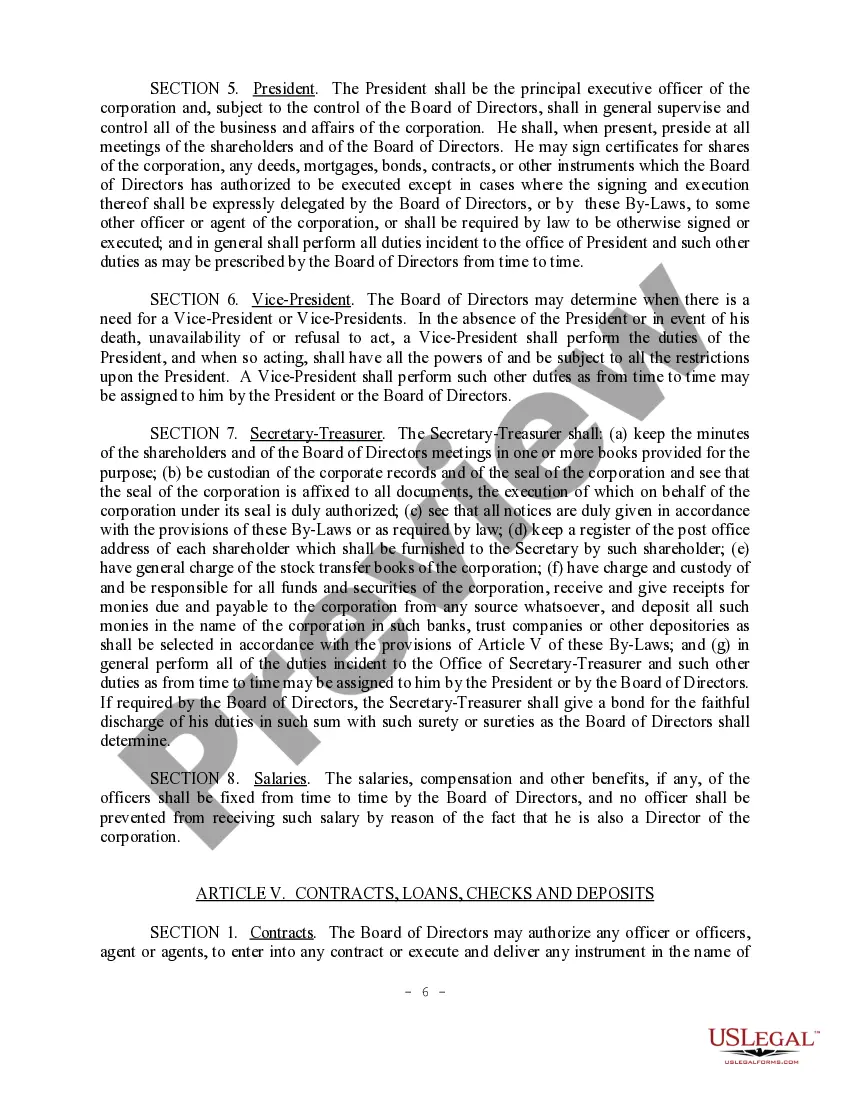
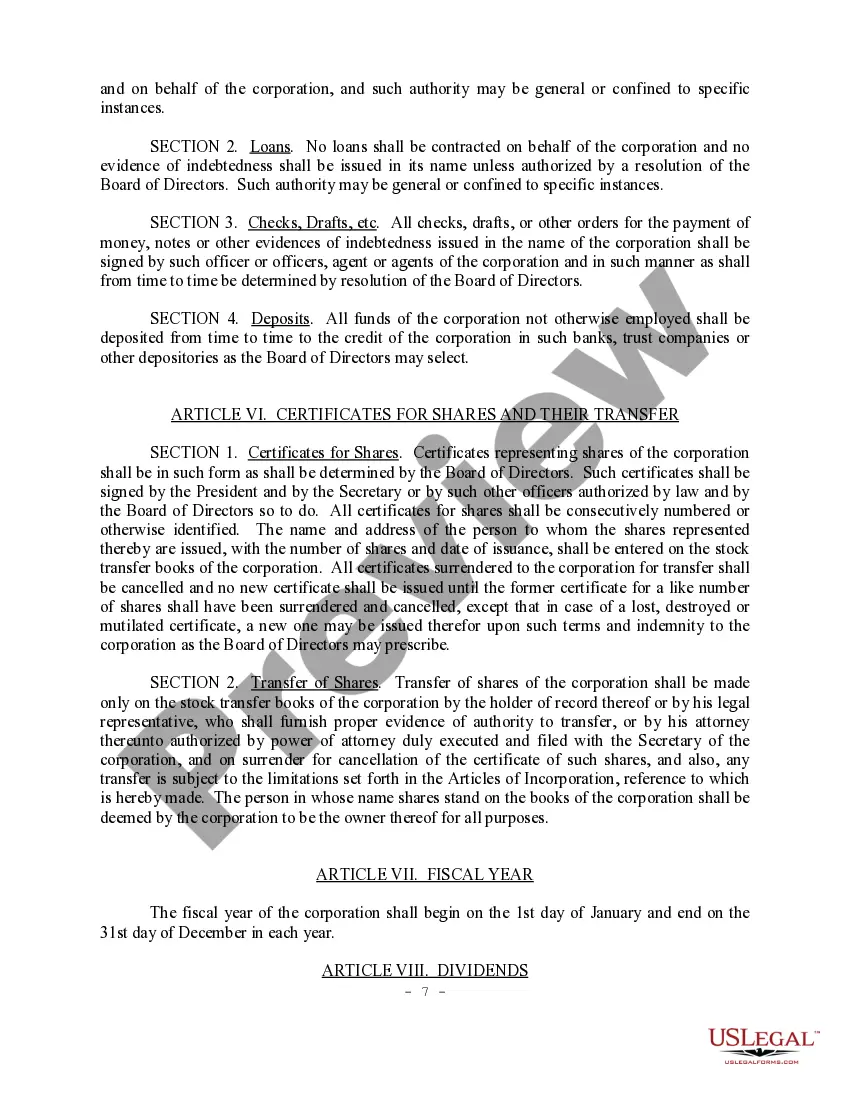
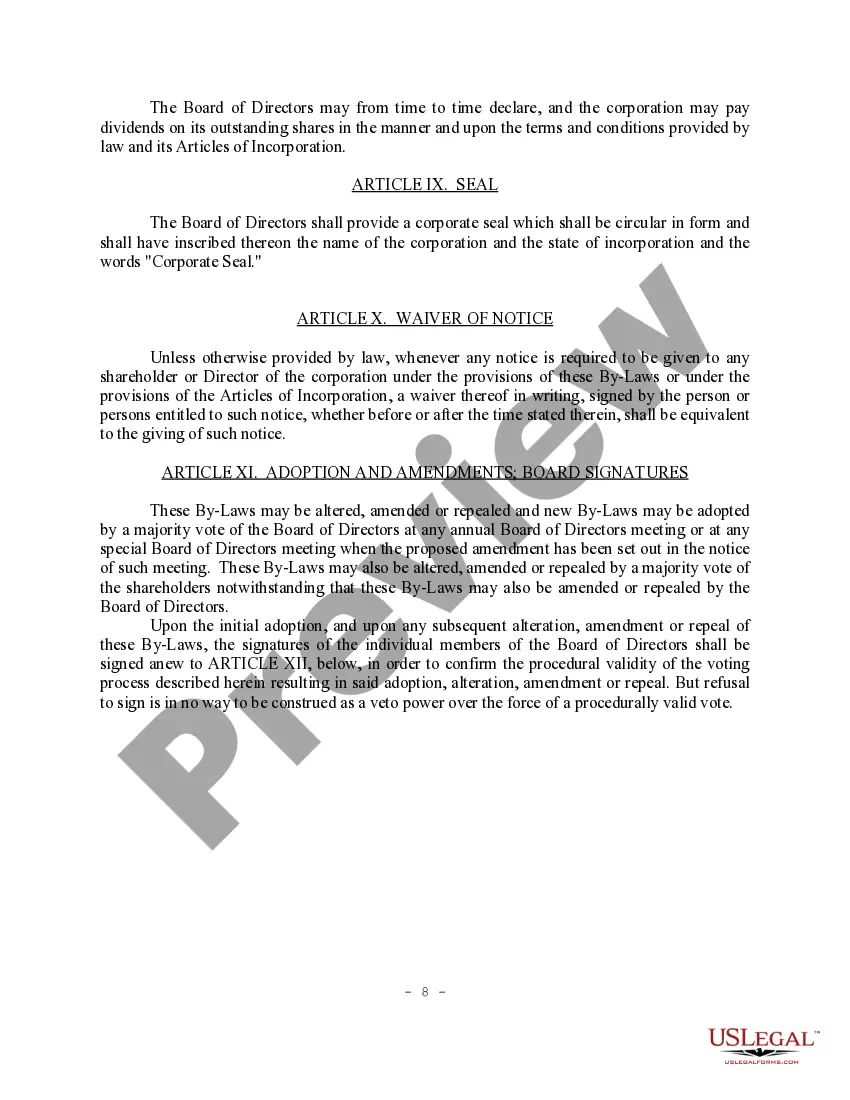
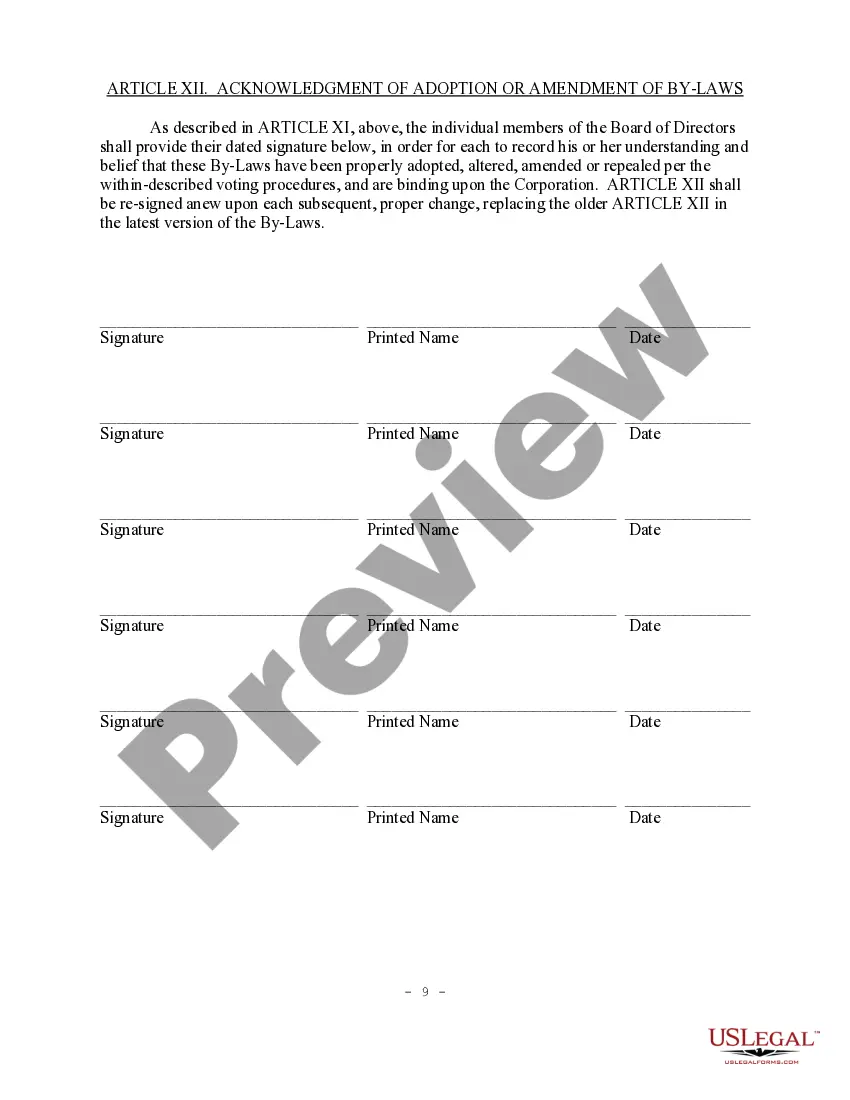
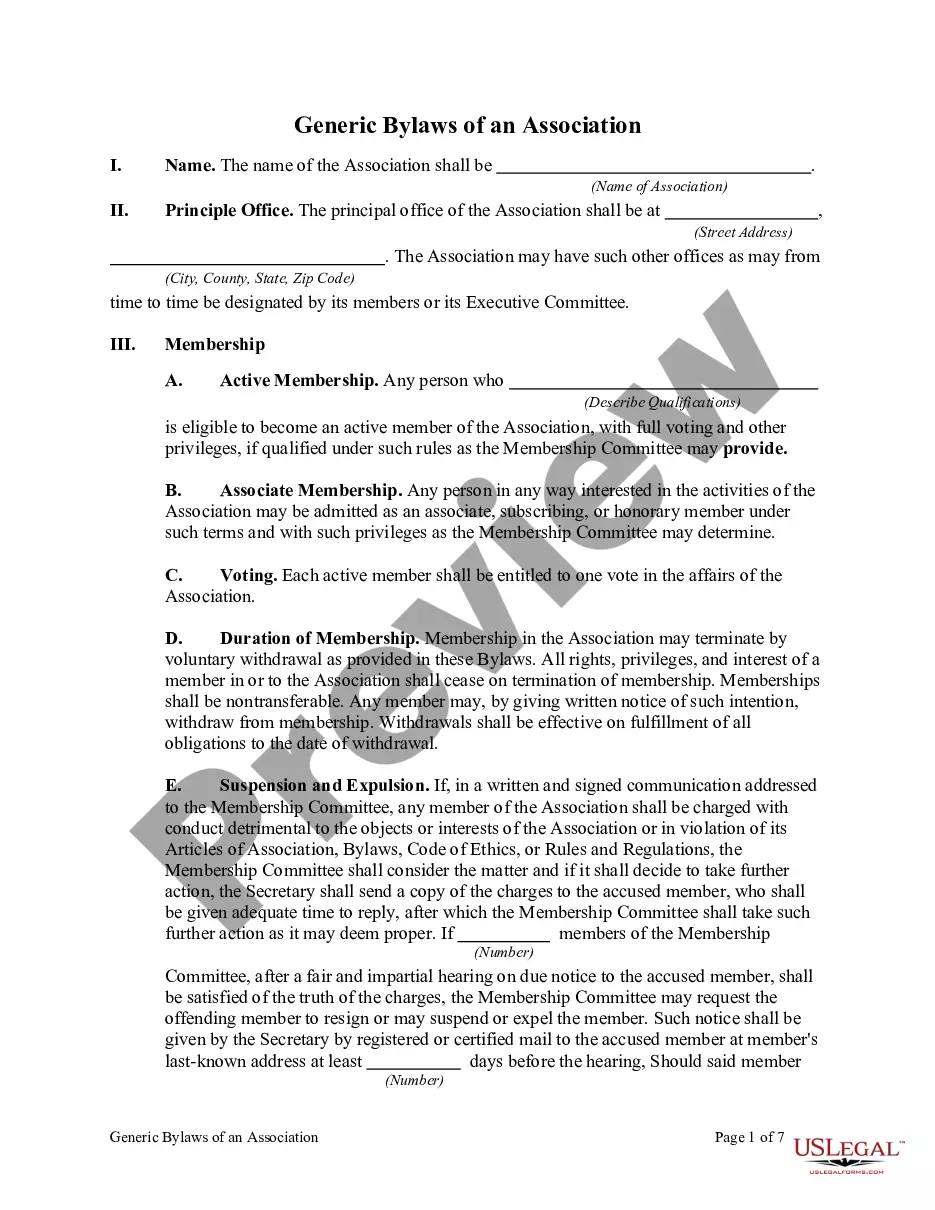
Minnesota corporate bylaws are rules that define a corporation's internal structure and daily operations. They allow the first board of directors or the incorporators to nominate officers and identify their liabilities, duties, and rights within the corporation.
Traditionally, when starting a nonprofit, the best choice for legal structure is to form a nonprofit corporation at the state level and to apply for 501(c)(3) tax exemption at the federal level.
Limited Liability Protection: One of the main reasons businesses choose the LLC structure is to protect the personal assets of the owners. In the event of a lawsuit or bankruptcy, the personal assets of members are generally protected.
Minnesota. The IRS lists 40,425 active tax-exempt organizations operating in Minnesota, including 31,247 501(c)(3)s, to which you can make a tax-deductible donation. Minnesota nonprofit organizations reported $105 billion in revenue on their most recent tax filings.
How to Start a Nonprofit in Minnesota Name Your Organization. Recruit Incorporators and Initial Directors. Appoint a Registered Agent. Prepare and File Articles of Incorporation. File Initial Report. Obtain an Employer Identification Number (EIN) ... Store Nonprofit Records. Establish Initial Governing Documents and Policies.
1101. A limited liability company is a nonprofit limited liability company if it is organized under or governed by this chapter and its articles of organization state that it is a nonprofit limited liability company governed by this section. Article V – Organizers (Required) Only one organizer is required.
The Charities Division of the Office of the Minnesota Attorney General handles many issues regarding nonprofit organizations.
How to Write Nonprofit Bylaws in 7 Simple Steps Decide Whose Responsibility it is. Research Bylaw Requirements for Your Type of Nonprofit. Create a First Draft. Review Your Draft Internally. Manage the Scope of What's Included. Get a Professional Opinion. Review Review Review! ... Are nonprofit bylaws public record?
Steps for Finding Nonprofit Bylaws: Search IRS databases, request from the nonprofit directly, or check state nonprofit registries. Understanding Bylaws' Importance: Bylaws dictate governance, structure, and compliance for nonprofit operations.
