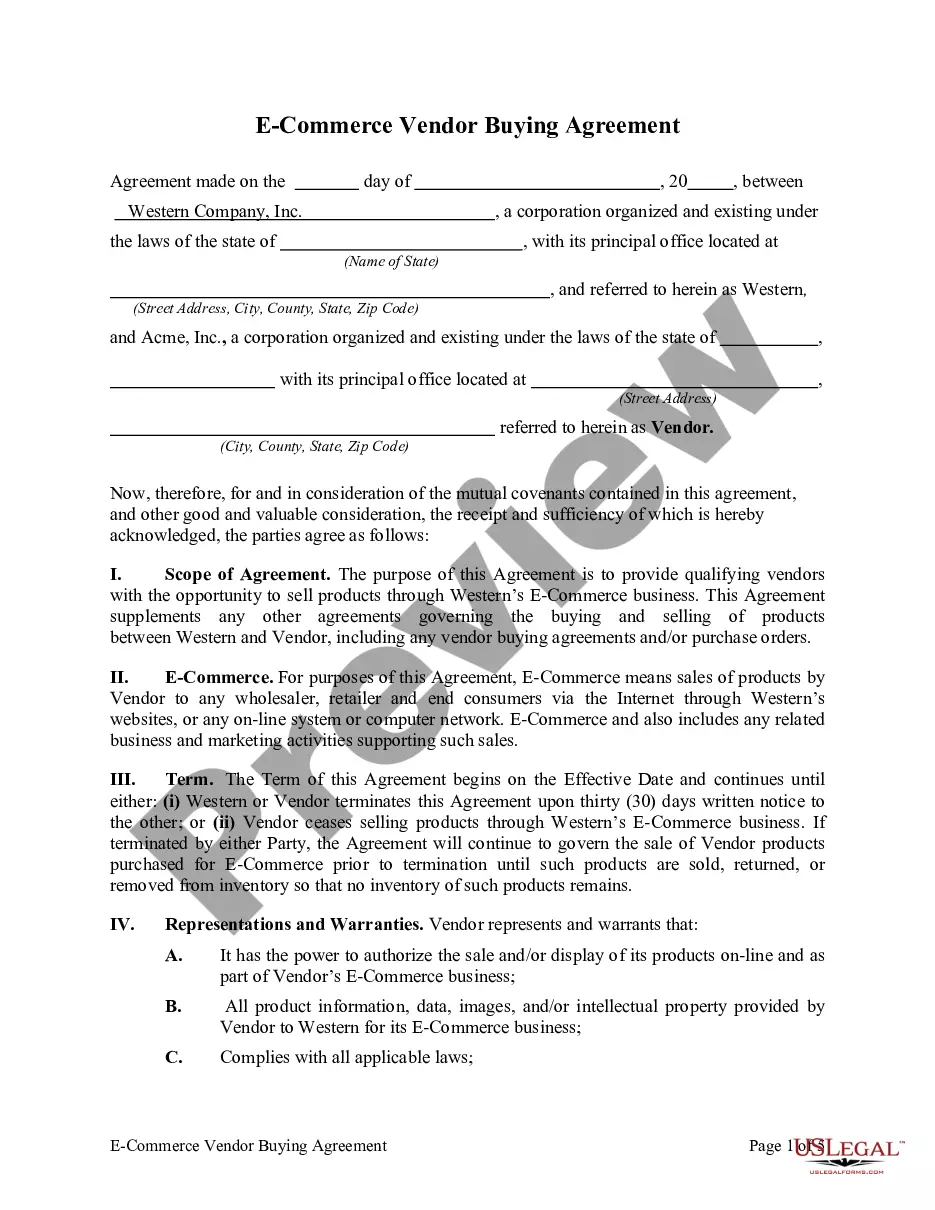
Company Bylaws For Llc In Harris
Description











Get your form ready online
Our built-in tools help you complete, sign, share, and store your documents in one place.
Make edits, fill in missing information, and update formatting in US Legal Forms—just like you would in MS Word.
Download a copy, print it, send it by email, or mail it via USPS—whatever works best for your next step.
Sign and collect signatures with our SignNow integration. Send to multiple recipients, set reminders, and more. Go Premium to unlock E-Sign.
If this form requires notarization, complete it online through a secure video call—no need to meet a notary in person or wait for an appointment.
We protect your documents and personal data by following strict security and privacy standards.

Make edits, fill in missing information, and update formatting in US Legal Forms—just like you would in MS Word.

Download a copy, print it, send it by email, or mail it via USPS—whatever works best for your next step.

Sign and collect signatures with our SignNow integration. Send to multiple recipients, set reminders, and more. Go Premium to unlock E-Sign.

If this form requires notarization, complete it online through a secure video call—no need to meet a notary in person or wait for an appointment.

We protect your documents and personal data by following strict security and privacy standards.
Looking for another form?



Form popularity
FAQ
Steps to Forming a Texas LLC Step 1: Craft a Distinctive Name. Step 2: Appoint a Reliable Registered Agent. Step 3: File the Certificate of Formation (Form 205) Step 4: Develop a Comprehensive Operating Agreement. Step 5: Obtain an Employer Identification Number (EIN) Step 6: Secure Necessary Permits and Licenses.
Corporate bylaws are legally required in Texas. Don't mess with Texas—skipping this step could have serious consequences.
The Texas single-member LLC (SMLLC) is the most popular entity choice for businesses with one owner. In this article, we'll outline the advantages, disadvantages, costs, taxation, annual maintenance, etc.
In the US, they're typically created during the incorporation process and detail how decisions get made, who has the authority to make them, and how the company operates. Bylaws give the corporation structure and direction and help avoid confusion or conflict in the future.
General Business License The State of Texas does not require a general license. All entities that transact business in Texas are required to register with the Texas Secretary of State or county clerk's office.
Numerous businesses and professions do not require licenses, such as freelance writing, web design, crafting, and hobby breeding. Some fields, like app development and consulting, offer high earning potential without needing formal licensure.
Businesses selling tangible personal property or taxable services will need to obtain a sales and use tax permit from the Texas Comptroller of Public Accounts. Businesses may also have to register with the Secretary of State and file an annual franchise tax report.
General Business License The State of Texas does not require a general license. All entities that transact business in Texas are required to register with the Texas Secretary of State or county clerk's office.
The Texas single-member LLC (SMLLC) is the most popular entity choice for businesses with one owner. In this article, we'll outline the advantages, disadvantages, costs, taxation, annual maintenance, etc.
There are 8 simple steps to starting an LLC in Texas: Step 1: Name Your Texas LLC. Step 2: Designate a Registered Agent. Step 3: File Articles of Organization (or similar document) ... Step 4: Receive a Certificate From the State. Step 5: Create an Operating Agreement. Step 6: Get an Employer Identification Number.