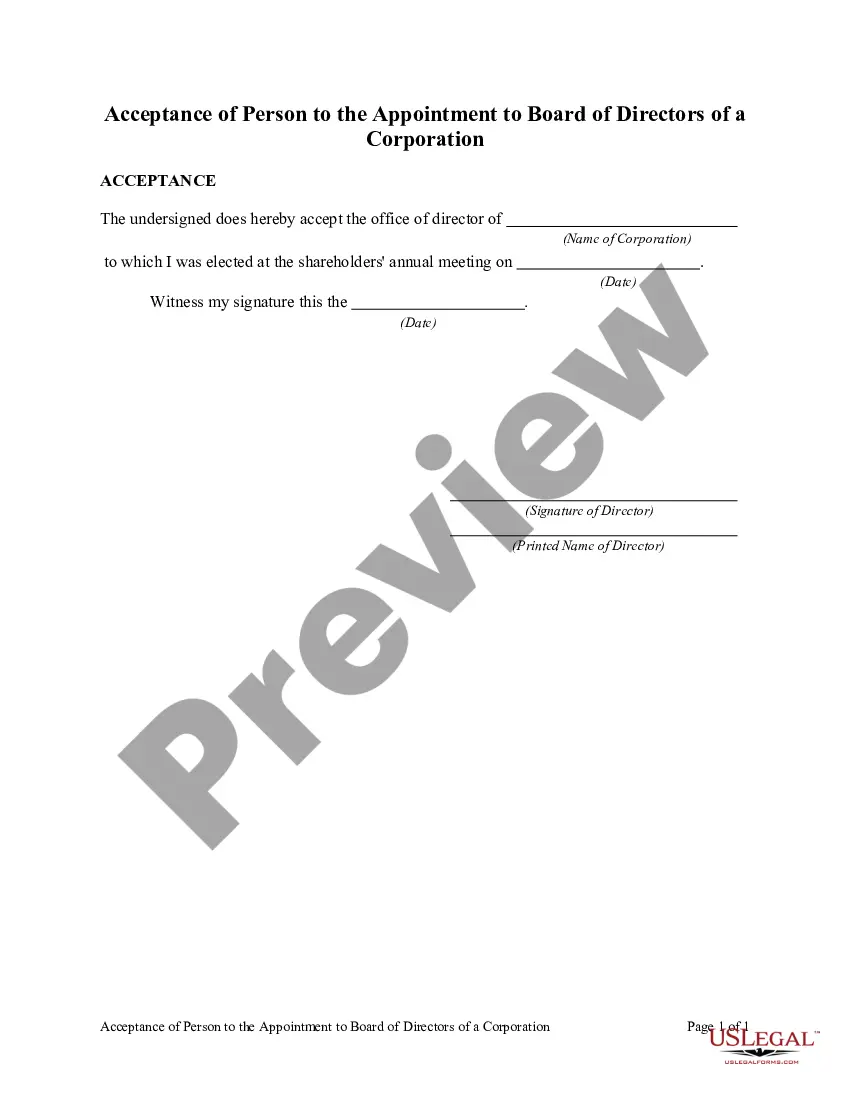
Hoa Bylaws Template For Regulations In Georgia
Description











Get your form ready online
Our built-in tools help you complete, sign, share, and store your documents in one place.
Make edits, fill in missing information, and update formatting in US Legal Forms—just like you would in MS Word.
Download a copy, print it, send it by email, or mail it via USPS—whatever works best for your next step.
Sign and collect signatures with our SignNow integration. Send to multiple recipients, set reminders, and more. Go Premium to unlock E-Sign.
If this form requires notarization, complete it online through a secure video call—no need to meet a notary in person or wait for an appointment.
We protect your documents and personal data by following strict security and privacy standards.

Make edits, fill in missing information, and update formatting in US Legal Forms—just like you would in MS Word.

Download a copy, print it, send it by email, or mail it via USPS—whatever works best for your next step.

Sign and collect signatures with our SignNow integration. Send to multiple recipients, set reminders, and more. Go Premium to unlock E-Sign.

If this form requires notarization, complete it online through a secure video call—no need to meet a notary in person or wait for an appointment.

We protect your documents and personal data by following strict security and privacy standards.
Looking for another form?









Form popularity
FAQ
6 Steps to Amend HOA Bylaws and Covenants Amendment Proposal. The first step consists of a proposal describing the changes to the bylaw or covenant. Discussion Meeting. The board will then discuss the proposed amendment at a board meeting. Give it a Vote. Count the Votes. Amendment Approval. Recording and Effectivity.
Ing to Georgia statutes, HOA membership must approve any amendments by two-thirds of the votes cast or a majority of the voting power, whichever is less. Each parcel gets one vote. This means that if every property owner votes, a simple majority is needed to pass the revisions.
Who regulates homeowners' associations in Georgia? Title 44, Chapter 3, Article 6 of the Georgia Code, governs community associations in Georgia. This act, which is known as the Property Owners' Associations Act, governs a community of homeowners who have the responsibility of repairing and maintaining shared areas.
Statute of Limitations The HOA or COA must initiate an action to enforce the lien within four years after the assessment or installment first became due. Otherwise, the lien will lapse and won't be effective. (Ga. Code § 44-3-232(c), § 44-3-109(c)).
The Property Owners' Association Act oversees the creation, management, authority, and functions of the HOAs in Georgia. It's important to note here that associations can be formed under the POAA or using common law principles. In such cases, this act will not apply.
Also, for the decisions made by an HOA, except for the cases provided for by Article 7(4) of this Law, the HOA members shall be liable, personally and jointly, in proportion to their share in the common property of HOA members.
Georgia Recorded Documents Search - Visit your county recorder's office to find an association's Declaration of Covenants, Conditions, and Restrictions (CC&Rs), Amendments to CC&Rs, Bylaws, Lien Notices, HOA Notices, Plats, Maps, and other community documents.
While HOAs offer a structured and well-maintained environment, they can be restrictive and costly. On the other hand, POAs provide more flexibility and community involvement but may have fewer amenities and a less uniform appearance.
In addition to filing a complaint with a federal or state court, homeowners may use one of the following to take action against a homeowners' association in Georgia: Federal Trade Commission. Georgia Consumer Protection Division. Consumer Financial Protection Bureau.