Hoa Rules For Potted Plants In Cuyahoga
Description


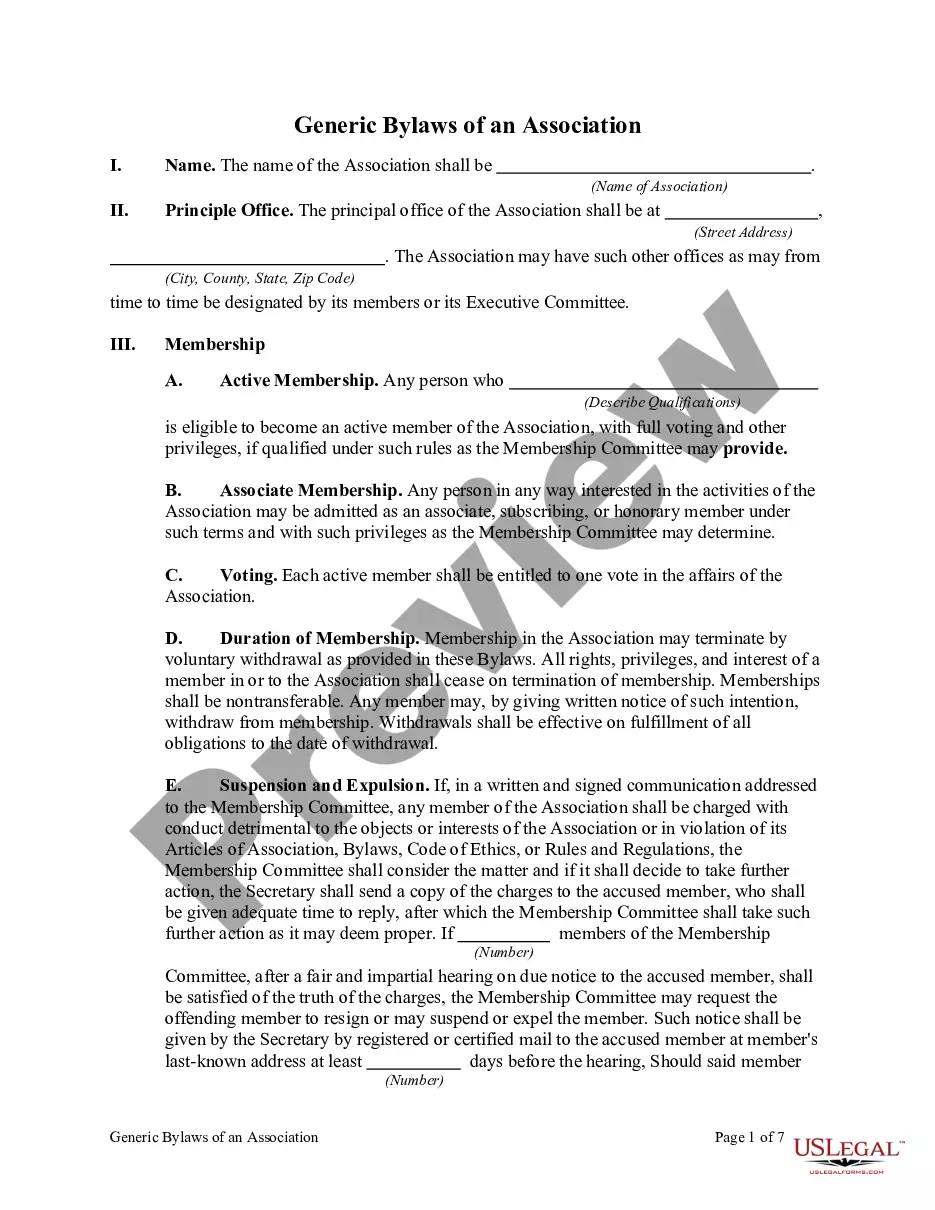
Get your form ready online
Our built-in tools help you complete, sign, share, and store your documents in one place.
Make edits, fill in missing information, and update formatting in US Legal Forms—just like you would in MS Word.
Download a copy, print it, send it by email, or mail it via USPS—whatever works best for your next step.
Sign and collect signatures with our SignNow integration. Send to multiple recipients, set reminders, and more. Go Premium to unlock E-Sign.
If this form requires notarization, complete it online through a secure video call—no need to meet a notary in person or wait for an appointment.
We protect your documents and personal data by following strict security and privacy standards.

Make edits, fill in missing information, and update formatting in US Legal Forms—just like you would in MS Word.

Download a copy, print it, send it by email, or mail it via USPS—whatever works best for your next step.

Sign and collect signatures with our SignNow integration. Send to multiple recipients, set reminders, and more. Go Premium to unlock E-Sign.

If this form requires notarization, complete it online through a secure video call—no need to meet a notary in person or wait for an appointment.

We protect your documents and personal data by following strict security and privacy standards.
Looking for another form?









Form popularity
FAQ
How to Plant in a Pot Step 1: gather your plant(s), potting soil & container. Step 2: layer the bottom of the container with soil, leave enough room for the plant(s) Step 3: remove the plant(s) from their original containers. Step 4: disturb the roots a little, this will help them grow better.
Besides soil, consider using sand, small aquarium pebbles, marbles, or even glass beads. The idea is to add enough volume or weight to your planter to stabilize the arrangement.
How to Improve Plant Drainage. All in all, Hancock confirms that it's not necessary to put anything, especially rocks, at the bottom of your planter. Filling it with potting mix is all you need for most potted plants, just make sure the pot is large enough and the soil layer is tall enough.
Fill 1-2'' inches at the bottom of your pot evenly with rocks. You can use gravel, landscape stones or smaller stones. This is where the excess water will go in your container, to keep it away from the roots. Plants hate having their roots sitting in soggy soil. (Imagine going to bed with wet socks on, ugh!)
Ideally, you would fill the entire pot with a soil that holds no or nearly no excess (perched) water. If you can't do that, then ballast and/or wicks are the best bet.
Layering: Add depth and dimension to your arrangement by strategically placing taller large pots of tall plants at the back or center, medium-sized plants in the middle, and trailing or low-growing plants in small containers towards the front or edges.
A solution: Fill the bottom of the planter with inorganic material that will take up space (eg empty water or pop bottles, with the lids on), and then just fill the top with soil.
Plants typically need to be repotted every 12 to 18 months, depending on how actively they are growing. Some slow growers can call the same pot home for years, but will just require a soil replenishment. Spring, before the start of the growth season, is usually the best time to re-pot your houseplants.
All house plants benefit from going outside during the spring and/or summer. If you can do this do. Plants will build up energy that they will never get inside your house. Light and humidity are nonexistent inside and plants need these.
Most houseplants will need re-potted every 12-18 months (with the exceptions of succulents and cacti). You definitely want to avoid repotting a plant immediately after bringing it home from the plant shop. Allow time for your new plant to adjust to its new surrounds, temperatures and humidity.