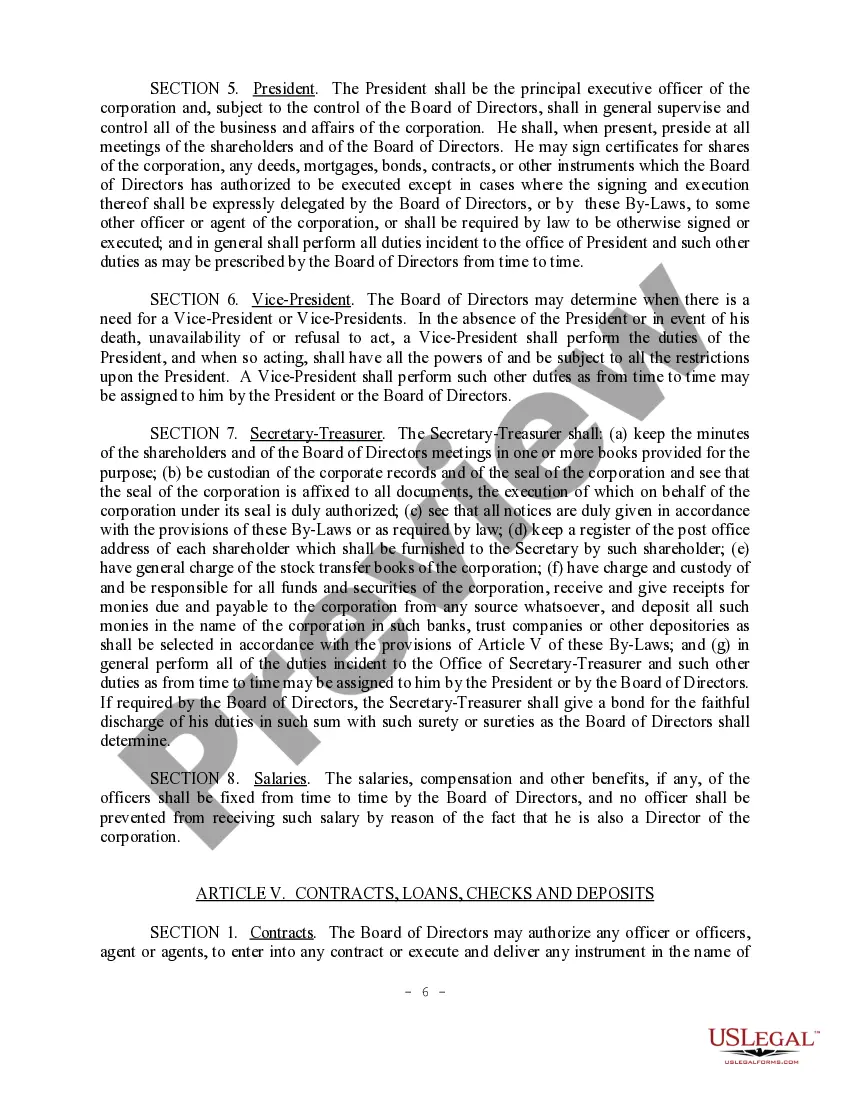
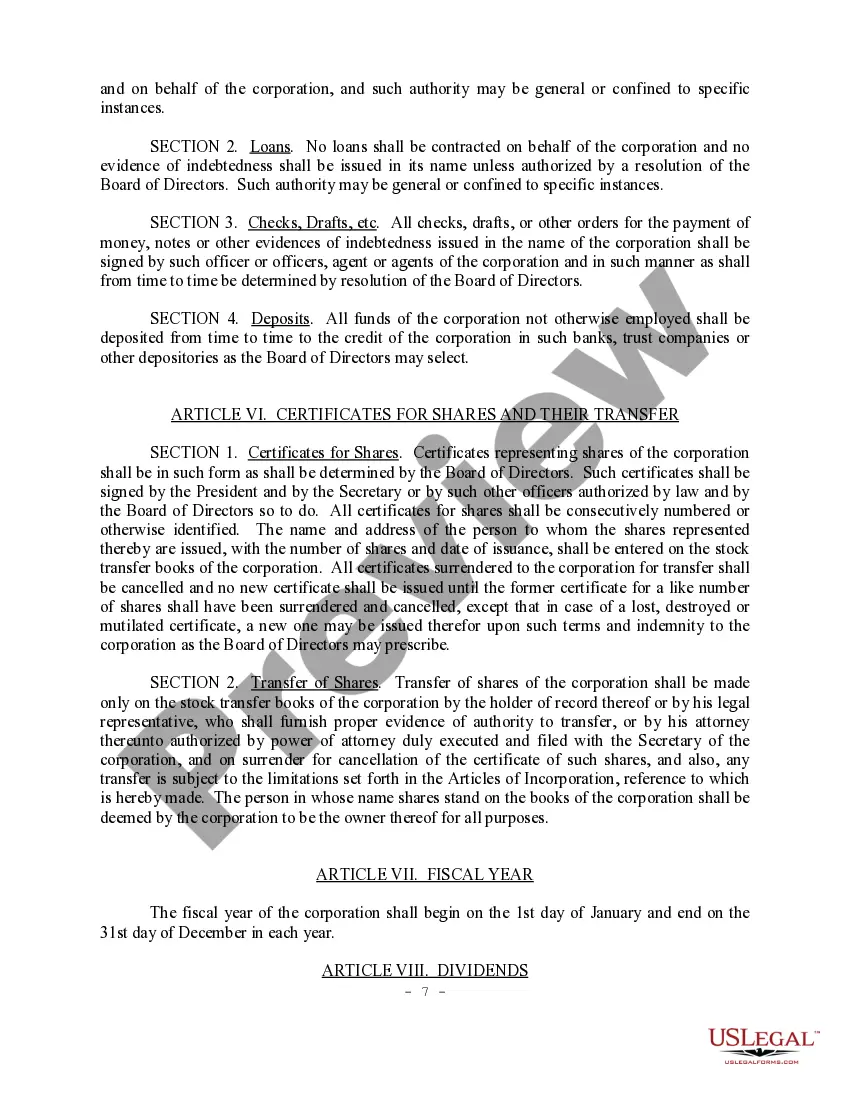
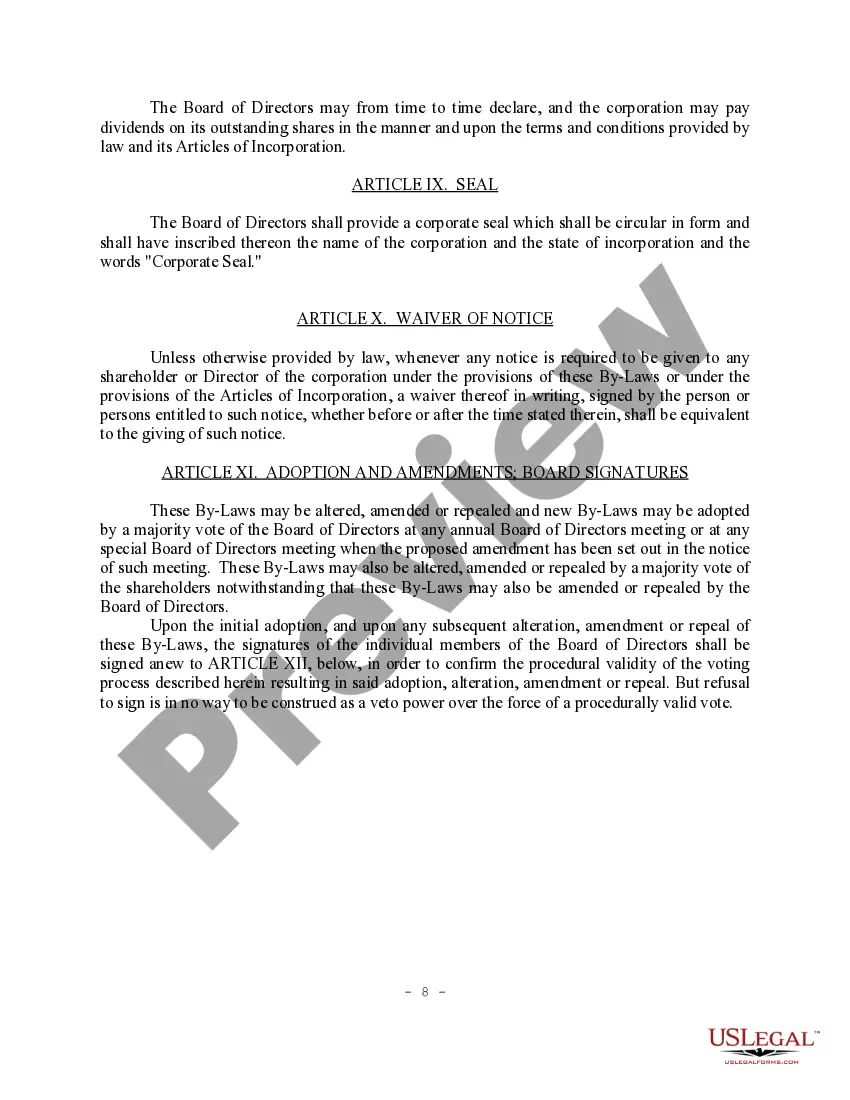
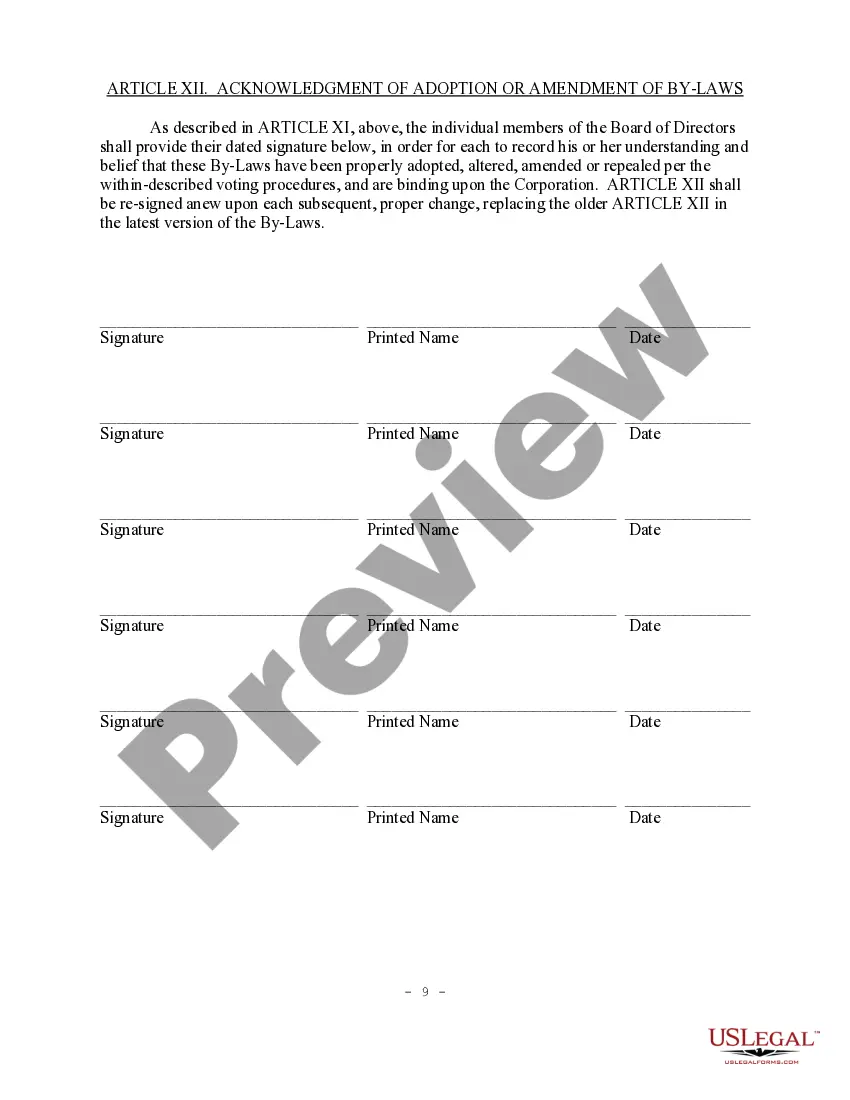
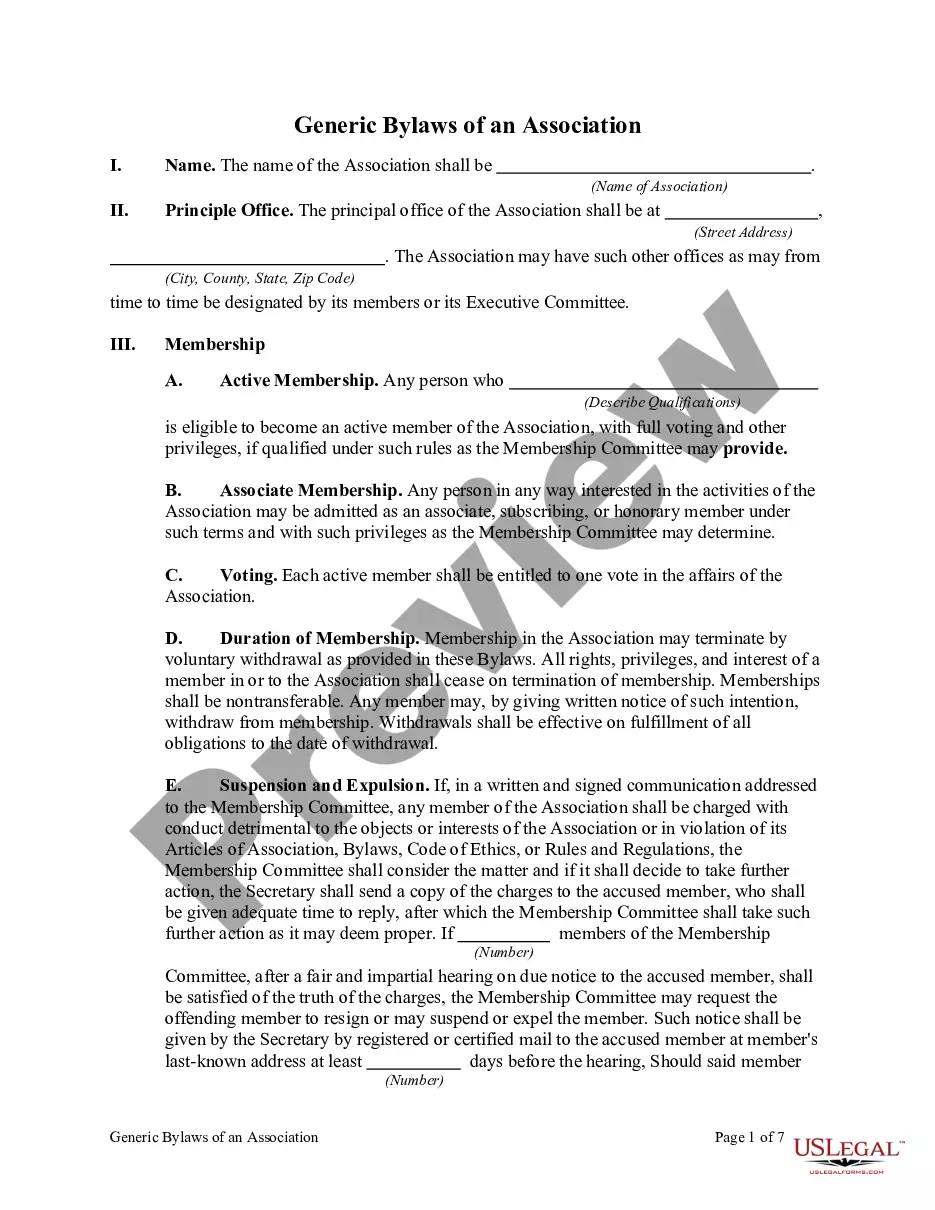
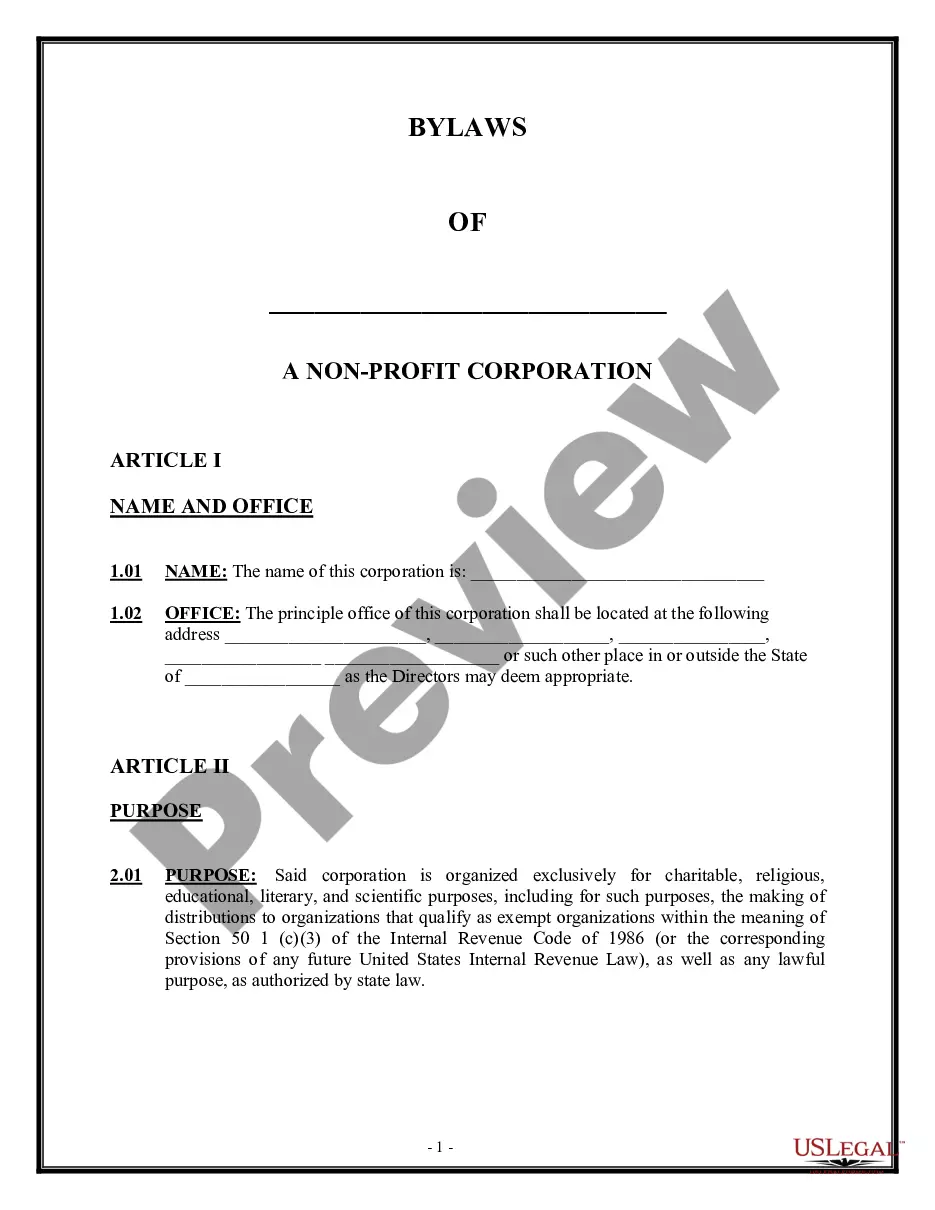
Hoa Bylaws In Florida In Arizona
Description

Get your form ready online
Our built-in tools help you complete, sign, share, and store your documents in one place.
Make edits, fill in missing information, and update formatting in US Legal Forms—just like you would in MS Word.
Download a copy, print it, send it by email, or mail it via USPS—whatever works best for your next step.
Sign and collect signatures with our SignNow integration. Send to multiple recipients, set reminders, and more. Go Premium to unlock E-Sign.
If this form requires notarization, complete it online through a secure video call—no need to meet a notary in person or wait for an appointment.
We protect your documents and personal data by following strict security and privacy standards.

Make edits, fill in missing information, and update formatting in US Legal Forms—just like you would in MS Word.

Download a copy, print it, send it by email, or mail it via USPS—whatever works best for your next step.

Sign and collect signatures with our SignNow integration. Send to multiple recipients, set reminders, and more. Go Premium to unlock E-Sign.

If this form requires notarization, complete it online through a secure video call—no need to meet a notary in person or wait for an appointment.

We protect your documents and personal data by following strict security and privacy standards.
Looking for another form?








Form popularity
FAQ
Lien Process Limitations: In Arizona, an HOA cannot foreclose on a home solely for unpaid fines (Arizona Revised Statutes 33-1807). While unpaid fines can lead to legal action or liens on the property, foreclosure is only permitted for unpaid assessments (like maintenance fees or dues), not fines alone.
A quorum of the board should not be using email to discuss or make decisions on association business, and the use of unanimous consent in lieu of board meeting is potentially subject to legal challenge.
Copies of the Articles of Incorporation and bylaws of the homeowners association can be obtained from the Florida Department of State, Division of Corporations. Copies of the governing documents may also be obtained directly from the homeowners association.
The Florida Homeowners' Association Act, Chapter 720 of the Florida Statutes, states that amendments to “governing documents” for homeowners' associations are not effective until they are recorded in the public records of the county in which the community is located.
Generally, it is the laws that were in effect at the time the HOA documents were recorded. Your HOA documents are contracts between the HOA and its members so new laws cannot, generally, be applied retroactively to override them.
Here are some of the documents you can ask for as a homeowner: CC&Rs: The covenants, conditions and restrictions (CC&Rs) outline the rules and regulations of the community. Bylaws: The bylaws establish operational procedures for the HOA, like voting rights, elections, meetings, powers of the board, and more.
An HOA does not have the power to evict homeowners from their homes. However, an HOA can take legal action against a homeowner who violates the community's bylaws or CC&Rs (Covenants, Conditions, and Restrictions), which can result in fines or in extreme cases, foreclosure.
A proper HOA request letter should include: Clear headers with date and contact information. The property address and owner details. A specific subject line identifying the request type. A concise project description. Relevant timeline and completion dates. Supporting documentation references.
Iniums are primarily governed by Florida Statutes, the inium's governing documents (declaration, by-laws, articles of incorporation), and their rules and regulations. Generally, declarations supersede all other governing documents.
