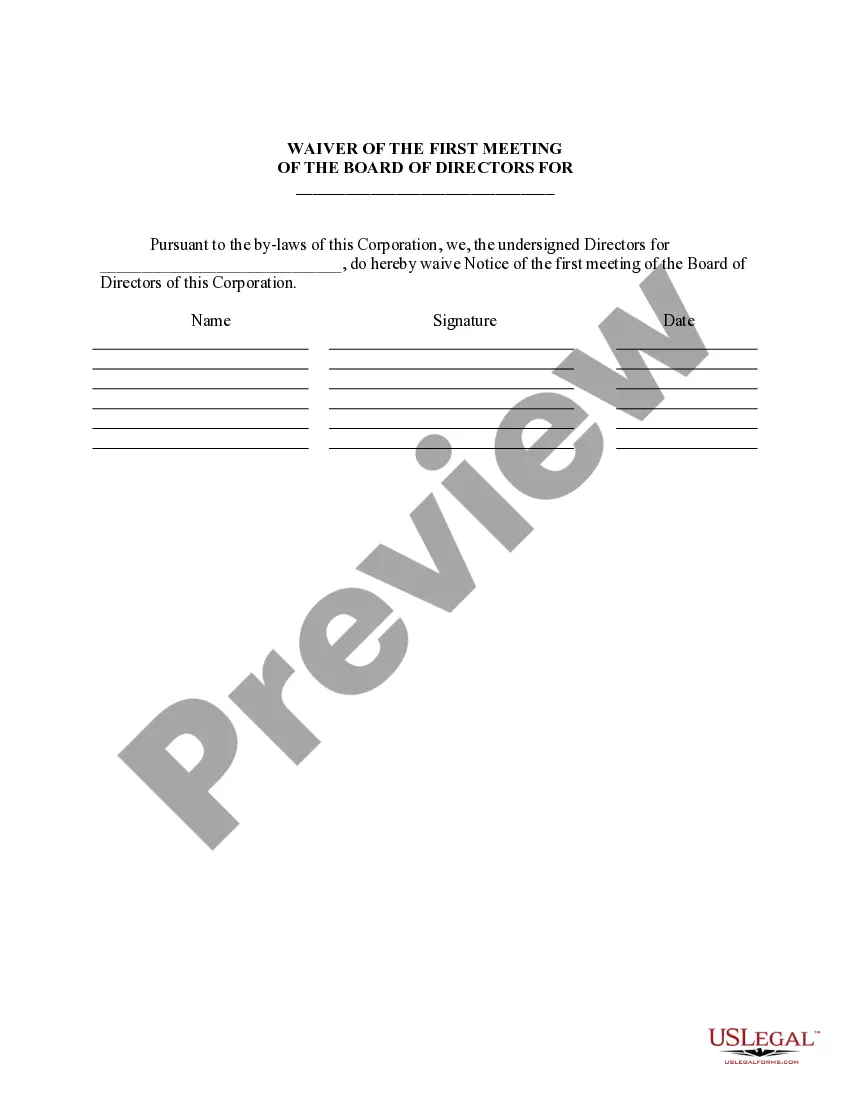
Hoa Rules For Plants In Allegheny
Description











Get your form ready online
Our built-in tools help you complete, sign, share, and store your documents in one place.
Make edits, fill in missing information, and update formatting in US Legal Forms—just like you would in MS Word.
Download a copy, print it, send it by email, or mail it via USPS—whatever works best for your next step.
Sign and collect signatures with our SignNow integration. Send to multiple recipients, set reminders, and more. Go Premium to unlock E-Sign.
If this form requires notarization, complete it online through a secure video call—no need to meet a notary in person or wait for an appointment.
We protect your documents and personal data by following strict security and privacy standards.

Make edits, fill in missing information, and update formatting in US Legal Forms—just like you would in MS Word.

Download a copy, print it, send it by email, or mail it via USPS—whatever works best for your next step.

Sign and collect signatures with our SignNow integration. Send to multiple recipients, set reminders, and more. Go Premium to unlock E-Sign.

If this form requires notarization, complete it online through a secure video call—no need to meet a notary in person or wait for an appointment.

We protect your documents and personal data by following strict security and privacy standards.
Looking for another form?








Form popularity
FAQ
Many HOAs maintain a website where governing documents are posted. To find HOA rules and regulations online: Navigate to the HOA's official website. Look for sections labeled “Documents,” “Governing Documents,” or “Rules and Regulations.”
Once you buy a home that's part of an HOA, you automatically become a member of the HOA. HOA rules are legally binding, and you must adhere to all rules and regulations in the governing document. Yes, there are bylaws that you may not like, but there are no HOA loopholes.
How to write a letter of request. Gather information. Before you write your letter of request, you're probably going to need to do some research. Plan your content. Introduce yourself. Detail your request. Explain why. Conclude the letter.
Open with a professional greeting The word 'Dear', followed by your recipient's title and surname suits most letters of request. If your recipient is someone you know well, you may address them by their first name. Try to address your recipient by their name, as it makes your letter feel more personal.
Your RFP should include these parts as well: Project Title and Contact Information for Your Association. Project Statement & Desired Goals. Detailed Scope & Description. Your Budget. Evaluation Criteria. Desired Timeline. Directions to Project Site. Submission Format.
Be concise and make your purpose/request clear. You can add a friendly greeting at the beginning, but there is no need to provide paragraphs of background information or personal opinions. Offer a solution, if possible. Complete the letter or email with a suggestion on how the board can take action.
In Pennsylvania, homeowner associations (HOAs) are governed by specific state laws to maintain order and regulate affairs within planned communities. These regulations are primarily outlined in the Uniform Planned Community Act (UPCA), codified in Title 68, Chapters 51-54 of the Pennsylvania statutes.
A proper HOA request letter should include: Clear headers with date and contact information. The property address and owner details. A specific subject line identifying the request type. A concise project description. Relevant timeline and completion dates. Supporting documentation references.